





Hebei Jinjiu Metal Products Co.,Ltd


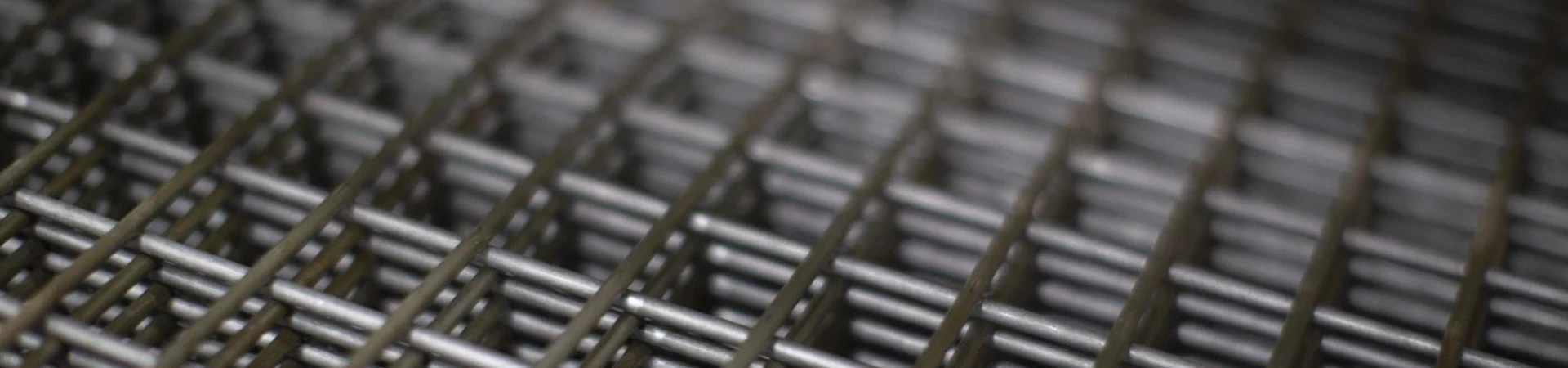

Defensive Barriers: Versatile and Indispensable Protection in Modern Scenarios
دسامبر . 29, 2025 15:56
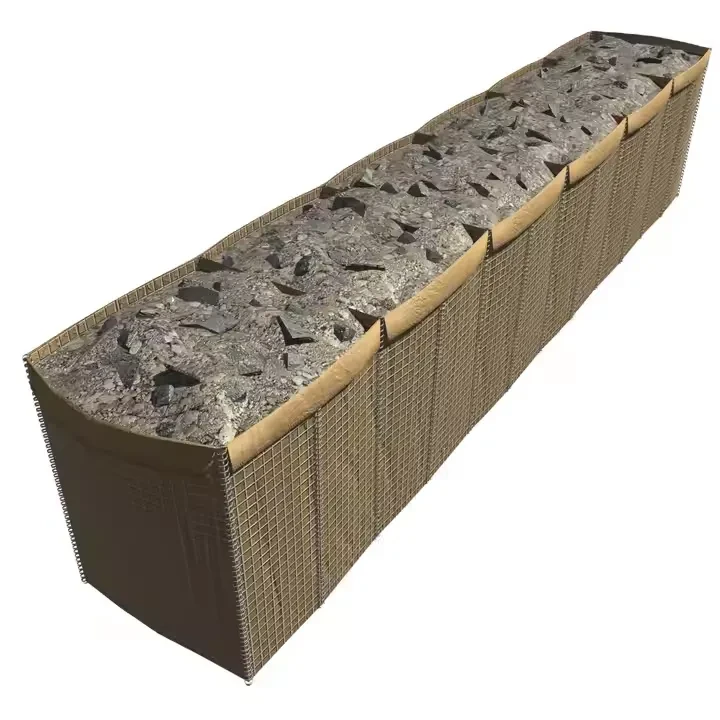
In the complex and volatile security landscape of the modern world, the demand for reliable protection systems has never been higher. Defensive barriers, as a core component of security and defense infrastructure, play a crucial role in safeguarding military installations, critical civilian facilities, and even human lives in emergency situations. From the battlefields of modern warfare to disaster response sites, these protective structures have evolved into diverse forms, each tailored to specific operational needs. Among them, the explosion-proof cage—also known as explosion-proof wall or explosion-proof net, also known as Hesco barrier or Hesco fortress—is an important form of protection in modern warfare and flood control. In actual use, it forms a solid wire mesh protective wall by filling stones, sand or soil in the mesh cage. Due to its recommended installation, foldable and easy operation, it is applied in modern warfare.
A single defensive barrier can often serve as the first line of defense against external threats, but in large-scale operations, military defense barriers are usually deployed in a systematic manner to form a multi-layered protective perimeter
These military defense barriers integrate various defensive technologies, with the explosion-proof cage acting as a key unit due to its flexibility and rapid deployment capability. Unlike rigid concrete fortifications, the foldable design of the explosion-proof cage allows troops to transport and install it efficiently even in harsh terrain, making it an ideal choice for quickly establishing defensive positions in battlefield environments. Additionally, when used as a مانع دفاعی, it can effectively block the advance of enemy vehicles, slow down infantry assaults, and reduce the impact of explosive devices, thereby buying valuable time for friendly forces to respond.
The application of these defensive structures is not limited to military scenarios; they also play a vital role in flood control and disaster relief
The explosion-proof cage, with its robust wire mesh structure, can be quickly filled with local materials such as sand and stones to form temporary dikes, effectively preventing floodwaters from inundating residential areas and farmland. In such non-combat scenarios, the defence barrier function of the explosion-proof cage is redefined to protect civilian lives and property, demonstrating its versatility beyond military applications. Its easy operation ensures that even non-professional personnel can participate in the installation process, which is crucial for rapid disaster response when time is of the essence.
In summary, موانع دفاعی, including specific forms such as the explosion-proof cage (Hesco barrier), are indispensable in both military and civilian protection scenarios. The seamless integration of defensive barrier, defensive obstacle, سد دفاعی, and military defense barriers into modern protection systems highlights their diverse functions and irreplaceable value. The explosion-proof cage, in particular, stands out due to its easy installation, foldability, and adaptability to different environments, making it a core component of modern defensive strategies. As threats and disasters continue to evolve, these defensive structures will continue to be optimized and upgraded, ensuring they remain effective in safeguarding lives and property in an ever-changing world.
Defensive Barriers FAQ
- What are the core application scenarios of defensive barriers in modern warfare?
In modern warfare, defensive barriers (such as explosion-proof cages, Hesco barriers) are mainly applied in battlefield perimeter defense, forward position reinforcement and key facility protection. They form solid protective walls by filling stones, sand or soil, effectively resisting the impact of projectiles and shrapnel, and reducing the damage caused by explosions.
- Why are defensive barriers widely used in flood control work?
Defensive barriers are widely used in flood control because of their foldable design and easy operation. They can be quickly deployed in flood-prone areas to form temporary dikes by filling with local materials like sand and soil, which effectively blocks the flow of floodwater and protects the safety of nearby residents and infrastructure.
- What advantages do defensive barriers have in terms of installation compared with traditional protective structures?
Compared with traditional protective structures, defensive barriers have obvious advantages in installation. They are designed to be foldable and easy to operate, requiring no complex construction equipment or professional technical teams. Multiple units can be quickly connected and filled with materials to form a protective system, greatly shortening the construction time.
- What materials are usually used to fill defensive barriers to ensure their protective performance?
To ensure protective performance, defensive barriers are usually filled with stones, sand or soil. These materials are easy to obtain locally, which reduces transportation costs and construction difficulty. When filled into the mesh cage of defensive barriers, they can form a dense and solid structure that can withstand strong impacts from warfare or floodwater.
- Can defensive barriers maintain stable performance in harsh natural environments?
Defensive barriers can maintain stable performance in harsh natural environments. The mesh cage part of the defensive barriers is usually made of high-strength wire mesh, which has good corrosion resistance and wear resistance. Even in environments with strong wind, heavy rain or extreme temperatures, it can still maintain the integrity of the structure and ensure the continuity of protective functions.

محصولات مرتبط


اخبار مرتبط


2026-03-16 14:21:07
Discover durable farming solutions and flexible animal containment with hinge-knot field fence. Combining impact-resistant design and customizable options, Hebei Jinjiu ensures quality for agricultural applications. Explore now: https://www.jinjiuwiremesh.com/field-fencefarm-fence.html
2026-03-16 14:21:07
Discover durable farming solutions and flexible animal containment with hinge-knot field fence. Combining impact-resistant design and customizable options, Hebei Jinjiu ensures quality for agricultural applications. Explore now: https://www.jinjiuwiremesh.com/field-fencefarm-fence.html
2027-04-14 00:00:00
Discover durable farming solutions and flexible animal containment with hinge-knot field fence. Combining impact-resistant design and customizable options, Hebei Jinjiu ensures quality for agricultural applications. Explore now: https://www.jinjiuwiremesh.com/field-fencefarm-fence.html
2026-02-25 15:31:06
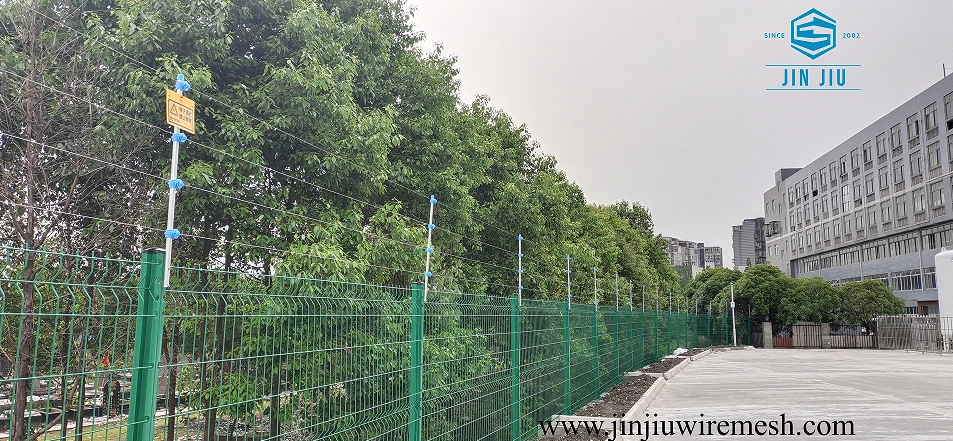
The Strategic Role of the Industrial Electric Fence in Modern Commerce
The protection of corporate and manufacturing assets has transitioned from a matter of simple boundary marking to a complex necessity of risk management.
2026-02-25 15:29:03
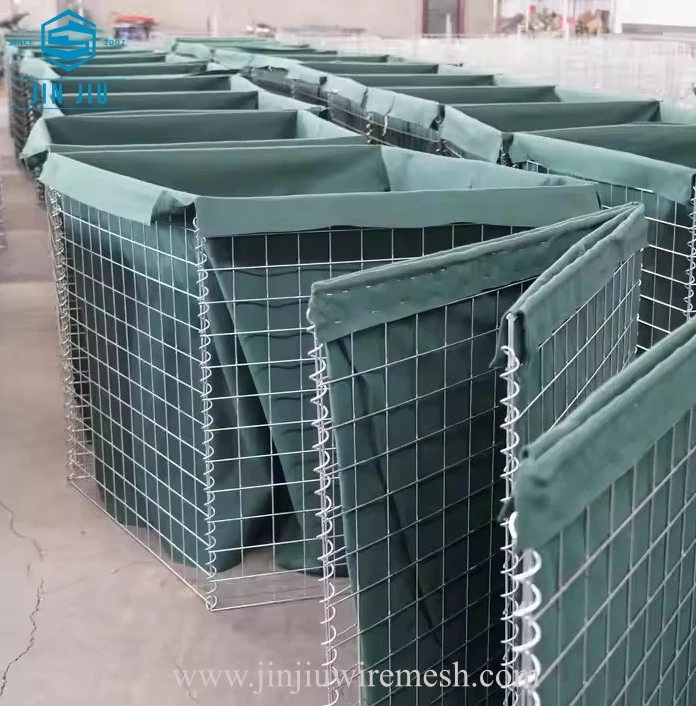
The Evolution of Physical Protection: Bullet Resistant Defensive Barriers in Modern Security
In an increasingly unpredictable global landscape, the requirement for high-level ballistic protection has moved beyond the battlefield and into the core of civilian and industrial security infrastructure.
2026-02-25 15:26:58
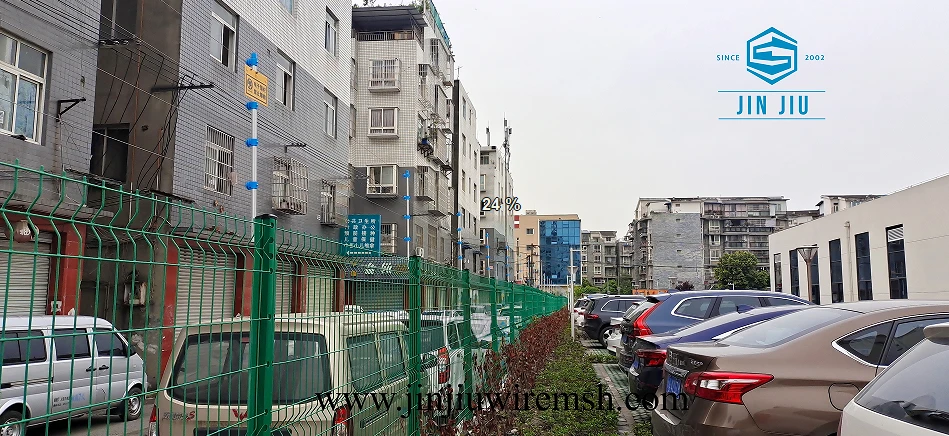
The Digital Backbone of Modern Security: Connected Pulse Monitoring Electric Fence Architecture
The traditional concept of a perimeter has undergone a fundamental transformation.
2026-02-25 15:24:13
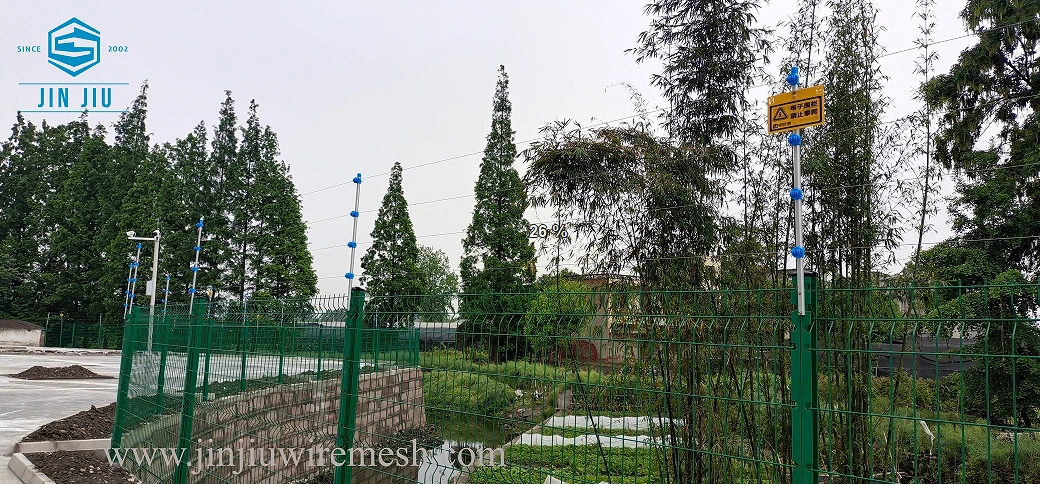
Securing the Unreachable with a Powerful Pulse Electric Fence
In the realm of global security, the distinction between a standard boundary and a high-security perimeter is often defined by the technology pulsing through the wires.
2027-04-14 00:00:00
Engineering Resilience with Explosion Proof Defensive Barriers
In an era where industrial safety and national security are increasingly intertwined, the necessity for specialized protection in volatile environments has never been higher.


 Persian
  English
  Albanian
  Arabic
  Bengali
  Czech
Czech  Danish
  Dutch
Dutch  Finnish
  French
  German
  Japanese
  Malay
Malay  Polish
  Portuguese
  Romanian
  Russian
  Serbian
  Spanish
  Swahili