





Hebei Jinjiu Metal Products Co., Ltd


Why Choose MZP Low Visibility Barriers for Temporary Traffic Control

Temporary traffic control is a critical component of urban development, infrastructure repair, and emergency management. For decades, the industry has relied on high-visibility orange cones, plastic water-filled barriers, and reflective metal fencing. While these tools serve the primary purpose of alerting drivers, they often fall short in complex environments where visual clutter, pedestrian comfort, and long-term durability are concerns. This is where the innovation of MZP low visibility barriers transforms the landscape of site management. Choosing the right perimeter solution involves balancing safety, functionality, and the visual impact on the surrounding community.
Understanding the Functional Superiority of an Obstacle Low Visibility Barrier
When we discuss a temporary "obstacle," the goal is usually to create a physical or psychological deterrent that prevents unauthorized access or guides traffic flow. Traditional barriers are designed to be seen from a distance, which is essential for high-speed highway work. However, in urban settings, parks, or residential neighborhoods, the constant presence of neon-colored plastic can create "visual noise" that frustrates residents and diminishes the aesthetic value of the area. An obstacle low visibility barrier addresses this by providing the necessary physical containment without the jarring visual intrusion of standard safety equipment.
These barriers are engineered to provide a robust physical presence. They act as a definitive boundary, ensuring that pedestrians do not accidentally wander into construction zones and that motorists have a clear, non-distracting guide for their lane transitions. The "low visibility" aspect does not mean the barrier is hidden or dangerous; rather, it refers to its ability to blend into the environment through muted tones and natural textures. By reducing the visual intensity of the barrier, site managers can reduce "rubbernecking" among drivers, which is a frequent cause of secondary accidents in work zones. When a barrier looks like a natural part of the landscape rather than a frantic emergency signal, traffic tends to flow more smoothly and calmly.
The Durability and Design of MZP Low-Visibility Obstacles
Reliability is the cornerstone of any traffic control device. MZP low-visibility obstacles are manufactured with high-grade materials that withstand the rigors of outdoor exposure, including UV radiation, heavy rain, and fluctuating temperatures. Unlike standard plastic barriers that may fade, crack, or become brittle over time, MZP products are designed for longevity. This makes them an economically sound choice for long-term temporary projects, such as multi-year bridge repairs or large-scale housing developments.
The design of these obstacles focuses on ease of deployment and stability. In temporary traffic control, the speed at which a perimeter can be established is vital. MZP systems are designed for intuitive assembly, allowing crews to secure a site quickly without the need for heavy machinery or specialized tools. Despite their "low visibility" profile, these obstacles maintain a high weight-to-volume ratio, ensuring they stay in place even in high-wind conditions or near the drafting effects of passing heavy vehicles. This stability is a key safety feature, as shifting barriers can create new hazards for the very traffic they are meant to protect.
Integrating Aesthetics with the Wicker Fence Style Barrier
One of the most unique offerings in the MZP lineup is the integration of natural-looking materials, such as the wicker fence style aesthetic. In many historical districts or high-end commercial areas, a standard chain-link fence with green privacy screening looks cheap and industrial. It signals "construction" in a way that can hurt the foot traffic of local businesses. By utilizing a wicker fence design for temporary traffic control, project managers can maintain a level of sophistication and "business as usual" atmosphere.
The wicker texture provides several functional benefits beyond its good looks. The woven pattern naturally breaks up wind gusts, reducing the "sail effect" that often topples solid plastic barriers. Furthermore, the textured surface is less prone to showing scratches, scuffs, or graffiti compared to flat metal or plastic surfaces. This ensures that the site looks clean and well-maintained throughout the duration of the project. For municipalities that prioritize "placemaking," choosing a barrier that mimics a garden or residential fence helps maintain community morale during disruptive construction phases. It turns a necessary safety obstacle into a subtle architectural element.
Superior Perimeter Management with the MZP Low Visibility Barrier
The strategic use of an MZP low visibility barrier allows for better psychological management of a traffic zone. In psychological studies of driving behavior, it has been noted that overly bright and chaotic environments can lead to driver fatigue and irritability. By streamlining the visual field with consistent, low-visibility fencing, the driver’s focus is naturally directed toward the essential navigational signs and signals rather than the cluttered perimeter of the work site.
Furthermore, these barriers provide superior privacy for the workforce. Construction sites are often targets for curious onlookers or even theft. A low-visibility, high-opacity barrier prevents passersby from seeing expensive equipment or sensitive work-in-progress, thereby reducing the risk of site interference. The MZP system provides a "solid wall" feel that enhances the security of the temporary enclosure. Because the barriers are modular, they can be configured to any site geometry, ensuring there are no gaps that could be exploited by pedestrians looking for a shortcut.
Environmental Considerations and Sustainability of MZP Low Visibility Barrier
In today’s construction climate, sustainability is no longer optional. Choosing MZP products reflects a commitment to reducing the environmental footprint of temporary works. Many of these barriers are constructed from recycled or highly recyclable polymers. Because they are built to last through dozens of deployment cycles, the "throwaway" culture associated with cheap wooden lath or thin plastic netting is eliminated.
The low-visibility design also benefits local wildlife in rural or suburban traffic control scenarios. High-contrast, artificial colors can be disruptive to the migratory or movement patterns of local fauna. By using barriers that mimic natural textures and colors, the impact on the local ecosystem is minimized. This holistic approach to site management—considering the driver, the pedestrian, the worker, and the environment—is what sets MZP apart from traditional suppliers.
MZP Low Visibility Barrier: Making the Strategic Choice for Your Project
Choosing a temporary traffic control solution is a decision that affects safety, budget, and public perception. While the temptation may be to stick with the "brightest" option available, modern traffic management philosophy suggests that a more nuanced approach is often more effective. By opting for MZP low-visibility obstacles and the wicker fence style barriers, you are prioritizing a sophisticated, calm, and highly secure environment.
The MZP system represents the next generation of site containment—one where the barrier does not have to be an eyesore to be effective. It provides the strength of an industrial obstacle with the elegance of a landscape feature. When you choose an MZP low visibility barrier, you are choosing to respect the community, protect your workers, and streamline the driving experience for everyone on the road.
Produkte të ngjashme
Lajme të ngjashme


2026-03-16 14:21:07
Discover durable farming solutions and flexible animal containment with hinge-knot field fence. Combining impact-resistant design and customizable options, Hebei Jinjiu ensures quality for agricultural applications. Explore now: https://www.jinjiuwiremesh.com/field-fencefarm-fence.html
2026-03-16 14:21:07
Discover durable farming solutions and flexible animal containment with hinge-knot field fence. Combining impact-resistant design and customizable options, Hebei Jinjiu ensures quality for agricultural applications. Explore now: https://www.jinjiuwiremesh.com/field-fencefarm-fence.html
2027-04-14 00:00:00
Discover durable farming solutions and flexible animal containment with hinge-knot field fence. Combining impact-resistant design and customizable options, Hebei Jinjiu ensures quality for agricultural applications. Explore now: https://www.jinjiuwiremesh.com/field-fencefarm-fence.html
2026-02-25 15:31:06
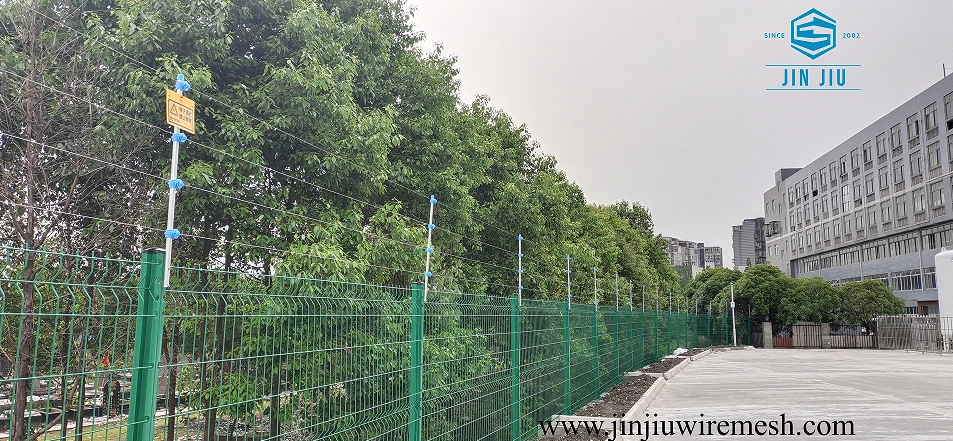
The Strategic Role of the Industrial Electric Fence in Modern Commerce
The protection of corporate and manufacturing assets has transitioned from a matter of simple boundary marking to a complex necessity of risk management.
2026-02-25 15:29:03
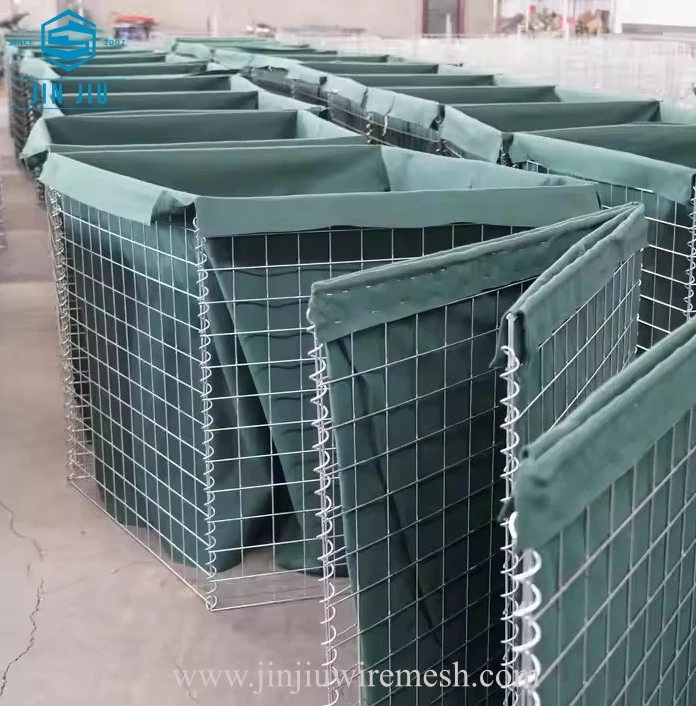
The Evolution of Physical Protection: Bullet Resistant Defensive Barriers in Modern Security
In an increasingly unpredictable global landscape, the requirement for high-level ballistic protection has moved beyond the battlefield and into the core of civilian and industrial security infrastructure.
2026-02-25 15:26:58
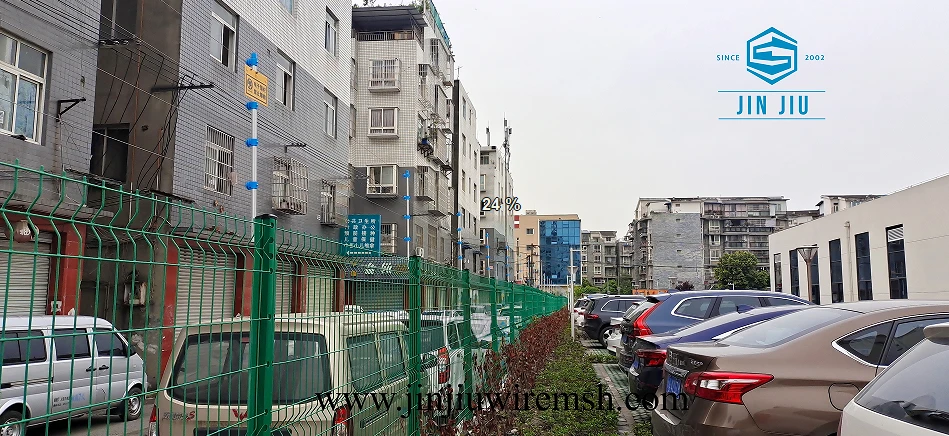
The Digital Backbone of Modern Security: Connected Pulse Monitoring Electric Fence Architecture
The traditional concept of a perimeter has undergone a fundamental transformation.
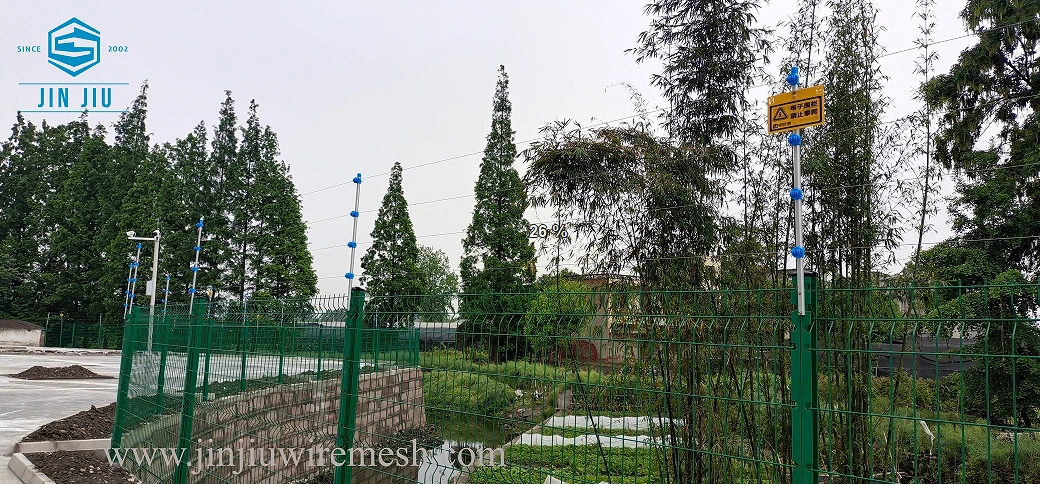
2026-02-25 15:24:13
Securing the Unreachable with a Powerful Pulse Electric Fence
In the realm of global security, the distinction between a standard boundary and a high-security perimeter is often defined by the technology pulsing through the wires.
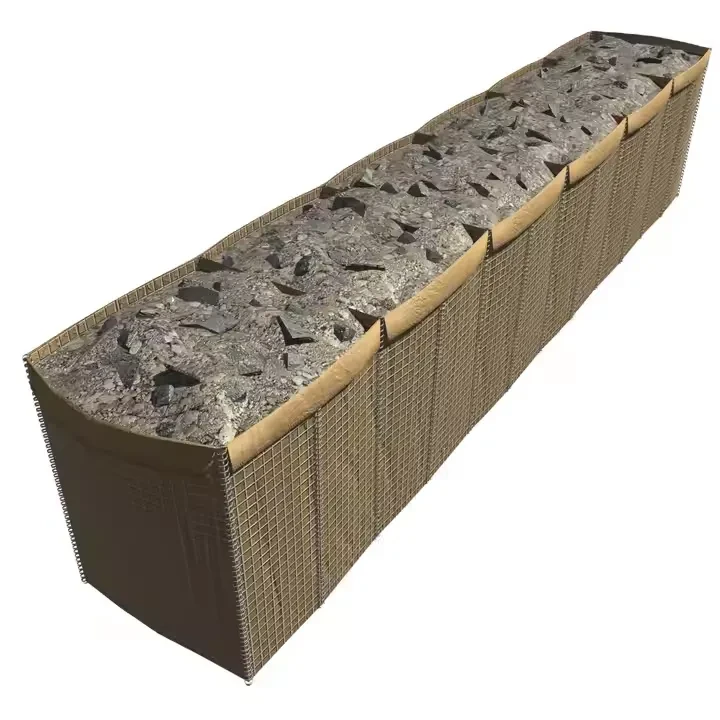
2027-04-14 00:00:00
Engineering Resilience with Explosion Proof Defensive Barriers
In an era where industrial safety and national security are increasingly intertwined, the necessity for specialized protection in volatile environments has never been higher.


 Albanian
  English
  Arabic
  Bengali
  Czech
Czech  Danish
  Dutch
Dutch  Finnish
  French
  German
  Japanese
  Malay
Malay  Persian
  Polish
  Portuguese
  Romanian
  Russian
  Serbian
  Spanish
  Swahili