





Produits métalliques Hebei Jinjiu Co., Ltd


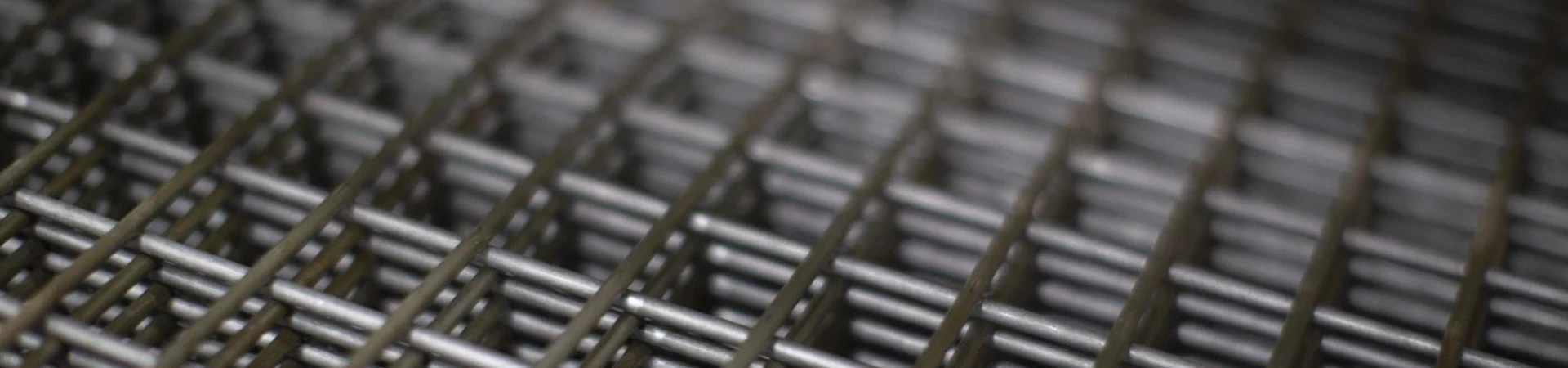
The Tensile Strength and Breaking Load of Inconspicuous Obstacle Steel Wire

In the realm of high-security infrastructure and tactical perimeter defense, the evolution of materials science has shifted from brute force visibility to sophisticated, stealthy deterrence. Traditionally, security barriers were designed to be imposing and highly visible, acting as a psychological deterrent through sheer presence. However, modern security requirements—ranging from the protection of sensitive military installations to high-value industrial assets—often demand a different approach. The rise of the inconspicuous security obstacle fence represents this shift, where the efficacy of the barrier lies in its ability to remain nearly invisible to the naked eye while providing immense physical resistance.
The Role of Tensile Strength in an Inconspicuous Security Obstacle Fence
Tensile strength is defined as the maximum amount of tensile stress that a material can take before failure. For an inconspicuous security obstacle fence, tensile strength is the most critical metric. Unlike traditional chain-link fences, which rely on the thickness of the mesh to provide strength, inconspicuous systems use high-carbon steel alloys that offer superior strength-to-weight ratios.
The challenge in designing an inconspicuous fence is making the wire thin enough to be "invisible" from a distance of 20 to 30 meters, yet strong enough to withstand several tons of force. This is achieved through a process known as cold-drawing, where the steel is pulled through a series of dies to align the molecular structure, significantly increasing its hardness and resistance to stretching. In a tactical environment, this means that even if an intruder attempts to cut or pull the fence, the wire resists deformation. This high tensile strength ensures that the fence remains taut and functional even under extreme environmental stress or physical assault.
Breaking Load Capacities of the MZP Low Visibility Mesh
When evaluating the performance of security barriers, the "breaking load" refers to the point at which the wire snaps under tension. For the MZP low visibility mesh, the breaking load is engineered to exceed the standards of conventional perimeter fencing by a significant margin. This mesh is often deployed in areas where a "hard stop" is required but where the environment must remain aesthetically undisturbed or the barrier must remain hidden for tactical advantage.
The MZP system utilizes a unique weaving or welding pattern that distributes the energy of an impact across multiple points of contact. If a vehicle or a heavy object strikes the mesh, the breaking load of the individual wires is augmented by the structural integrity of the entire grid. This "web effect" allows the MZP low visibility mesh to absorb kinetic energy, slowing down the moving object rather than simply snapping upon impact. By utilizing steel wire with a breaking load rated for several thousand Newtons, these inconspicuous meshes provide a level of security that belies their delicate appearance.
Structural Integrity of the Inconspicuous Obstacle Fence Tank Security Barrier
In high-stakes environments, such as fuel depots, chemical plants, or military storage units, the inconspicuous obstacle fence tank security barrier serves as a vital layer of defense. These barriers are specifically designed to protect large-scale storage tanks from unauthorized approach or sabotage. Because these tanks often hold volatile or expensive materials, the barrier must be reliable enough to stop a coordinated breach.
The "tank security" aspect of this fencing refers to its ability to act as a physical "arrestor." By using high-tensile steel wire configured in a multi-layered or reinforced pattern, the fence can catch and entangle intruders or projectiles. The inconspicuity of the fence is a tactical feature here: an adversary cannot easily plan a breach point if the exact location and strength of the wire are difficult to discern from a distance. The high breaking load ensures that even if an attacker uses specialized tools, the time required to penetrate the barrier is significantly increased, allowing security forces more time to respond.
Material Science: Why Steel Wire Quality Matters
The performance of an inconspicuous security obstacle fence is entirely dependent on the metallurgy of the steel wire. Common mild steel is unsuitable for these applications because it is too ductile; it stretches and thins out under load, eventually failing at relatively low pressures. In contrast, the wires used in MZP systems are typically made from stainless steel or high-carbon galvanized steel.
Corrosion Resistance: Because these fences are often "low visibility," they may be tucked away in overgrown areas or coastal environments where they are subject to moisture. A drop in tensile strength due to rust would be catastrophic. Therefore, advanced coatings (like Zinc-Aluminium alloys) are applied to ensure the breaking load remains constant over decades of exposure.
Ductility vs. Brittleness: A perfect security wire must find the "Goldilocks zone" between being too soft (stretchy) and too brittle (snapping easily). Modern engineering allows for a wire that has a high elastic limit, meaning it can bend and absorb energy but return to its original shape, up until it reaches its massive breaking load.
Tactical Advantages of High-Strength, Low-Visibility Barriers
The primary reason to choose an inconspicuous obstacle fence tank security barrier over a standard concrete wall or thick iron gate is the element of surprise. In security theory, the "OODA loop" (Observe, Orient, Decide, Act) is used to describe the decision-making process. A visible barrier allows an intruder to Observe and Orient long before they reach the perimeter.
With an MZP low visibility mesh, the intruder’s OODA loop is disrupted. They may not realize a barrier exists until they are physically entangled in it. Because the wire has such a high breaking load, their initial momentum becomes their downfall—the more force they apply to the "invisible" obstacle, the more effectively the high-tensile wire holds them in place. This makes it an ideal solution for sensitive sites where maintaining a "low profile" is just as important as maintaining a "high security" posture.
MZP Low Visibility Mesh: Installation and Tensioning
The effectiveness of the tensile strength is only as good as the installation. For an inconspicuous security obstacle fence, proper tensioning is vital. If the wire is slack, it cannot immediately engage its breaking load capacity upon impact; instead, it will simply move with the intruder.
Professional installation of these systems involves using heavy-duty tensioning posts and specialized hardware that can maintain thousands of pounds of constant pull. This pre-stressing of the wire ensures that the moment a force is applied, the physics of the steel wire immediately begin to work against the intruder. Despite this extreme internal tension, the thinness of the wire ensures it remains an inconspicuous security obstacle, blending into the shadows or the background of the facility it protects.
MZP Low Visibility Mesh: The Future of Perimeter Defense
As threats become more sophisticated, the materials we use to defend against them must also evolve. The inconspicuous security obstacle fence proves that you do not need a massive wall to create a massive defense. Through the clever application of high tensile strength and high breaking load steel wires, the MZP low visibility mesh offers a solution that is both aesthetically minimal and physically formidable.
Whether it is used as an inconspicuous obstacle fence tank security barrier for critical infrastructure or a discreet perimeter for a private estate, the science remains the same: high-quality steel, precision engineering, and the tactical advantage of being unseen.
Produits connexes
Nouvelles connexes


2026-03-16 14:21:07
Discover durable farming solutions and flexible animal containment with hinge-knot field fence. Combining impact-resistant design and customizable options, Hebei Jinjiu ensures quality for agricultural applications. Explore now: https://www.jinjiuwiremesh.com/field-fencefarm-fence.html
2026-03-16 14:21:07
Discover durable farming solutions and flexible animal containment with hinge-knot field fence. Combining impact-resistant design and customizable options, Hebei Jinjiu ensures quality for agricultural applications. Explore now: https://www.jinjiuwiremesh.com/field-fencefarm-fence.html
2027-04-14 00:00:00
Discover durable farming solutions and flexible animal containment with hinge-knot field fence. Combining impact-resistant design and customizable options, Hebei Jinjiu ensures quality for agricultural applications. Explore now: https://www.jinjiuwiremesh.com/field-fencefarm-fence.html
2026-02-25 15:31:06
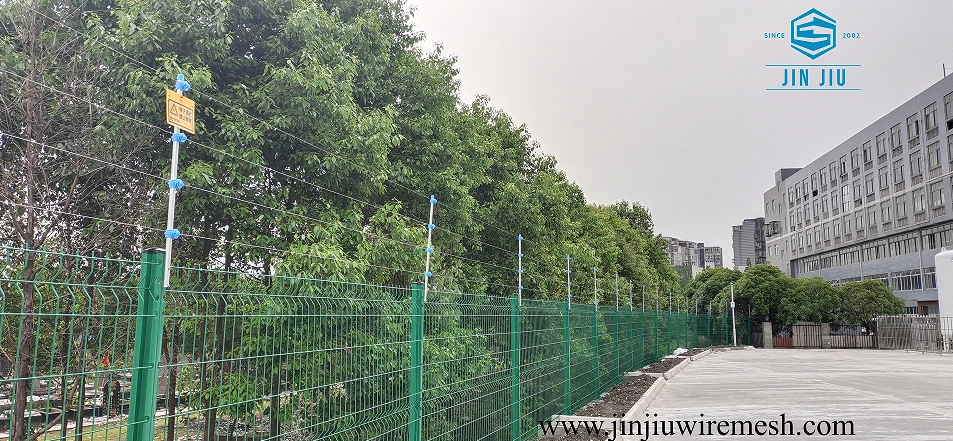
The Strategic Role of the Industrial Electric Fence in Modern Commerce
The protection of corporate and manufacturing assets has transitioned from a matter of simple boundary marking to a complex necessity of risk management.
2026-02-25 15:29:03
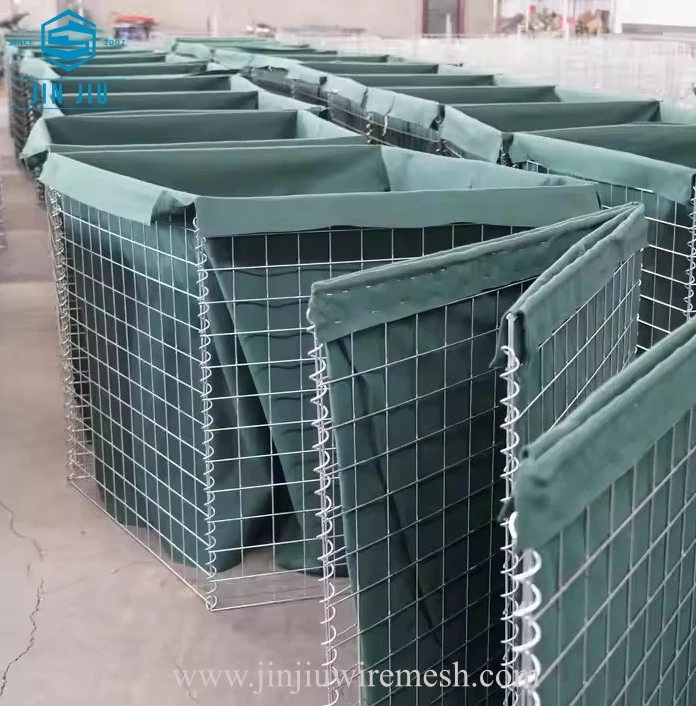
The Evolution of Physical Protection: Bullet Resistant Defensive Barriers in Modern Security
In an increasingly unpredictable global landscape, the requirement for high-level ballistic protection has moved beyond the battlefield and into the core of civilian and industrial security infrastructure.
2026-02-25 15:26:58
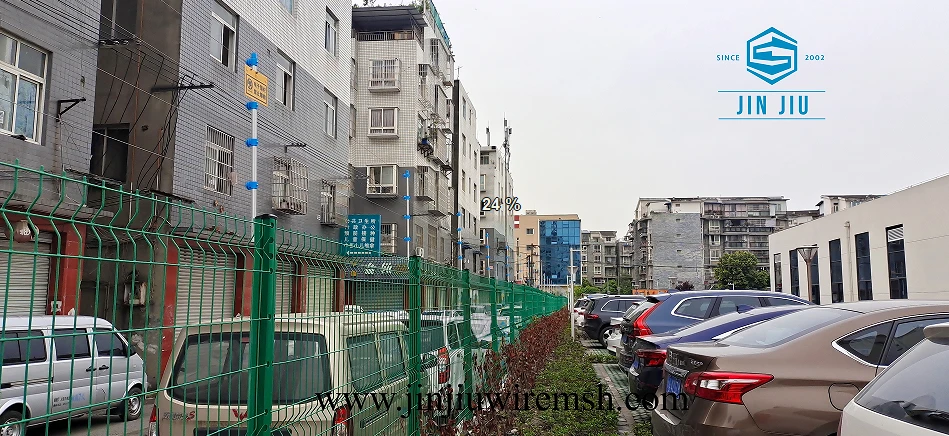
The Digital Backbone of Modern Security: Connected Pulse Monitoring Electric Fence Architecture
The traditional concept of a perimeter has undergone a fundamental transformation.
2026-02-25 15:24:13
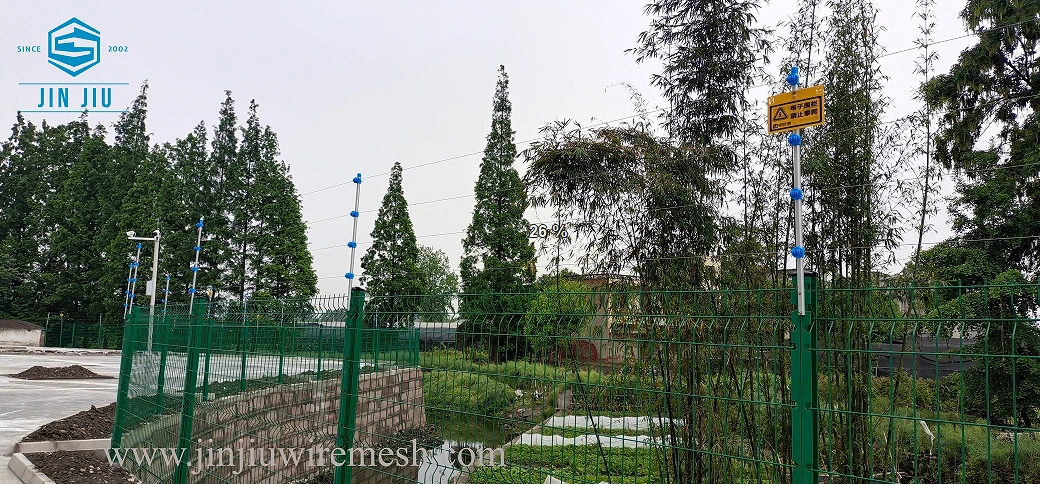
Securing the Unreachable with a Powerful Pulse Electric Fence
In the realm of global security, the distinction between a standard boundary and a high-security perimeter is often defined by the technology pulsing through the wires.
2027-04-14 00:00:00
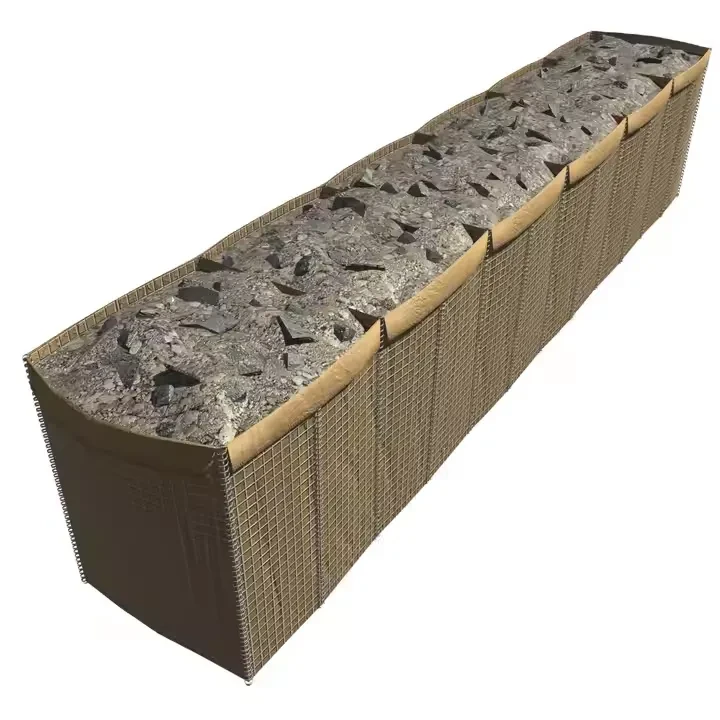
Engineering Resilience with Explosion Proof Defensive Barriers
In an era where industrial safety and national security are increasingly intertwined, the necessity for specialized protection in volatile environments has never been higher.


 French
  English
  Albanian
  Arabic
  Bengali
  Czech
Czech  Danish
  Dutch
Dutch  Finnish
  German
  Japanese
  Malay
Malay  Persian
  Polish
  Portuguese
  Romanian
  Russian
  Serbian
  Spanish
  Swahili