Look, I’ve been traipsing around construction sites for fifteen years now, getting dust in my teeth and smelling concrete all day. And let me tell you, the demand for good wire mesh manufacturers is skyrocketing. It's not just building, it’s everything—security, agriculture, even filtration systems. Everyone wants it, and they want it fast. It's wild.
Have you noticed how much emphasis there is on prefabrication now? Everyone’s trying to build off-site, assemble on-site. That means the wire mesh has to be perfect, consistently, because you can't really "fix" a bad mesh panel when the whole schedule is riding on it. It's not like patching drywall, you know?
Honestly, it’s a bit of a headache sometimes. I spend a lot of time just explaining to people what good wire mesh actually is. They think it's all the same stuff, just different prices. It's…not. Anyway, I think understanding the nuances is crucial, especially now.
The Current Landscape of wire mesh manufacturers
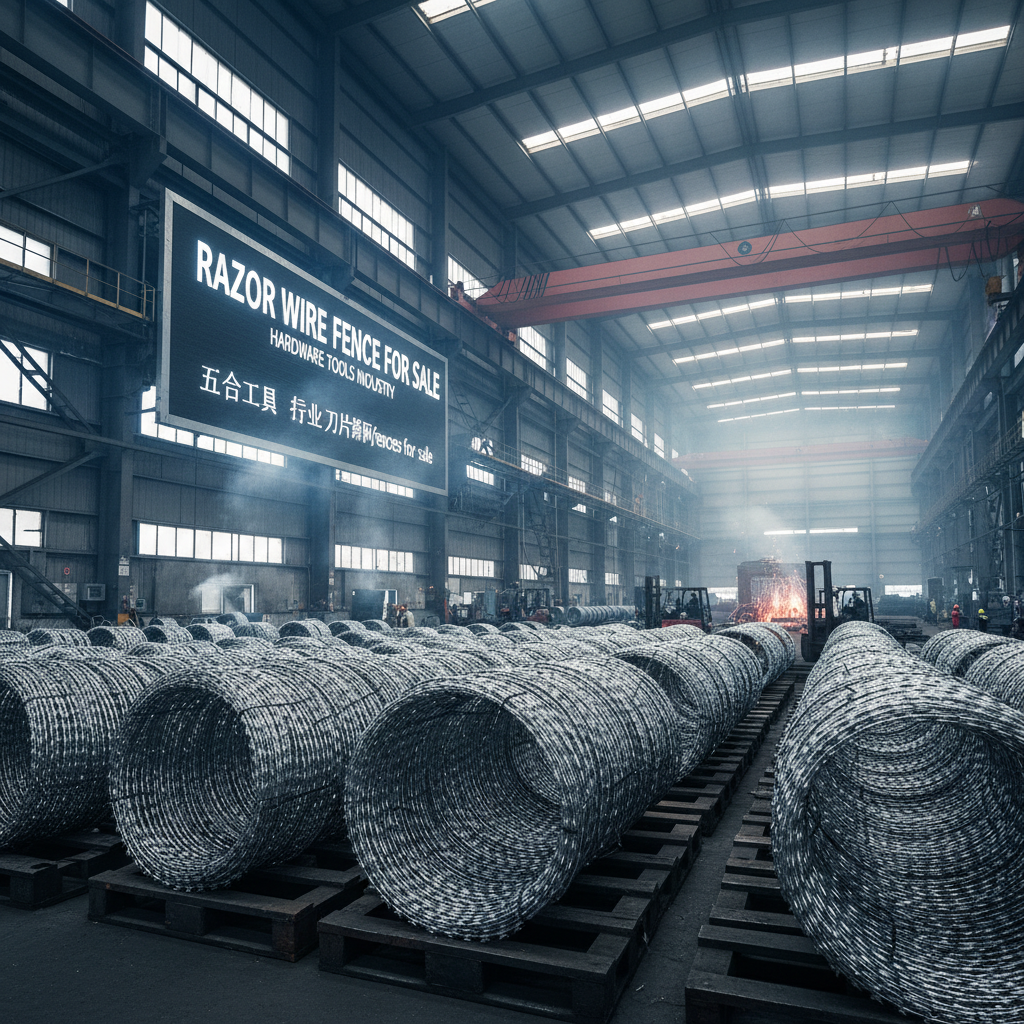
To be honest, the biggest change I’ve seen in the last couple of years is the consolidation of the wire mesh manufacturers. A few big players are gobbling up the smaller guys. It used to be you had a dozen solid options, now you're looking at five or six, and they all have their quirks. And the lead times...don't even get me started. Global supply chain issues are hitting this industry hard.
It's also not just about making the mesh anymore. A lot of the good wire mesh manufacturers are providing full solutions – cutting, bending, welding, even powder coating. It’s a value-add, but it also means you’re relying on them for more. You need to pick a partner you really trust.
Common Pitfalls in Design & Specification
Strangely, a lot of engineers still get hung up on the gauge of the wire and forget about the aperture size. They'll specify a super-heavy gauge, thinking it's stronger, but if the holes are too big, it's useless for what they need. I encountered this at a wastewater treatment plant last time—they wanted super-strong mesh to contain a filter media, but the openings were too large and everything just flowed right through.
Another big mistake? Ignoring the environment. Stainless steel is great, but it's not always the answer. If you’re dealing with highly corrosive chemicals, you need to be looking at specialized alloys, and they come with a price tag. You need to ask yourself, "What will this thing be exposed to, and for how long?"
And don’t even think about skimping on the coatings. A good PVC coating or galvanization can add years to the life of the mesh, especially in outdoor applications.
Materials Matter: A Hands-On Perspective
Now, let’s talk materials. Mild steel is your workhorse – smells like oil, feels heavy. It's what you’ll use for most general applications. Galvanized steel…that’s the one with the slightly rough, zinc-y smell. It’s good for outdoor stuff, but the galvanization can chip over time.
Stainless steel? That’s the shiny, smooth one. Feels premium, but expensive. 304 is your standard, good for most corrosion resistance. 316 is the really good stuff, for harsh marine environments or chemical plants. The feel is… different. It doesn’t have that 'raw' quality like steel.
And then you’ve got specialized stuff like titanium, nickel alloys... I rarely see those outside of really demanding applications. The price tags are astronomical. You can smell the money, honestly.
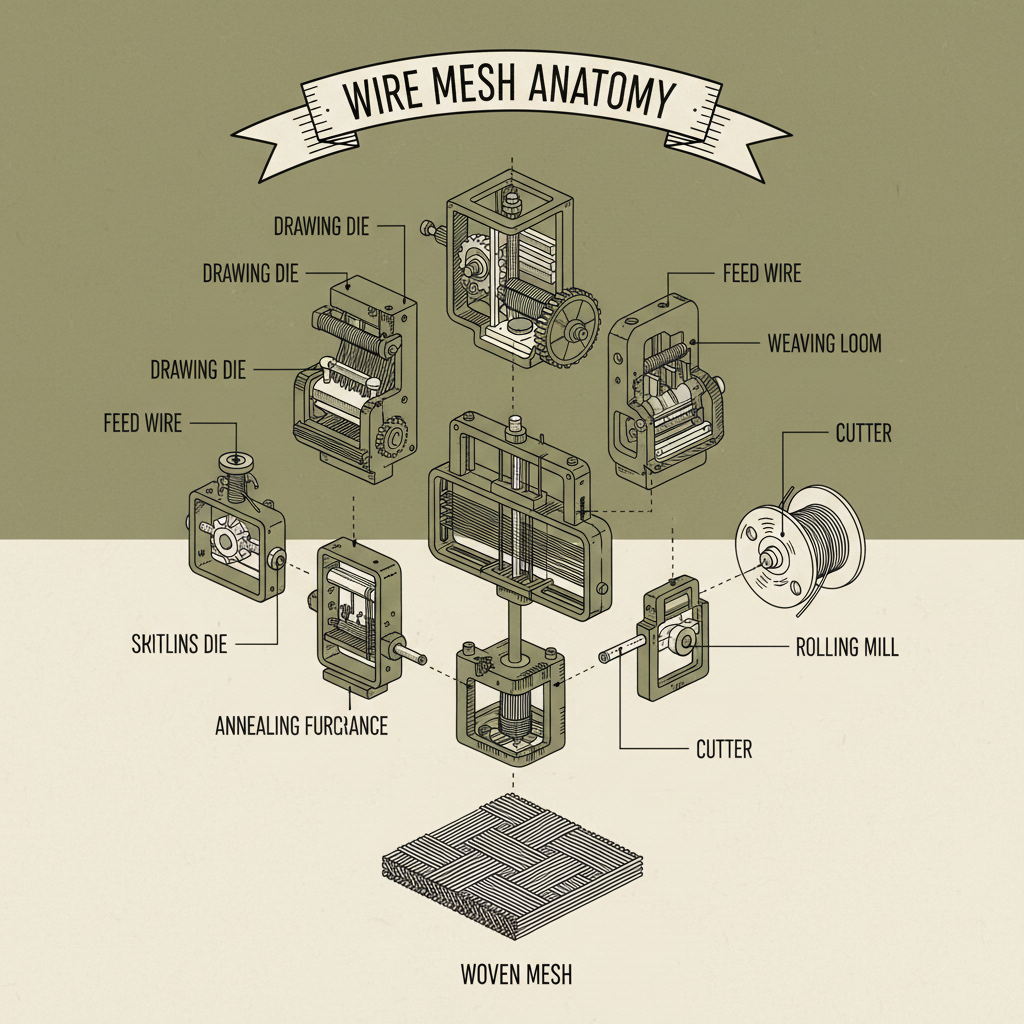
I also find that the quality of the wire itself varies wildly between manufacturers. Some are brittle, some are flexible, some have inconsistencies in diameter. You can tell just by bending it. A good wire will have a consistent springiness, a bad one will just snap. That is, if you’re paying attention. Most folks don’t bother to do this.
Real-World Testing & Performance
Forget the lab tests. I mean, they're important for certification, but they don't tell you the whole story. I’ve seen mesh pass all the lab tests and then fall apart after six months on a construction site. Real testing happens in the field.
We do a lot of pull tests, just clamping the mesh and trying to rip it. Simple, but effective. We also look at corrosion resistance by exposing samples to salt spray and harsh weather conditions. It’s not scientific, but it gives you a good sense of how it will hold up.
Wire Mesh Manufacturers Performance Ratings
How Users Actually Employ Wire Mesh
It’s never what you expect, is it? You think they'll use it for the intended purpose, but then someone always finds a creative—and often questionable—way to repurpose it. I saw a guy using it to reinforce a homemade chicken coop once. Another time, someone used it as a makeshift drain cover.
Anyway, I think the biggest use remains concrete reinforcement. But the rise of prefabricated walls and panels is changing things. They need mesh cut to precise sizes, ready to go. And they don't want to deal with tangled coils. They want flat packs.
Advantages, Disadvantages, & Trade-offs
Look, wire mesh is cheap, strong, and versatile. That's why it’s been around forever. It's also easy to work with – you can cut it, bend it, weld it. The downsides? Corrosion, if you don't protect it. And it can be surprisingly difficult to handle large rolls without the right equipment.
It’s also not a particularly elegant solution. It’s functional, but not beautiful. That's why it's usually hidden inside something else. Later... Forget it, I won't mention the aesthetic limitations.
The biggest trade-off is always cost versus lifespan. You can save money upfront by using cheaper materials, but you'll end up paying for it in the long run with increased maintenance and replacement costs.
Customization & Special Applications
We get a lot of requests for customization. Last month, that small boss in Shenzhen who makes smart home devices insisted on changing the interface to (for some reason, don’t ask) for his mesh enclosures, and the result was a three-week delay. Three weeks! Because finding a manufacturer who could do that specific bend radius was a nightmare.
I’ve also seen requests for custom coatings, different weave patterns, even mesh embedded with RFID tags for tracking. It’s all doable, but it adds cost and complexity.
The really interesting stuff is in specialized applications – things like electromagnetic shielding, noise reduction, and even architectural features. Those are the projects that keep things interesting.
Summary of Wire Mesh Manufacturer Customization Options
| Customization Type |
Complexity Level (1-5) |
Cost Impact (Low/Med/High) |
Typical Lead Time (Weeks) |
| Cutting to Size |
1 |
Low |
1 |
| Bending & Forming |
2-3 |
Med |
2 |
| Custom Coating (Color/Material) |
3 |
Med-High |
3 |
| Welding & Fabrication |
4 |
High |
4 |
| Embedded Components (RFID, Sensors) |
5 |
High |
6+ |
| Non-Standard Weave Patterns |
3-4 |
Med-High |
4 |
FAQS
In a truly coastal environment – meaning constant salt spray – you’re looking at maybe 5-7 years before significant corrosion starts to become a problem. It depends heavily on the quality of the galvanization, of course. Thicker coatings last longer, but even the best galvanization will eventually break down. We usually recommend 316 stainless steel for anything truly exposed to saltwater.
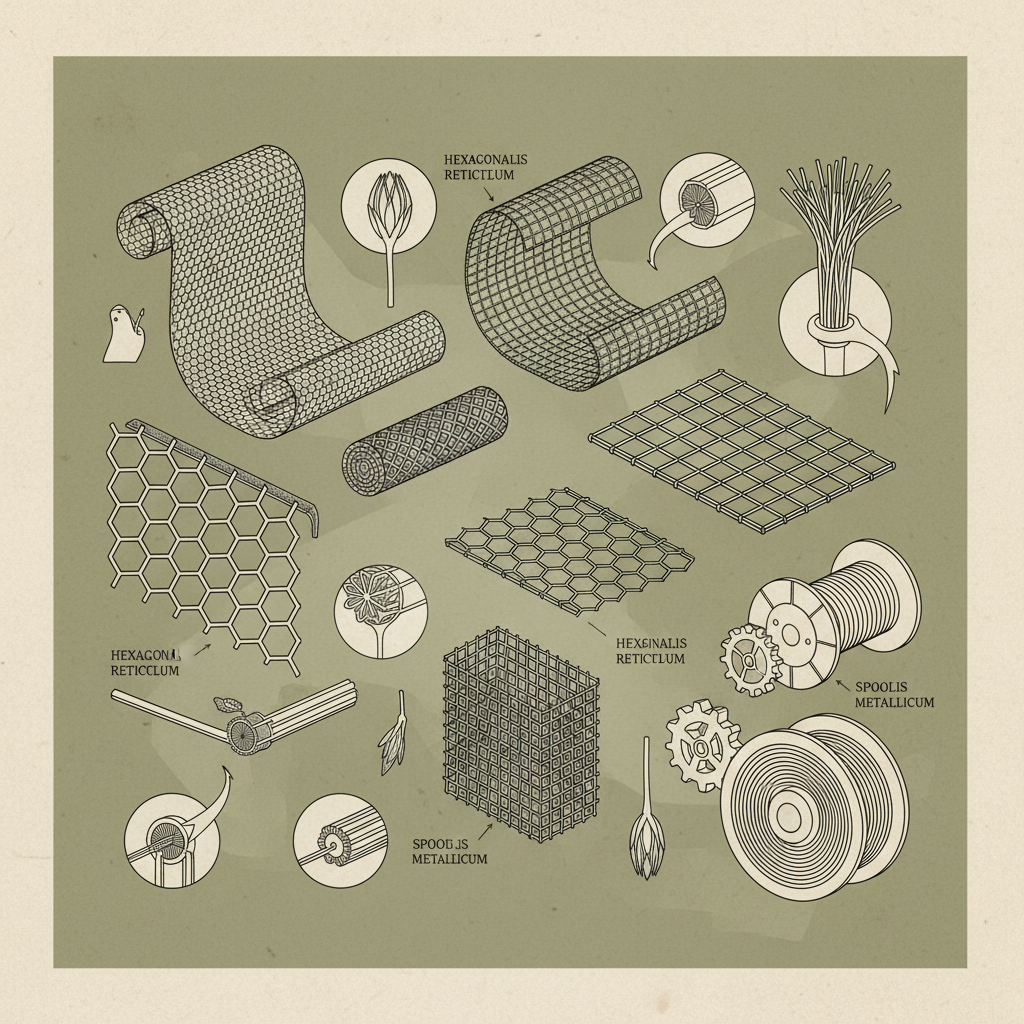
Woven mesh is made by interlacing wires, it’s more flexible and generally stronger for its weight. Welded mesh is formed by joining wires at each intersection. Welded mesh is often more cost-effective, especially for larger apertures, but it can be less durable and prone to unraveling if a weld breaks. Choose woven for applications requiring high strength and flexibility, welded for cost-sensitive applications where rigidity isn’t critical.
It's a tough one. Recycled steel is definitely an option, and a lot of manufacturers are starting to offer it. There’s also research into using bio-based polymers to create mesh, but that’s still in its early stages. Honestly, steel is pretty durable, so extending its lifespan through proper coatings and maintenance is often the most sustainable approach.
Mostly it’s improper packaging and stacking. Heavy items on top of lighter rolls will crush them. Also, moisture can cause rust to start forming, weakening the mesh. A good manufacturer will use proper packaging materials and secure the rolls to prevent shifting during transit.
Always add extra! Seriously, always add at least 10-15% for waste and overlap. It’s much better to have too much than to run short mid-project. Also, consider the pattern and aperture size – these will affect how efficiently you can use the mesh.
ISO 9001 is a good start – it shows they have a quality management system in place. Depending on the application, you might also want to look for certifications related to corrosion resistance or specific industry standards. But honestly, a good reputation and consistent product quality are more important than any certificate.
Conclusion
So, yeah. Wire mesh isn’t glamorous, but it's essential. The industry is changing fast, with a push towards customization, sustainability, and faster lead times. Understanding the materials, the manufacturing processes, and the real-world applications is crucial for anyone involved in construction, engineering, or any field that relies on this versatile material.
Ultimately, whether this thing works or not, the worker will know the moment he tightens the screw. Visit our website at www.jinjiuwiremesh.com to learn more and get a quote.