To be honest, the whole wire mesh wholesale game has been buzzing lately about prefabrication. Everyone's talking about speeding things up, getting things modular… it’s a big push. It’s not exactly new, but the scale is different now. People aren’t just thinking about pre-fab homes, but entire sections of buildings, even infrastructure components. You see it particularly in the booming data center construction – they need speed, and they need consistency. And honestly, speed is usually the driver.
But have you noticed how everyone jumps on the 'strongest possible' bandwagon? They spec these insane tensile strengths for the wire mesh wholesale, and then the poor guy on site is fighting to bend it into shape. I encountered this at a factory in Foshan last time – the mesh was so stiff, they were snapping bolts just trying to fasten it. It's a classic trap. Strength is important, obviously, but workability is crucial. A mesh that's impossible to handle isn’t saving anyone time.
We mainly work with galvanized steel wire mesh wholesale, stainless steel (304 and 316 mostly, depending on the environment), and sometimes even PVC-coated stuff. The galvanized stuff… well, it smells like metal, obviously. It gets slick with handling, gets little burrs easily. You gotta wear gloves. The stainless, especially the 316, that's smooth, almost cold to the touch. Feels higher quality, you know? And the PVC coated, that one's… well, it smells like plastic. It's durable, but it doesn’t breathe, so you gotta watch for condensation buildup.
The Rise of Prefabrication in Wire Mesh Wholesale
Strangely enough, a lot of the demand isn’t even coming directly from construction anymore. It’s coming from other sectors. Like, filtration systems are huge – water treatment plants, air purification. And the agricultural side, for poultry enclosures, animal containment... they're all needing bulk wire mesh wholesale. It's a subtle shift, but it’s changing the volume we’re moving.
The prefabrication push is directly impacting this. Companies are wanting mesh delivered pre-cut, pre-bent, even partially assembled into panels. Less waste, faster assembly on their end. Makes sense, right? But it also puts more pressure on our quality control.
The Strength vs. Workability Dilemma
I tell you what… it’s always a trade-off. You get a mesh that’s unbelievably strong, and it’s a nightmare to work with. Too brittle. You want something you can actually bend and shape without breaking, you usually have to sacrifice a bit of that ultimate tensile strength. It's finding that sweet spot. And it depends so much on the application. Reinforcing concrete needs different properties than, say, a security fence.
We had a contractor complaining last year about a shipment of high-carbon steel mesh. He was using it for a retaining wall, and he couldn't get it to conform to the curves of the design. He ended up having to heat it up with a torch to make it pliable, which… well, that voids the galvanization and creates stress points. Not ideal.
It’s something we’re constantly discussing with the mills. They’re always chasing the highest numbers, but we need to remind them that real-world performance matters more.
Common Materials and Their Handling Characteristics
Anyway, I think understanding the materials is half the battle. PVC-coated stuff, for example, it's great for corrosion resistance, especially near saltwater. But it can get brittle in cold weather. You have to be careful about storing it properly. And the coating can get scratched easily, exposing the steel underneath.
The stainless steel… that's the premium option. It's expensive, but it's worth it for applications where longevity is critical. I saw a bridge in Shanghai that used stainless steel mesh for the expansion joints – it had been in place for 20 years and still looked brand new. But even with stainless, you have to consider the grade. 304 is good for most applications, but 316 is better for harsh environments.
And don't underestimate good old galvanized steel. It’s the workhorse of the industry. It's affordable, readily available, and provides decent corrosion resistance for most applications. It's just… you gotta be prepared for a little surface rust over time, especially if it gets scratched.
Real-World Testing and Quality Control
Look, lab tests are fine, but they don't tell the whole story. We do pull tests, bend tests, coating thickness measurements, all that stuff. But the real test is putting the mesh in the hands of the guys who are actually using it.
We send samples to construction sites, ask them to bend it, cut it, weld it, see how it holds up under real-world conditions. We also get feedback from the fabricators – the guys who are making the panels and assemblies. They’re the first ones to notice if something isn't right.
Wire Mesh Wholesale Quality Control Metrics
Actual Usage Patterns vs. Intended Applications
You wouldn’t believe how often people use mesh for things we never anticipated. I had a guy call up last year wanting to use it as a trellis for growing grapes in his backyard. A trellis! I had to explain to him that it wasn’t designed for that kind of load, and he’d be better off with something else.
And then there's the DIY crowd. They're always finding creative ways to repurpose the mesh. We've seen it used for everything from chicken coops to art installations. It's good to see it being used, but sometimes you worry about safety.
Benefits and Drawbacks of Wire Mesh Wholesale
The biggest benefit, hands down, is cost-effectiveness. It’s a relatively inexpensive material, especially compared to other options like solid sheet metal. It's also lightweight and easy to transport. And it provides good ventilation and visibility, which is important for a lot of applications.
But it's not perfect. It doesn't provide complete security, it can rust if it's not properly protected, and it can be damaged by sharp objects. Also, let's be real, it doesn't look pretty. It's functional, but it's not going to win any design awards.
Ultimately, it's about finding the right balance between cost, performance, and aesthetics.
Customization Options and a Customer Story
We can do a lot with customization. Different mesh sizes, different wire diameters, different coatings, different edge treatments. We can even pre-cut and pre-bend the mesh to specific dimensions. We had a customer last month, a small boss in Shenzhen who makes smart home devices, insisted on changing the interface to , and the result was… well, a whole batch of units had to be scrapped because the connector didn't fit properly. It was a mess. But with the mesh, customization is usually more straightforward.
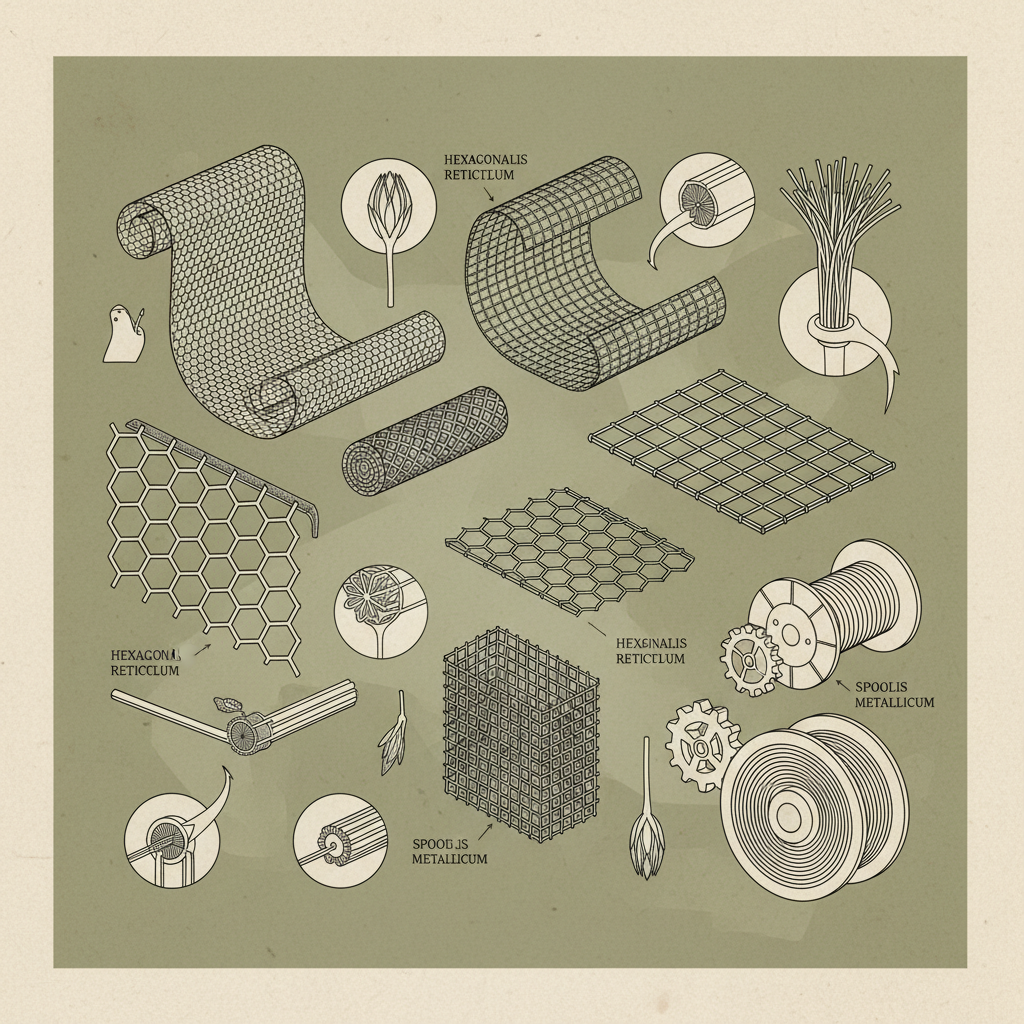
One thing we’re seeing more of is requests for specific patterns. Like, instead of a standard square mesh, they want a hexagonal mesh, or a diamond mesh. It's often for aesthetic reasons, or to provide a specific level of support.
And we can also do custom welding. We had a project last year where we had to weld the mesh into complex shapes for a sculpture. It was a challenging job, but we pulled it off.
A Summary of Key Customization Parameters for Wire Mesh Wholesale
| Mesh Size (Aperture) |
Wire Diameter |
Coating Type |
Edge Treatment |
| 1/4", 1/2", 1" |
0.02", 0.03", 0.04" |
Galvanized, PVC, Stainless Steel |
Cut, Bent, Welded |
| Hexagonal, Square, Diamond |
Light, Medium, Heavy |
Epoxy, Powder Coat |
Burr-free, Rolled |
| Custom Sizes Available |
Based on Application |
Color Matching Available |
Specialized Welding |
| Tight Tolerance Options |
High Tensile Strength |
UV Resistant Coatings |
Frame Integration |
| Variable Aperture Sizes |
Corrosion Resistance Focus |
Fire Retardant Options |
Custom Edge Shaping |
| Patterned Mesh Designs |
Specific Load Requirements |
Anti-Static Coatings |
Reinforced Corners |
FAQS
Lead times really depend on the complexity of the order and our current workload. Generally, for standard customizations like different mesh sizes or coatings, we can deliver within 2-3 weeks. But for more complex designs, or large quantities, it can take 6-8 weeks or even longer. It's always best to get a quote and confirm the delivery date upfront. We try to be transparent about it, because delays are a pain for everyone.
That’s a good question. The wire gauge depends on the load it needs to bear and the level of security you require. Thicker wire provides greater strength and durability, but it also increases the cost and weight. We typically recommend starting with a wire gauge that's appropriate for the expected load, and then adding a safety factor. It’s always better to err on the side of caution. A structural engineer can also give you guidance.
Galvanized steel is coated with a layer of zinc to protect it from rust. It’s more affordable than stainless steel, but it’s not as corrosion-resistant. Stainless steel, especially 316 grade, is highly resistant to corrosion and is ideal for harsh environments. The downside is that it's significantly more expensive. If you're in a saltwater environment, stainless is almost always the way to go. Otherwise, galvanized can be a good option.
Yes, wire mesh can be welded, but it requires proper technique and equipment. You need to use a low-heat welding process to avoid damaging the mesh. And the wire gauge needs to be appropriate for welding. We offer welding services in-house, and we can also provide guidance to customers who want to do it themselves. Be careful, because if you overheat it, you'll lose the temper of the steel and it'll become brittle.
Our standard galvanized steel and stainless steel mesh are inherently fire-resistant. They won't burn or melt. However, PVC-coated mesh is flammable and should not be used in applications where fire resistance is critical. We also offer specialized fire-resistant coatings for certain applications. It’s important to check local building codes and regulations to ensure compliance.
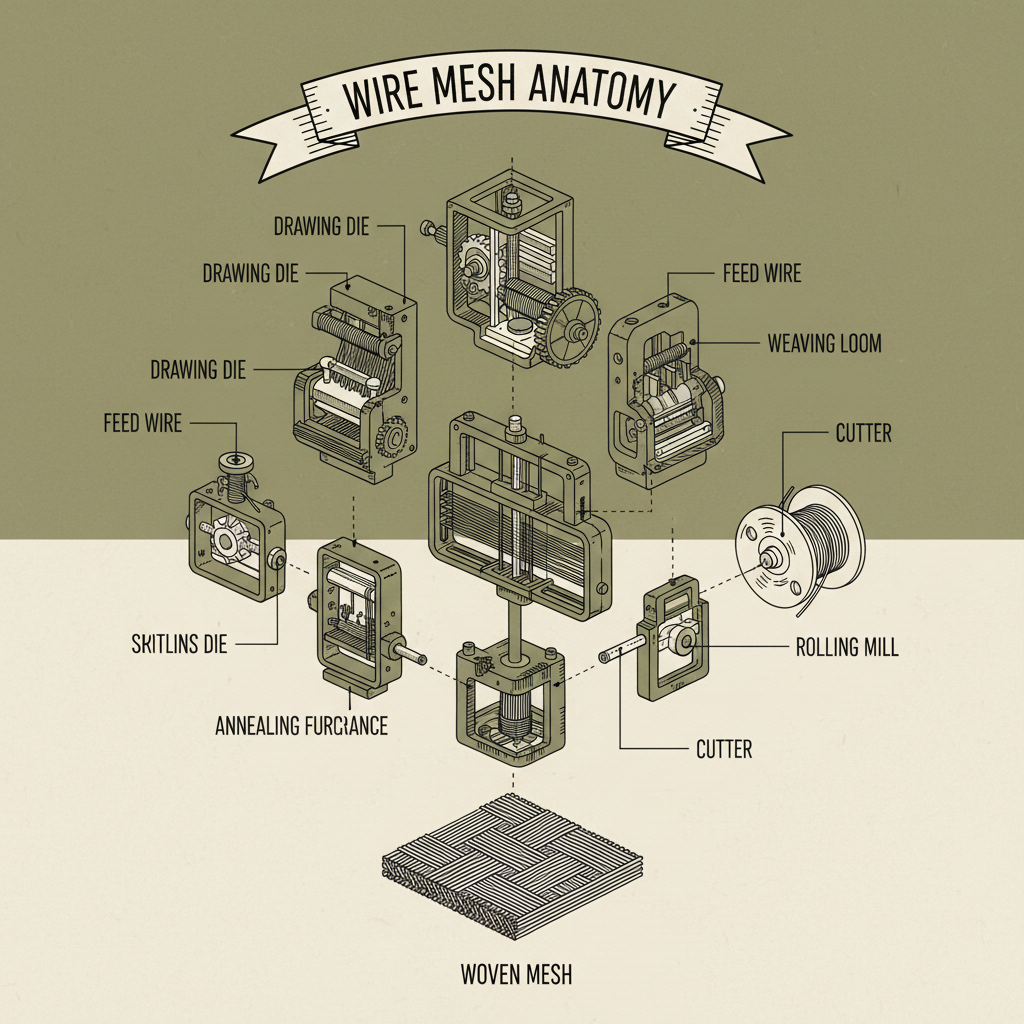
We have a rigorous quality control process that starts with the raw materials and continues throughout the manufacturing process. We inspect the wire for defects, check the mesh size and wire diameter, and perform coating thickness measurements. We also conduct regular pull tests and bend tests to ensure that the mesh meets our specifications. And as I said earlier, we get feedback from customers and fabricators to continuously improve our quality.
Conclusion
So, what's the takeaway? Wire mesh wholesale isn’t glamorous, but it's essential. It's a versatile, cost-effective material that’s used in a wide range of applications. The market's shifting towards prefabrication and customization, so we need to be agile and responsive to customer needs. Understanding the materials, the applications, and the limitations is key to delivering a quality product.
Ultimately, whether this thing works or not, the worker will know the moment he tightens the screw. If it bends too easily, if it breaks, if it doesn’t fit… they’ll let you know. And honestly, that’s the best feedback you can get. Visit our website for more information and to request a quote.