





Hebei Jinjiu Metal Products Co.,Ltd




Advanced Anti-Tank Security Barriers for Modern Defense and Infrastructure Safety
Nov . 22, 2025 16:30
Understanding the Anti-Tank Security Barrier: A Shield in a Complex World
In today’s unpredictable global landscape, security barriers guard more than just property—they safeguard communities, borders, and essential infrastructure. The anti-tank security barrier, a term that may sound very specialized (and it is), plays a vital role in defense and safety strategies worldwide. Simply put, these barriers deter or block heavy armored vehicles, notably tanks, but their presence resonates through civil protection, infrastructure resilience, and even peacekeeping missions.
Why does this matter on the global stage? Well, conflict zones and contested borders require sturdy, efficient means to control movement and create safe zones, but even peaceful nations need to be prepared. With rising geopolitical tensions and evolving warfare tactics, understanding the design, deployment, and benefits of anti-tank barriers is essential for engineers, planners, and governments alike.
The Global Context: Why Anti-Tank Security Barriers Are More Relevant Than Ever
According to recent UN security reports and defense studies, the number of armored vehicles in active military service worldwide has steadily increased—roughly 100,000 in active deployment globally (source: SIPRI, Stockholm International Peace Research Institute). This increase naturally creates demand for robust physical defenses on borders and critical points.
Additionally, organizations focused on infrastructure protection (ISO 22301 standards for security continuity) have highlighted the importance of physical barriers in multi-layered security systems. The challenge? Balancing effectiveness with rapid deployment and cost-efficiency. An anti-tank security barrier addresses these needs by offering a physical deterrent that is both tough and adaptable to different terrains.
What Exactly Is an Anti-Tank Security Barrier?
At its core, an anti-tank security barrier is a physical structure designed to prevent or slow down the advance of armored vehicles such as tanks. Often made of reinforced steel, concrete, or modular heavy-duty elements, these barriers can be fixed or temporarily installed. They act not just as obstacles but as psychological deterrents—a simple, solid answer to advanced mechanical threats.
Their relevance extends beyond military use. For example, in humanitarian and industrial zones where security perimeters are key (think critical infrastructure like nuclear plants or sensitive industrial sites), these barriers safeguard assets against accidental or deliberate breaches by heavy vehicles.
Mini takeaway:
An anti-tank barrier isn’t just a military relic—it’s a multi-purpose security component that blends strength with strategic utility.
Core Components and Key Factors of Anti-Tank Security Barriers
Durability & Strength
These barriers must withstand immense impact forces—not only from tank weight (several tens of tons) but also explosive shocks. Materials are typically steel-reinforced concrete or heavy steel meshes, often treated to resist corrosion and weather extremes.
Modularity and Scalability
Modular designs allow quick assembly and disassembly. You could set up a kilometer-long perimeter with standardized units, adapting shape and density as needed. This flexibility helps in emergency operations or fluctuating threat environments.
Cost Efficiency
Balancing cost with protection level is never simple. But vendors increasingly use prefabricated components and reusable materials to reduce lifetime costs.
Ease of Deployment
Some barriers must be deployed rapidly, often by small teams without heavy machinery. This calls for clever design—think foldable meshes or stackable units.
Environmental Adaptability
They’re designed to perform in deserts, jungles, urban rubble, even frozen tundra. Terrain versatility ensures that the barrier protects wherever needed, whether around a border checkpoint or a fragile oil pipeline.
Product Specification Table
| Specification | Typical Value | Notes |
|---|---|---|
| Material | Reinforced Steel Mesh & Concrete | Corrosion resistant alloys |
| Unit Dimensions | 2m x 1m x 0.8m | Modular & stackable |
| Weight per Unit | ~1500 kg | Transportable by small crane |
| Impact Resistance | Up to 40-ton vehicle at 10 km/h | Tests per NATO standards |
| Deployment Time | Less than 2 hours per 100m | With a 5-person crew |
How Anti-Tank Security Barriers are Deployed Globally: Real-World Use Cases
From Eastern European borders to the arid regions of the Middle East, these barriers are frontline sentinels. NATO allies frequently utilize them in temporary checkpoints, while peacekeeping missions rely on them to establish buffer zones around sensitive sites.
In the infrastructure sector, places like critical power plants in Southeast Asia or oil depots in Africa incorporate anti-tank barriers into layered protection strategies. NGOs working in volatile areas also use modular barriers to secure refugee camps from vehicle-borne threats.
Interestingly, in disaster relief operations, barriers sometimes create controlled access points for heavy equipment, protecting vulnerable populations from accidental injury or damage.
Mini takeaway:
The anti-tank security barrier’s versatility means it’s just as at home on a tense border as protecting a fragile humanitarian corridor.
Advantages and Long-Term Value of Anti-Tank Security Barriers
- Cost-effective protection: When compared with electronic countermeasures or drone surveillance alone, physical barriers provide a reliable first line of defense without recurring operational costs.
- Sustainability: Modern materials extend lifespan and reduce replacement frequency.
- Reliability: No batteries, no signal loss—just solid, unmoving protection.
- Social impact: Creating secure zones fosters safety and supports stable communities.
- Innovation & trust: Trusted physical defenses complement emerging digital security tactics.
Future Trends and Innovations Shaping the Industry
The anti-tank security barrier designs are evolving quickly. Composite materials with lighter weight and higher strength are hitting the market. You’d notice experiments integrating solar-powered sensors that detect vehicle impact and alert security teams in real time.
Automation also plays a growing role: imagine barriers that self-adjust their placements using remote-controlled robotics, shortening deployment times and reducing human risk in hazardous zones.
Increasingly, international standards (like ISO 22322 on barrier testing) push manufacturers toward higher quality and greener production methods, which aligns with global sustainability goals.
Facing the Challenges: Limitations and Creative Solutions
No product is perfect, of course. Heavy weight can make transport difficult in remote locations. Some designs lack flexibility for uneven terrain or need training for proper assembly.
Solutions boil down to modular design improvements, manufacturer training partnerships, and incorporating lighter advanced composites. Also, hybrids combining physical barriers with electronic surveillance provide layered security without over-dependence on one method.
Frequently Asked Questions About Anti-Tank Security Barriers
- Q: How quickly can an anti-tank security barrier be deployed in an emergency?
- A: Depending on the system and the crew size, deployment can be as fast as 1-2 hours for a 100-meter stretch, especially with modular and lightweight designs.
- Q: Are these barriers reusable after a conflict or incident?
- A: Absolutely. Most anti-tank barriers are designed for disassembly and reuse, making them cost-effective over multiple deployments.
- Q: Can anti-tank barriers be installed on uneven or soft ground?
- A: Yes, some modular barrier systems include adjustable bases or additional ground anchors to suit varied terrains, though performance may vary.
- Q: How do anti-tank barriers complement other security measures?
- A: They form the physical backbone in a layered defense setup, supporting surveillance, patrols, and electronic sensors to create a comprehensive security approach.
Conclusion: Embracing the Future of Protection
In the end, the anti-tank security barrier represents more than steel and concrete—it embodies resilience, strategic thinking, and adaptability. As challenges evolve on the global stage, these barriers remind us that physical, trusted protection remains essential.
If you’re interested in exploring the latest in anti-tank security barrier solutions, including high-quality modular and deployment-ready options, take a moment to visit our website. We’re always happy to connect with industry leaders and planners looking to secure peace of mind in uncertain times.
References

Related Products




Related News


2026-03-16 14:21:07
Discover durable farming solutions and flexible animal containment with hinge-knot field fence. Combining impact-resistant design and customizable options, Hebei Jinjiu ensures quality for agricultural applications. Explore now: https://www.jinjiuwiremesh.com/field-fencefarm-fence.html
2026-03-16 14:21:07
Discover durable farming solutions and flexible animal containment with hinge-knot field fence. Combining impact-resistant design and customizable options, Hebei Jinjiu ensures quality for agricultural applications. Explore now: https://www.jinjiuwiremesh.com/field-fencefarm-fence.html
2027-04-14 00:00:00
Discover durable farming solutions and flexible animal containment with hinge-knot field fence. Combining impact-resistant design and customizable options, Hebei Jinjiu ensures quality for agricultural applications. Explore now: https://www.jinjiuwiremesh.com/field-fencefarm-fence.html
2026-02-25 15:31:06
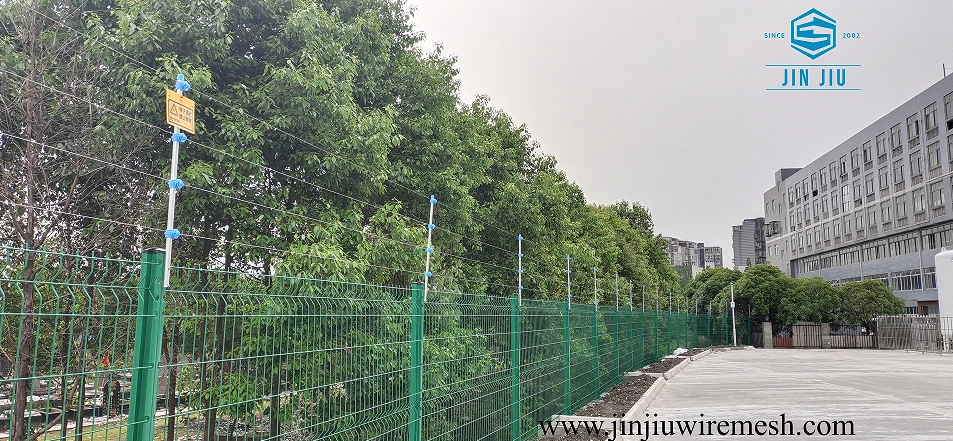
The Strategic Role of the Industrial Electric Fence in Modern Commerce
The protection of corporate and manufacturing assets has transitioned from a matter of simple boundary marking to a complex necessity of risk management.
2026-02-25 15:29:03
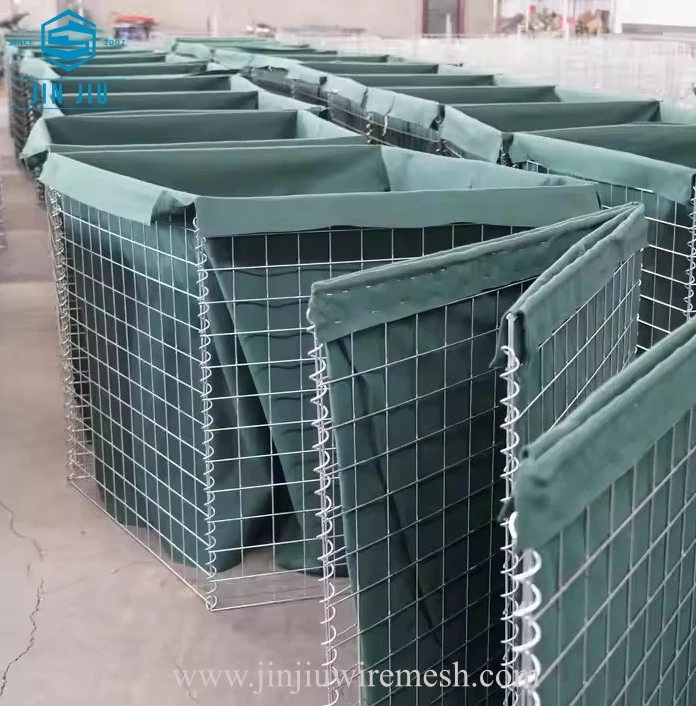
The Evolution of Physical Protection: Bullet Resistant Defensive Barriers in Modern Security
In an increasingly unpredictable global landscape, the requirement for high-level ballistic protection has moved beyond the battlefield and into the core of civilian and industrial security infrastructure.

2026-02-25 15:26:58
The Digital Backbone of Modern Security: Connected Pulse Monitoring Electric Fence Architecture
The traditional concept of a perimeter has undergone a fundamental transformation.
2026-02-25 15:24:13
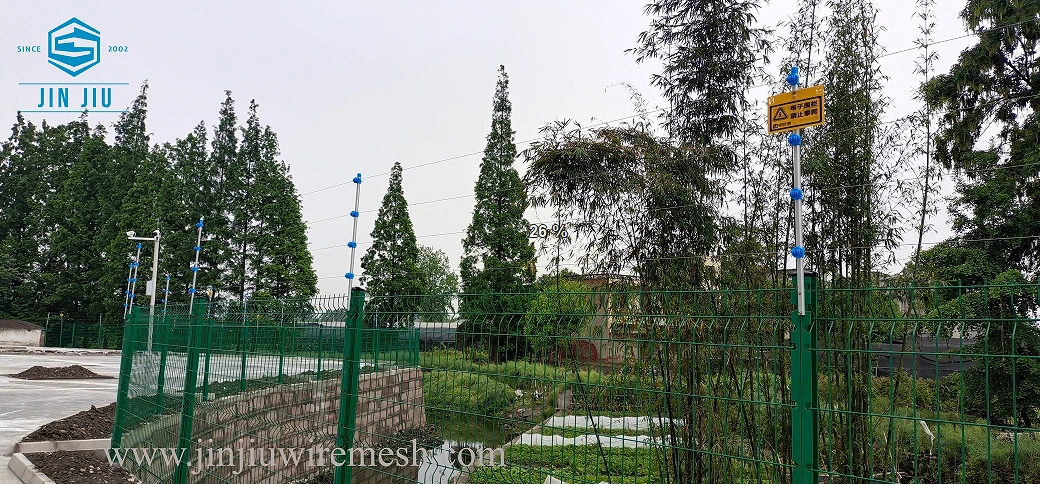
Securing the Unreachable with a Powerful Pulse Electric Fence
In the realm of global security, the distinction between a standard boundary and a high-security perimeter is often defined by the technology pulsing through the wires.
2027-04-14 00:00:00
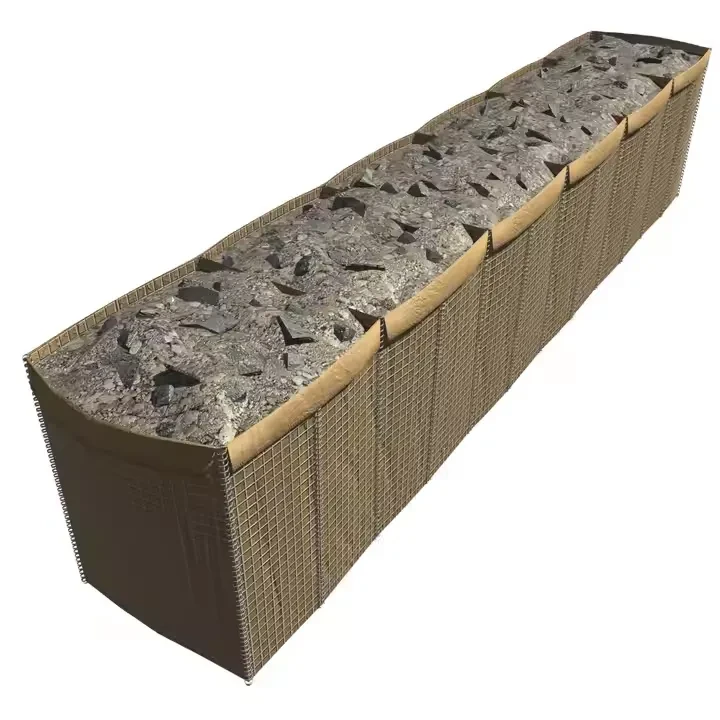
Engineering Resilience with Explosion Proof Defensive Barriers
In an era where industrial safety and national security are increasingly intertwined, the necessity for specialized protection in volatile environments has never been higher.


 English
  Albanian
  Arabic
  Bengali
  Czech
Czech  Danish
  Dutch
Dutch  Finnish
  French
  German
  Japanese
  Malay
Malay  Persian
  Polish
  Portuguese
  Romanian
  Russian
  Serbian
  Spanish
  Swahili