





Hebei Jinjiu Metal Products Co.,Ltd


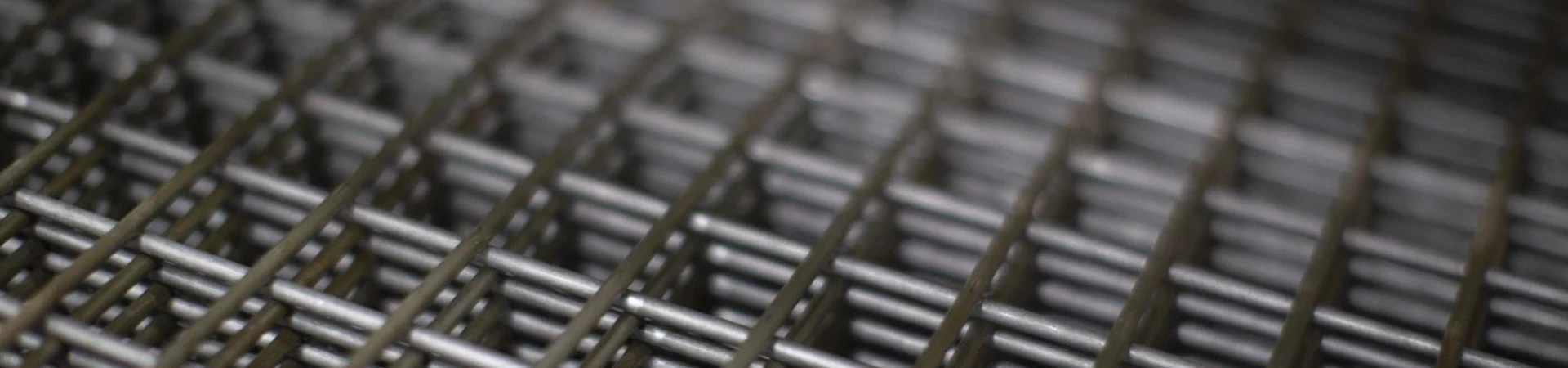

Anti Climb Fence—Secure, Durable, Low-Maintenance: Why Us?
Oct . 07, 2025 13:00
358 Anti Climb Security Fence: hard data, field notes, and what buyers get wrong
If you’ve been comparing perimeter solutions, you’ve likely met the anti climb fence—the go-to where breaching simply isn’t an option. In security briefings, it’s often called “358” (3" × 0.5" × 8 gauge). In practice, it’s a no-nonsense mesh that frustrates toe-holds, resists bolt-cutters, and still lets CCTV see cleanly. I’ve walked more than a few sites fitted with Jinjiu’s panels in Anping County’s High-tech Industrial Park, Hebei, and, to be honest, the difference shows in the welds and the coatings.
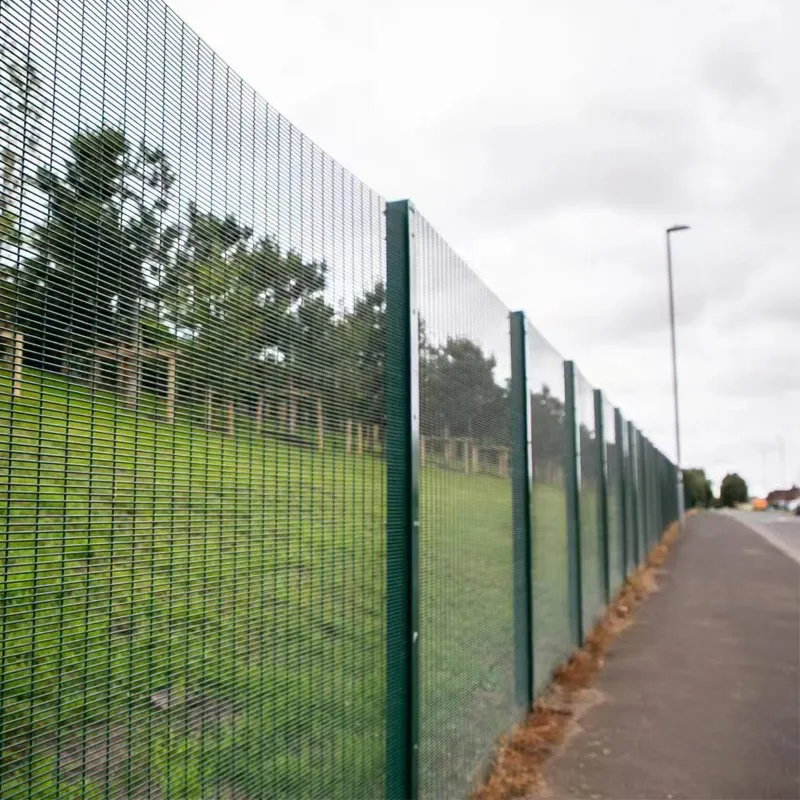
Why 358 is trending now
Two big shifts: critical infrastructure standards are tightening, and facilities want visibility for analytics (thermal cams, AI video). The mesh aperture makes scaling improbable while preserving sightlines. Interestingly, many customers say they picked 358 after seeing how ordinary palisade can be leveraged with a wrench and a little creativity. The anti climb fence closes that loophole.
Core specifications (typical, can vary by project)
| Mesh aperture | 76.2 × 12.7 mm (3" × 0.5") |
| Wire diameter | 4.0 mm (≈8 gauge) |
| Panel size | 2.2–3.0 m H × 2.5 m W (custom up to 6.0 m with toppings) |
| Posts | RHS 60×60 or 80×60 mm; tamper-proof clamps |
| Steel grade | Low-carbon Q195/Q235, resistance-welded |
| Coating | HDG to ASTM A123 + polyester powder (ISO 12944 C3–C5) |
| Colors | RAL 6005, 9005, 7016; custom on request |
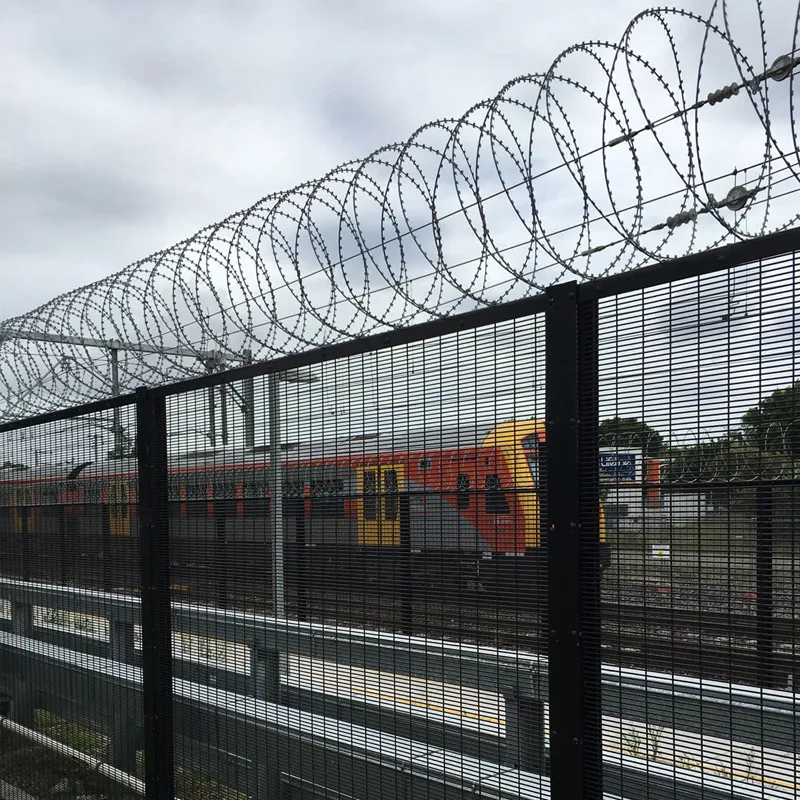
How it’s built (quick process flow)
Materials: drawn low-carbon steel wire → automated resistance welding → panel straightening and deburring → hot-dip galvanizing (ASTM A123; zinc ≈ 70–100 μm) → chromate seal → polyester powder coat 60–100 μm → curing → dimensional QC. Testing: salt spray 720–1,000 h (ASTM B117), adhesion 4B–5B (ASTM D3359), impact ≥2.5 J (ASTM D2794), weld shear sampling; compliance against BS 1722-14 for open mesh security. Service life: around 15–25 years in C3; up to ≈10–15 in coastal C5 without extra maintenance—real-world use may vary.
Where it fits (and why)
- Airports and perimeters needing uninterrupted CCTV. The anti climb fence keeps a low visual profile.
- Utilities, data centers, substations—anti-cut + sensor integration on the mesh.
- Schools and public facilities; safer than spiky palisade yet tougher than chain-link.
- Retail DCs and light industrial sites; actually, insurance auditors like seeing 358 on high-value yards.
Field note: maintenance teams often mention fewer “opportunistic” breaches. One facilities manager told me, “It just removes the temptation.”
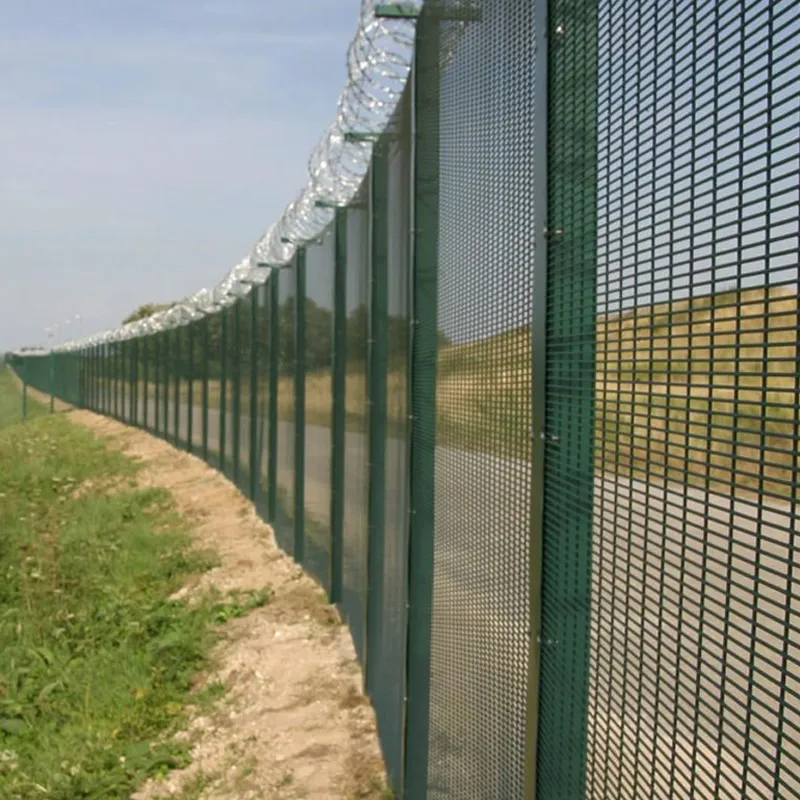
Vendor snapshot (what to compare)
| Vendor | Origin | Coating system | Lead time | Compliance | Notes |
|---|---|---|---|---|---|
| JINJIU Wire Mesh | Anping, Hebei, China | HDG + powder; ISO 12944 C3–C5 options | ≈ 2–4 weeks | BS 1722-14, ASTM A123; ISO 9001 | Tight mesh tolerance; tamper-proof fixings |
| Generic Importer | Mixed | Pre-galv + powder (thinner) | 4–8 weeks | Varies | Check weld integrity and salt-spray data |
| Local Fabricator | Regional | Powder only | 1–3 weeks | Often none | Good for urgent jobs; longevity varies |
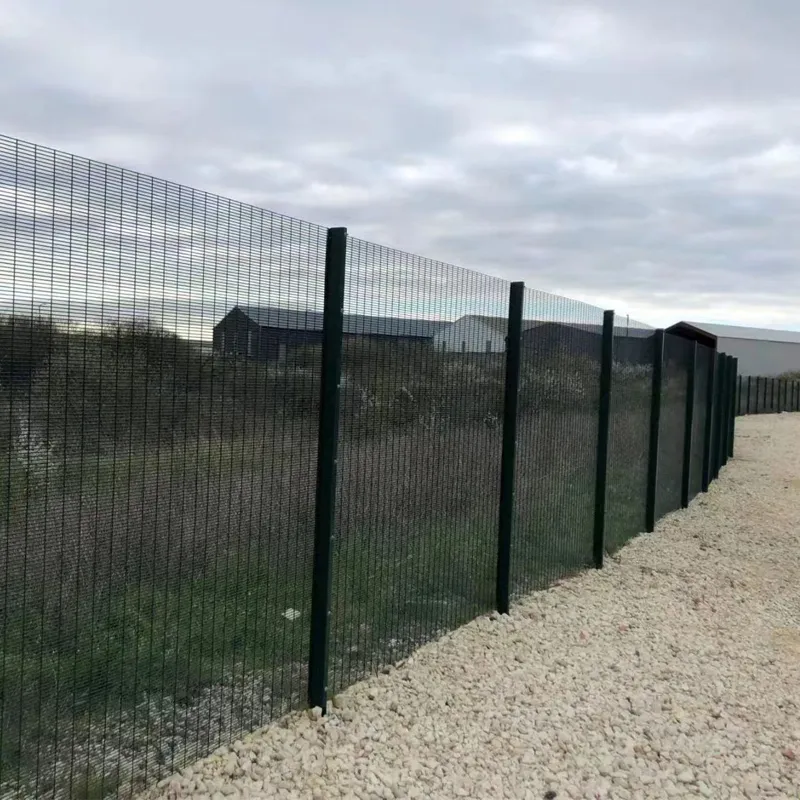
Customization, add-ons, and real deployments
Options include heights to 6 m with crank arms, integrated razor/press-formed spikes, hot-dip galvanized posts, sliding/swing gates, and PIDs (fence-mounted vibration sensors). The anti climb fence is widely deployed across airports, schools, utilities, and logistics—Jinjiu’s recent rollouts include a provincial airport perimeter (CCTV-friendly), a K–12 campus upgrade (no sharp palisade edges), and a utility substation where ASTM B117 1,000 h salt-spray performance was actually in the spec.
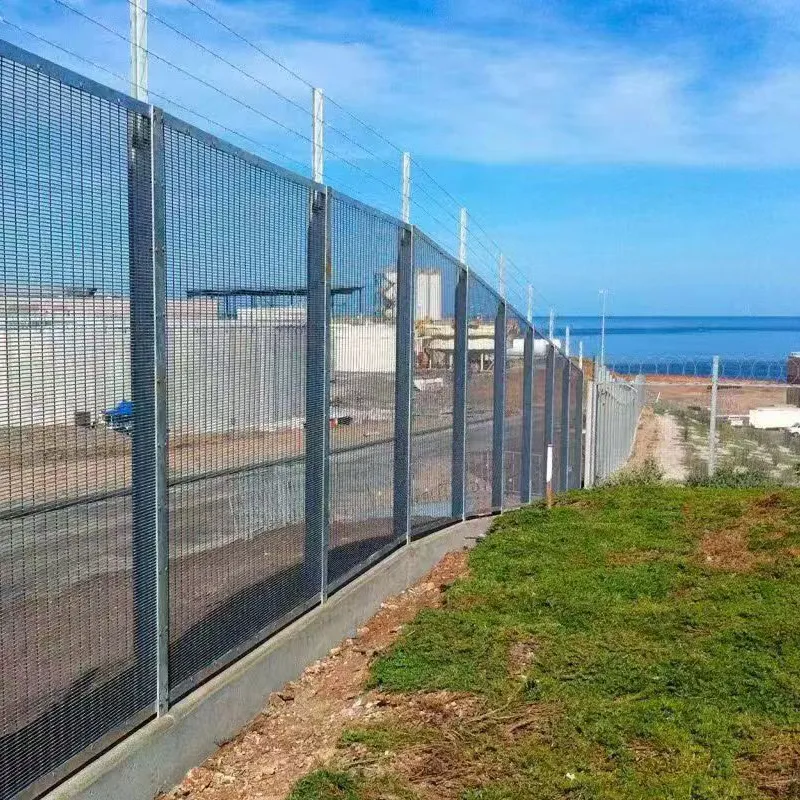
Bottom line
If you need a fence that resists scaling and cutting without blinding your cameras, the anti climb fence—in its 358 form—hits that practical sweet spot. Just verify coating thickness, salt-spray hours, and post/fixing specs. The small details, I guess, are what keep intruders on the outside.
Authoritative references
- BS 1722-14: Fences—Open mesh steel panel fences, Specification.
- ASTM A123/A123M: Standard Specification for Zinc (Hot-Dip Galvanized) Coatings on Iron and Steel Products.
- ASTM B117: Standard Practice for Operating Salt Spray (Fog) Apparatus.
- ISO 12944: Paints and varnishes—Corrosion protection of steel structures by protective paint systems.

Related Products
Related News


2026-03-16 14:21:07
Discover durable farming solutions and flexible animal containment with hinge-knot field fence. Combining impact-resistant design and customizable options, Hebei Jinjiu ensures quality for agricultural applications. Explore now: https://www.jinjiuwiremesh.com/field-fencefarm-fence.html
2026-03-16 14:21:07
Discover durable farming solutions and flexible animal containment with hinge-knot field fence. Combining impact-resistant design and customizable options, Hebei Jinjiu ensures quality for agricultural applications. Explore now: https://www.jinjiuwiremesh.com/field-fencefarm-fence.html
2027-04-14 00:00:00
Discover durable farming solutions and flexible animal containment with hinge-knot field fence. Combining impact-resistant design and customizable options, Hebei Jinjiu ensures quality for agricultural applications. Explore now: https://www.jinjiuwiremesh.com/field-fencefarm-fence.html
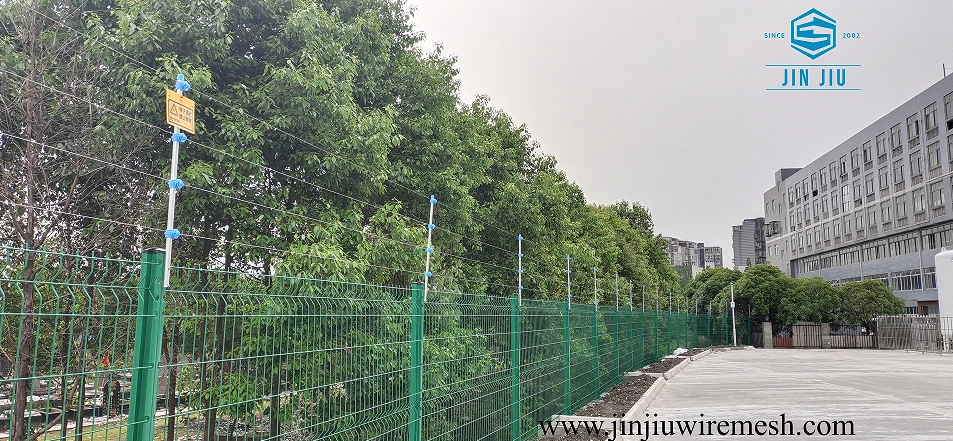
2026-02-25 15:31:06
The Strategic Role of the Industrial Electric Fence in Modern Commerce
The protection of corporate and manufacturing assets has transitioned from a matter of simple boundary marking to a complex necessity of risk management.
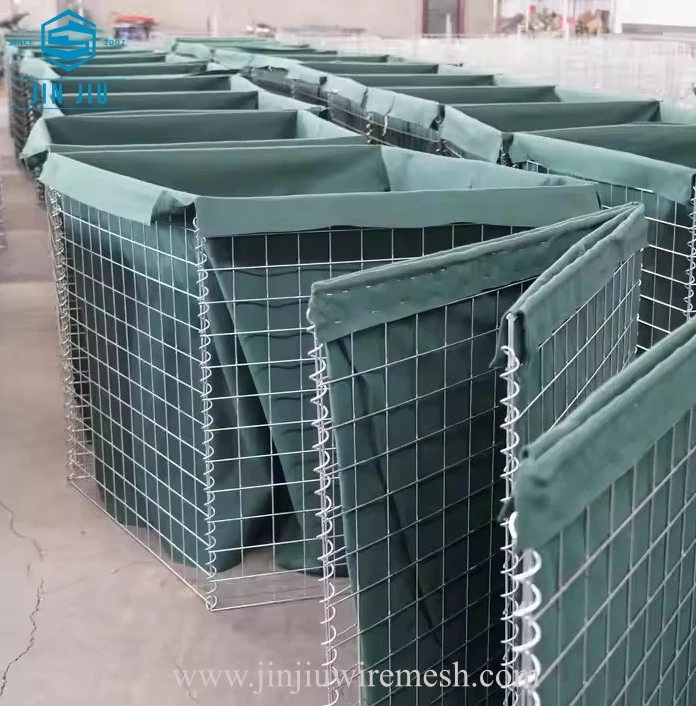
2026-02-25 15:29:03
The Evolution of Physical Protection: Bullet Resistant Defensive Barriers in Modern Security
In an increasingly unpredictable global landscape, the requirement for high-level ballistic protection has moved beyond the battlefield and into the core of civilian and industrial security infrastructure.
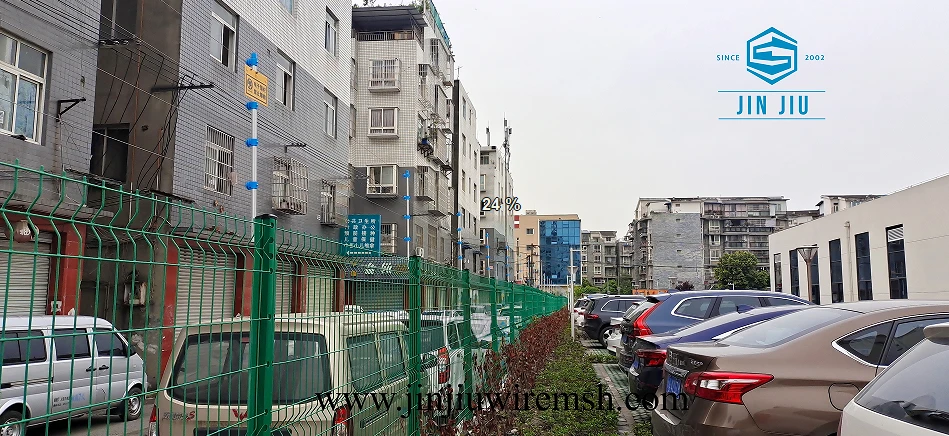
2026-02-25 15:26:58
The Digital Backbone of Modern Security: Connected Pulse Monitoring Electric Fence Architecture
The traditional concept of a perimeter has undergone a fundamental transformation.
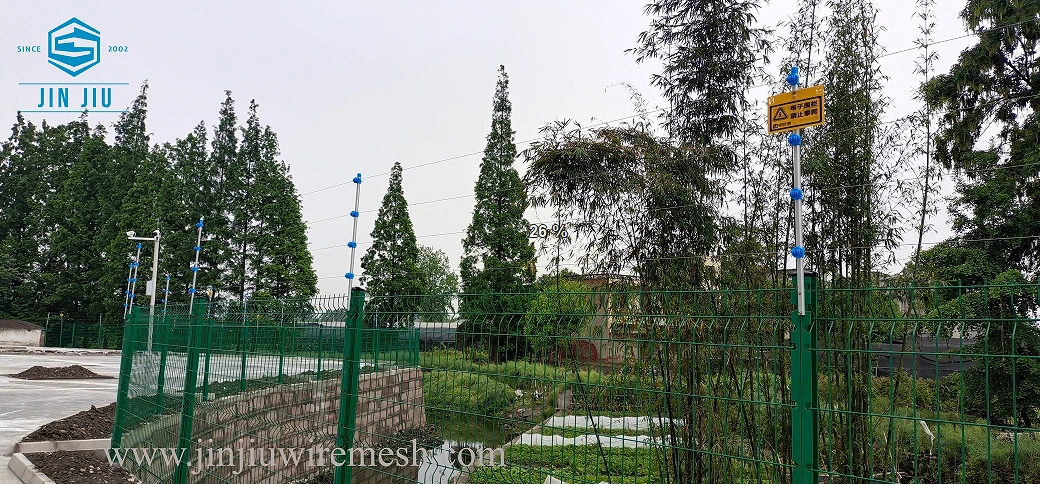
2026-02-25 15:24:13
Securing the Unreachable with a Powerful Pulse Electric Fence
In the realm of global security, the distinction between a standard boundary and a high-security perimeter is often defined by the technology pulsing through the wires.
2027-04-14 00:00:00
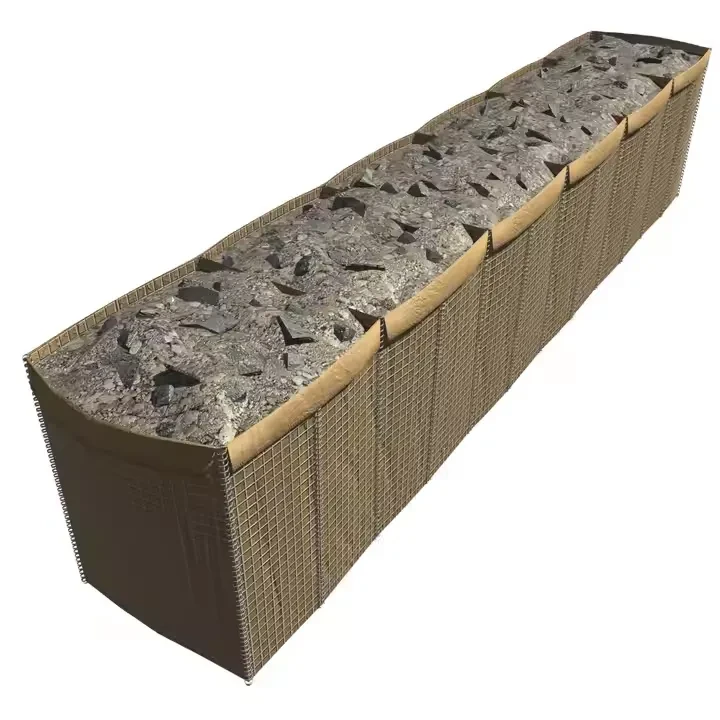
Engineering Resilience with Explosion Proof Defensive Barriers
In an era where industrial safety and national security are increasingly intertwined, the necessity for specialized protection in volatile environments has never been higher.


 English
  Albanian
  Arabic
  Bengali
  Czech
Czech  Danish
  Dutch
Dutch  Finnish
  French
  German
  Japanese
  Malay
Malay  Persian
  Polish
  Portuguese
  Romanian
  Russian
  Serbian
  Spanish
  Swahili