





Hebei Jinjiu Metal Products Co.,Ltd


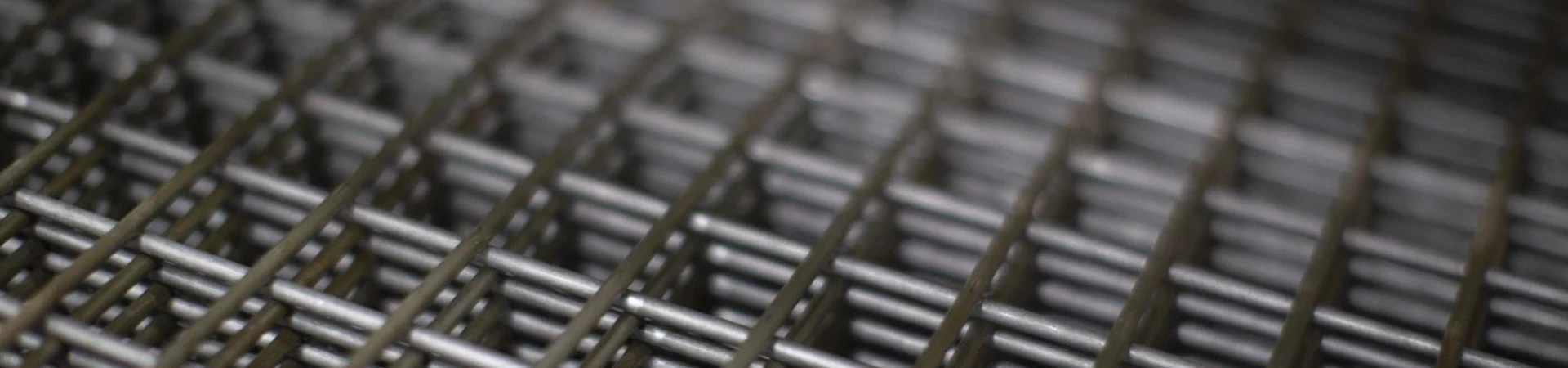

Anti Tank Track Mesh Solutions – Durable Ground Protection for Military & Industrial Use
Nov . 25, 2025 09:43
What Is Anti Tank Track Mesh and Why Does It Matter Today?
At first glance, “anti tank track mesh” might sound like something out of a military tech manual — and in part, it is. Yet, this robust mesh technology goes well beyond just defense applications. It’s a specialized wire mesh designed to withstand the enormous weight and destructive force of armored vehicles’ tracks, preventing them from crushing or penetrating the ground beneath or thwarting access. But here’s the kicker: its uses have expanded worldwide, including protecting sensitive infrastructure and supporting humanitarian needs in conflict zones and post-disaster sites. Understanding how anti tank track mesh works and why it's gaining traction on a global scale is not just technical jargon; it’s about resilience, sustainability, and innovative protective solutions becoming critical where value meets vulnerability.
Anti Tank Track Mesh in Global Context: Challenges & Urgency
Today’s world is more connected but paradoxically threatened by conflicts and environmental changes than ever before. According to the United Nations, millions remain displaced in regions affected by war and unrest — and infrastructure protection is a growing concern there. The World Bank adds that rebuilding after such conflicts, or shocks like floods and earthquakes, can overwhelm local resources. Anti tank track mesh steps in as a protective barrier that guards ground integrity and valuable assets in these hostile or fragile environments.
Consider that modern armored vehicles weigh upwards of 60 tons, often leaving devastating tracks on roads and land used not just for military but also humanitarian convoys. The damage delays relief, repair, and reconstruction efforts drastically — a challenge few public conversations spotlight. This is where deploying hardened mesh solutions can mitigate destruction, enabling faster and safer passage.
So, What Exactly Is Anti Tank Track Mesh?
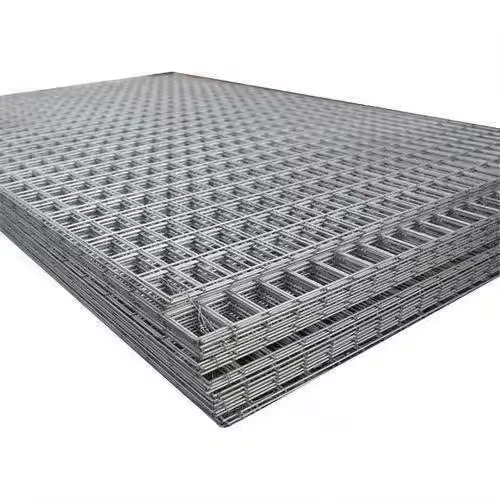
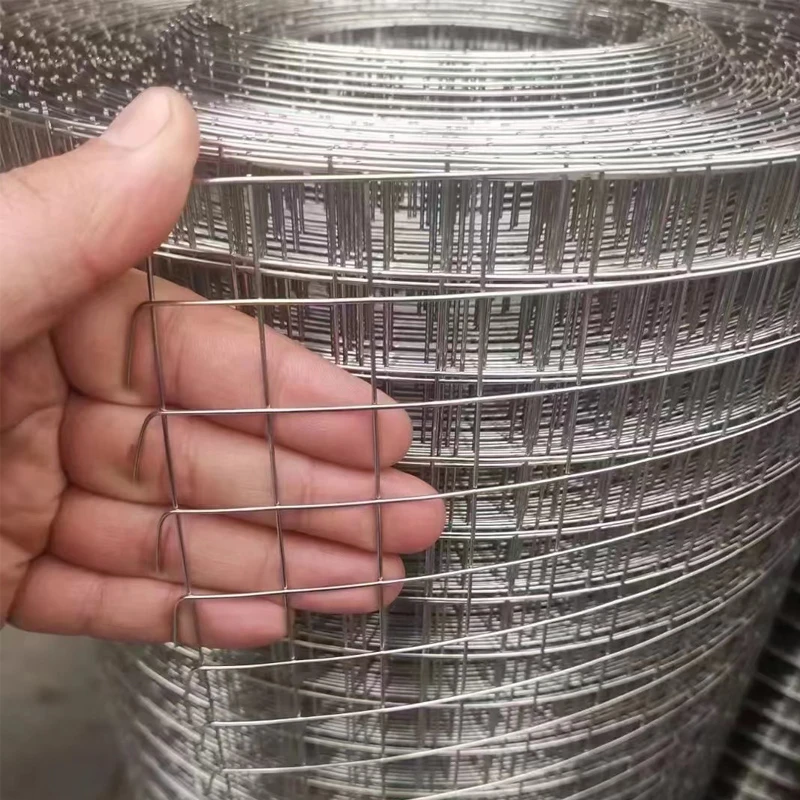
In essence, anti tank track mesh is a heavy-duty wire mesh engineered to resist the crushing and tearing forces exerted by tank tracks and similar heavy vehicles. Made from high tensile steel or alloy coatings, it is rigid enough to prevent puncturing or deformation but flexible enough to lay flat over uneven terrain.
While its origins lie primarily in military applications — as barriers, road reinforcements, and obstacles — its adoption has steadily crept into civilian uses, especially in industries requiring durable ground protection like mining, construction, and humanitarian logistics.
Key Components of Anti Tank Track Mesh
1. Durability
The mesh is designed with steel wires typically in diameters ranging from 3 to 10 mm, treated with galvanization or polymer coatings to resist corrosion and wear. Durability means the mesh can handle not just armored vehicles but repeated use in harsh environments.
2. Load Capacity
It needs to support massive weight loads, upwards of 60,000 kg (about 60 tons), without bending or cracking. This is crucial for military convoys or industrial vehicles in rugged zones.
3. Size and Modular Scalability
Typically delivered in panels ranging from 1 to 3 meters square, these meshes can be linked to cover expansive areas. Scalability allows quick deployment and flexible coverage depending on the operational need.
4. Ease of Deployment
Many mesh products are lightweight relative to their strength, extendable, and often designed for rapid setup — vital for emergency or conflict scenarios where time is of the essence.
5. Environmental Resistance
Beyond physical strength, coatings protect the mesh from rust, UV, and chemical corrosion, enabling long service life in challenging climates.
Mini Takeaway:
Anti tank track mesh isn’t just metal webbing; it’s a specialized, tough, scalable solution purpose-built to preserve ground integrity and safeguard infrastructure in places where heavy vehicles roam.
Where Is Anti Tank Track Mesh Changing the Game Globally?
Here’s something interesting: while originally a military staple, the usage spectrum is broader than you might think.
- Conflict Zones and Border Areas: Preventing damage to roadside infrastructure and slowing unauthorized armored vehicle progress.
- Post-Disaster Relief Operations: In earthquake or flood zones, it protects freshly repaired roads and landing strips from heavy machinery traversing unstable surfaces.
- Industrial Sites & Remote Work Zones: Mining sites in Australia, remote oilfield roads in Canada, or rugged construction zones in Africa rely on such meshes to stabilize pathways and prevent erosion.
- Infrastructure Projects: Temporary reinforcement during bridge or highway repair works worldwide.
- International Peacekeeping Forces: Organizations like the UN or NATO use anti tank track mesh during mission deployments to facilitate safer movement.
In fact, some NGOs have adopted anti tank track mesh as a quick-to-install method of protecting supply routes vulnerable to damage but critical for aid delivery.
Mini Takeaway:
The mesh’s adaptability across sectors and geographies underscores its value—wherever heavy tracked vehicles meet delicate environments, this solution is quietly making a difference.
Anti Tank Track Mesh Product Specifications
| Parameter | Specification | Typical Range | Unit |
|---|---|---|---|
| Wire Diameter | High tensile steel wire | 3 - 12 | mm |
| Mesh Opening Size | Square / Rectangular | 50 x 50 – 150 x 150 | mm |
| Panel Dimensions | Modular Panels | 1 x 2 up to 2 x 3 | meters |
| Load Bearing Capacity | Static Load Support | Up to 60,000 | kg |
| Surface Treatment | Galvanized or Polymer Coated | N/A | N/A |
| Weight per Panel | Depending on size and gauge | 40 - 120 | kg |
Comparing Top Anti Tank Track Mesh Vendors
| Vendor | Product Range | Material Quality | Customization Options | Lead Time | Typical Clients |
|---|---|---|---|---|---|
| Jinjiu Wire Mesh | Full range with heavy gauge options | Galvanized & Polymer Coated Steel | Panel size, coating, thickness | 2-4 weeks | Military, Construction, NGOs |
| SteelGrid Solutions | Focus on lightweight mesh | High tensile steel only | Limited | 3-5 weeks | Industrial clients |
| Fortress Mesh Corp. | Premium heavy-duty panels | Advanced corrosion coating | Custom sizes & patterns | 5-7 weeks | Government & Military |
Advantages & Long-Term Value of Using Anti Tank Track Mesh
Investment in anti tank track mesh pays off not just in the immediate safeguarding of infrastructure but across years of durability and peace of mind. A few tangible benefits stand out:
- Cost Efficiency: By reducing road and ground repairing due to heavy vehicle damage, organizations save thousands in maintenance and delays.
- Sustainability: Many meshes now come with eco-friendly coatings and reusable modular panels, contributing to greener projects.
- Safety & Security: Preventing catastrophic ground failure during convoy movements means lives and critical aid reach their destination intact.
- Innovation & Trust: The ability to customize for specific terrains and vehicle types provides planners and operators a reliable, innovative solution.
Oddly enough, it feels like such a humble product but is absolutely central in various missions needing precision and reliability.
Future Trends and Innovations Within Anti Tank Track Mesh
Looking forward, the field is buzzing with promising advances. For instance, new synthetic fiber blends aim to reduce weight while keeping strength, easing transport and deployment. Smart mesh technologies with embedded sensors could monitor ground pressure and wear in real-time, allowing predictive maintenance.
Sustainability is also a driver, with manufacturers exploring recycled metals and biodegradable coatings to align with global green initiatives like the UN Sustainable Development Goals.
Digital transformation means integrating supply chains closer with end-users — enabling rapid customization, tracking, and quality assurance on remote projects.
Overcoming Challenges: What Can Go Wrong?
No solution is perfect, and anti tank track mesh has some hurdles. The biggest issues often are deployment logistics in hostile or remote areas and balancing weight vs. strength. Some mesh varieties may corrode over time in extreme humidity or salty soils if coatings aren’t robust enough.
Industry insiders recommend thorough field testing and tailoring mesh options specifically to environmental conditions to tackle these hurdles. Training for rapid deployment teams and modular design improvements also factor in heavily.
Frequently Asked Questions About Anti Tank Track Mesh
- Q: How do I choose the right anti tank track mesh for a specific terrain?
- A: Identify key factors like expected vehicle weight, soil type, and climate conditions. Consult vendors offering customizable panels with appropriate coatings to match environmental demands.
- Q: Can anti tank track mesh be reused after deployment?
- A: Yes, most heavy-duty meshes are modular and can be disassembled, cleaned, and redeployed multiple times if maintained properly.
- Q: Are polymer-coated meshes better than galvanized ones?
- A: Polymer coatings generally provide superior resistance against corrosion, especially in coastal or chemically harsh environments, but often at a higher price point.
- Q: What is the typical lifespan of an anti tank track mesh panel under heavy use?
- A: With quality materials and proper maintenance, panels can last over 10 years, sustaining frequent heavy vehicle traffic without significant degradation.
- Q: How quickly can anti tank track mesh be delivered for urgent projects?
- A: Depending on vendor and customization needs, lead times range from 2 to 7 weeks. Some suppliers stock standard sizes for faster turnaround.
Wrapping Up: Why Anti Tank Track Mesh Should Be On Your Radar
To sum up, anti tank track mesh has quietly become an indispensable element in the nexus of modern infrastructure protection, conflict mitigation, and humanitarian aid logistics. Its mix of strength, flexibility, and scalability addresses unique challenges of the 21st century’s heavy-vehicle dominated landscapes.
Interested in exploring solutions? Check out anti tank track mesh options that fit your project’s scope and demands. It might just be the practical innovation you didn’t know you needed.
References:

Related Products

Related News


2026-03-16 14:21:07
Discover durable farming solutions and flexible animal containment with hinge-knot field fence. Combining impact-resistant design and customizable options, Hebei Jinjiu ensures quality for agricultural applications. Explore now: https://www.jinjiuwiremesh.com/field-fencefarm-fence.html
2026-03-16 14:21:07
Discover durable farming solutions and flexible animal containment with hinge-knot field fence. Combining impact-resistant design and customizable options, Hebei Jinjiu ensures quality for agricultural applications. Explore now: https://www.jinjiuwiremesh.com/field-fencefarm-fence.html
2027-04-14 00:00:00
Discover durable farming solutions and flexible animal containment with hinge-knot field fence. Combining impact-resistant design and customizable options, Hebei Jinjiu ensures quality for agricultural applications. Explore now: https://www.jinjiuwiremesh.com/field-fencefarm-fence.html
2026-02-25 15:31:06
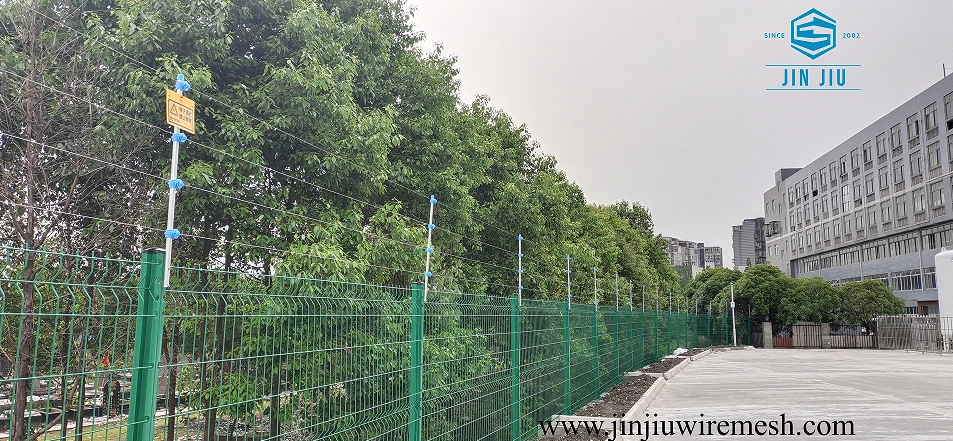
The Strategic Role of the Industrial Electric Fence in Modern Commerce
The protection of corporate and manufacturing assets has transitioned from a matter of simple boundary marking to a complex necessity of risk management.
2026-02-25 15:29:03
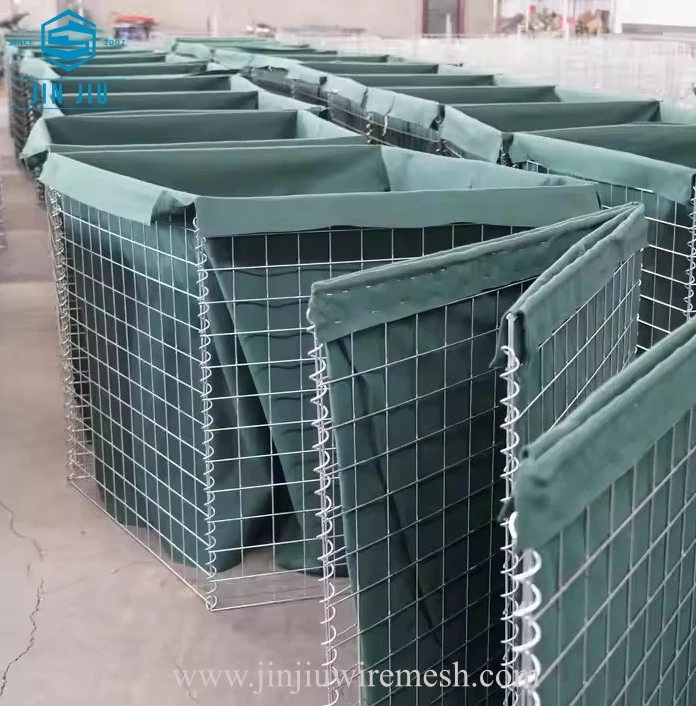
The Evolution of Physical Protection: Bullet Resistant Defensive Barriers in Modern Security
In an increasingly unpredictable global landscape, the requirement for high-level ballistic protection has moved beyond the battlefield and into the core of civilian and industrial security infrastructure.
2026-02-25 15:26:58
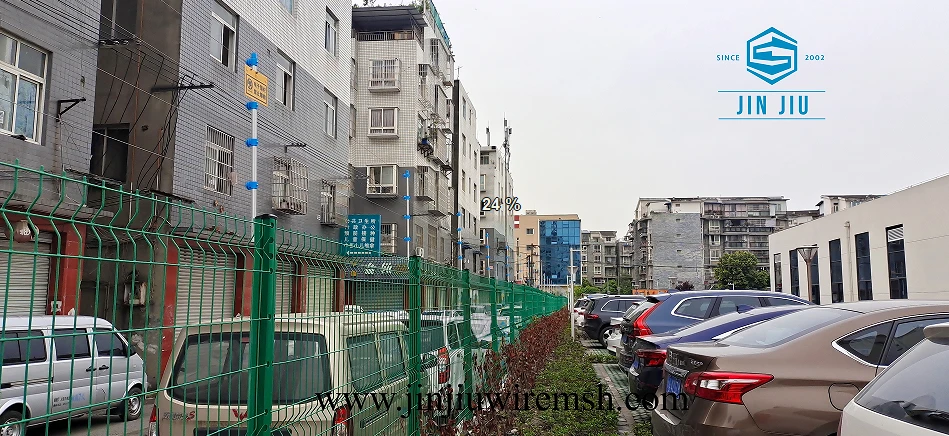
The Digital Backbone of Modern Security: Connected Pulse Monitoring Electric Fence Architecture
The traditional concept of a perimeter has undergone a fundamental transformation.
2026-02-25 15:24:13
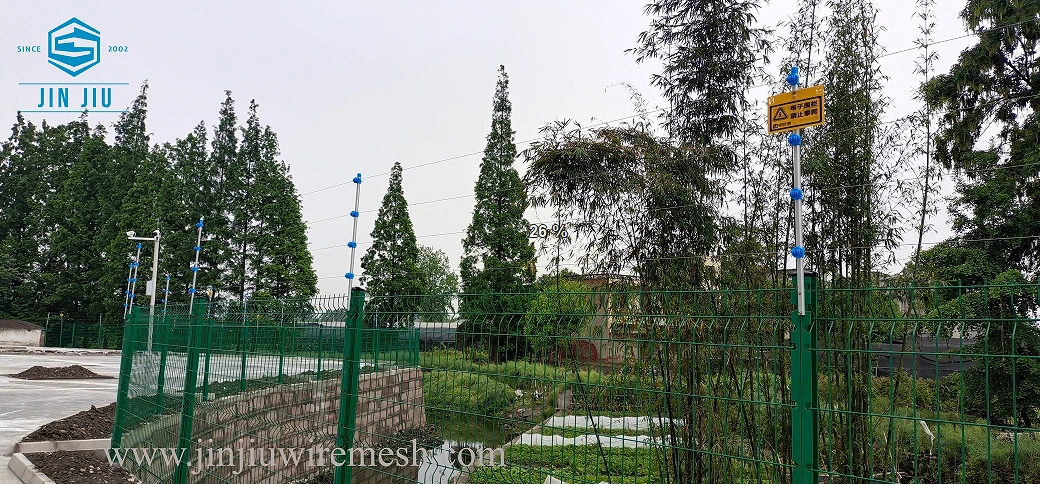
Securing the Unreachable with a Powerful Pulse Electric Fence
In the realm of global security, the distinction between a standard boundary and a high-security perimeter is often defined by the technology pulsing through the wires.
2027-04-14 00:00:00
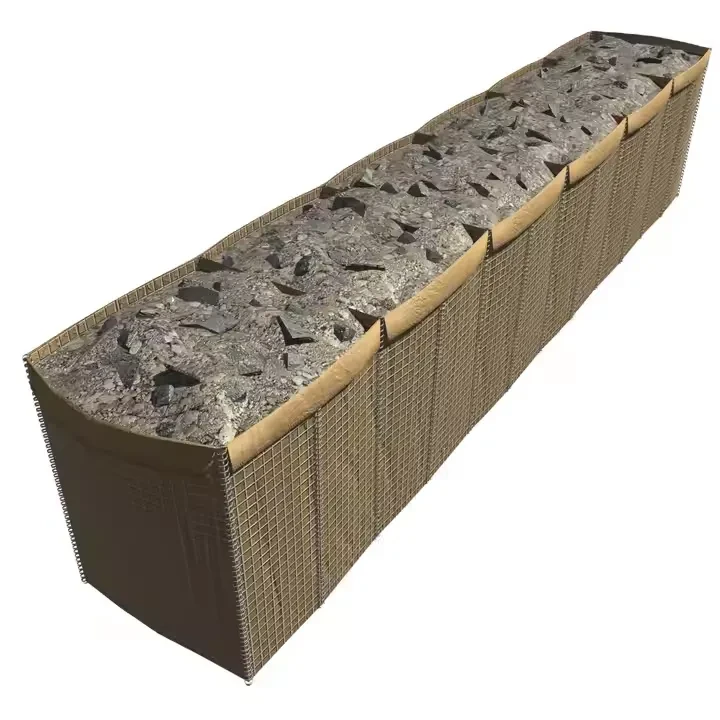
Engineering Resilience with Explosion Proof Defensive Barriers
In an era where industrial safety and national security are increasingly intertwined, the necessity for specialized protection in volatile environments has never been higher.


 English
  Albanian
  Arabic
  Bengali
  Czech
Czech  Danish
  Dutch
Dutch  Finnish
  French
  German
  Japanese
  Malay
Malay  Persian
  Polish
  Portuguese
  Romanian
  Russian
  Serbian
  Spanish
  Swahili