





Hebei Jinjiu Metal Products Co.,Ltd



Comprehensive Guide on Warfare Tank Barrier Wire Mesh: Specifications, Applications, and Future Trends
Dec . 02, 2025 15:20
Understanding Warfare Tank Barrier Wire Mesh: A Essential Modern Defense Component
If you’ve ever come across fortified military zones or even read up on modern conflict mitigation infrastructure, you might have stumbled upon warfare tank barrier wire mesh. It sounds technical—and it is—but at the same time, it’s a fascinating intersection of material science, engineering, and strategic defense. Why does it matter globally? Because it supports crucial efforts in protecting both military assets and civilian lives from armored threats, and also helps shape how modern warfare and peacekeeping tactics unfold worldwide.
Today, understanding these barrier systems offers clear benefits: enhanced durability under stress, rapid deployment in conflict zones, and an adaptable defense line that speaks volumes about current geopolitical stability efforts. Essentially, warfare tank barrier wire mesh is more than just metal fencing. It’s a frontline guardian built to withstand one of the heaviest threats—armored tanks—and that’s no small feat.
Introduction: The Global Context of Warfare Tank Barrier Wire Mesh
Globally, military conflicts and territorial disputes remain complex, evolving challenges. According to the United Nations, approximately 1.5 billion people live in conflict-affected zones, and armored vehicles play a pivotal role in modern warfare strategies (1). This means efficient tank barriers are more relevant than ever, not just for hardened military installations but increasingly for securing borders, protecting strategic assets, and supporting peacekeeping forces.
Oddly enough, while military budgets can be exorbitant, there’s often more demand than supply when it comes to specialized defense components like tank barrier wire mesh. Additionally, the rise in asymmetric warfare—where lightly armed insurgents face heavily equipped forces—calls for quick, reliable solutions to slow down or block tank advances. The challenge is clear: how to create tank barriers that are strong, cost-effective, and scalable for diverse environments?
What is Warfare Tank Barrier Wire Mesh?
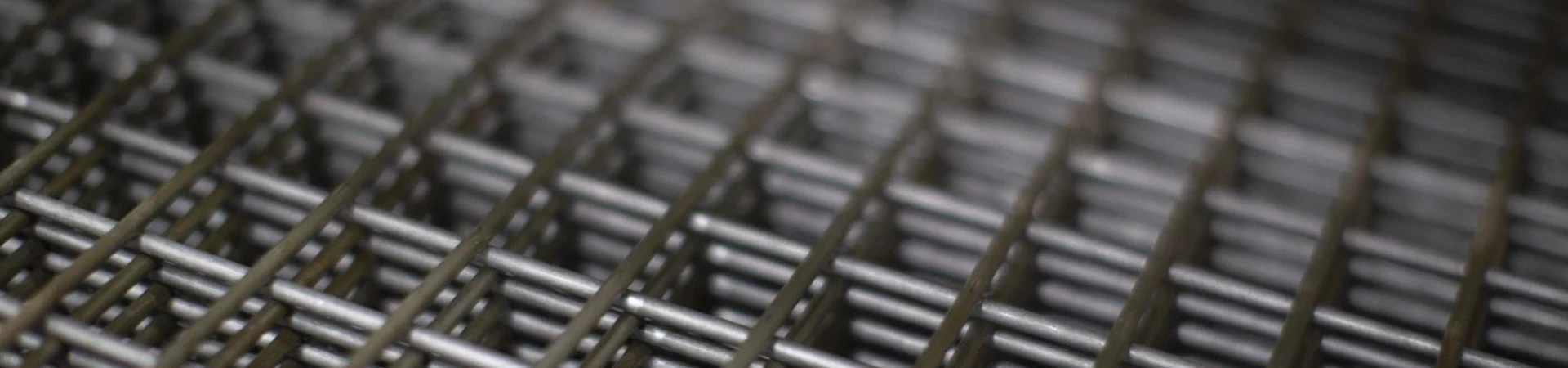
Put simply, warfare tank barrier wire mesh is a woven or welded metal mesh designed specifically to resist the force and pressure exerted by military tanks and other armored vehicles. These meshes are integrated into barriers—usually combined with earthworks, concrete blocks, or other reinforcements—to delay or prevent tank infiltration.
While they sound like mere fences, their industrial-strength wire composition, often galvanized or coated for corrosion resistance, sets them apart from typical wire meshes. This kind of mesh owes its relevance not only to defense but also to modern industry applications, including disaster relief zones requiring quick-protective embankments against heavy machinery, or even environmental setups where vehicle prevention is crucial.
Key Components of Effective Warfare Tank Barrier Wire Mesh
1. Durability
Durability is the rock star here. The wire mesh must withstand tremendous force, weather extremes, and potential chemical or explosive exposure. Usually made of galvanized steel or stainless steel, these meshes resist oxidation and corrosion, ensuring they remain effective in the long haul.
2. Scalability and Modularity
Modern conflict zones are unpredictable. That’s why tank barrier wire meshes are designed to be scalable—easy to extend or rearrange depending on evolving needs. Modularity is key. You can quickly deploy additional mesh panels or adjust layouts without starting from scratch.
3. Cost Efficiency
Military logistics budgets are tight, as many engineers have told me over the years. Choosing a wire mesh system that balances cost against performance—without compromising safety—is vital. Galvanized wire mesh tends to be more affordable while providing decent longevity in mild environments.
4. Ease of Deployment
Sometimes, speed is the name of the game. Whether in active combat zones or sudden border disputes, the capacity to deploy barriers quickly means lives and resources are potentially saved. Many wire meshes come in portable rolls or prefabricated panels for rapid installation.
5. Integration with Other Systems
These meshes rarely work alone. They’re often combined with concrete blocks, earth berms, or electronic detection systems—creating multilayered protection that’s hard to bypass.
Product Specifications: Typical Warfare Tank Barrier Wire Mesh
| Specification | Description |
|---|---|
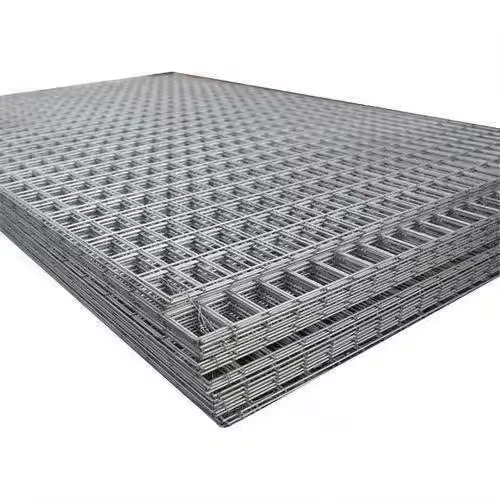
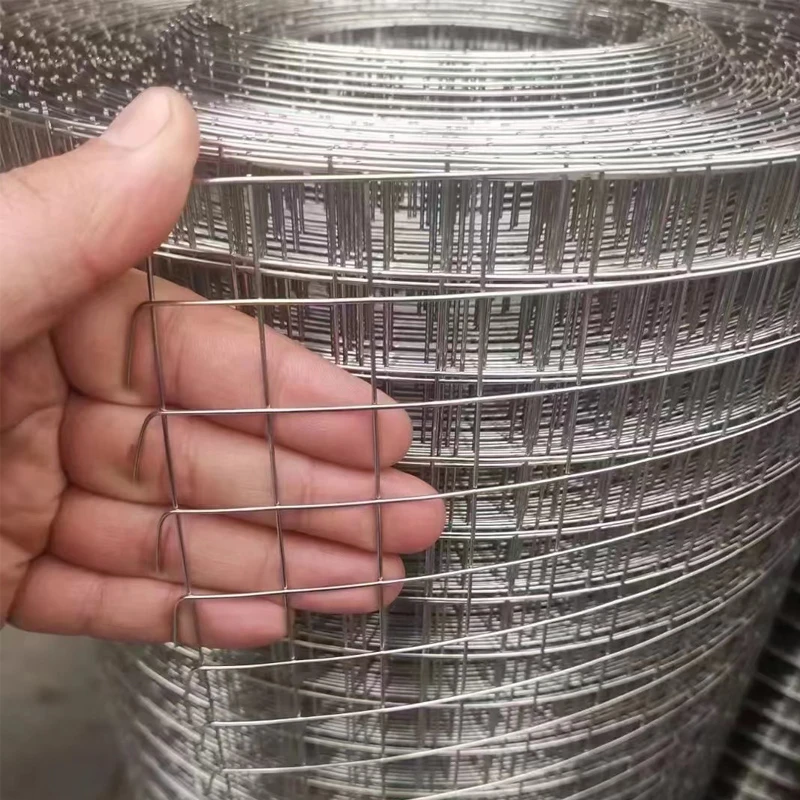
| Material | Galvanized Steel Wire (Ø4-6 mm) |
| Mesh Size | 50 x 50 mm or customized |
| Coating | Hot-dip galvanization & optional PVC coating |
| Panel Dimensions | 2m x 2.5m (standard), customizable |
| Weight | Approx. 12-15 kg per panel |
| Tensile Strength | Minimum 500 MPa |
Global Applications & Use Cases
Most notably, warfare tank barrier wire mesh is used by armed forces worldwide, especially in hotspots such as the Middle East, Eastern Europe, and certain parts of Africa. Beyond traditional military bases, peacekeeping organizations have incorporated these barriers to safeguard civilian zones against tank intrusions during volatile situations.
In post-disaster relief operations, for example, these meshes help form quick, secure perimeters around logistical hubs, deterring unauthorized heavy vehicle access that could damage fragile infrastructure. Remote industrial zones—where valuable assets are vulnerable—also leverage such barriers to prevent theft or sabotage by heavy machinery. The versatility is impressive.
Vendor Comparison: Popular Warfare Tank Barrier Wire Mesh Providers
| Vendor | Price per Panel | Lead Time | Customization Options | Warranty |
|---|---|---|---|---|
| Jinjiu Wire Mesh | $$$ | 2-4 weeks | Yes, various sizes and coatings | 5 years |
| Defender Defense Supplies | $$$$ | 4-6 weeks | High customization, add-on systems | 7 years |
| QuickSecure Solutions | $$ | 1-3 weeks | Limited customization | 3 years |
Advantages and Long-Term Value
The benefits of investing in warfare tank barrier wire mesh extend beyond immediate defense. Cost-wise, these barriers reduce the need for constant manpower by acting as persistent physical deterrents. Socially, they safeguard civilians—helping prevent conflict spillovers.
On an emotional level, there’s a sense of security that comes with having a reliable defense system—something many military strategists and frontline workers mention without prompting. Innovation in materials and design promotes sustainability as well, especially when corrosion-resistant coatings allow for longer-term deployment without replacement.
Future Trends & Innovations
Looking ahead, it seems the sector is moving towards integrating smart sensors within meshes to detect and report intrusions instantly. Green energy solutions (solar-powered lighting and sensors) for barrier systems are also gaining traction, aligning with global sustainability goals.
Automation in deployment—think drones assisting in installing or repairing wire mesh—could revolutionize how quickly tank barriers go up during crises. There’s also ongoing research into advanced composite wires that might combine durability with lighter weights.
Challenges & Practical Solutions
That said, challenges remain. Heavy wire meshes can be bulky and require transport logistics. Also, in extreme environments (like deserts or coastal zones), corrosion even of galvanized wire can accelerate.
However, experts suggest regular maintenance schedules combined with modular replacement panels ease upkeep. Emerging coatings like fluoropolymer layers also promise extended resistance. In terms of costs, shared procurement among allied forces can help amortize expenses.
FAQ: Frequently Asked Questions About Warfare Tank Barrier Wire Mesh
- Q: How quickly can warfare tank barrier wire mesh be deployed in an emergency?
A: Typically, deployment can range from a few hours to a couple of days depending on scale and terrain. Prefabricated panels and roll-out mesh bundles speed up the process significantly. - Q: What maintenance is required to ensure longevity?
A: Regular inspection for corrosion or structural damage is key. Cleaning, re-galvanization of exposed areas, and replacing compromised sections monthly or quarterly are standard practices. - Q: Can these meshes be customized for different threat levels?
A: Yes, mesh thickness, wire gauge, and panel size can be altered to meet specific threat assessments or environmental conditions. - Q: Are these barriers effective against all types of armored vehicles?
A: While highly effective against most tanks, the performance varies with vehicle weight and speed. Barriers are most effective when combined with earthworks or concrete.
Conclusion: Securing the Future with Warfare Tank Barrier Wire Mesh
Overall, warfare tank barrier wire mesh stands as a testament to how engineering adapts to evolving defense needs. Its global relevance is undeniable—from military installations in conflict zones to industrial and humanitarian operations that require rugged, reliable protection.
If you’re seeking a balance of durability, scalability, and cost-effectiveness, these meshes are solutions worth exploring—and frankly, I recommend checking out detailed specs and offerings at Jinjiu Wire Mesh for a start. Because in terms of protecting people and assets, foresight with the right materials can make all the difference.
Mini takeaway: Warfare tank barrier wire mesh is not just a product—it’s a strategic asset that blends material science with real-world defense needs, evolving constantly with technological and geopolitical shifts.

Related Products

Related News


2026-03-16 14:21:07
Discover durable farming solutions and flexible animal containment with hinge-knot field fence. Combining impact-resistant design and customizable options, Hebei Jinjiu ensures quality for agricultural applications. Explore now: https://www.jinjiuwiremesh.com/field-fencefarm-fence.html
2026-03-16 14:21:07
Discover durable farming solutions and flexible animal containment with hinge-knot field fence. Combining impact-resistant design and customizable options, Hebei Jinjiu ensures quality for agricultural applications. Explore now: https://www.jinjiuwiremesh.com/field-fencefarm-fence.html
2027-04-14 00:00:00
Discover durable farming solutions and flexible animal containment with hinge-knot field fence. Combining impact-resistant design and customizable options, Hebei Jinjiu ensures quality for agricultural applications. Explore now: https://www.jinjiuwiremesh.com/field-fencefarm-fence.html
2026-02-25 15:31:06
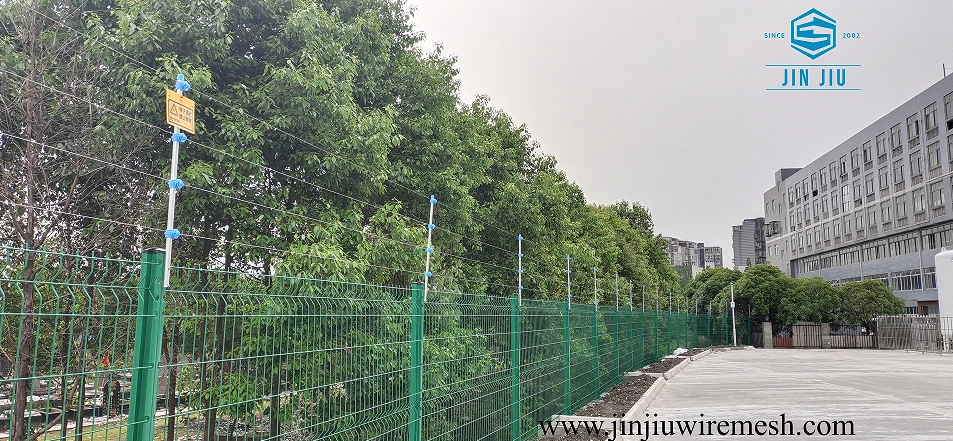
The Strategic Role of the Industrial Electric Fence in Modern Commerce
The protection of corporate and manufacturing assets has transitioned from a matter of simple boundary marking to a complex necessity of risk management.
2026-02-25 15:29:03
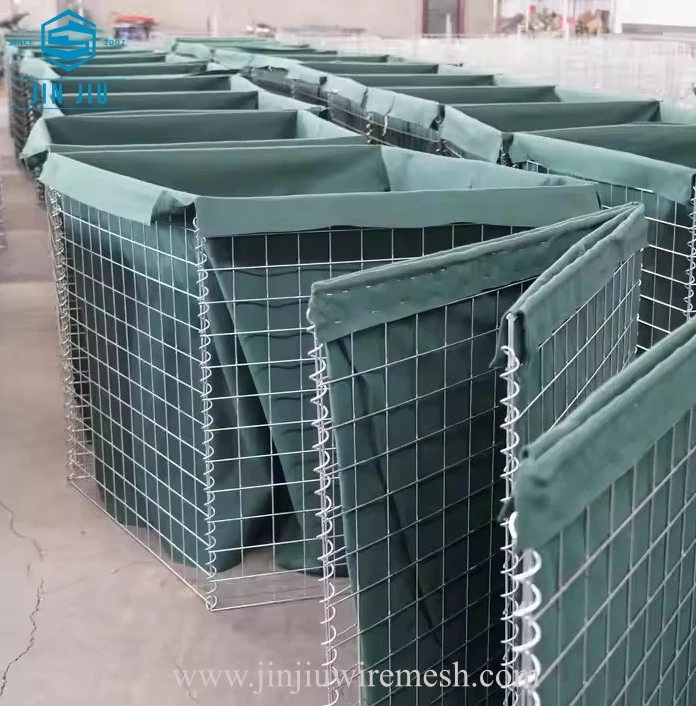
The Evolution of Physical Protection: Bullet Resistant Defensive Barriers in Modern Security
In an increasingly unpredictable global landscape, the requirement for high-level ballistic protection has moved beyond the battlefield and into the core of civilian and industrial security infrastructure.
2026-02-25 15:26:58
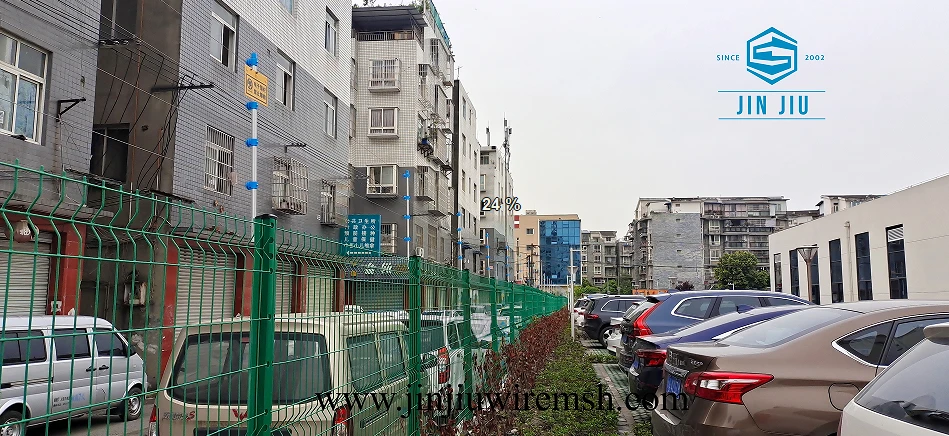
The Digital Backbone of Modern Security: Connected Pulse Monitoring Electric Fence Architecture
The traditional concept of a perimeter has undergone a fundamental transformation.
2026-02-25 15:24:13
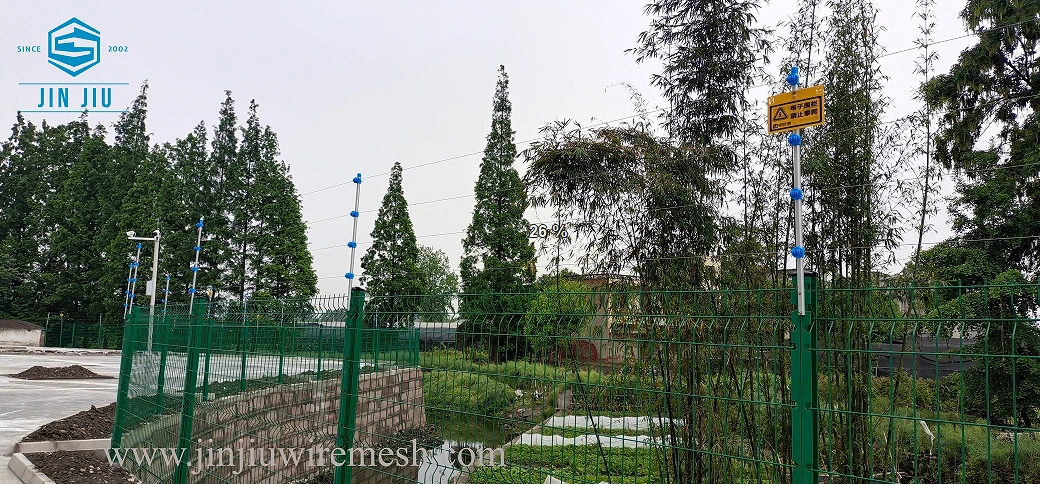
Securing the Unreachable with a Powerful Pulse Electric Fence
In the realm of global security, the distinction between a standard boundary and a high-security perimeter is often defined by the technology pulsing through the wires.
2027-04-14 00:00:00
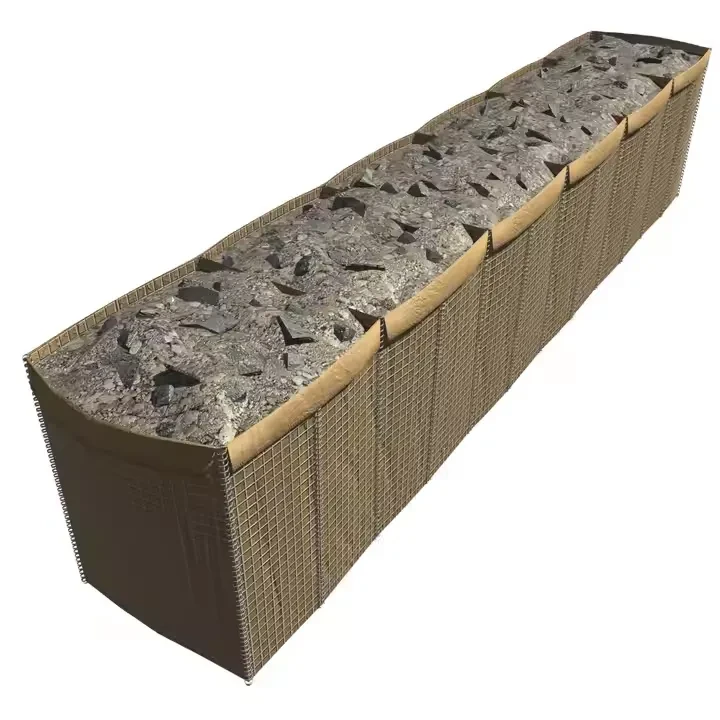
Engineering Resilience with Explosion Proof Defensive Barriers
In an era where industrial safety and national security are increasingly intertwined, the necessity for specialized protection in volatile environments has never been higher.


 English
  Albanian
  Arabic
  Bengali
  Czech
Czech  Danish
  Dutch
Dutch  Finnish
  French
  German
  Japanese
  Malay
Malay  Persian
  Polish
  Portuguese
  Romanian
  Russian
  Serbian
  Spanish
  Swahili