





Hebei Jinjiu Metal Products Co.,Ltd



Comprehensive Guide to Anti Tank Mesh Barriers – Deployment, Benefits, and Innovations
Nov . 18, 2025 14:30
Understanding Anti Tank Mesh Barriers: A Global Defense Essential
If you’ve ever been curious about how nations protect critical infrastructure and troop movements against armored vehicles, you’ve stumbled upon the realm of anti tank mesh barriers. As geopolitical tensions ebb and flow, these seemingly modest mesh barriers quietly form the frontline in defensive strategy worldwide. They matter not only for national security but also for humanitarian and peacekeeping operations– circumstances where control over armored vehicle access is crucial. Getting familiar with these barriers reveals benefits ranging from rapid deployment to cost-effective defense—especially important in areas prone to conflict or unrest.
Global Context: Why Anti Tank Mesh Barriers Are More Relevant Than Ever
It’s fair to say that global military expenditures, which according to the Stockholm International Peace Research Institute (SIPRI) topped $2 trillion in 2023, have driven technological innovation across defense sectors. Defensive structures like anti tank mesh barriers stand as affordable yet robust solutions against increasingly mobile armored threats. Modern warfare is not just about tanks and artillery anymore; it’s about flexibility, speed, and cost-efficiency.
Anti tank mesh barriers address a core problem: how do you quickly and effectively stop or slow down armored vehicles in diverse environments—from rugged borders to sensitive urban zones? With mounting NATO and UN peacekeeping operations worldwide, including vehicle checkpoint controls in places like Eastern Europe and parts of the Middle East, these barriers are becoming a mainstay. Plus, as reported by the United Nations Office for Disarmament Affairs (UNODA), such physical barriers support conflict de-escalation by creating controlled zones.
What Are Anti Tank Mesh Barriers in Simple Terms?
Put plainly, an anti tank mesh barrier is a heavy-duty steel or composite mesh fence, typically reinforced and anchored, designed to prevent or obstruct the passage of tanks and armored vehicles. Unlike concrete walls or bulky barricades, these mesh barriers combine high tensile strength with relatively light weight and portability, allowing for rapid assembly or relocation.
They’re effective because their mesh structure disrupts the ground pressure distribution of tracked or wheeled vehicles, causing immobilization or at least delay. You’ll find them deployed in military bases, industrial perimeters, humanitarian corridors, and even post-conflict reconstruction zones—regions where controlling heavy vehicle access supports stability and safety.
Core Components of Effective Anti Tank Mesh Barriers
1. Durability and Material Strength
Typically constructed from galvanized steel or advanced composites, these barriers resist corrosion, impact, and extreme weather. High tensile steel wire mesh, often double or triple twisted, ensures the barrier won’t snap under pressure or repeated attempts to breach it.
2. Scalability and Modularity
Modern anti tank mesh barriers are designed to link easily together. Panels can be added or removed depending on threat level or terrain size, allowing for flexible deployment across open battlefields or urban checkpoints alike.
3. Rapid Deployment
Time matters in conflict zones. These barriers typically fold or roll up compactly — some weigh under 50 kg per panel — letting engineers erect secure perimeters in hours rather than days.
4. Cost Efficiency
Compared to permanent fortifications like concrete walls or earth berms, mesh barriers are cost-effective as they require less groundwork and material volume but still provide strong anti-vehicular defense.
5. Environmental Considerations
Some newer designs use recycled steel and eco-coatings to minimize environmental impact during and after military operations.
Mini summary: The combination of strength, flexibility, speed, cost, and sustainability makes anti tank mesh barriers a versatile and dependable defense choice.
Real-World Applications of Anti Tank Mesh Barriers
Around the globe, anti tank mesh barriers are applied extensively – from frontline conflict zones to industrial protection. In Eastern Europe, military forces utilize these barriers in border control and checkpoint enforcement to regulate armored vehicle movement. Meanwhile, NGOs deploying aid convoys in fragile post-conflict territories use them to secure humanitarian corridors from unauthorized military incursions.
In the Middle East, construction companies working alongside peacekeeping forces install these barriers around power plants and water treatment facilities, protecting key infrastructure from sabotage. In remote mining zones in Africa or South America, these barriers help control access to industrial sites, balancing safety with environmental responsibility.
| Feature | Description | Typical Range |
|---|---|---|
| Material Composition | Galvanized Steel Wire Mesh / Composite | Steel grade 70/80; 3-5 mm wire thickness |
| Panel Dimensions | Height x Width | 1.2 m × 2.0 m (typical) |
| Weight per Panel | Light enough to transport manually | 45–65 kg |
| Anchoring System | Ground spikes, concrete footings, or vehicle mounts | Customizable per installation |
| Resistance Rating | Tested impact and penetration thresholds | Designed to withstand attacks from vehicles up to 60 tons |
Advantages and Lasting Value of Anti Tank Mesh Barriers
For many defense experts and engineers, the biggest upside of these barriers is their combination of reliability and adaptability. They dramatically reduce risk to personnel by stopping vehicles before threats can get close. This, in turn, helps preserve dignity and safety in volatile areas—something less tangible but deeply important.
Financially, the reduced construction time and low maintenance costs make these barriers a favorite choice for both military and commercial clients. I suppose it’s this long-term value—balancing cost, efficacy, and impact—that’s earned them a permanent spot in global asset protection plans.
The Future: Innovations and Trends Shaping Anti Tank Mesh Barriers
Trends in the field suggest we’ll see more integration of smart materials and IoT-enabled sensors embedded within mesh barriers. These can detect tampering or heavy vehicle approaches and relay real-time data to command centers. There’s growing interest in carbon fiber composites that could reduce weight further without sacrificing strength. Sustainability standards from ISO 14001 and green procurement policies are compelling manufacturers to innovate with recycled or low-impact materials.
Challenges and How Industry Is Responding
One persistent challenge is balancing portability with structural integrity—making barriers light enough for quick deployment but tough enough to halt modern armored threats. Engineering teams are experimenting with modular fasteners and hybrid materials to address this.
Another issue is installation terrain. Rocky or uneven ground can complicate anchoring, so adjustable support systems have become invaluable. The best suppliers offer customizable solutions tailored to client landscapes, which is something worth knowing if you’re sourcing these.
| Vendor | Material Quality | Deployment Speed | Customization Options | Global Reach |
|---|---|---|---|---|
| Jinjiu Wire Mesh | High-grade galvanized steel | 24-48 hours typical | Panel size, coatings, anchoring custom | Worldwide (including Europe, Asia, Africa) |
| FortDef Solutions | Premium composites | 72 hours typical | Standard panels, limited modularity | European markets |
| BarrierTech Corp. | Standard steel mesh | 48 hours typical | Customization on request | North America and Asia |
Frequently Asked Questions About Anti Tank Mesh Barriers
Q: How quickly can anti tank mesh barriers be deployed in an emergency?
A: Typically, modular designs allow deployment within 24 to 72 hours depending on team size and site conditions. Vendors like Jinjiu Wire Mesh often guarantee next-day shipping with step-by-step assembly guides for rapid setup.
Q: What kind of terrain can these mesh barriers be used on?
A: Most barriers are designed with adjustable anchoring systems to accommodate rocky, sandy, or uneven ground. For highly irregular terrain, customized footings or vehicle mounts may be necessary.
Q: Are these barriers reusable or disposable after battlefield use?
A: With proper maintenance, anti tank mesh panels are reusable multiple times. Galvanized coatings prevent rust, and damaged sections can often be swapped out individually, reducing overall cost.
Q: Can these barriers withstand current-generation main battle tanks?
A: While they won’t stop the heaviest armored assault vehicles indefinitely, the barriers excel in slowing or redirecting tanks, buying critical time for defense or evacuation procedures.
Q: How do organizations typically import these barriers internationally?
A: Suppliers like Jinjiu Wire Mesh have global logistics partnerships and handle customs clearances. NGOs or government agencies usually arrange bulk orders through direct vendor contact or authorized distributors.
Wrapping Up: Why Anti Tank Mesh Barriers Still Matter
When you consider their balance of portability, strength, and cost, it becomes clear how anti tank mesh barriers are a lynchpin in modern conflict management and industrial security. Whether for preventing escalation, safeguarding humanitarian corridors, or protecting vital infrastructure, their role is quietly indispensable.
If you’re involved in security planning, humanitarian engineering, or industrial site protection, exploring these barriers is definitely worth your time.
Interested in learning more or sourcing high-quality anti tank mesh barriers? Visit our website today.
Mini takeaway: As conflicts and security scenarios evolve, the humble but mighty anti tank mesh barrier continues to provide practical, scalable defense that feels both timeless and innovative.
References
- Stockholm International Peace Research Institute
- United Nations Office for Disarmament Affairs
- Wikipedia - Defensive Wall

Related Products

Related News


2026-03-16 14:21:07
Discover durable farming solutions and flexible animal containment with hinge-knot field fence. Combining impact-resistant design and customizable options, Hebei Jinjiu ensures quality for agricultural applications. Explore now: https://www.jinjiuwiremesh.com/field-fencefarm-fence.html
2026-03-16 14:21:07
Discover durable farming solutions and flexible animal containment with hinge-knot field fence. Combining impact-resistant design and customizable options, Hebei Jinjiu ensures quality for agricultural applications. Explore now: https://www.jinjiuwiremesh.com/field-fencefarm-fence.html
2027-04-14 00:00:00
Discover durable farming solutions and flexible animal containment with hinge-knot field fence. Combining impact-resistant design and customizable options, Hebei Jinjiu ensures quality for agricultural applications. Explore now: https://www.jinjiuwiremesh.com/field-fencefarm-fence.html
2026-02-25 15:31:06
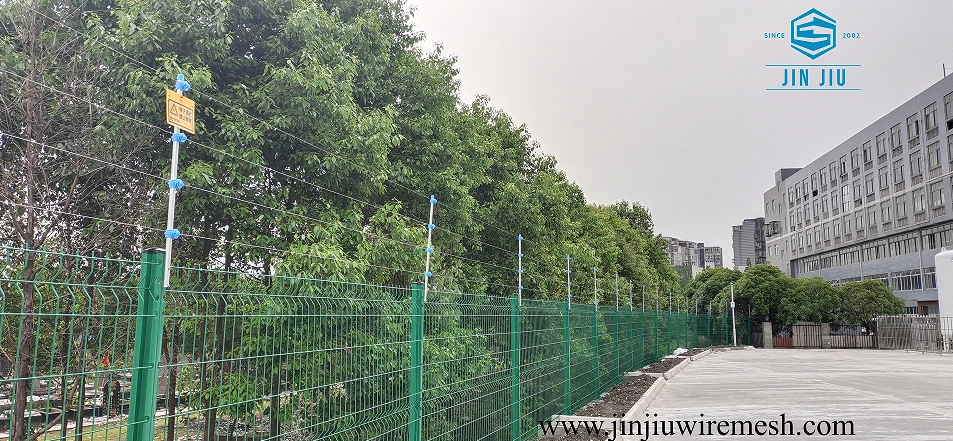
The Strategic Role of the Industrial Electric Fence in Modern Commerce
The protection of corporate and manufacturing assets has transitioned from a matter of simple boundary marking to a complex necessity of risk management.
2026-02-25 15:29:03
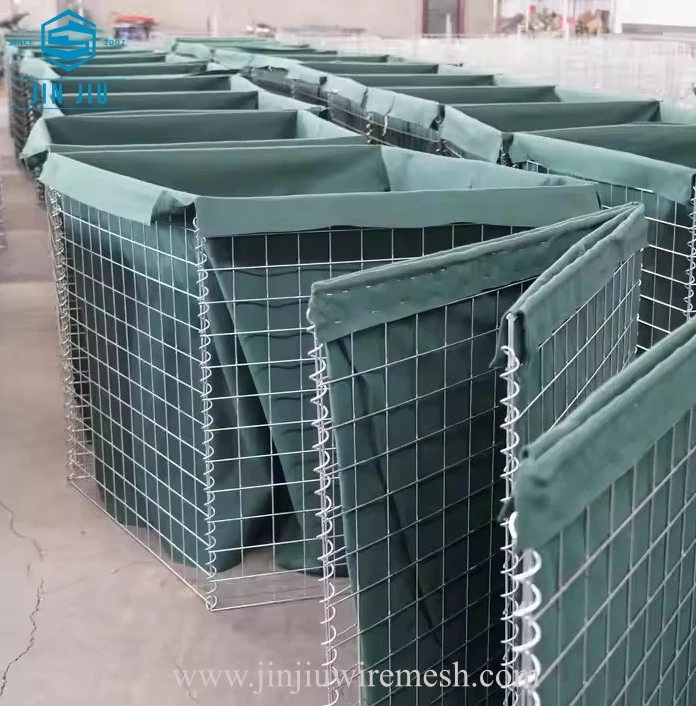
The Evolution of Physical Protection: Bullet Resistant Defensive Barriers in Modern Security
In an increasingly unpredictable global landscape, the requirement for high-level ballistic protection has moved beyond the battlefield and into the core of civilian and industrial security infrastructure.
2026-02-25 15:26:58
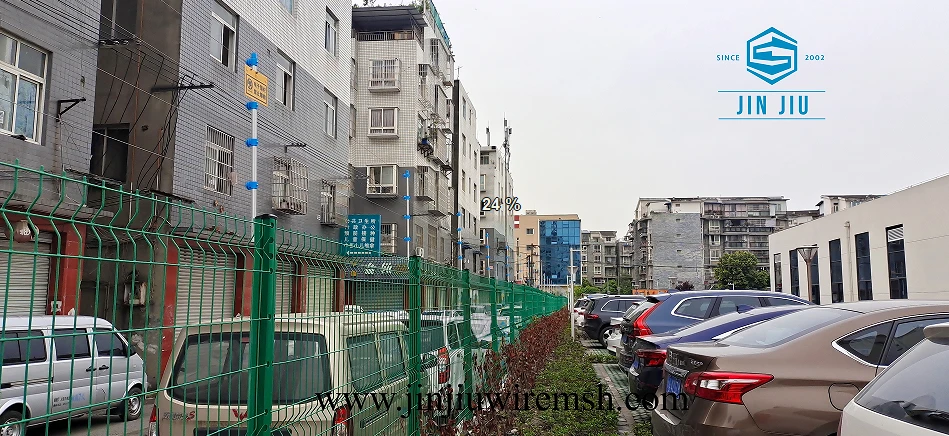
The Digital Backbone of Modern Security: Connected Pulse Monitoring Electric Fence Architecture
The traditional concept of a perimeter has undergone a fundamental transformation.
2026-02-25 15:24:13
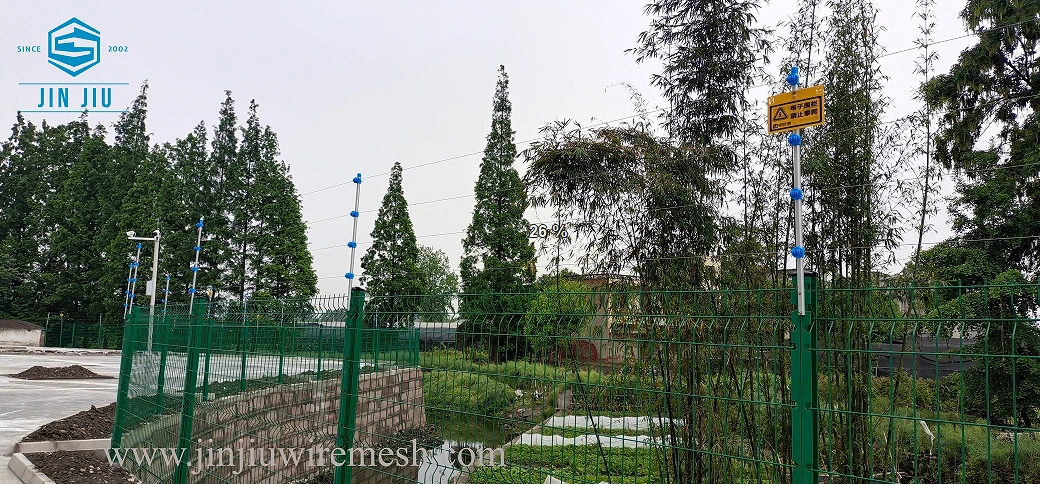
Securing the Unreachable with a Powerful Pulse Electric Fence
In the realm of global security, the distinction between a standard boundary and a high-security perimeter is often defined by the technology pulsing through the wires.
2027-04-14 00:00:00
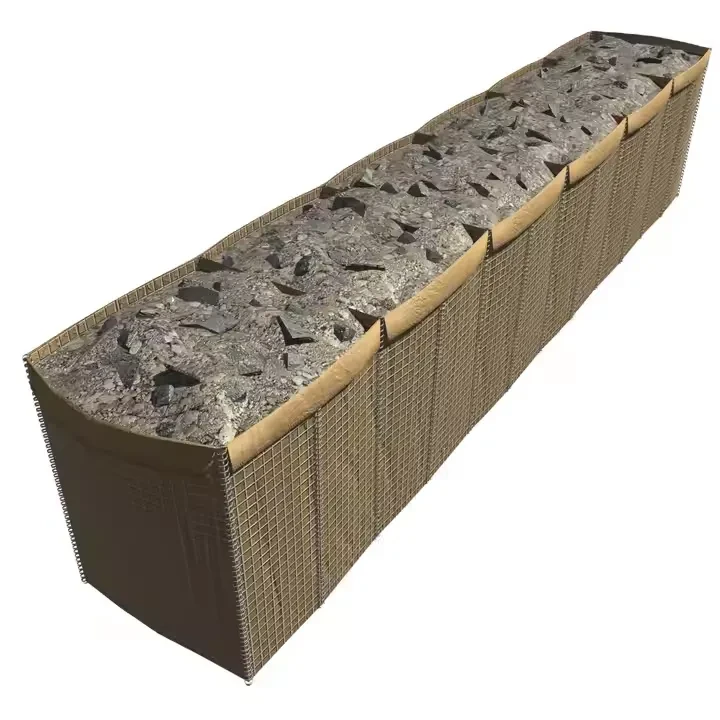
Engineering Resilience with Explosion Proof Defensive Barriers
In an era where industrial safety and national security are increasingly intertwined, the necessity for specialized protection in volatile environments has never been higher.


 English
  Albanian
  Arabic
  Bengali
  Czech
Czech  Danish
  Dutch
Dutch  Finnish
  French
  German
  Japanese
  Malay
Malay  Persian
  Polish
  Portuguese
  Romanian
  Russian
  Serbian
  Spanish
  Swahili