





Hebei Jinjiu Metal Products Co.,Ltd




Comprehensive Guide to Anti-Tank Security Barrier – Design, Benefits & Future Trends
Dec . 04, 2025 11:15
Understanding the Anti-Tank Security Barrier: A Crucial Defense Asset
When we hear the term anti-tank security barrier, it might sound like military jargon reserved for battlefields far away. Yet, these formidable structures matter a great deal globally—not just in warfare but also in safeguarding critical infrastructure, borders, and civilian areas that face escalating risks from armored vehicles or aggressive trespassers. Understanding anti-tank barriers sheds light on how nations and industries protect vital assets while adapting to increasingly complex security challenges. Frankly, these barriers blend engineering, materials science, and strategic planning to provide reliable physical defense.
Global Context: Why the Anti-Tank Security Barrier Matters Now
In a world marked by shifting geopolitical tensions and rapid technological advancements, there's never been a greater emphasis on securing borders and sensitive zones. According to the United Nations Office for Disarmament Affairs, armored vehicles remain core components in modern armed conflicts, which makes the deployment of robust anti-tank security barriers essential to deter hostile movements. An estimated 60+ countries currently invest heavily in such barriers to protect military convoys, strategic energy facilities, and urban centers near conflict zones. The challenge? Designing solutions that can be quickly deployed, scalable, and resilient across diverse climates and terrains.
Takeaway: Anti-tank barriers are more than static blocks; they're dynamic tools in global security with critical roles beyond direct combat zones.
What Is an Anti-Tank Security Barrier, Really?
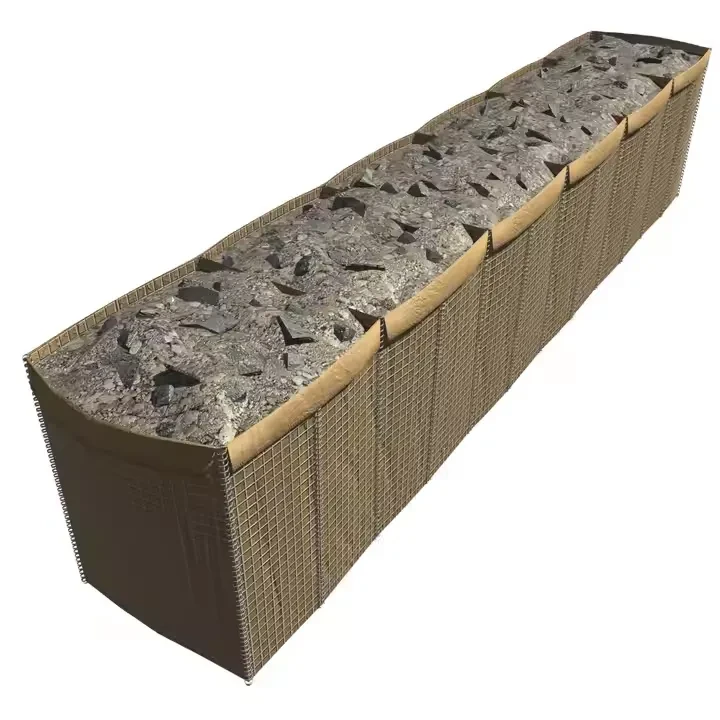
Simply put, an anti-tank security barrier is a physical obstruction designed to prevent or delay the movement of tanks and other armored vehicles. Typically made from reinforced steel, concrete, or wire mesh, these barriers aim to block, slow, or channelize tank movement effectively. They're integral to military bases, government compounds, and even industrial or humanitarian sites that require protection from sudden armored threats.
Oddly enough, these barriers also intersect with humanitarian needs. For example, in conflict-affected regions, protecting relief convoys and civilian shelters sometimes relies on these barriers to keep heavy vehicles from accessing restricted areas.
Core Components of Effective Anti-Tank Barriers
1. Durability
The barrier has to withstand not only the immense force from heavy armored vehicles but also weather extremes—from scorching sun to freezing snow. Manufacturers often use galvanized steel to resist corrosion, paired with high-performance concrete that can endure cracking or chipping.
2. Scalability
Different sites require tailored solutions. A small checkpoint might need modular barriers that can be quickly dismantled and relocated, whereas a permanent border installation demands larger, fixed obstacles. Scalability ensures the barrier fits the operational needs precisely.
3. Cost Efficiency
Given that many governments operate under budget constraints, designing cost-effective barriers without compromising safety is essential. Materials chosen, manufacturing processes, and installation methods all influence costs.
4. Ease of Deployment
In volatile situations, rapid deployment matters. Barriers that can be trucked in and assembled onsite quickly reduce vulnerability windows. This property is particularly prized in field operations and temporary security setups.
Typical Specifications of a Popular Modular Anti-Tank Security Barrier
| Specification | Details |
|---|---|
| Material | Galvanized Steel Mesh with Concrete Infill |
| Dimensions (L×W×H) | 2.5 m × 1.0 m × 1.5 m |
| Weight | Approx. 600 kg per unit |
| Deployment Time | Under 20 minutes per unit |
| Resistance Capacity | Designed to resist assault by main battle tanks up to 70 tons |
Global Applications and Use Cases
Across parts of Europe, Asia, and the Middle East, countries deploy anti-tank security barriers at border zones and military bases to provide layered defenses. Industrial complexes in Africa, where risk from insurgent activity is rising, have also started incorporating these barriers around critical assets like power plants.
In real terms, the humanitarian sector benefits surprisingly too. For instance, in camps located near conflict zones, barriers prevent the intrusion of heavy vehicles that could jeopardize fragile shelters. Additionally, construction sites in remote regions use these barriers to protect valuable equipment from theft or sabotage.
Vendor Comparison: Top Three Anti-Tank Barrier Providers
| Vendor | Material Quality | Deployment Speed | Price Range |
|---|---|---|---|
| DefendTech Inc. | High-grade galvanized steel | Under 15 min per unit | $$$ |
| SecureBarrier Solutions | Reinforced concrete composite | Around 25 min per unit | $$ |
| ArmorGuard | Steel and wire mesh hybrid | 20 min per unit | $$$ |
Advantages and Long-Term Value of Anti-Tank Barriers
What really stands out is not just the immediate tactical benefits but the long-term value these barriers offer:
- Cost Savings: Preventing damage or unauthorized entry saves millions in repairs and losses.
- Sustainability: Many manufacturers now emphasize use of recyclable steel and longer-lasting coatings—helpful for sustainable security infrastructure.
- Social Impact: Communities near protected zones feel safer, which influences economic stability and trusted governance.
On a human level, these barriers can embody trust and the promise of safety in unstable regions. For instance, during a recent field visit, engineers noted how quick deployment boosted troop morale by ensuring rapid responses to threats.
Future Trends and Innovations
The anti-tank barrier sector isn’t static. Innovations like smart sensors integrated into barrier units are coming into play. These can detect impacts or tampering in real-time, sending alerts to security centers. Also, research into lightweight composite materials aims to balance strength with easier portability.
Green-energy-powered smart barriers, which can recharge built-in sensors using solar panels, are under trial in several countries. This digital transformation aligns with global sustainability goals and promises enhanced battlefield or infrastructure resilience.
Challenges in Deployment and How They're Addressed
No solution is without hurdles. One persistent issue is balancing barrier weight versus mobility; too heavy and deployment slows, too light and durability suffers. Some experts suggest modular designs with interlocking parts improve both transportability and strength.
Weathering extremes remains a concern—so ongoing research focuses on innovative coatings and corrosion-resistant metals. Additionally, local terrain often complicates installation; drones and 3D mapping improve site assessment and allow custom design adaptations.
FAQ: Your Questions About Anti-Tank Security Barriers
- Q: How fast can anti-tank security barriers be deployed in emergency scenarios?
A: Modern modular barriers typically deploy within 15-30 minutes per unit, depending on site conditions and crew experience. Rapid deployment is a key design criterion to minimize exposure during setup. - Q: Are these barriers suitable for civilian industrial zones?
A: Yes, many industrial zones use them to secure high-value assets from illegal vehicle entry or vandalism without reliance on active personnel presence. - Q: What maintenance is required to ensure long-term barrier effectiveness?
A: Routine inspections to check for corrosion, settlement shifts, and physical damage are necessary. Some coatings may need reapplication every 5-8 years depending on environment. - Q: Can these systems integrate with digital security infrastructure?
A: Increasingly so. Smart anti-tank barriers include sensors and connectivity for integration into broader security networks for real-time monitoring.
Conclusion: Why Investing in Anti-Tank Security Barriers Is Worth It
To sum it up, anti-tank security barriers are indispensable in today’s security landscape. They combine toughness, adaptability, and emerging tech to protect not only military sites but also civilian and industrial infrastructures. If you're overseeing a facility or border security and want to explore reliable protection options, consider looking into the latest barrier technologies at anti-tank security barrier providers. The right investment now can safeguard assets and people for decades to come.
Oddly enough, what might seem like just a heavy block or fence is really a marvel of engineering and strategic insight. It feels worth appreciating this humble yet hefty gatekeeper of stability.
References

Related Products




Related News


2026-03-16 14:21:07
Discover durable farming solutions and flexible animal containment with hinge-knot field fence. Combining impact-resistant design and customizable options, Hebei Jinjiu ensures quality for agricultural applications. Explore now: https://www.jinjiuwiremesh.com/field-fencefarm-fence.html
2026-03-16 14:21:07
Discover durable farming solutions and flexible animal containment with hinge-knot field fence. Combining impact-resistant design and customizable options, Hebei Jinjiu ensures quality for agricultural applications. Explore now: https://www.jinjiuwiremesh.com/field-fencefarm-fence.html
2027-04-14 00:00:00
Discover durable farming solutions and flexible animal containment with hinge-knot field fence. Combining impact-resistant design and customizable options, Hebei Jinjiu ensures quality for agricultural applications. Explore now: https://www.jinjiuwiremesh.com/field-fencefarm-fence.html
2026-02-25 15:31:06
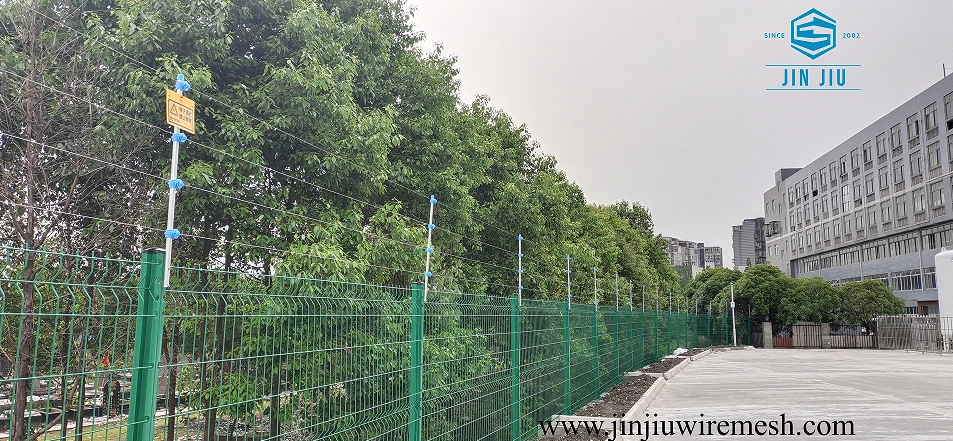
The Strategic Role of the Industrial Electric Fence in Modern Commerce
The protection of corporate and manufacturing assets has transitioned from a matter of simple boundary marking to a complex necessity of risk management.
2026-02-25 15:29:03
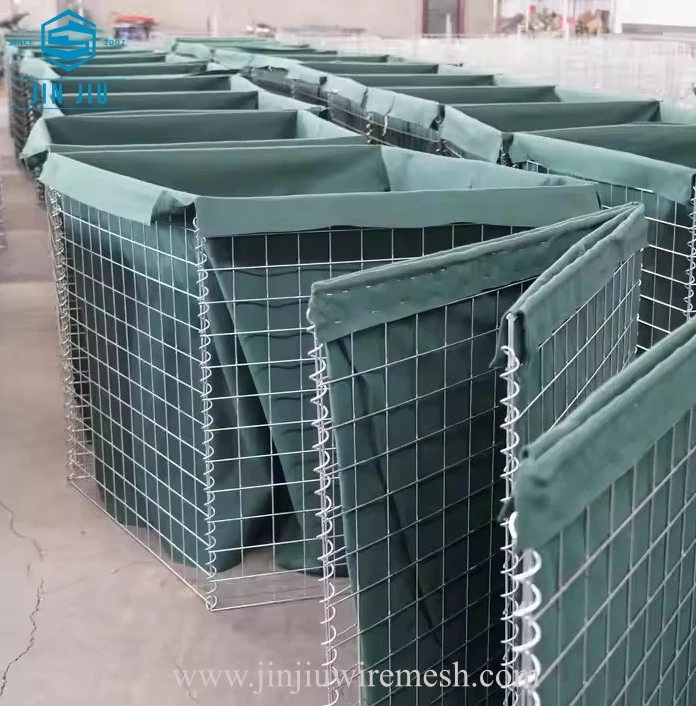
The Evolution of Physical Protection: Bullet Resistant Defensive Barriers in Modern Security
In an increasingly unpredictable global landscape, the requirement for high-level ballistic protection has moved beyond the battlefield and into the core of civilian and industrial security infrastructure.
2026-02-25 15:26:58
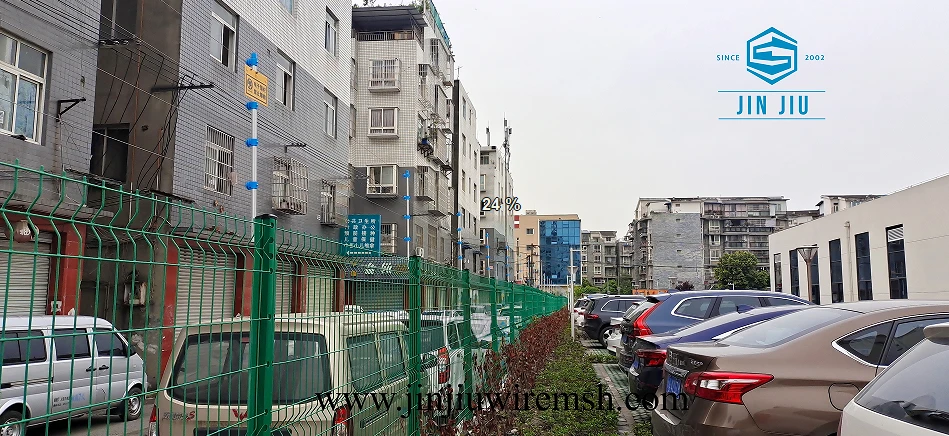
The Digital Backbone of Modern Security: Connected Pulse Monitoring Electric Fence Architecture
The traditional concept of a perimeter has undergone a fundamental transformation.
2026-02-25 15:24:13
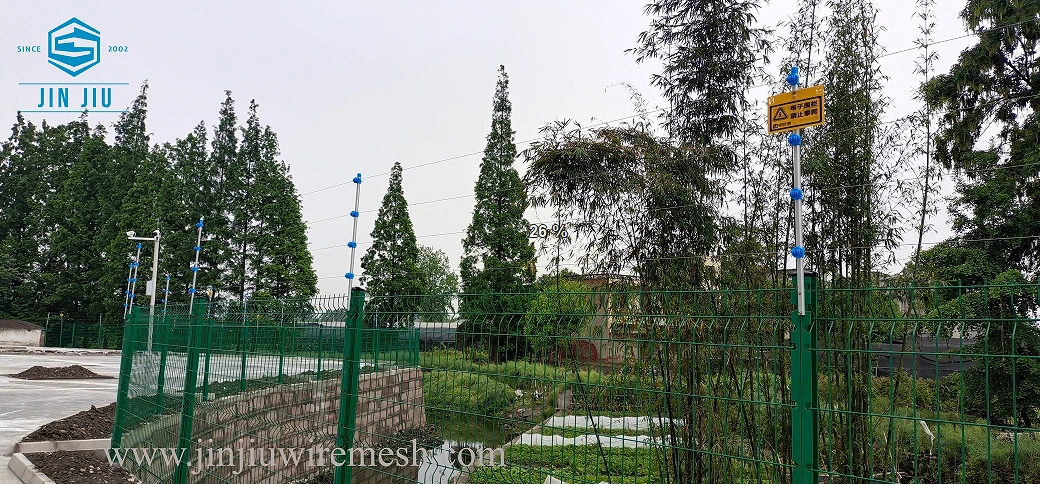
Securing the Unreachable with a Powerful Pulse Electric Fence
In the realm of global security, the distinction between a standard boundary and a high-security perimeter is often defined by the technology pulsing through the wires.
2027-04-14 00:00:00
Engineering Resilience with Explosion Proof Defensive Barriers
In an era where industrial safety and national security are increasingly intertwined, the necessity for specialized protection in volatile environments has never been higher.


 English
  Albanian
  Arabic
  Bengali
  Czech
Czech  Danish
  Dutch
Dutch  Finnish
  French
  German
  Japanese
  Malay
Malay  Persian
  Polish
  Portuguese
  Romanian
  Russian
  Serbian
  Spanish
  Swahili