





Hebei Jinjiu Metal Products Co.,Ltd


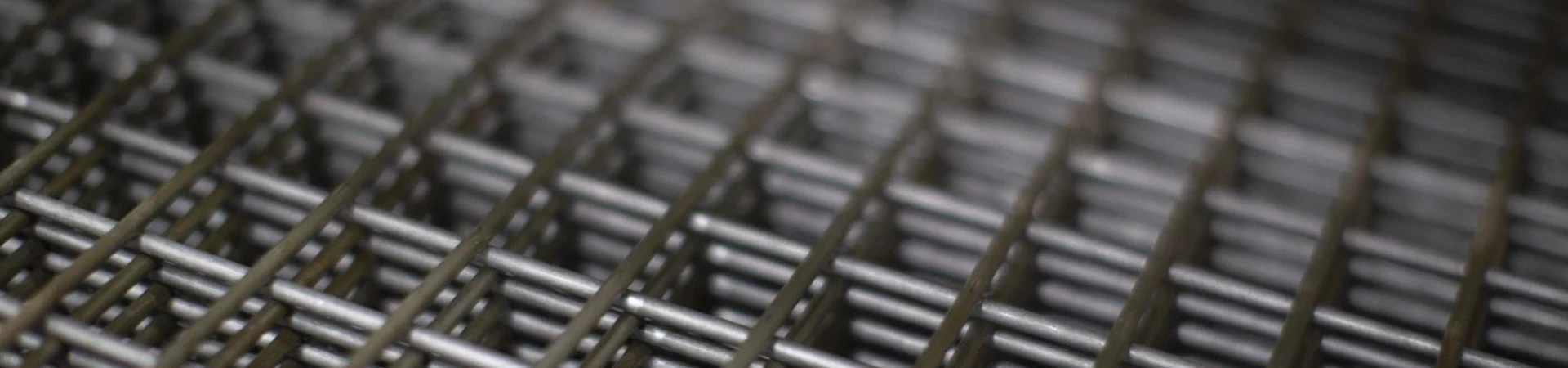

Comprehensive Guide to Inconspicuous Security Obstacle Wire: Safety Meets Subtlety
Dec . 02, 2025 01:20
Inconspicuous Security Obstacle Wire: A Modern Blend of Safety and Subtlety
When we talk about security in both urban and rural settings, the concept of inconspicuous security obstacle wire might not be the first thing that comes to mind. Yet, this relatively low-profile technology is shaping how we protect properties, sensitive zones, and even humanitarian sites without shouting "security" at every glance. Globally, as populations densify and security concerns evolve, mastering these subtle barriers offers a balance of discretion and deterrence that's crucial in many industries and sectors. Understanding what this wire does and why it matters can improve safety strategies worldwide.
Why This Topic Matters Globally
Security systems aren’t just about fences or cameras anymore; they’re also about blending into environments to not provoke unnecessary fear or unwanted attention. The UN estimates that conflicts and displacement have surged in recent years, increasing the demand for discreet but effective protective measures. Likewise, ISO standards for security materials are rapidly evolving to emphasize durability and environmental sensitivity. This is where inconspicuous security obstacle wire steps in — it offers a humane yet reliable way to protect, without imposing a harsh or threatening visual footprint.
Mini takeaway: Inconspicuous security obstacle wire helps balance security with social acceptance and environmental concerns — a crucial mix globally.
What Is Inconspicuous Security Obstacle Wire?
Simply put, inconspicuous security obstacle wire is a type of fencing or wire barrier designed to be effective as a security measure but visually unobtrusive. Unlike traditional razor or barbed wire, which is very obvious and sometimes even intimidating, this obstacle wire aims to blend into its setting. It often uses slim profiles, muted colors, or innovative weaving techniques to maintain functional barriers for perimeter protection without standing out.
From a practical point of view, these wires serve industries ranging from remote industrial sites needing protection against unauthorized access to refugee camps where a balance of dignity and security is vital. It’s a fine line, but this technology tries to respect that.
Core Components of Inconspicuous Security Obstacle Wire
1. Durability and Material Quality
The wire’s strength is non-negotiable. Typically made from galvanized or stainless steel with weather-resistant coatings, it withstands harsh climates, corrosion, and tampering—critical when used in unpredictable environments.
2. Visual Discretion
Thin gauge wires, sometimes with transparent nylon coatings or earth-tone finishes, help reduce the visual footprint. This makes the wire less intimidating, especially in sensitive humanitarian or urban scenarios.
3. Scalability and Installation Flexibility
The sections and coils are often modular and easy to deploy, meaning installations can scale up or down quickly depending on the site’s needs—a big plus in emergency or temporary situations.
4. Cost Efficiency Over Time
While possibly pricier upfront than traditional barbed wire, their long lifespan and minimal maintenance requirements make them cost-effective in the long run.
5. Safety Compliance
Conforming with international safety standards (e.g., ISO 9001) ensures that these wires provide security without unnecessary risk of injury to people or animals.
Mini takeaway: The technology blends strength, discretion, and adaptability to meet diversified needs.
Global Applications and Use Cases
Oddly enough, one of the most compelling uses is in refugee camps and post-disaster relief zones, where maintaining security must not worsen trauma or restrict movement unduly. Humanitarian NGOs often use these wires to delineate safe zones while respecting cultural and psychological factors.
In industrial contexts, from mining in Australia to energy pipelines in Canada, these wires secure expensive infrastructure without spoiling landscape views or violating environmental policies.
Even in urban neighborhoods, municipal planners use inconspicuous security obstacle wire to subtly discourage trespassing and vandalism while supporting neighborhood aesthetics.
Advantages & Long-Term Value
- Cost Savings: Reduced maintenance and installation costs make them economical.
- Social Impact: By reducing intimidation, they foster community trust and preserve dignity.
- Sustainability: Coated or recycled materials improve environmental footprint.
- Safety: Lower risk of injury compared with razor wire.
- Reliability: Withstand adverse weather and vandalism attempts.
All combined, these factors contribute to systems that don’t just protect property but respect people and ecosystems.
Product Spec Table
| Specification | Details |
|---|---|
| Wire Material | Galvanized steel with PVC coating |
| Diameter | 1.2 mm - 2.0 mm |
| Color Options | Camouflage green, earth brown, transparent |
| Coating Lifespan | 10+ years under normal exposure |
| Operating Temperature | -40°C to +70°C |
Vendor Comparison Table
| Vendor | Product Range | Customization | Price Range | Lead Time |
|---|---|---|---|---|
| Jinjiu Wire Mesh | Extensive (incl. inconspicuous security obstacle wire) | Highly flexible | Competitive | 2-4 weeks |
| SecureTech Solutions | Moderate | Limited | Medium-high | 4-6 weeks |
| Global Wire Corp. | Niche | Standard | Higher-end | 3-5 weeks |
Future Trends & Innovations in Security Wire
The next frontier combines inconspicuous security obstacle wire with smart sensor technologies. Embedded IoT devices could alert site managers to breaches without compromising the wire’s subtle look. Also, advances in bio-based polymers promise greener coatings, aligning well with sustainability directives (think UN SDG 12: Responsible Consumption and Production).
Automation in installation, such as drone-assisted deployment, simplifies creating large barrier systems fast – ideal for disaster zones. Frankly, I think we’re on the cusp of a security wire revolution that’s quieter yet smarter.
Challenges & Solutions
Despite its advantages, inconspicuous security obstacle wire isn’t without hurdles. Maintenance can be tricky if the wire is hard to see, especially in overgrown areas. Some users worry about animal safety or accidental injury too. Experts recommend periodic inspections aided by infrared imaging or motion detection systems to address these concerns. Engaging local communities in monitoring also builds trust and responsiveness.
FAQ: Practical Questions & Answers
- Q: How does inconspicuous security obstacle wire compare to traditional barbed wire in durability?
A: It typically matches or exceeds the durability of traditional barbed wire, especially when galvanized and coated properly. The main difference is in aesthetics and safety rather than strength. - Q: Can these wires be installed quickly in emergency situations?
A: Yes, many systems come in modular coils that are lightweight and easy to deploy, making them suitable for rapid installation in relief efforts or temporary sites. - Q: Are these wires environmentally friendly?
A: Increasingly so. Many vendors use recyclable metals and eco-friendly coatings, and innovations focus on reducing environmental impact while maintaining performance. - Q: Will inconspicuous security obstacle wire deter intruders effectively?
A: While less visually intimidating, they are designed to provide a strong physical barrier, often combined with surveillance or alarms for better security. - Q: Where can I purchase quality inconspicuous security obstacle wire?
A: Reputable manufacturers like Jinjiu Wire Mesh specialize in this product and offer customization and global shipping options.
Conclusion: Why Choose Inconspicuous Security Obstacle Wire?
To wrap things up, this technology provides a thoughtful answer to modern security challenges — balancing protection with subtlety, safety, and sustainability. If you’re looking for secure fencing solutions that respect both people and the environment, inconspicuous security obstacle wire is worth serious consideration.
For more details or to explore customized options, please visit our website.
Sometimes the best security is the one you hardly notice — that’s the quiet power of inconspicuous security obstacle wire.
References:
1. United Nations High Commissioner for Refugees (UNHCR) reports on camp safety and infrastructure.
2. ISO 9001 Quality Management Standards – International Organization for Standardization.
3. UN Sustainable Development Goals, goal 12 on Responsible Consumption and Production.

Related Products


Related News


2026-03-16 14:21:07
Discover durable farming solutions and flexible animal containment with hinge-knot field fence. Combining impact-resistant design and customizable options, Hebei Jinjiu ensures quality for agricultural applications. Explore now: https://www.jinjiuwiremesh.com/field-fencefarm-fence.html
2026-03-16 14:21:07
Discover durable farming solutions and flexible animal containment with hinge-knot field fence. Combining impact-resistant design and customizable options, Hebei Jinjiu ensures quality for agricultural applications. Explore now: https://www.jinjiuwiremesh.com/field-fencefarm-fence.html
2027-04-14 00:00:00
Discover durable farming solutions and flexible animal containment with hinge-knot field fence. Combining impact-resistant design and customizable options, Hebei Jinjiu ensures quality for agricultural applications. Explore now: https://www.jinjiuwiremesh.com/field-fencefarm-fence.html
2026-02-25 15:31:06
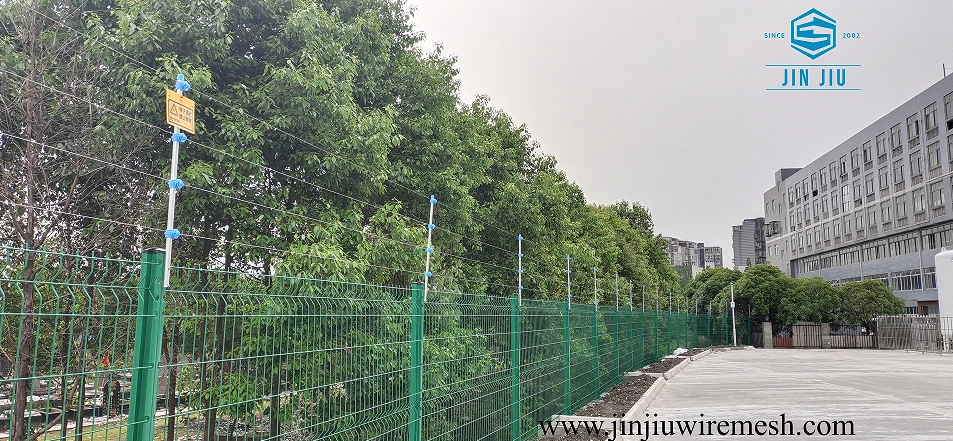
The Strategic Role of the Industrial Electric Fence in Modern Commerce
The protection of corporate and manufacturing assets has transitioned from a matter of simple boundary marking to a complex necessity of risk management.
2026-02-25 15:29:03
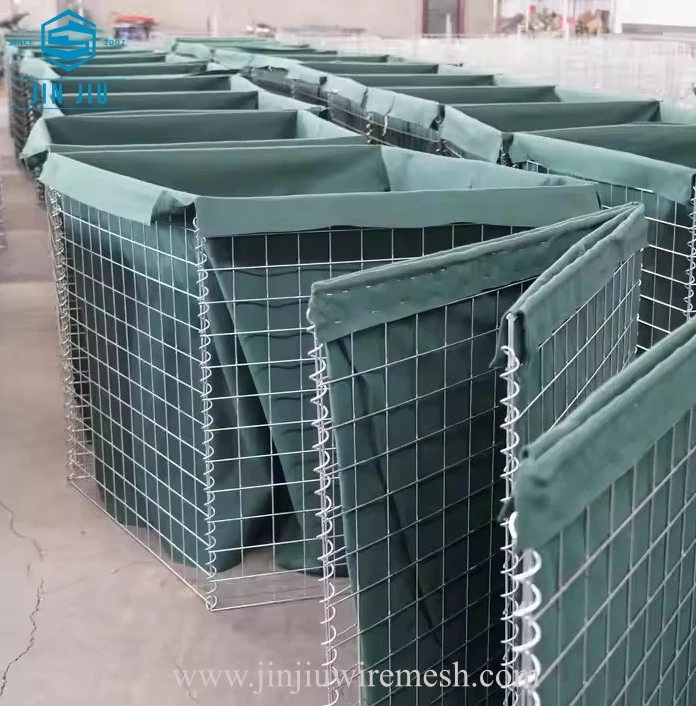
The Evolution of Physical Protection: Bullet Resistant Defensive Barriers in Modern Security
In an increasingly unpredictable global landscape, the requirement for high-level ballistic protection has moved beyond the battlefield and into the core of civilian and industrial security infrastructure.
2026-02-25 15:26:58
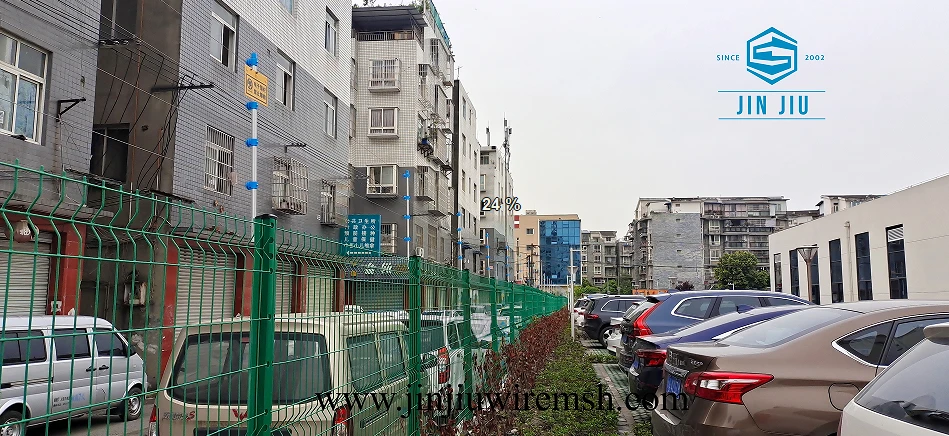
The Digital Backbone of Modern Security: Connected Pulse Monitoring Electric Fence Architecture
The traditional concept of a perimeter has undergone a fundamental transformation.
2026-02-25 15:24:13
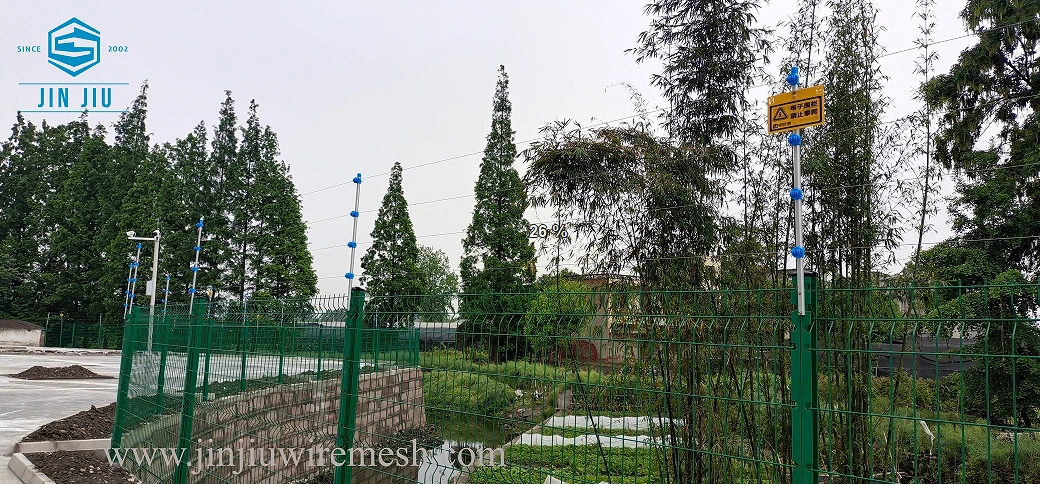
Securing the Unreachable with a Powerful Pulse Electric Fence
In the realm of global security, the distinction between a standard boundary and a high-security perimeter is often defined by the technology pulsing through the wires.
2027-04-14 00:00:00
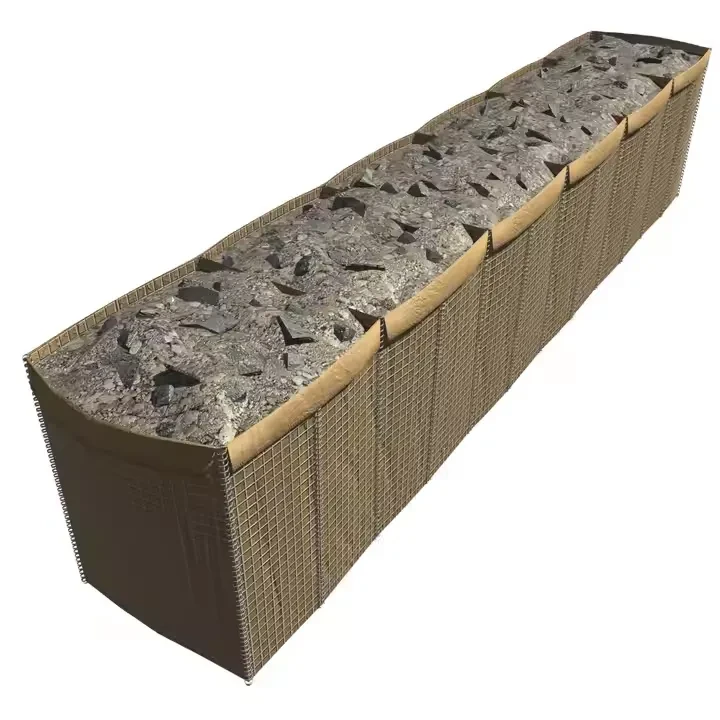
Engineering Resilience with Explosion Proof Defensive Barriers
In an era where industrial safety and national security are increasingly intertwined, the necessity for specialized protection in volatile environments has never been higher.


 English
  Albanian
  Arabic
  Bengali
  Czech
Czech  Danish
  Dutch
Dutch  Finnish
  French
  German
  Japanese
  Malay
Malay  Persian
  Polish
  Portuguese
  Romanian
  Russian
  Serbian
  Spanish
  Swahili