





Hebei Jinjiu Metal Products Co.,Ltd



Comprehensive Guide to Tank Track Wrapping Obstacle Wire Mesh | Defense & Security Solutions
Dec . 08, 2025 04:10
Understanding Tank Track Wrapping Obstacle Wire Mesh: A Strategic Defense Solution
When we talk about modern defense and obstacle solutions, few things are as niche yet surprisingly impactful as tank track wrapping obstacle wire mesh. This specialized material isn’t just a mouthful to say, but serves a critical role in military defense, industrial safeguards, and humanitarian security operations globally. The global landscape’s instability calls for innovative methods to slow down armored vehicles or secure restricted zones efficiently—and tank track wrapping wire mesh fits precisely into that picture.
Globally, with defense spending reaching $2.2 trillion in 2022 (Stockholm International Peace Research Institute), efficient cost-effective barrier systems are more in demand than ever. Wire mesh technology, especially those targeting vehicle tracks, offers a flexible, modular, and swift solution to immobilize tanks or heavy machinery without permanent landscape damage. So why exactly is this topic relevant? Simply put, controlling the movement of tracked vehicles during conflicts or secure operations can determine the success of a mission or the safety of an area.
What is Tank Track Wrapping Obstacle Wire Mesh?
In the simplest terms, tank track wrapping obstacle wire mesh refers to heavy-duty wire mesh designed specifically to entangle or disrupt the continuous tracks used on tanks and similar armored vehicles. This mesh usually lies flat or is anchored into the ground at critical choke points, ready to ensnare tracks and immobilize the vehicle’s movement.
It’s something of a blend between traditional barbed wire and modern composite materials—built robust enough to withstand harsh environmental conditions, yet flexible enough to deploy quickly. Though mostly seen in military applications, its use spills over into industrial zones and even humanitarian contexts, for example, in securing temporary encampments or preventing the movement of illegal heavy machinery.
Core Components and Key Factors
1. Durability
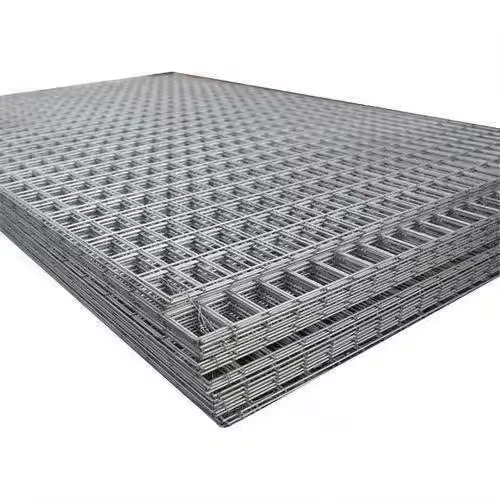
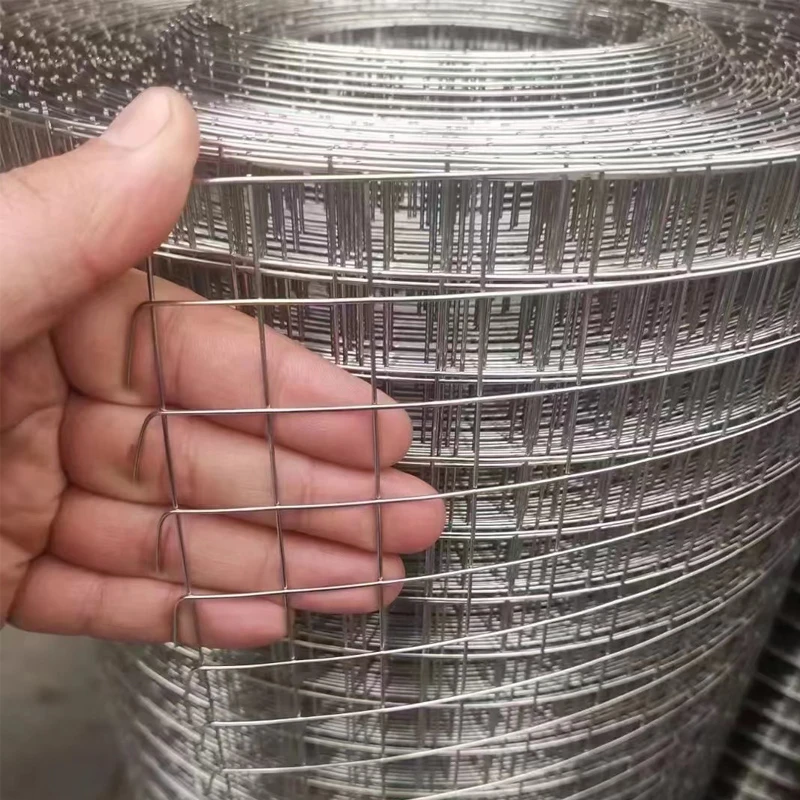
The mesh is often made with galvanized steel or stainless steel wires treated to resist corrosion. Since these obstacles need to function across seasons, from deserts to tundras, durability is non-negotiable.
2. Mesh Size and Thickness
Wire thickness and mesh grid pattern have to be engineered precisely. Too loose, and the tracks slip through; too tight, and deployment becomes slower or the mesh too heavy to manage.
3. Scalability & Modular Design
One huge advantage is how these meshes can be deployed in modular panels—covering wide perimeters or targeting narrow bottlenecks depending on mission requirements.
4. Deployment Speed
In fast-evolving operational theaters, the ability to install these meshes quickly bridges the gap between securing an area and engaging a threat. Portable and lightweight systems are favored.
5. Cost Efficiency
Compared to concrete barriers or electronic jamming, wire mesh is relatively affordable and reusable, making it an attractive asset for many military and industrial budgets.
Product Specification Table for Typical Tank Track Wrapping Obstacle Wire Mesh
| Parameter | Specification |
|---|---|
| Material | Galvanized Steel Wire (8-10mm diameter) |
| Mesh Size | 50mm x 50mm square |
| Panel Size | 2m x 2m |
| Weight per Panel | Approx. 45 kg |
| Coating | Zinc galvanization + optional polymer coating |
| Deployment Time | Under 15 minutes per panel (with 2-person team) |
Mini takeaway: If you’re considering tank track obstacle solutions, durability, mesh size, and deployment speed form the backbone of any effective wire mesh strategy.
Global Applications and Use Cases
From border defense systems in Eastern Europe to post-conflict area stabilization in parts of the Middle East, the application of tank track wrapping obstacle wire mesh is surprisingly widespread.
- Military Defense: Used as first-line or fallback anti-tank barriers, disabling or delaying tracked vehicles in tactical choke points.
- Industrial Security: In remote mining or oil fields, restricting unauthorized vehicle access.
- Humanitarian Contexts: NGOs sometimes deploy such meshes around refugee camps to limit heavy vehicle movement that could damage facilities.
- Training Grounds: Armed forces use them in training to simulate real-world obstacle navigation challenges.
An interesting example: During peacekeeping missions in Africa, modular wire mesh was used to protect vulnerable villages from armored raids while maintaining access for humanitarian convoys. It’s an adaptive solution that balances security with accessibility—a hard trick to pull off.
Vendor Comparison Table: Common Suppliers of Tank Track Wrapping Obstacle Wire Mesh
| Vendor | Material Quality | Deployment Time | Customization Options | Approx. Cost per Panel |
|---|---|---|---|---|
| Jinjiu Wire Mesh | High-grade galvanized steel, with polymer coating option | < 15 minutes | Yes, panel sizes and coatings | $300–$350 |
| Global Defense Supplies | Standard galvanized wire | ~20 minutes | Limited to standard sizes | $280–$320 |
| Armatek Security Mesh | Premium stainless steel, rust-proof | 15–18 minutes | Custom coatings and sizes | $380–$420 |
Mini takeaway: When choosing a supplier, weighing material quality, deployment ease, and customization against budget is key. Jinjiu Wire Mesh stands out for a balance of quality and price.
Advantages and Long-Term Value of Tank Track Wrapping Obstacle Wire Mesh
There’s a tangible satisfaction in knowing a barrier can stop an armored vehicle—not by brute force, but by precision engineering and flexible design. Beyond obvious durability and tactical usefulness, this mesh solution offers:
- Cost savings: reusable, easy to repair or relocate versus bulky concrete obstacles.
- Sustainability: steel can be recycled; coatings improve lifespan reducing waste.
- Social impact: prevents conflict spillover without destruction to terrain or communities.
- Operational trust: soldiers and security forces know they can rely on this quick-deploy system during time-sensitive missions.
On an emotional level, it’s not just a tool—it’s a promise of safety and control, when chaos might otherwise prevail.
Future Trends and Innovations
Developments in smart materials and digital monitoring are starting to influence wire mesh technology. Imagine meshes embedded with sensors to detect tampering, or made with eco-friendly composites that degrade harmlessly after a mission. Automation may allow drones or robots to deploy and retrieve these barriers rapidly, reducing risk to personnel.
With global emphasis on green peacekeeping and minimal ecological disruption, manufacturers strive to meet ISO environmental standards for all materials. It feels like we’re on the cusp of a mesh revolution...
Challenges and Solutions
Of course, no solution is perfect. Challenges include:
- Heavy Weight: Sometimes too cumbersome for rugged terrain.
- Maintenance: Corrosion in extreme climates despite coatings.
- Deployment Complexity: Requires trained teams for speedy setup.
To address these, companies are innovating lighter alloys, better anti-corrosion treatments, and modular designs that snap together intuitively. Training simulations help teams deploy faster under pressure.
FAQ: Frequently Asked Questions About Tank Track Wrapping Obstacle Wire Mesh
- Q: How quickly can tank track wrapping obstacle wire mesh be deployed in the field?
- A: Typically, a 2-person team can install a 2m x 2m panel in under 15 minutes, making it highly practical for fast-changing operational needs.
- Q: Are these wire mesh solutions reusable after being deployed?
- A: Yes, most are designed to be reusable and can be collected, inspected, repaired, and redeployed multiple times, offering great cost efficiency.
- Q: Can the wire mesh be customized for different terrains or requirements?
- A: Absolutely—vendors like Jinjiu offer various panel sizes, wire thicknesses, and protective coatings to suit anything from deserts to arctic environments.
- Q: Is it possible for NGOs to import these obstacle meshes internationally?
- A: Yes, many suppliers provide international shipping. NGOs typically need to coordinate with customs and defense export regulations, but shipping logistics are fairly straightforward.
Conclusion: Why Tank Track Wrapping Obstacle Wire Mesh Matters for the Future
In sum, the multi-faceted utility of tank track wrapping obstacle wire mesh—from frontline military defense to humanitarian security—makes it a quietly vital technology in today’s complex global landscape. Its balance of durability, cost-effectiveness, and adaptability ensures it will remain relevant. And frankly, in a world where every second counts, having a reliable, quick-to-deploy solution is invaluable.
If you want to explore these solutions more or need customized products, don’t hesitate to visit tank track wrapping obstacle wire mesh. It can be a game-changer in your operation’s strategic toolkit.
Mini takeaway: When obstacles need to be smart, reliable, and swift, wire mesh remains a top-choice, blending old-school toughness with modern tech.
Sources:

Related Products

Related News


2026-03-16 14:21:07
Discover durable farming solutions and flexible animal containment with hinge-knot field fence. Combining impact-resistant design and customizable options, Hebei Jinjiu ensures quality for agricultural applications. Explore now: https://www.jinjiuwiremesh.com/field-fencefarm-fence.html
2026-03-16 14:21:07
Discover durable farming solutions and flexible animal containment with hinge-knot field fence. Combining impact-resistant design and customizable options, Hebei Jinjiu ensures quality for agricultural applications. Explore now: https://www.jinjiuwiremesh.com/field-fencefarm-fence.html
2027-04-14 00:00:00
Discover durable farming solutions and flexible animal containment with hinge-knot field fence. Combining impact-resistant design and customizable options, Hebei Jinjiu ensures quality for agricultural applications. Explore now: https://www.jinjiuwiremesh.com/field-fencefarm-fence.html
2026-02-25 15:31:06
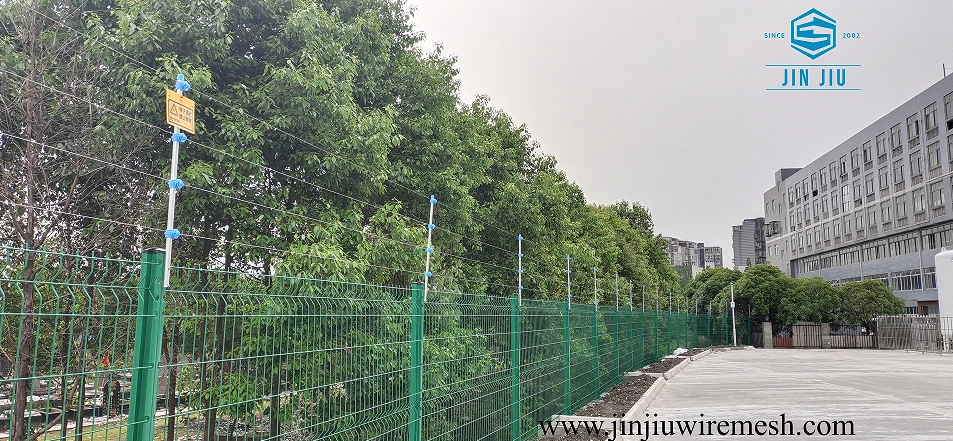
The Strategic Role of the Industrial Electric Fence in Modern Commerce
The protection of corporate and manufacturing assets has transitioned from a matter of simple boundary marking to a complex necessity of risk management.
2026-02-25 15:29:03
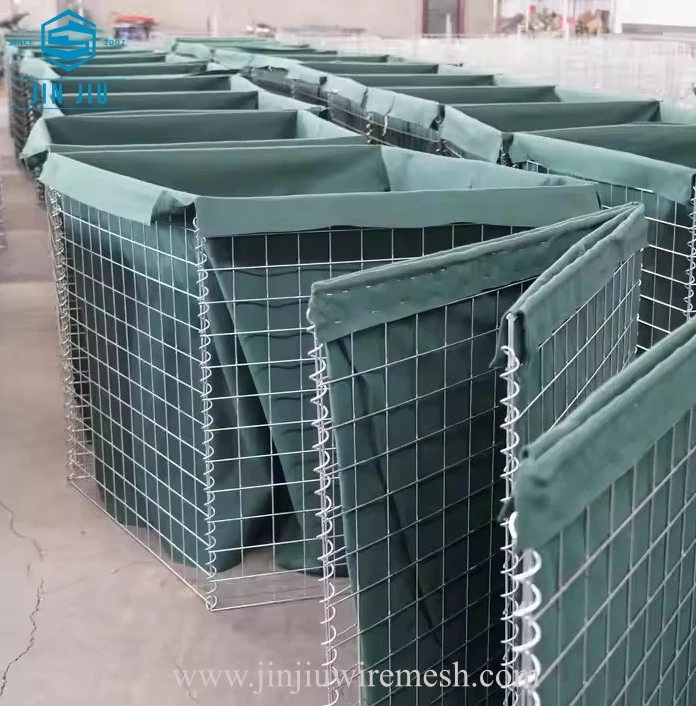
The Evolution of Physical Protection: Bullet Resistant Defensive Barriers in Modern Security
In an increasingly unpredictable global landscape, the requirement for high-level ballistic protection has moved beyond the battlefield and into the core of civilian and industrial security infrastructure.
2026-02-25 15:26:58
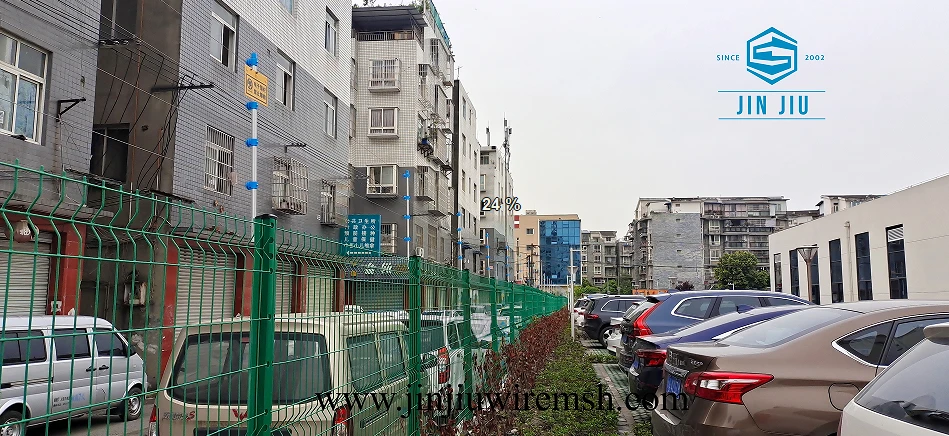
The Digital Backbone of Modern Security: Connected Pulse Monitoring Electric Fence Architecture
The traditional concept of a perimeter has undergone a fundamental transformation.
2026-02-25 15:24:13
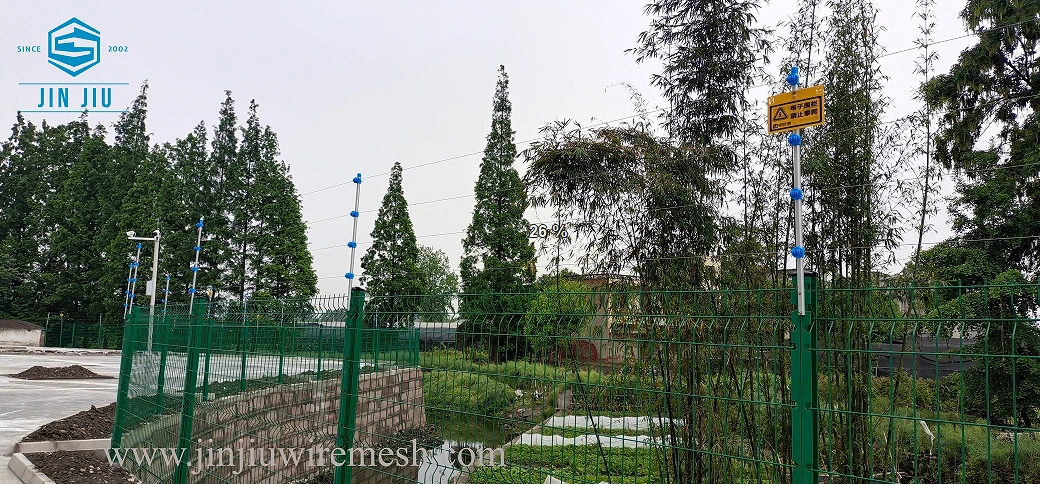
Securing the Unreachable with a Powerful Pulse Electric Fence
In the realm of global security, the distinction between a standard boundary and a high-security perimeter is often defined by the technology pulsing through the wires.
2027-04-14 00:00:00
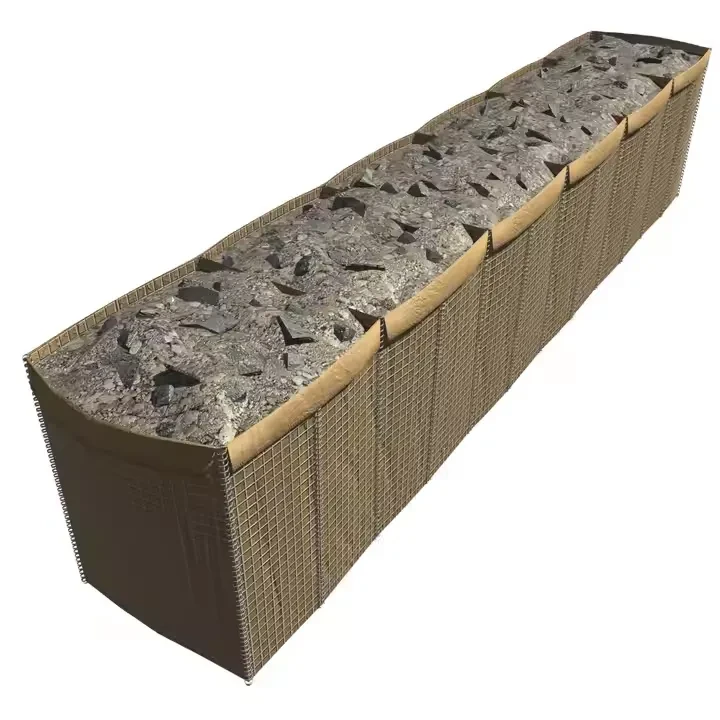
Engineering Resilience with Explosion Proof Defensive Barriers
In an era where industrial safety and national security are increasingly intertwined, the necessity for specialized protection in volatile environments has never been higher.


 English
  Albanian
  Arabic
  Bengali
  Czech
Czech  Danish
  Dutch
Dutch  Finnish
  French
  German
  Japanese
  Malay
Malay  Persian
  Polish
  Portuguese
  Romanian
  Russian
  Serbian
  Spanish
  Swahili