





Hebei Jinjiu Metal Products Co.,Ltd



Comprehensive Guide to Warfare Tank Barrier Wire Mesh | Jinjiu Wire Mesh
Nov . 24, 2025 22:00
Understanding Warfare Tank Barrier Wire Mesh: A Global Shield
When it comes to modern defense infrastructure and civil protection, warfare tank barrier wire mesh plays a surprisingly vital role. Think about it—not just a simple fence, but a smart, strategic barrier designed to halt or slow armored vehicles and safeguard critical zones. Why does this matter globally? Well, beyond military defense, these meshes have applications ranging from border security to protecting humanitarian aid convoys in fragile areas. Understanding their design and function isn’t just for military experts; it’s a nod toward worldwide efforts in maintaining safety, stability, and sometimes, peace itself.
Why Warfare Tank Barrier Wire Mesh Matters Globally
In today’s geopolitical climate, physical security remains paramount. According to recent reports from the United Nations, global conflict zones have seen a steady increase in armored confrontations over the last decade. The challenge? Effective and quick deployment of barriers that can withstand tank impact without massive resource investment. Warfare tank barriers are no longer just about brute force but smart engineering—balancing durability with deployability.
For instance, displacement caused by conflicts hits over 82 million people worldwide, per UNHCR. Protecting resources, routes, and safe zones using barrier wire mesh is one practical solution in these settings, offering an extra layer of defense against aggressive incursions while aiding humanitarian missions. So, we’re talking about a component that’s as much about life-saving functionality as it is about tactical defense.
What Exactly Is Warfare Tank Barrier Wire Mesh?
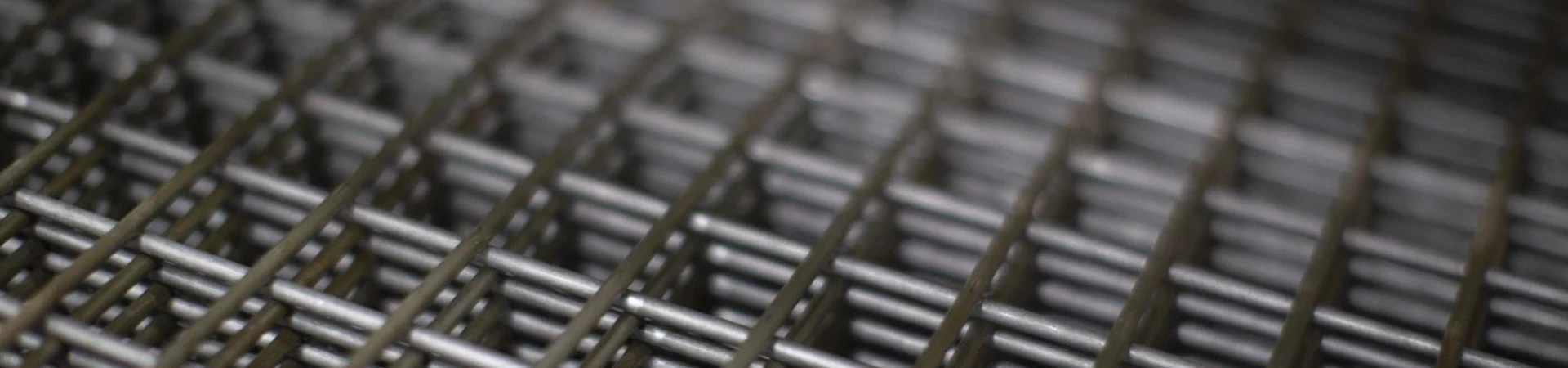
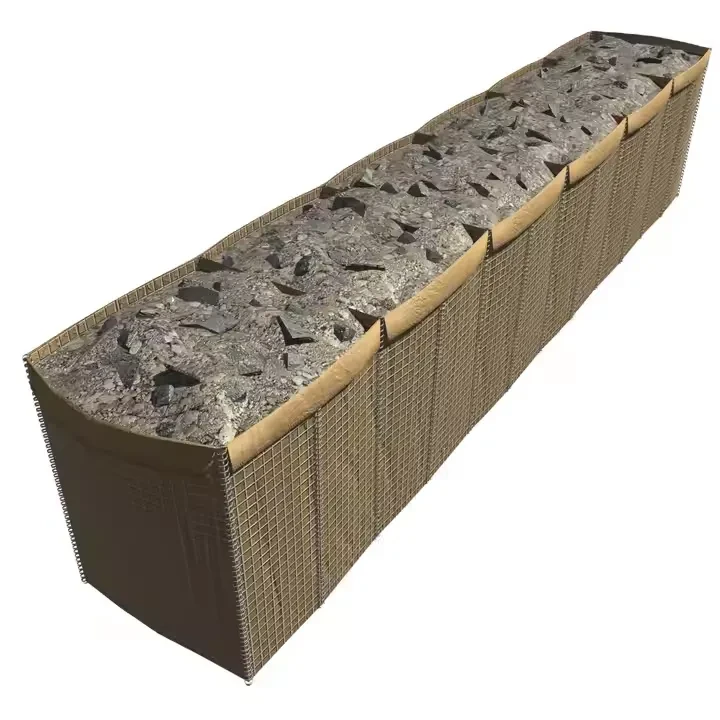
At its core, this wire mesh is a heavy-duty, interwoven metal barrier crafted specifically to disrupt and resist military armored vehicles such as tanks. Imagine giant steel grids or welded mesh panels placed strategically to snag treads, stop movement, or channel advances into more defensible spots.
In more technical terms, it’s made of high tensile steel wires, frequently galvanized or coated to resist corrosion and increase longevity under harsh environmental conditions. You’ll find these meshes embedded in modular barrier systems — essentially the frontline’s “roadblock” designed to prevent or delay hostile advances. They mesh well (pun intended) with explosive obstacle systems or traditional earthen berms.
Key Components That Define Their Effectiveness
Durability and Strength
These meshes aren’t your regular garden fences. They’re engineered to absorb kinetic impact and resist deformation. High tensile galvanized steel is standard because it’s both incredibly strong and lightweight enough to aid rapid deployment in the field.
Scalability and Modularity
One of the clever features is how easy it is to assemble and expand these barriers to cover long stretches quickly. Think of them like LEGO blocks but made of steel cable grids. This enables military engineers and aid workers alike to install tailored solutions in tough terrain or urban environments.
Corrosion Resistance
Exposure to harsh weather or saltwater—say, in coastal conflict zones—means these meshes need special coatings. Hot dip galvanizing, PVC wrapping, or advanced alloys reduce rust and extend operational life, sometimes beyond 10 years in deployment.
Cost Efficiency
Though the raw materials and engineering might seem expensive upfront, the reusability, modularity, and reduced need for heavy machinery during installation save money over traditional barriers like concrete anti-tank walls.
Global Applications & Real-World Use Cases
The warfare tank barrier wire mesh finds its way into various theaters around the world—from the arid deserts of the Middle East to the rolling hills of Eastern Europe. Here are some interesting examples:
- Military Checkpoints and Bases: Quickly deployed to reinforce perimeter defenses and prevent rapid armored penetration.
- Border Security: Nations with tense frontier disputes utilize these meshes to channel or block hostile vehicles without escalating to permanent concrete walls.
- Humanitarian Corridors: In fragile areas where aid convoys must pass safely, barrier wire mesh can be deployed to protect them from surprise armored threats.
- Disaster Zones: Surprisingly, in natural disaster aftermaths, these durable meshes can repurpose for crowd control or to shield equipment from vehicle traffic in unstable regions.
For industry leaders and peacekeeping organizations such as the UN Peacekeeping Forces, having reliable, fast-to-install warfare tank barriers is invaluable to mission success and the security of personnel.
Mini Takeaway:
Smart deployment of warfare tank barrier wire mesh bridges military necessity with humanitarian protection, functioning on multiple fronts worldwide.
Product Specifications: A Closer Look
| Specification | Details |
|---|---|
| Material | High Tensile Galvanized Steel Wire |
| Gauge | 7 - 9 Gauge Wire |
| Mesh Size | 100 mm x 100 mm (approx.) |
| Dimensions (Panel) | 2.5 m x 3 m standard |
| Corrosion Protection | Hot Dip Galvanizing + Optional PVC Coating |
| Weight (per panel) | ~85 kg |
| Deployment Time | Approx. 20-30 minutes per panel with 2 personnel |
Comparing Top Vendors in Warfare Tank Barrier Wire Mesh
| Vendor | Material Quality | Customization | Delivery Speed | Pricing |
|---|---|---|---|---|
| Jinjiu Wire Mesh | High Tensile Galvanized Steel (ISO-certified) | Panels, coatings, size variations | 2-3 weeks worldwide | Competitive, bulk discounts |
| DefendTech Solutions | Medium tensile steel | Limited sizes | 4-6 weeks | Moderate |
| Fortify Corp | Premium stainless steel | Full customization | 3-4 weeks | Higher-end |
Advantages & Lasting Value of Effective Barrier Mesh
Using warfare tank barrier wire mesh is not just about stopping tanks—it's about investing in resilience. Here are a few advantages worth your attention:
- Cost-effective Defense: Lightweight, reusable, and quicker to install compared to concrete or earthen alternatives.
- Sustainability: Durable coatings reduce replacement needs and environmental waste.
- Social Impact: Enhances civilian protection in conflict zones, supporting safety and dignity.
- Operational Flexibility: Rapid deployment means forces or agencies can adapt quickly to evolving situations.
Emerging Trends and Innovations
It’s a dynamic field. Recently, manufacturers have been exploring composite materials to create even lighter but stronger meshes. Next-gen sensors embedded into meshes are also coming up—technology that can detect impact or attempted penetration and alert nearby forces in real-time. Talk about a smart fence!
Plus, sustainability is a huge driver now. The use of recycled steel and eco-friendly coatings is growing, along with partnerships to reduce carbon footprints across military supply chains. Automation in production means these barriers are not only smarter but faster and cheaper to make.
Challenges & Innovative Solutions
Of course, no system is perfect. Common challenges include:
- Heavy weight per panel which can complicate transportation in remote areas.
- Corrosion over prolonged exposure despite coatings.
- Potential gaps created during installation if not carefully managed.
Innovative solutions? Some vendors are integrating modular lightweight alloys and adjustable connectors to address weight and fit. Regular maintenance schedules and protective varnishes help extend life in corrosive environments. Training protocols for rapid installation can minimize errors, preserving barrier integrity.
FAQ: Your Questions About Warfare Tank Barrier Wire Mesh
1. How quickly can warfare tank barrier wire mesh be installed in a combat zone?
Typically, a trained crew of two can install a standard panel in about 20 to 30 minutes. Modular design allows scaling up or down depending on operational needs, which is crucial for fast-evolving combat zones.
2. Can the wire mesh be reused after a conflict is over?
Yes. The galvanized steel is designed for multiple deployments. After use, panels can be inspected, repaired if necessary, and redeployed, making them cost-effective over the long term.
3. Is this mesh effective against all types of armored vehicles?
While optimized for tanks and heavy tracked vehicles, it is also effective against lighter armored personnel carriers and wheeled vehicles. However, determined forces can overcome barriers with specialized equipment or weapons, so it's usually combined with active defense systems.
4. Can these barriers be shipped internationally without regulatory issues?
Generally, yes. Most manufacturers comply with international trade standards (ISO certifications etc.). Still, buyers should check local import regulations and military export controls depending on destination.
5. How does weather impact the longevity of warfare tank barrier wire mesh?
Weather and environmental conditions affect the barrier’s longevity. Hot dip galvanization and optional PVC coatings help resist corrosion in harsh climates, but regular maintenance extends operational life significantly.
Conclusion: Securing the Future with Warfare Tank Barrier Wire Mesh
In sum, warfare tank barrier wire mesh isn’t just an industrial product—it’s a strategic investment in protection, resilience, and adaptability. As conflicts evolve and humanitarian concerns increase, reliable, quick-deploy solutions like this will only grow in importance.
If you’re interested in exploring cutting-edge, trusted tank barrier solutions, I recommend visiting our website at Jinjiu Wire Mesh. Their quality, customization, and proven global service are a great place to start.
Mini Reflection
It’s interesting how something as “unsexy” as wire mesh quietly shapes the safety of millions—both on battlefields and in refugee corridors. A reminder that sometimes, the simplest technology is what holds the line.
References

Related Products

Related News


2026-03-16 14:21:07
Discover durable farming solutions and flexible animal containment with hinge-knot field fence. Combining impact-resistant design and customizable options, Hebei Jinjiu ensures quality for agricultural applications. Explore now: https://www.jinjiuwiremesh.com/field-fencefarm-fence.html
2026-03-16 14:21:07
Discover durable farming solutions and flexible animal containment with hinge-knot field fence. Combining impact-resistant design and customizable options, Hebei Jinjiu ensures quality for agricultural applications. Explore now: https://www.jinjiuwiremesh.com/field-fencefarm-fence.html
2027-04-14 00:00:00
Discover durable farming solutions and flexible animal containment with hinge-knot field fence. Combining impact-resistant design and customizable options, Hebei Jinjiu ensures quality for agricultural applications. Explore now: https://www.jinjiuwiremesh.com/field-fencefarm-fence.html
2026-02-25 15:31:06
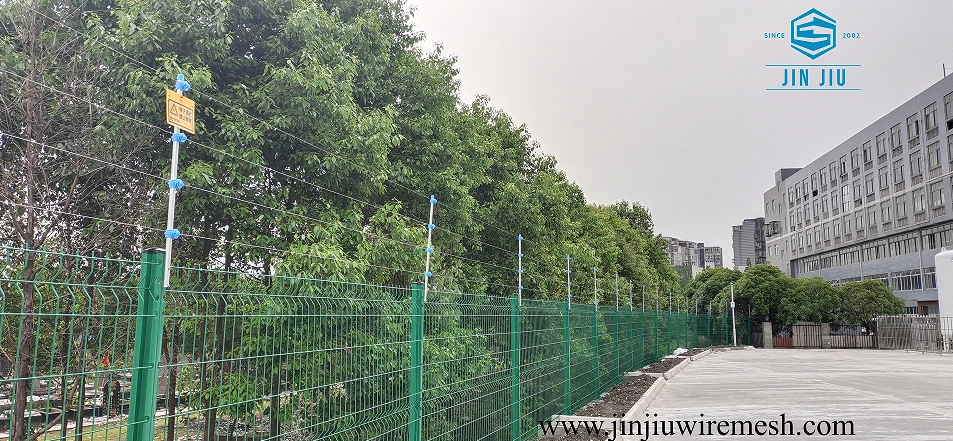
The Strategic Role of the Industrial Electric Fence in Modern Commerce
The protection of corporate and manufacturing assets has transitioned from a matter of simple boundary marking to a complex necessity of risk management.
2026-02-25 15:29:03
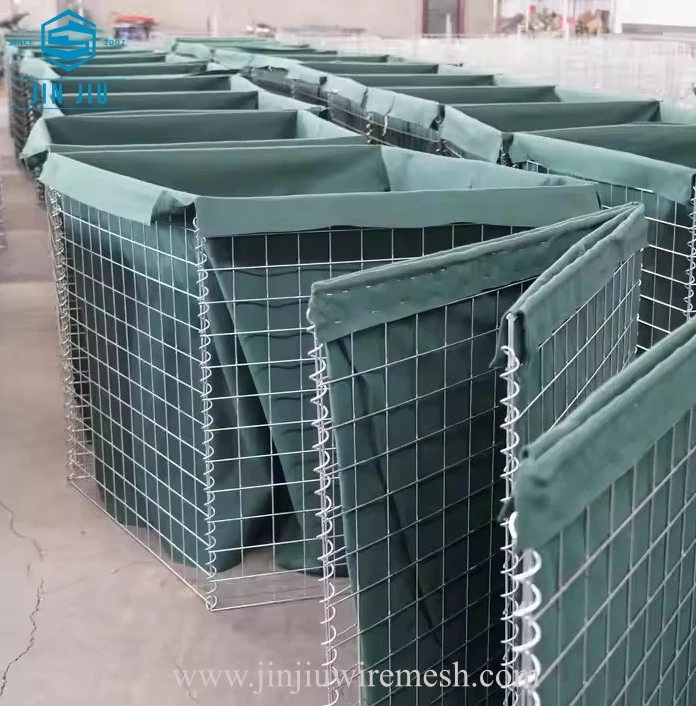
The Evolution of Physical Protection: Bullet Resistant Defensive Barriers in Modern Security
In an increasingly unpredictable global landscape, the requirement for high-level ballistic protection has moved beyond the battlefield and into the core of civilian and industrial security infrastructure.
2026-02-25 15:26:58
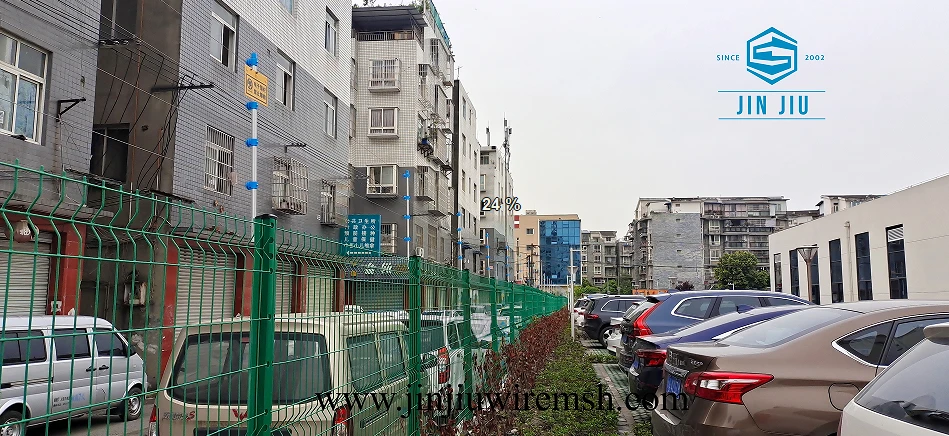
The Digital Backbone of Modern Security: Connected Pulse Monitoring Electric Fence Architecture
The traditional concept of a perimeter has undergone a fundamental transformation.
2026-02-25 15:24:13
Securing the Unreachable with a Powerful Pulse Electric Fence
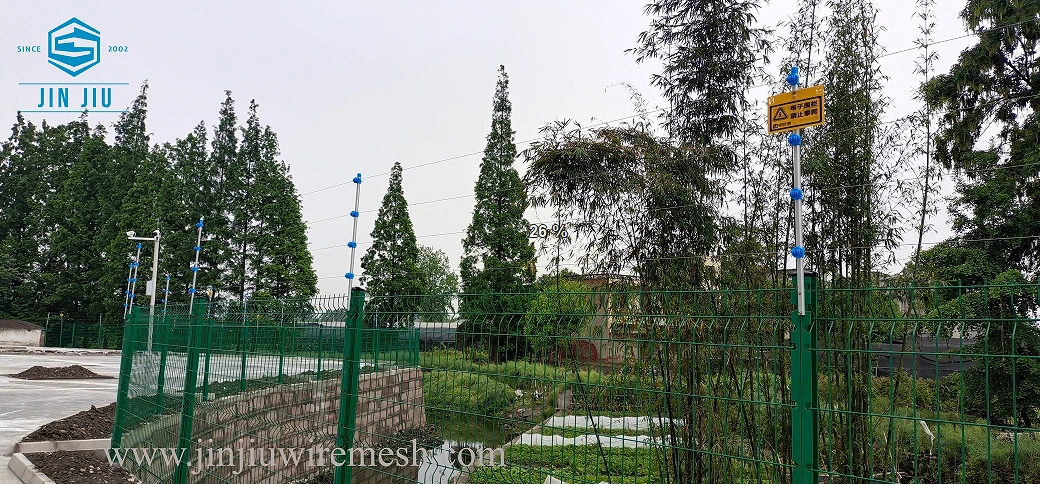
In the realm of global security, the distinction between a standard boundary and a high-security perimeter is often defined by the technology pulsing through the wires.
2027-04-14 00:00:00
Engineering Resilience with Explosion Proof Defensive Barriers
In an era where industrial safety and national security are increasingly intertwined, the necessity for specialized protection in volatile environments has never been higher.


 English
  Albanian
  Arabic
  Bengali
  Czech
Czech  Danish
  Dutch
Dutch  Finnish
  French
  German
  Japanese
  Malay
Malay  Persian
  Polish
  Portuguese
  Romanian
  Russian
  Serbian
  Spanish
  Swahili