





Hebei Jinjiu Metal Products Co.,Ltd



Custom Metal Noise Barriers for Superior Sound Reduction
Aug . 27, 2025 06:20
Understanding Metal Noise Barrier Solutions in B2B Applications
In an increasingly urbanized and industrialized world, noise pollution poses significant environmental, health, and operational challenges across various sectors. For B2B stakeholders, the strategic deployment of effective noise mitigation solutions is not merely about compliance but also about enhancing operational efficiency, ensuring worker safety, and fostering community relations. This comprehensive guide delves into the specifics of Metal Noise Barrier systems, a critical component in contemporary acoustic engineering, offering robust and durable solutions for demanding environments. We will explore the latest industry trends, intricate technical specifications, diverse application scenarios, and the profound advantages these barriers offer.
The need for reliable acoustic attenuation solutions is escalating due to stringent regulatory frameworks and a heightened public awareness of noise-related issues. From high-volume transportation corridors to heavy industrial sites, effectively managing sound propagation is paramount. This article aims to provide an in-depth understanding of how advanced Metal Noise Barrier technologies address these complex demands, focusing on their manufacturing precision, performance benchmarks, and customizability.
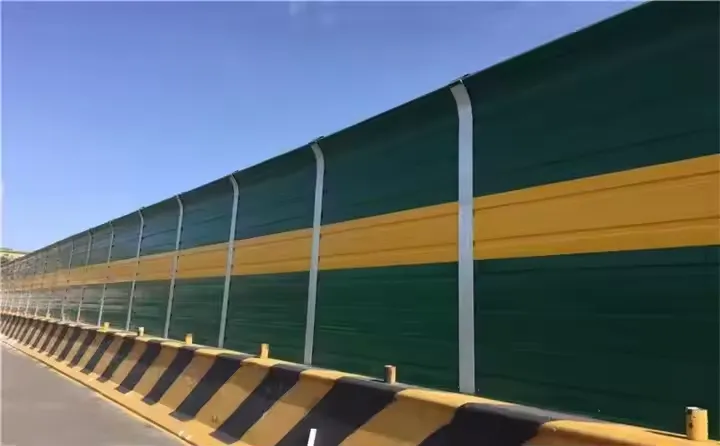
Figure 1: High-performance Metal Noise Barrier installed along a highway.
Industry Trends and Market Dynamics in Acoustic Barriers
The market for acoustic barriers, particularly those constructed from metal, is experiencing significant growth driven by several key trends. Urbanization continues to place residential areas in closer proximity to transportation networks and industrial facilities, necessitating more effective noise control. Simultaneously, environmental regulations, such as the EU Noise Directive 2002/49/EC and various national standards (e.g., OSHA noise exposure limits in the US), are becoming stricter, compelling industries to invest in superior noise mitigation strategies. There is also a notable shift towards durable, low-maintenance, and aesthetically integrated solutions that offer long-term value.
- Sustainable Materials: Increasing demand for recycled and recyclable materials in construction, pushing manufacturers towards aluminum and steel alloys with high recycled content.
- Modular and Prefabricated Systems: To reduce installation time and costs, modular Metal Noise Barrier designs are gaining traction, allowing for quicker deployment and easier maintenance.
- Enhanced Acoustic Performance: Innovations in panel design, such as multi-layer construction with varying densities of absorptive materials, are leading to higher Sound Transmission Class (STC) and Noise Reduction Coefficient (NRC) ratings.
- Aesthetic Integration: Beyond pure functionality, clients increasingly demand barriers that blend seamlessly with the surrounding environment, leading to a wider range of colors, textures, and architectural finishes.
- Smart Noise Monitoring: Integration of sensor technology for real-time noise monitoring and predictive maintenance is an emerging trend, particularly for critical infrastructure.
These trends collectively underscore the evolution of noise control from a mere necessity to a strategic investment in infrastructure development and environmental stewardship. The demand for robust, high-performance, and sustainable **Metal Noise Barrier** solutions is expected to continue its upward trajectory.
Technical Specifications and Design Principles of Metal Noise Barriers
Effective acoustic design hinges on a precise understanding of material science, sound physics, and structural engineering. **Metal Noise Barrier** systems are engineered to either reflect or absorb sound waves, or a combination of both, to reduce noise propagation significantly. The choice between reflective and absorptive panels depends on the specific application and desired acoustic outcome.
- Material Composition: Typically manufactured from high-grade galvanized steel, aluminum, or stainless steel for superior corrosion resistance and structural integrity. Galvanized steel, often hot-dip galvanized to ISO 1461 standards, provides a durable zinc coating for extended service life, while aluminum offers lightweight properties ideal for certain structural constraints. Stainless steel is chosen for extreme corrosive environments or specific aesthetic requirements.
- Panel Types:
- Reflective Panels: Solid metal sheets that bounce sound waves back towards the source or deflect them upwards. Effective for creating a sound shadow.
- Absorptive Panels: Feature a perforated metal outer skin, an internal sound-absorbing material (e.g., mineral wool, fiberglass, or foam), and a solid backing. They dissipate sound energy as heat, preventing reflection and reducing overall noise levels more comprehensively.
- Acoustic Performance Metrics:
- Sound Transmission Class (STC): Measures the airborne sound insulation of a barrier. Higher STC values indicate better sound blocking capability. For **Metal Noise Barrier** systems, STC ratings typically range from 25 to 40, depending on thickness and construction.
- Noise Reduction Coefficient (NRC): Quantifies the fraction of sound energy absorbed by a surface. NRC values for absorptive barriers can range from 0.7 to 1.0, indicating excellent sound absorption.
- Insertion Loss (IL): The reduction in sound pressure level at a specific point due to the presence of the barrier, often measured in decibels (dB). Well-designed barriers can achieve insertion losses of 10-20 dB or more.
- Structural Integrity: Barriers must withstand environmental loads, including high winds (up to 160 km/h or more, depending on local building codes), seismic activity, and potential impact. Designs adhere to structural engineering standards like Eurocode (EN 1991 for actions on structures) or AISC (American Institute of Steel Construction).
- Surface Finishes: Options include powder coating (for aesthetics and additional corrosion protection, compliant with Qualicoat standards), galvanizing, and painted finishes.
Typical Metal Noise Barrier Product Specifications
| Parameter | Specification Range |
|---|---|
| Material | Hot-dip Galvanized Steel (EN 10346, DX51D+Z275), Aluminum Alloy (6061-T6, 5052), Stainless Steel (304, 316) |
| Panel Thickness | 80mm - 120mm (standard), custom up to 200mm for high performance |
| Sheet Gauge (Outer Skin) | 0.8mm - 2.0mm |
| Panel Dimensions | Standard: 500x2000mm to 1000x4000mm; Customizable Lengths up to 6000mm |
| Noise Reduction Coefficient (NRC) | 0.75 - 1.0 (for absorptive panels, tested per ISO 354) |
| Sound Transmission Class (STC) | 28 - 35 dB (tested per ISO 717-1) |
| Surface Coating | Polyester Powder Coating (min. 60µm), Hot-dip Galvanization (min. 600g/m²), PVDF Coating |
| Fire Rating | Non-combustible core materials (e.g., A1 according to EN 13501-1) |
| Service Life | 25+ years (depending on material and environment) |
Figure 2: Cross-section detail of an absorptive Metal Noise Barrier panel.
Manufacturing Process Flow of Metal Noise Barriers
The production of high-quality **Metal Noise Barrier** systems involves a meticulously controlled manufacturing process, ensuring consistency, durability, and optimal acoustic performance. Adherence to international standards like ISO 9001 (Quality Management) and ISO 14001 (Environmental Management) is critical throughout these stages.
Detailed Production Steps:
- Material Sourcing & Inspection: High-grade raw materials, primarily galvanized steel coils (e.g., ASTM A653, EN 10346 for hot-dip galvanized steel) or aluminum sheets, are sourced from certified suppliers. Incoming materials undergo rigorous inspection for chemical composition, mechanical properties, and surface finish to ensure compliance with specifications.
-
Cutting & Perforation:
- Shearing/Laser Cutting: Metal sheets are precisely cut to the required panel dimensions using CNC shearing machines or laser cutters, ensuring high dimensional accuracy.
- Perforation (for Absorptive Panels): For absorptive barriers, the outer skin is perforated using automated stamping or CNC punching machines. The perforation pattern (hole size, spacing, open area ratio) is critical for optimal acoustic absorption and is designed based on specific NRC targets.
- Forming & Bending: The cut and perforated sheets are then fed into CNC press brakes where they are precisely bent and formed into the desired panel profiles and cassette shapes. This step ensures structural rigidity and facilitates interlocking mechanisms during assembly.
- Welding & Assembly: Individual components, such as frame elements and panel sections, are joined through precision welding. Techniques like MIG/MAG welding are commonly employed, followed by quality checks for weld integrity and aesthetics. For absorptive panels, the acoustic insulation material (e.g., mineral wool, specified to ISO 11654 for sound absorption) is carefully inserted into the formed metal cassette.
-
Surface Treatment & Coating:
- Cleaning & Pre-treatment: Panels undergo thorough cleaning (degreasing, phosphating) to prepare the surface for optimal coating adhesion and corrosion resistance.
- Powder Coating/Painting: A durable powder coating (polyester or epoxy) is applied electrostatically and then cured in an oven, creating a resilient, aesthetically pleasing, and highly corrosion-resistant finish (e.g., complying with AAMA 2605 or Qualicoat standards). Alternatively, wet painting systems are used for specific requirements. Hot-dip galvanization is often applied to steel components before forming for superior long-term protection against rust.
-
Quality Control & Testing: Each batch of **Metal Noise Barrier** panels undergoes rigorous quality control.
- Dimensional Accuracy: Verification of panel dimensions, hole patterns, and bending angles.
- Coating Adhesion & Thickness: Tested to ensure durability and longevity.
- Acoustic Performance Testing: Representative samples are sent to accredited laboratories for ISO 354 (sound absorption) and ISO 717-1 (sound insulation) testing, confirming STC and NRC values.
- Structural Load Testing: Occasional tests for wind load resistance and impact resistance (e.g., to EN 1793 series).
- Packaging & Shipment: Finished panels are carefully packaged to prevent damage during transit, often bundled on pallets or crates, ready for delivery to construction sites.
This meticulous process ensures that each **Metal Noise Barrier** unit delivers exceptional performance and a service life exceeding 25 years, even in harsh environments. The emphasis on corrosion resistance through galvanization and advanced coating techniques, combined with robust structural design, contributes to significant energy saving in the broader sense by mitigating the need for frequent replacements and reducing indirect costs associated with noise pollution.
Figure 3: Fabrication of Metal Noise Barrier panels in a controlled manufacturing environment.
Application Scenarios and Case Studies
The versatility and high performance of **Metal Noise Barrier** systems make them indispensable across a wide array of industrial, commercial, and public infrastructure projects. Their robust construction is particularly suited for environments requiring long-term durability and significant noise reduction.
Typical Application Scenarios:
- Transportation Infrastructure: Essential along highways, expressways, railways, and bridges to mitigate traffic noise affecting adjacent residential areas. They protect communities from noise levels exceeding regulatory limits.
- Industrial Facilities: Used in petrochemical plants, power generation stations, manufacturing facilities, and mining operations to control noise from heavy machinery, compressors, cooling towers, and processing units. This ensures compliance with occupational noise exposure standards (e.g., OSHA 29 CFR 1910.95) and enhances worker comfort.
- Commercial and Retail Developments: Deployed around large HVAC systems, generators, loading docks, and drive-thru facilities to reduce acoustic impact on neighboring businesses and residential properties.
- Construction Sites: Temporary or permanent barriers to reduce noise emanating from construction activities, protecting nearby communities and adhering to local noise ordinances.
- Water Supply & Drainage Facilities: Enclosing pump stations, treatment plants, and ventilation systems where continuous operational noise can be problematic for surrounding areas.
Application Case Studies:
Client: National Rail Authority, Europe
Challenge: A newly constructed high-speed rail line passed through several densely populated urban areas, generating noise levels up to 85 dB (A) during peak hours, significantly exceeding local daytime limits of 60 dB (A). Local residents reported severe disturbances, leading to public complaints and potential project delays.
Solution: Jinjiu Wire Mesh designed and supplied 4,500 linear meters of 4-meter-high absorptive **Metal Noise Barrier** panels. The panels comprised hot-dip galvanized steel outer skins with high-density mineral wool infill, achieving an NRC of 0.95 and an STC of 32 dB. Specialized anti-corrosion coatings ensured durability against harsh weather conditions.
Results: Post-installation monitoring demonstrated an average noise reduction of 18 dB (A) at 50 meters from the rail line, bringing noise levels well within regulatory limits. Resident feedback improved dramatically, and the authority achieved full compliance, avoiding penalties and enhancing community relations. The robust design contributed to a projected service life of 30+ years, minimizing maintenance costs.
Client: Leading Global Petrochemical Company, Middle East
Challenge: A critical compressor station within a large petrochemical complex was emitting continuous noise at levels up to 90 dB (A) at the property line, posing a risk to worker health and safety (exceeding 8-hour TWA of 85 dB (A)) and raising concerns for nearby residential communities.
Solution: Jinjiu Wire Mesh engineered a custom **Metal Noise Barrier** enclosure system, utilizing a combination of high-density absorptive and reflective panels made from marine-grade aluminum alloy with PVDF coating for superior chemical and corrosion resistance in the harsh industrial environment. The design incorporated access doors and ventilation systems with acoustic louvers to maintain operational efficiency while controlling noise.
Results: The custom enclosure successfully reduced noise levels by an average of 25 dB (A) at the property boundary, dropping to 65 dB (A). This brought the facility into full compliance with stringent local environmental noise regulations and significantly improved the working environment for plant personnel. The choice of aluminum and PVDF coating ensured excellent durability against corrosive agents, extending the lifespan and reducing maintenance cycles.
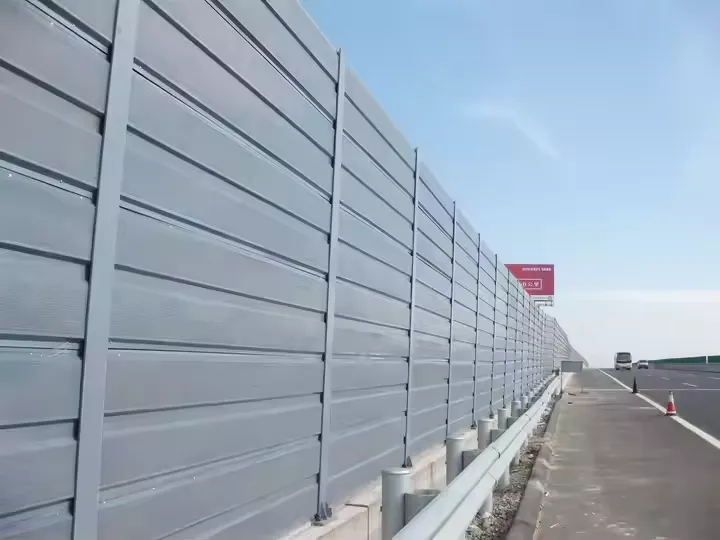
Figure 4: Industrial Metal Noise Barrier solution for a power plant.
Technical Advantages of Metal Noise Barrier Solutions
**Metal Noise Barrier** systems offer a compelling suite of technical advantages that position them as a preferred choice for demanding B2B applications:
- Superior Durability and Longevity: Constructed from robust materials like galvanized steel, aluminum, or stainless steel, these barriers are inherently resistant to weathering, UV radiation, impact, and vandalism. Their multi-layered corrosion protection (galvanization, powder coating) ensures a service life often exceeding 25-30 years, significantly outperforming alternative materials like timber or certain plastics.
- High Acoustic Performance: Engineered designs, incorporating specific material densities and panel configurations (absorptive vs. reflective), deliver excellent noise reduction capabilities, achieving high STC and NRC ratings crucial for meeting stringent regulatory requirements and achieving target sound pressure levels.
- Fire Resistance: Unlike combustible materials, metal barriers, especially with mineral wool or fiberglass infill, are non-combustible (e.g., A1 fire rating according to EN 13501-1). This is a critical safety advantage in industrial settings, chemical plants, and densely populated urban areas.
- Low Maintenance Requirements: The durable finishes and robust construction of **Metal Noise Barrier** systems require minimal maintenance, typically limited to occasional cleaning. This translates into lower lifecycle costs and less operational disruption compared to materials that degrade or require frequent repair.
- Structural Stability & Wind Load Resistance: Designed to withstand significant wind loads (e.g., up to 150-160 km/h) and other environmental stresses, ensuring long-term structural integrity without compromise to safety or performance.
- Versatile Aesthetic Integration: Available in a wide range of colors (via powder coating) and panel designs, allowing for aesthetic customization to blend with architectural styles or corporate branding, an important factor in public-facing projects.
- Environmental Benefits: Metal materials are largely recyclable, contributing to sustainable construction practices. The longevity of these barriers also reduces the consumption of new resources over time.
- Energy Saving: While not direct energy savings in the traditional sense, reduced noise pollution contributes to improved quality of life and potentially reduced stress-related health issues, leading to broader societal benefits and avoiding costly litigation or rework for industrial sites.
Vendor Comparison and Selection Criteria
Selecting the right vendor for **Metal Noise Barrier** solutions is a critical decision that impacts project success, longevity, and overall return on investment. A thorough comparison involves evaluating not just product specifications but also service capabilities, certifications, and track record. Here's a comparative overview and key selection criteria:
Vendor Comparison Table: Metal Noise Barrier Suppliers
| Feature/Criterion | Jinjiu Wire Mesh (Example) | Vendor B (Competitor) | Vendor C (Competitor) |
|---|---|---|---|
| Acoustic Performance (STC/NRC) | STC 30-35 / NRC 0.9-1.0 (ISO Tested) | STC 28-32 / NRC 0.8-0.95 | STC 25-30 / NRC 0.7-0.85 |
| Material Quality & Durability | Hot-dip Galvanized Steel (Z275), A6061-T6 Aluminum, PVDF/Powder Coated | Galvanized Steel (Z225), Standard Aluminum, Powder Coated | Pre-Galvanized Steel, Painted Carbon Steel |
| Customization Options | Full engineering design, custom dimensions, colors, integrated features (e.g., lighting, transparent sections) | Limited custom dimensions, standard colors | Modular sizes only, basic color options |
| Certifications & Standards | ISO 9001, ISO 14001, CE Marking, ASTM, EN 1793 series, ISO 354/717 | ISO 9001, basic CE Marking | Local quality standards |
| Lead Time (Standard Project) | 4-6 weeks | 6-8 weeks | 8-10 weeks |
| Warranty Commitment | 25-year structural, 10-year acoustic performance, 5-year coating | 15-year structural, 5-year acoustic, 2-year coating | 10-year structural |
| Installation Support | Detailed guides, on-site technical support, engineering consultation | Standard manuals | Basic instructions |
| Project Experience | 20+ years, extensive portfolio in infrastructure, industrial, commercial sectors globally | 10+ years, regional focus | 5+ years, limited project scale |
Key Selection Criteria for B2B Clients:
- Acoustic Engineering Expertise: Does the vendor offer comprehensive acoustic analysis, modeling, and design capabilities specific to your project's unique challenges?
- Material and Manufacturing Quality: Look for evidence of high-grade materials, robust manufacturing processes (e.g., ISO-certified), and stringent quality control.
- Certifications and Compliance: Verify adherence to international and local standards for acoustic performance, structural integrity, fire safety, and environmental impact.
- Customization and Flexibility: The ability to tailor solutions to specific site conditions, aesthetic requirements, and performance targets is crucial for complex projects.
- Project Management and Support: Evaluate the vendor's capacity for timely delivery, technical support during installation, and responsiveness to post-installation queries.
- Track Record and References: Review past projects, client testimonials, and years of experience in similar B2B applications.
- Warranty and After-Sales Service: A comprehensive warranty signals confidence in product quality and provides long-term assurance.
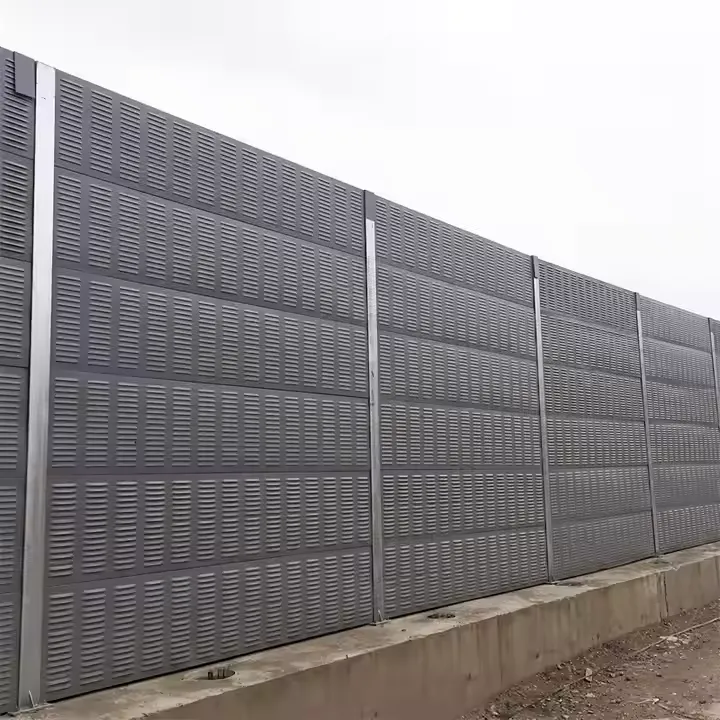
Figure 5: Different panel finishes and customization options for Metal Noise Barrier.
Customized Solutions and Engineering Capabilities
Recognizing that no two projects are identical, leading **Metal Noise Barrier** manufacturers offer extensive customization and engineering capabilities. This bespoke approach ensures optimal performance, seamless integration, and maximum value for clients.
- Site-Specific Acoustic Modeling: Utilizing advanced software (e.g., CADNA/A, Odeon), engineers perform detailed acoustic propagation modeling to predict noise levels and determine the most effective barrier height, length, and placement. This ensures precise attenuation targets are met.
- Tailored Structural Design: Barriers are engineered to meet specific wind load, seismic, and terrain conditions of the project site. This includes custom post designs, foundation requirements, and panel interlocking systems to guarantee structural integrity.
- Material and Finish Customization: Clients can specify particular metals (galvanized steel, aluminum, stainless steel), gauges, and surface treatments (e.g., specific RAL colors for powder coating, anti-graffiti coatings, textured finishes) to match aesthetic requirements or withstand unique environmental challenges (e.g., marine environments, high industrial pollution).
- Integrated Features: Custom solutions can incorporate integrated elements such as transparent panels (e.g., polycarbonate or acrylic) for visibility, emergency exit doors, pedestrian gates, lighting fixtures, signage mounts, and ventilation systems with acoustic louvers.
- Modular and Hybrid Systems: Development of modular barrier systems that can be easily expanded or reconfigured, or hybrid designs combining metal with other materials (e.g., concrete bases, timber aesthetic overlays) for specific performance or visual goals.
- Installation and Logistics Planning: Comprehensive project planning extends to logistics, including packaging, transport, and detailed installation guides, sometimes including on-site technical supervision to ensure smooth deployment.
These engineering capabilities transform a standard product into a precisely engineered solution, maximizing the **Metal Noise Barrier**'s effectiveness and lifecycle value while addressing complex project demands.
Frequently Asked Questions (FAQ) about Metal Noise Barriers
- Q1: What is the typical lifespan of a Metal Noise Barrier?
- A1: With proper material selection (e.g., hot-dip galvanized steel, aluminum) and high-quality coatings, a Metal Noise Barrier typically has a service life of 25 to 30 years, often exceeding this in less aggressive environments. Our barriers are designed for minimal degradation over this period.
- Q2: How effective are these barriers in reducing noise levels?
- A2: The effectiveness is measured by Insertion Loss (IL), Sound Transmission Class (STC), and Noise Reduction Coefficient (NRC). Well-designed absorptive metal barriers can achieve an STC of 30-35 dB and an NRC of 0.9-1.0, leading to significant noise reductions (typically 10-20 dB or more) in the protected area, depending on barrier height, length, and proximity to the noise source.
- Q3: What materials are commonly used in your Metal Noise Barrier systems?
- A3: We primarily use hot-dip galvanized steel (compliant with EN 10346, ASTM A653 standards), high-grade aluminum alloys (e.g., 6061-T6, 5052), and stainless steel (304, 316) for specific corrosive environments. Acoustic infill typically consists of non-combustible mineral wool or fiberglass meeting ISO 11654 standards.
- Q4: Can Metal Noise Barrier systems be customized?
- A4: Absolutely. Customization is a core strength. We offer bespoke designs for dimensions, colors (powder coating to any RAL code), architectural finishes, and integrated features such as transparent sections, doors, access gates, and specialized structural elements to perfectly match project specifications and environmental aesthetics.
- Q5: What maintenance is required for these barriers?
- A5: Due to their durable construction and high-quality coatings, Metal Noise Barrier systems require minimal maintenance. Periodic inspection for physical damage or accumulated debris, and occasional cleaning (e.g., with mild detergent and water), are generally sufficient to maintain performance and aesthetics.
Lead Time, Warranty, and Customer Support
At Jinjiu Wire Mesh, we understand that project timelines and long-term reliability are paramount for our B2B clients. Our commitment extends beyond product delivery to comprehensive support throughout the project lifecycle.
- Lead Time & Fulfillment:
Standard **Metal Noise Barrier** orders typically have a lead time of 4-6 weeks from confirmed order to ex-factory shipment, depending on volume and current production schedule. For highly customized or large-scale projects, lead times will be communicated clearly during the proposal phase, along with detailed production and delivery schedules to facilitate efficient project planning. We offer robust logistics support for global shipping.
- Warranty Commitments:
We stand by the quality and performance of our **Metal Noise Barrier** products with comprehensive warranty provisions:
- Structural Integrity: A 25-year limited warranty against manufacturing defects affecting the structural integrity of the barrier system.
- Acoustic Performance: A 10-year limited warranty ensuring the acoustic performance (STC/NRC ratings) remains within specified parameters under normal operating conditions.
- Coating Durability: A 5-year limited warranty on the integrity of powder coatings and galvanization against chipping, peeling, or significant fading under normal environmental exposure.
Specific warranty details are provided with each project proposal, tailored to the materials and finishes selected.
- Dedicated Customer Support:
Our support team comprises experienced engineers and project managers dedicated to assisting clients at every stage:
- Pre-Sales Consultation: Expert advice on material selection, acoustic design, and compliance with local regulations.
- Technical Assistance: Comprehensive technical documentation, installation guides, and direct support for complex installation queries.
- After-Sales Service: Prompt response to any post-installation issues, warranty claims, or requirements for spare parts and maintenance advice.
- Project Management: A dedicated project manager ensures seamless communication and coordination from design to delivery.
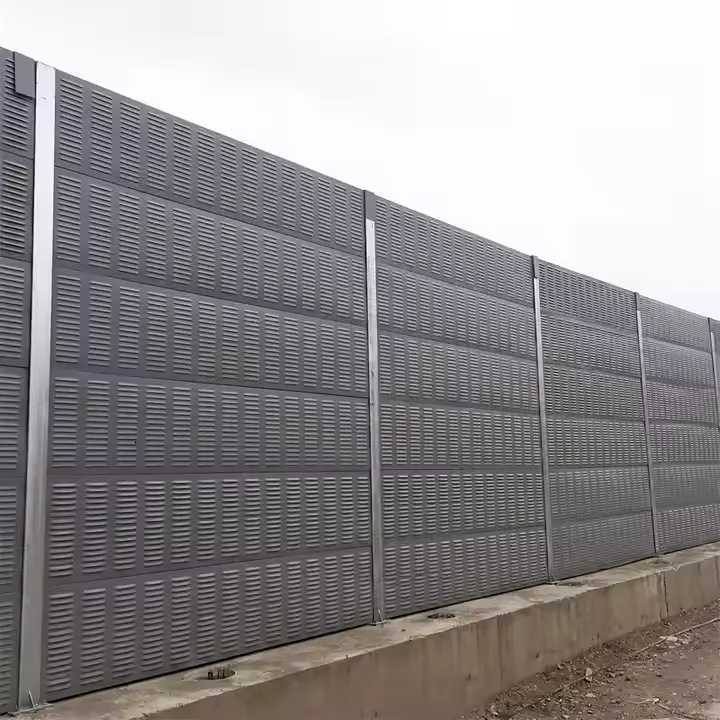
Figure 6: Professional installation of Metal Noise Barrier systems.
Conclusion
The deployment of advanced **Metal Noise Barrier** systems represents a critical investment for industries and infrastructure developers seeking to effectively manage noise pollution. As demonstrated, these barriers offer a sophisticated blend of robust construction, superior acoustic performance, long-term durability, and aesthetic adaptability. Their technical advantages, backed by rigorous manufacturing processes and adherence to international standards, position them as a reliable and cost-effective solution for a diverse range of B2B applications.
Choosing a knowledgeable and experienced vendor, capable of delivering customized solutions and comprehensive support, is paramount to unlocking the full potential of these essential acoustic technologies. By prioritizing quality, technical expertise, and client-focused service, businesses can ensure compliance, enhance operational environments, and contribute positively to community well-being through effective noise control.
References
- ISO 354:2003 Acoustics – Measurement of sound absorption in a reverberation room. International Organization for Standardization.
- ISO 717-1:2020 Acoustics – Rating of sound insulation in buildings and of building elements – Part 1: Airborne sound insulation. International Organization for Standardization.
- EN 1793-1:2017 Road traffic noise reducing devices – Test method for determining the acoustic performance – Part 1: Intrinsic characteristics of sound absorption under diffuse sound field conditions. European Committee for Standardization.
- EN 1793-2:2017 Road traffic noise reducing devices – Test method for determining the acoustic performance – Part 2: Intrinsic characteristics of airborne sound insulation under diffuse sound field conditions. European Committee for Standardization.
- Occupational Safety and Health Administration (OSHA). (2023). Noise and Hearing Conservation. U.S. Department of Labor.
- European Union (EU). (2002). Directive 2002/49/EC on the assessment and management of environmental noise. Official Journal of the European Communities.

Related Products

Related News


2026-03-16 14:21:07
Discover durable farming solutions and flexible animal containment with hinge-knot field fence. Combining impact-resistant design and customizable options, Hebei Jinjiu ensures quality for agricultural applications. Explore now: https://www.jinjiuwiremesh.com/field-fencefarm-fence.html
2026-03-16 14:21:07
Discover durable farming solutions and flexible animal containment with hinge-knot field fence. Combining impact-resistant design and customizable options, Hebei Jinjiu ensures quality for agricultural applications. Explore now: https://www.jinjiuwiremesh.com/field-fencefarm-fence.html
2027-04-14 00:00:00
Discover durable farming solutions and flexible animal containment with hinge-knot field fence. Combining impact-resistant design and customizable options, Hebei Jinjiu ensures quality for agricultural applications. Explore now: https://www.jinjiuwiremesh.com/field-fencefarm-fence.html
2026-02-25 15:31:06
The Strategic Role of the Industrial Electric Fence in Modern Commerce
The protection of corporate and manufacturing assets has transitioned from a matter of simple boundary marking to a complex necessity of risk management.
2026-02-25 15:29:03
The Evolution of Physical Protection: Bullet Resistant Defensive Barriers in Modern Security
In an increasingly unpredictable global landscape, the requirement for high-level ballistic protection has moved beyond the battlefield and into the core of civilian and industrial security infrastructure.
2026-02-25 15:26:58
The Digital Backbone of Modern Security: Connected Pulse Monitoring Electric Fence Architecture
The traditional concept of a perimeter has undergone a fundamental transformation.
2026-02-25 15:24:13
Securing the Unreachable with a Powerful Pulse Electric Fence
In the realm of global security, the distinction between a standard boundary and a high-security perimeter is often defined by the technology pulsing through the wires.
2027-04-14 00:00:00
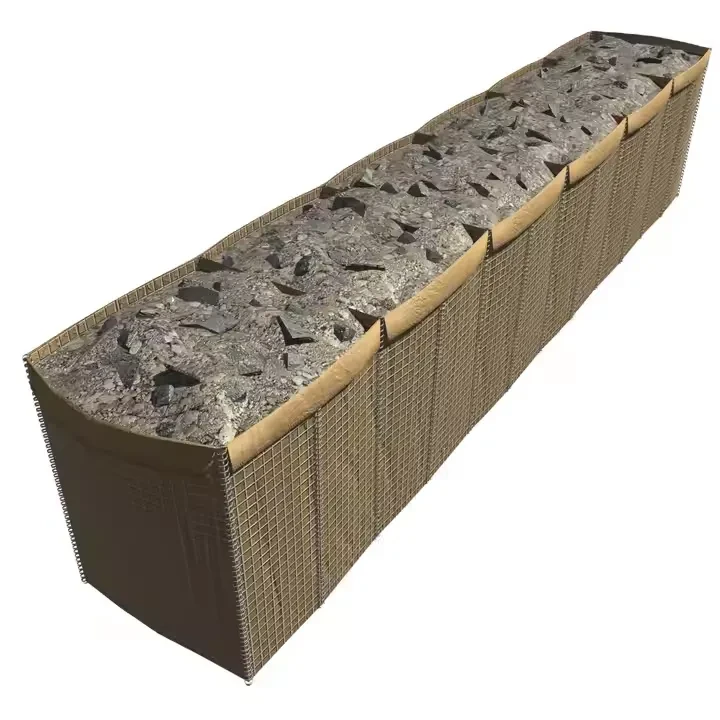
Engineering Resilience with Explosion Proof Defensive Barriers
In an era where industrial safety and national security are increasingly intertwined, the necessity for specialized protection in volatile environments has never been higher.


 English
  Albanian
  Arabic
  Bengali
  Czech
Czech  Danish
  Dutch
Dutch  Finnish
  French
  German
  Japanese
  Malay
Malay  Persian
  Polish
  Portuguese
  Romanian
  Russian
  Serbian
  Spanish
  Swahili