





Hebei Jinjiu Metal Products Co.,Ltd


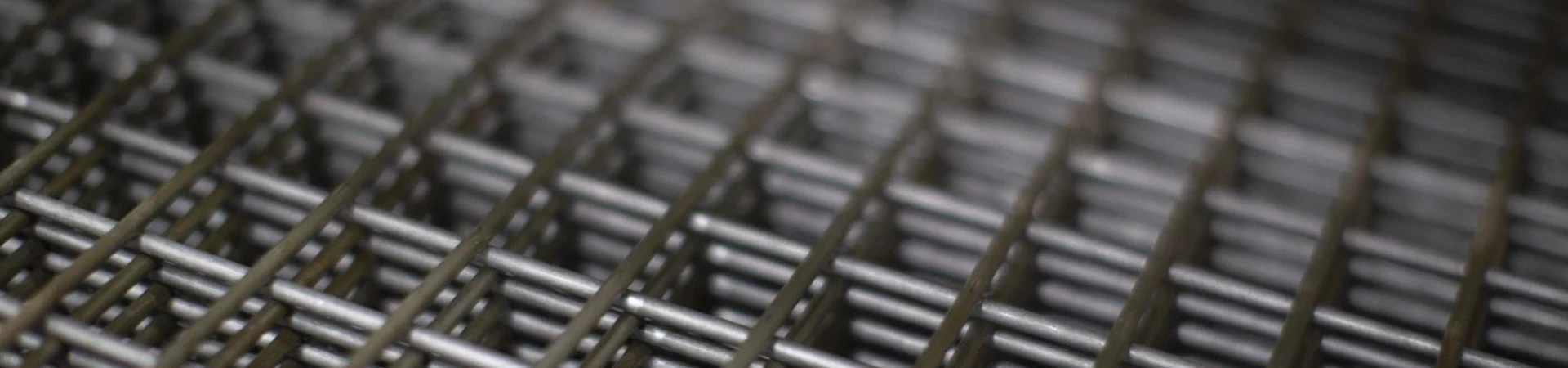

Defense Fence Tank Tracks Wound Net: Durable Protection Solutions
Nov . 18, 2025 09:33
Why Defense Fence Tank Tracks Wound Net Still Matter in Security
Having worked many years in the industrial equipment sector—especially around tough protective barriers—I can say there's something almost timeless about defense fence tank tracks wound nets. You might think in this age of drones and sensors, these old-school physical barriers would take a back seat. But no, oddly enough, they're still front and center on a lot of high-security sites.
It’s not just nostalgia. These nets are ingeniously designed to stop or at least slow down tank movement. In real terms, that means a few extra seconds, maybe minutes, of critical delay before heavy machinery or hostile vehicles can breach a line. And trust me, in military or industrial defense, seconds count.
Defense fence tank tracks wound net is typically made from tough galvanized steel wire mesh woven into a form that’s both rigid and flexible enough to contour uneven terrain. The visual similarity to coil springs you might’ve seen on train tracks or tanks isn’t accidental—it absorbs force and distributes weight, making it harder for tanks to cut through or crush them.
Product Specifications Worth Knowing
| Specification | Details |
|---|---|
| Material | High tensile galvanized steel wire |
| Wire Diameter | 3.5 - 5 mm |
| Mesh Size | 50 mm x 50 mm (approx.) |
| Coating | Hot dipped galvanized or PVC coated |
| Roll Dimensions | Width: 1.5m; Length: up to 30m |
| Weight per Roll | Approximately 80-100 kg |
Key Advantages and Typical Use Cases
What really stands out, at least from my perspective, is how this tank track wound net balances strength and deployability. You can roll out hundreds of meters quickly in challenging terrain, unlike concrete blocks or welded fences that are labor-intensive and permanent. Plus, these nets can be stacked or doubled up—depending on the threat level—which is a nice touch for modular defense planning.
Military bases, border zones, and critical infrastructure sites often deploy these nets as a first line of defense. They’re not just a physical obstacle but a psychological deterrent. Many engineers I've talked to say the texture and the noisy crunching sound under heavy vehicles boost visibility, making intruders think twice.
Once, a client in Eastern Europe shared how a custom-sized wound net installation prevented unauthorized tracked vehicles from penetrating a fuel depot perimeter during a tense period. It's those kinds of stories that bring home why such seemingly simple products are still irreplaceable.
Comparing the Leading Vendors of Tank Track Wound Nets
| Vendor | Material Quality | Customization Options | Delivery Time | Typical Price Range (per roll) |
|---|---|---|---|---|
| Jinjiu Wire Mesh | Galvanized, high tensile steel | Width, length, coating options | 3-4 weeks | $400 - $600 |
| SecureMesh Inc. | Stainless steel option | Limited sizes; no coating options | 4-5 weeks | $450 - $700 |
| Fortress Defenders | Galvanized mild steel | Standard sizes only | 2-3 weeks | $350 - $550 |
You’ll notice Jinjiu Wire Mesh consistently scores well for customization and material quality — which is crucial when the net has to do more than just “look sturdy.” A side note: their attention to detail in coating options means longer field life, especially in wet or corrosive environments. I once inspected installations after 5 years and they looked almost new.
Final Thoughts on Defense Fence Tank Tracks Wound Net
Fade-resistant, versatile, and surprisingly adaptable—these nets wrap up a lot of what you want in defensive fencing. While some folks might focus heavily on electronic or temporary barriers, I feel the tangible, physical grit of tank track wound nets will remain a core safeguard.
So, the next time you think about armored vehicle defense, remember: sometimes the best solutions are those that quietly bear the weight for decades, unnoticed but unwavering.
References & Reflections
- Technical specs and product insights from Jinjiu Wire Mesh official literature.
- Field accounts from Eastern European military base fence installations.
- Discussions with security engineers on mesh materials and longevity.

Related Products

Related News


2026-03-16 14:21:07
Discover durable farming solutions and flexible animal containment with hinge-knot field fence. Combining impact-resistant design and customizable options, Hebei Jinjiu ensures quality for agricultural applications. Explore now: https://www.jinjiuwiremesh.com/field-fencefarm-fence.html
2026-03-16 14:21:07
Discover durable farming solutions and flexible animal containment with hinge-knot field fence. Combining impact-resistant design and customizable options, Hebei Jinjiu ensures quality for agricultural applications. Explore now: https://www.jinjiuwiremesh.com/field-fencefarm-fence.html
2027-04-14 00:00:00
Discover durable farming solutions and flexible animal containment with hinge-knot field fence. Combining impact-resistant design and customizable options, Hebei Jinjiu ensures quality for agricultural applications. Explore now: https://www.jinjiuwiremesh.com/field-fencefarm-fence.html
2026-02-25 15:31:06
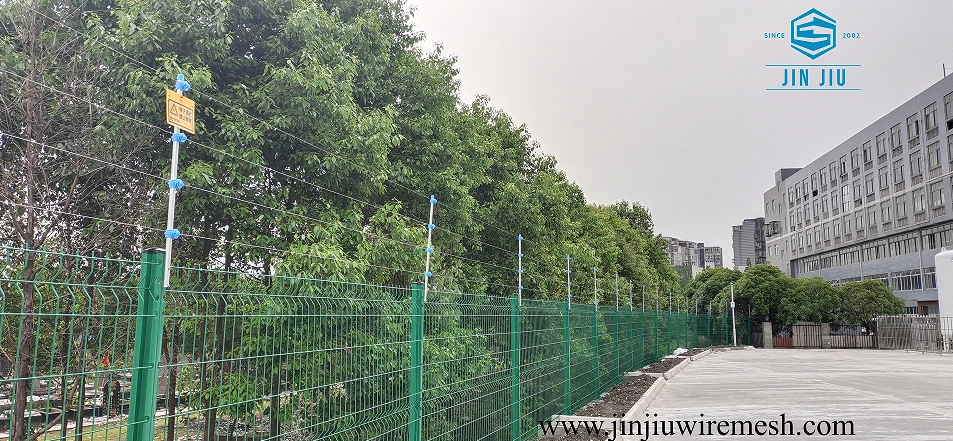
The Strategic Role of the Industrial Electric Fence in Modern Commerce
The protection of corporate and manufacturing assets has transitioned from a matter of simple boundary marking to a complex necessity of risk management.
2026-02-25 15:29:03
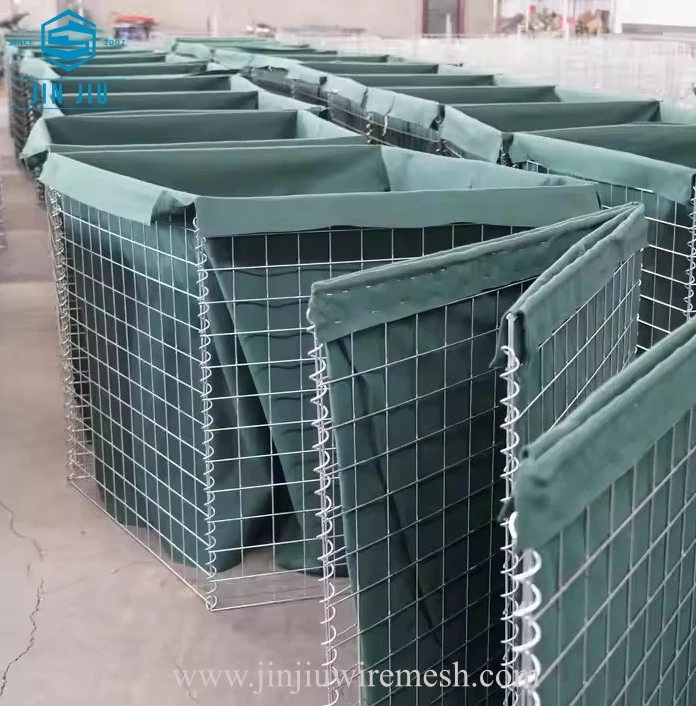
The Evolution of Physical Protection: Bullet Resistant Defensive Barriers in Modern Security
In an increasingly unpredictable global landscape, the requirement for high-level ballistic protection has moved beyond the battlefield and into the core of civilian and industrial security infrastructure.
2026-02-25 15:26:58
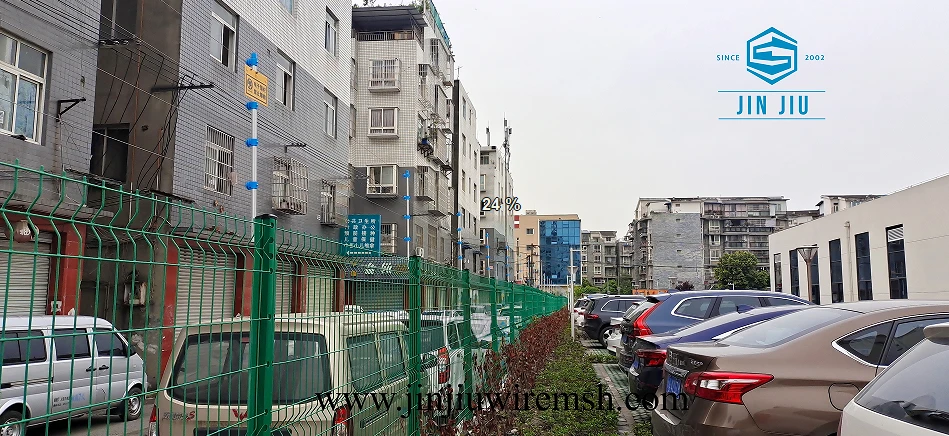
The Digital Backbone of Modern Security: Connected Pulse Monitoring Electric Fence Architecture
The traditional concept of a perimeter has undergone a fundamental transformation.
2026-02-25 15:24:13
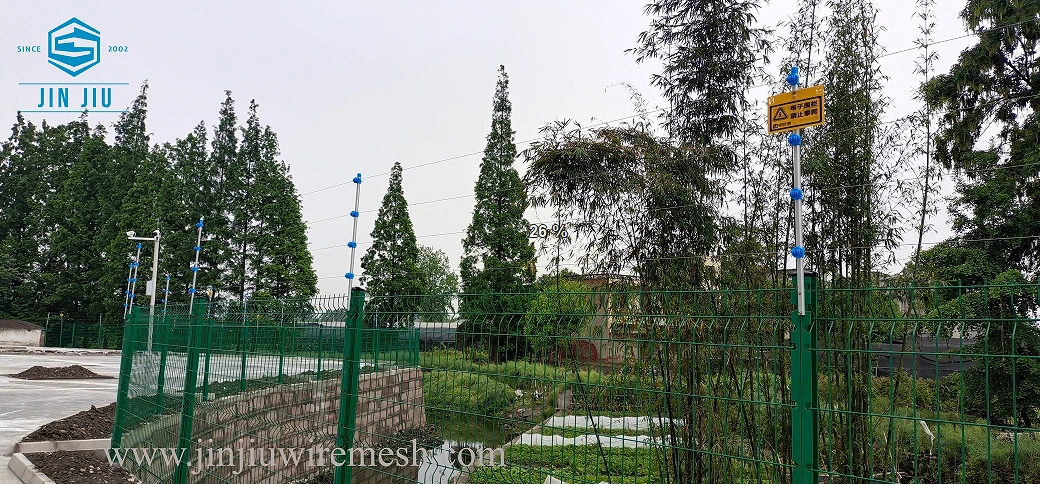
Securing the Unreachable with a Powerful Pulse Electric Fence
In the realm of global security, the distinction between a standard boundary and a high-security perimeter is often defined by the technology pulsing through the wires.
2027-04-14 00:00:00
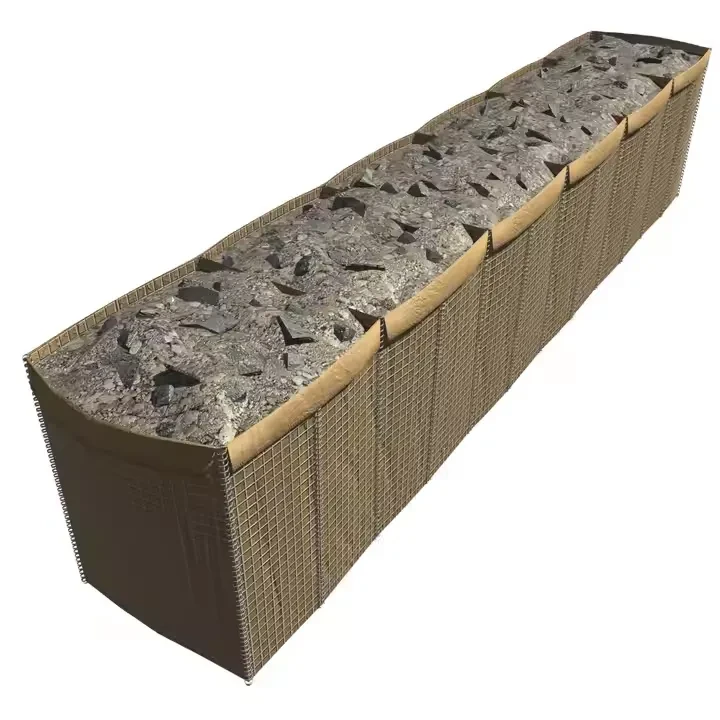
Engineering Resilience with Explosion Proof Defensive Barriers
In an era where industrial safety and national security are increasingly intertwined, the necessity for specialized protection in volatile environments has never been higher.


 English
  Albanian
  Arabic
  Bengali
  Czech
Czech  Danish
  Dutch
Dutch  Finnish
  French
  German
  Japanese
  Malay
Malay  Persian
  Polish
  Portuguese
  Romanian
  Russian
  Serbian
  Spanish
  Swahili