





Hebei Jinjiu Metal Products Co.,Ltd



Diamond Razor Wire | High-Security, Anti-Climb, Rustproof
Oct . 27, 2025 16:25
Field Notes on Diamond Razor Wire: Specs, Trends, and Real-World Lessons
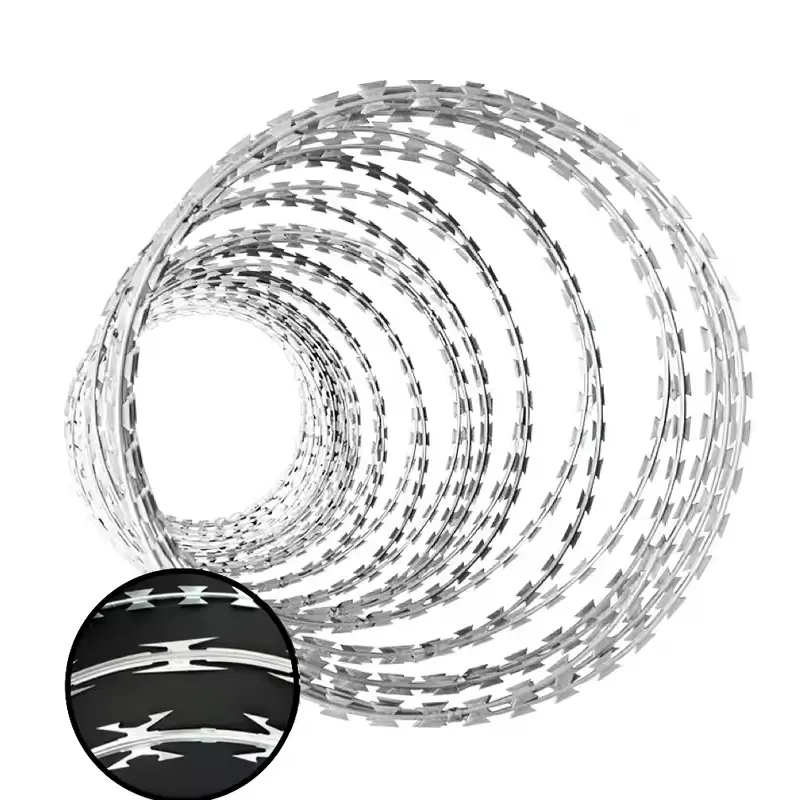
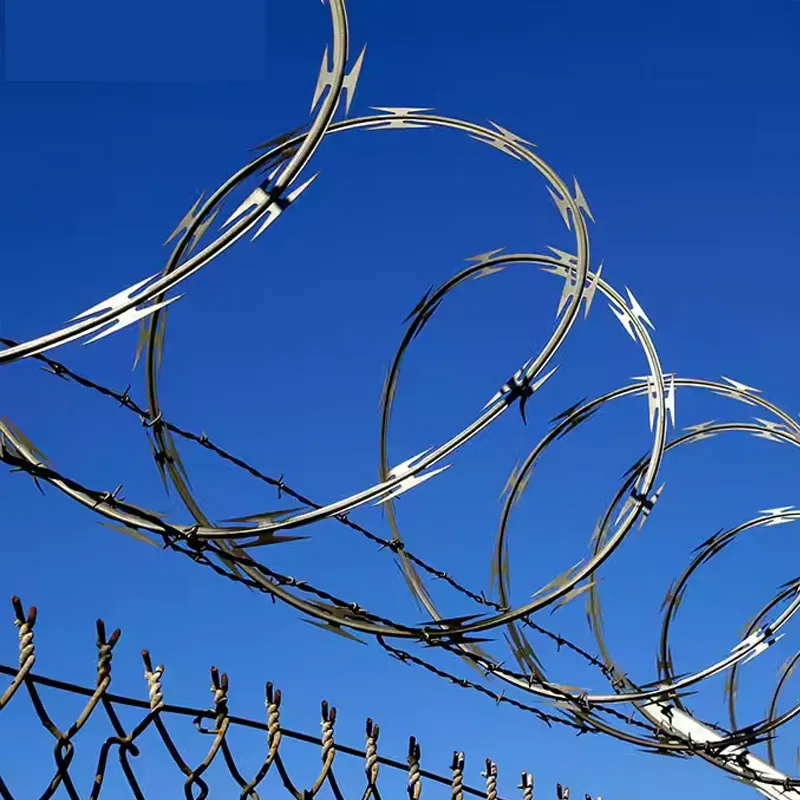
I’ve walked more perimeters than I can remember—ports at dawn, dusty fuel depots, quiet data centers on weekends. Security isn’t abstract there; it’s tactile. And that’s exactly where Diamond Razor Wire earns its keep: when deterrence must be obvious, durable, and fast to deploy. Manufactured in the High-tech Industrial Park, Anping County, Hebei (China’s wire-mesh heartland), this Cross Razor Wire combines BTO and CBT blade styles for a very unfriendly profile—by design, of course.
What’s moving the market
Three trends keep popping up in interviews: rapid-install barriers for events and crises, corrosion performance (coastal projects won’t compromise), and compliance documentation. To be honest, procurement teams now ask for ISO + salt-spray data before they ask for diameter. And they should.
Process flow and materials (how it’s actually made)
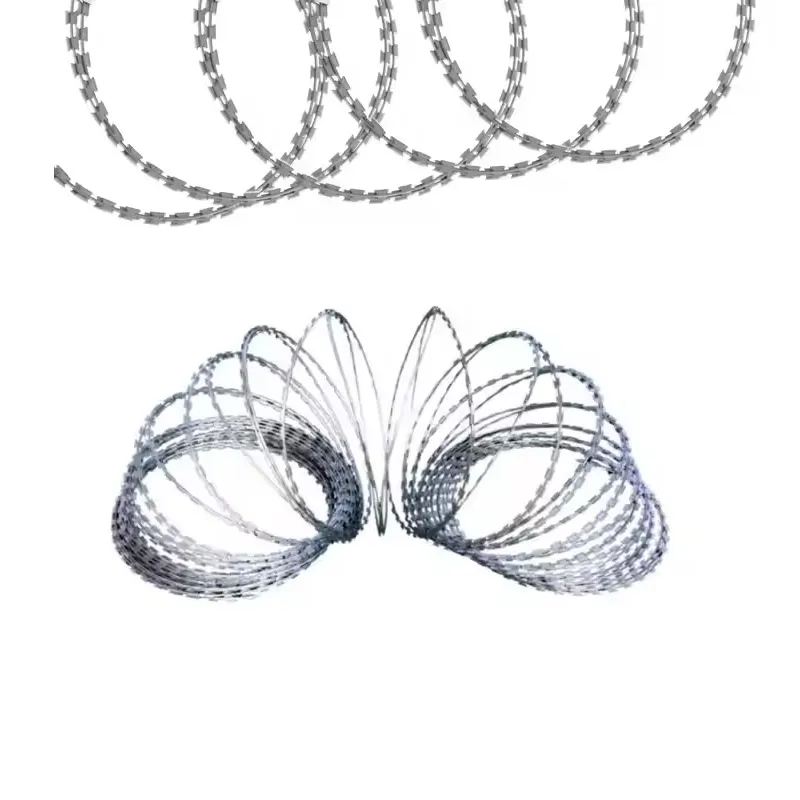
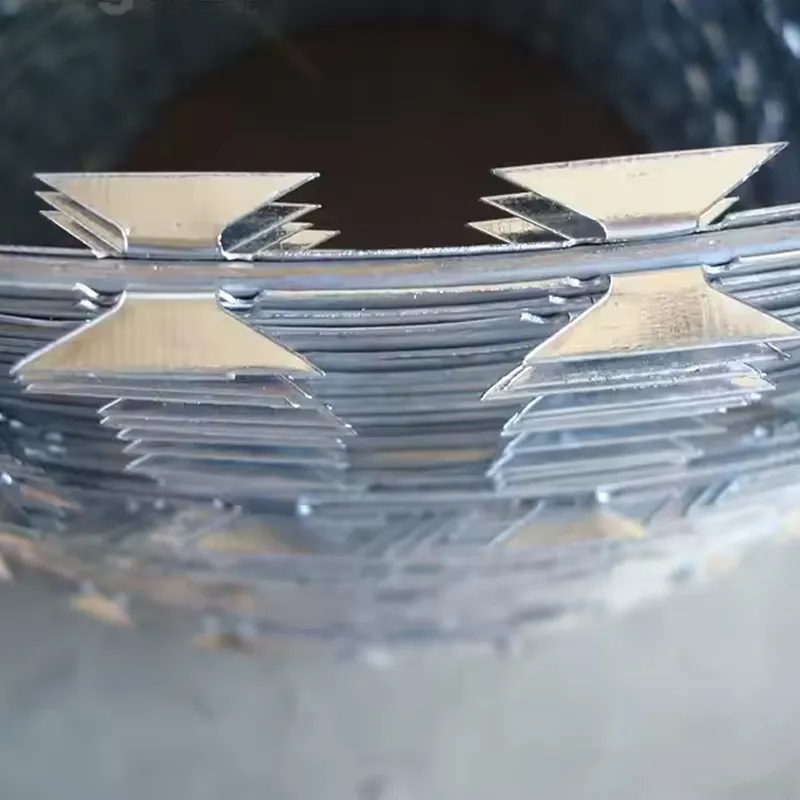
Core wire is high-tensile galvanized or stainless steel. Blade strip—typically GI or 430/304 stainless—is slit, then stamped into BTO/CBT profiles. The blade strip is crimped around the core, then coiled into concertina sets and cross-clipped (stainless clips) for rigidity. Typical finishes: heavy galvanizing or PVC over-galv for harsh sites. Every batch I’ve seen worth buying comes with tensile tests, zinc-layer checks, and a salt-spray report.
Core specifications (typical)
| Parameter | Spec (≈/range) | Notes |
|---|---|---|
| Blade styles | BTO-22, BTO-30, CBT-65 | Barbed Tape Obstacle (BTO) & Concertina Barbed Tape (CBT) |
| Core wire tensile | ≈ 1200–1500 MPa | High-carbon galvanized or SS |
| Zinc coating (sheet) | Z275–Z450 | ASTM A653 / EN classes |
| Coil diameter | 450 / 730 / 980 mm | Other sizes on request |
| Loops per coil | 33 / 55 / 77 | More loops = denser barrier |
| Service life | ≈ 10–25 yrs | Real-world use may vary (marine vs. inland) |
Testing standards I like to see on the certs: ISO 9227 salt spray (≥ 480–720 h on GI blades), coating per ASTM A653 or EN 10244-2 for wire, and a tidy ISO 9001 quality system. Some vendors add pull-out and clip shear tests, which is great.
Where it’s used (and why it works)
- Wall-topping on block, precast, or steel palisade
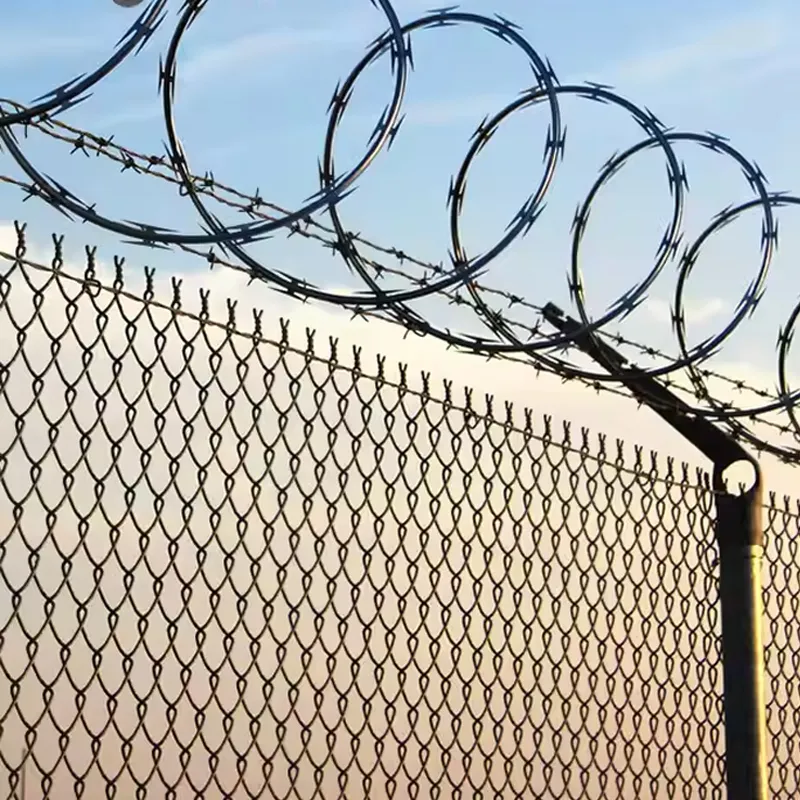
- Chain-link fence upgrade (airport/port perimeters)
- Mobile concertina barriers for events or emergencies
- Oil & gas yards, mining camps, solar farms, data centers, detention sites
Advantages that matter: high psychological deterrence, fast deployment (two techs, one afternoon—done), and predictable cost-of-ownership. Many customers say the visibility alone reduces attempts. Surprisingly, maintenance is usually limited to clip checks and occasional vegetation clearing.
Vendor comparison (quick reality check)
| Vendor | Origin | Lead Time | Standards | Warranty |
|---|---|---|---|---|
| Jinjiu Wire Mesh | Anping, Hebei | ≈ 10–20 days | ISO 9001, ASTM A653, ISO 9227 | 12–24 months |
| Regional Trader | Mixed OEM | ≈ 2–6 weeks | Varies | 6–12 months |
| Local Fabricator | Domestic | Short | Often basic | Project-based |
Customization checklist
- Blade: BTO-22 for general sites; BTO-30/CBT-65 for high-risk
- Diameter: 450 mm for walls; 730–980 mm for stand-alone barriers
- Finish: heavy GI for inland; PVC-over-GI or SS for marine
- Clips: SS304; add extra clips for wind-prone corridors
Recent test data (typical, lab-verified): salt spray 720 h (no red rust on blade face), clip shear > 1.8 kN, loop joint pull > 3.5 kN. Your mileage varies with install quality and environment, obviously.
Case notes and feedback
Port authority, SE Asia: swapped barbed wire for Diamond Razor Wire 730 mm coils—reported a 42% drop in night incursions within two months. Australian solar farm: PVC-coated sets cut maintenance time in coastal wind; manager said, “Nobody even tries now.” EU warehouse ring road: temporary concertina on moveable frames worked so well they kept it as a semi-permanent layer.
Compliance snapshot
- Quality system: ISO 9001
- Corrosion: ISO 9227 salt spray (report on request)
- Materials: ASTM A653 zinc-coated strip; EN 10244-2 galvanized wire
- Environment: RoHS/REACH statements available
If you’re specifying Diamond Razor Wire, ask for blade profile drawings, coil layout, clip count per coil, and a recent salt-spray report. It sounds fussy. It isn’t—just good practice.
Authoritative citations

Related Products
Related News


2026-03-16 14:21:07
Discover durable farming solutions and flexible animal containment with hinge-knot field fence. Combining impact-resistant design and customizable options, Hebei Jinjiu ensures quality for agricultural applications. Explore now: https://www.jinjiuwiremesh.com/field-fencefarm-fence.html
2026-03-16 14:21:07
Discover durable farming solutions and flexible animal containment with hinge-knot field fence. Combining impact-resistant design and customizable options, Hebei Jinjiu ensures quality for agricultural applications. Explore now: https://www.jinjiuwiremesh.com/field-fencefarm-fence.html
2027-04-14 00:00:00
Discover durable farming solutions and flexible animal containment with hinge-knot field fence. Combining impact-resistant design and customizable options, Hebei Jinjiu ensures quality for agricultural applications. Explore now: https://www.jinjiuwiremesh.com/field-fencefarm-fence.html
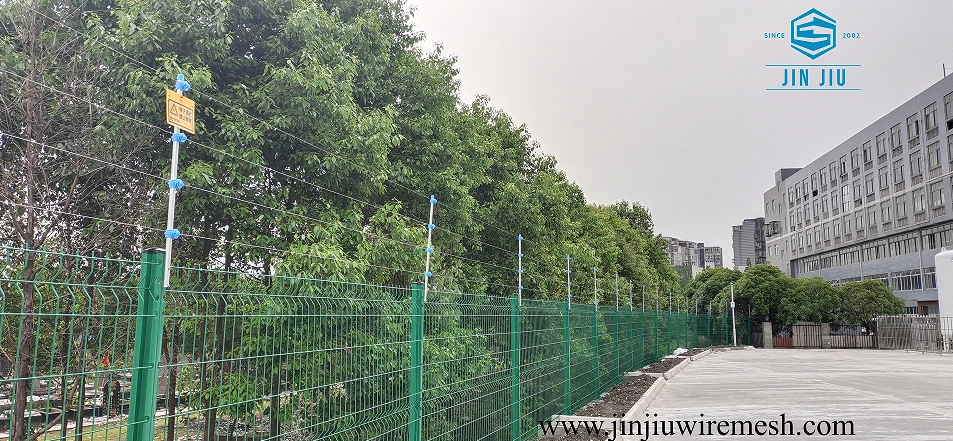
2026-02-25 15:31:06
The Strategic Role of the Industrial Electric Fence in Modern Commerce
The protection of corporate and manufacturing assets has transitioned from a matter of simple boundary marking to a complex necessity of risk management.
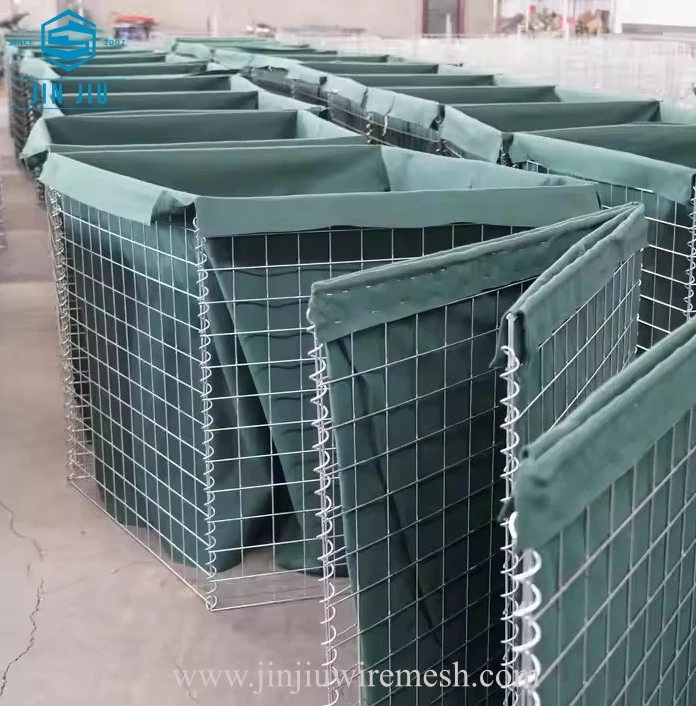
2026-02-25 15:29:03
The Evolution of Physical Protection: Bullet Resistant Defensive Barriers in Modern Security
In an increasingly unpredictable global landscape, the requirement for high-level ballistic protection has moved beyond the battlefield and into the core of civilian and industrial security infrastructure.
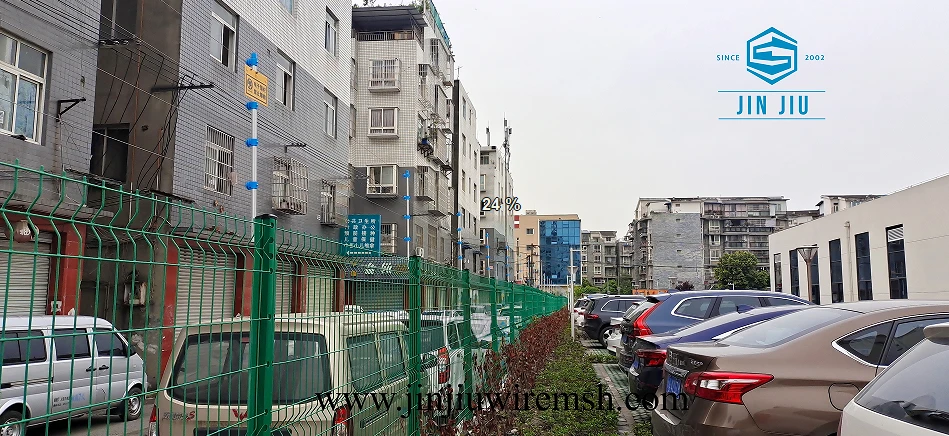
2026-02-25 15:26:58
The Digital Backbone of Modern Security: Connected Pulse Monitoring Electric Fence Architecture
The traditional concept of a perimeter has undergone a fundamental transformation.
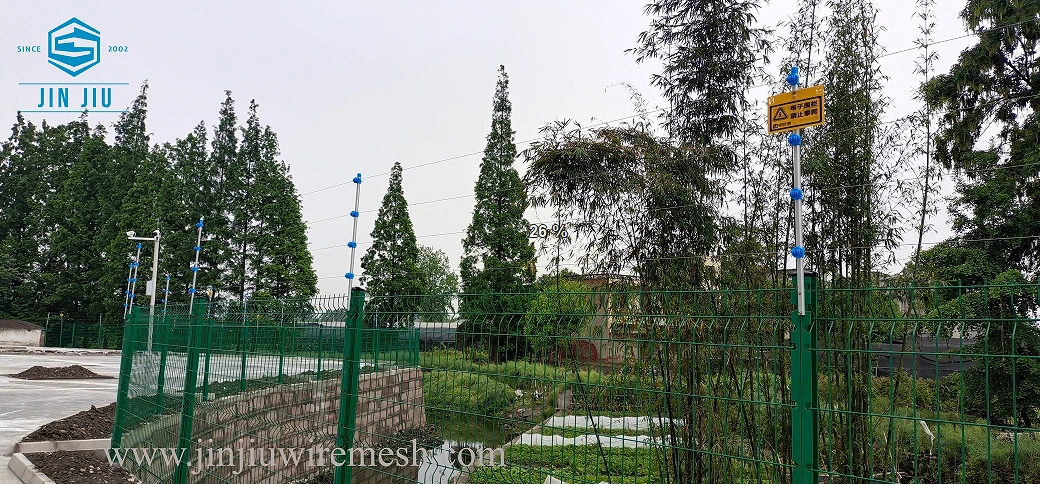
2026-02-25 15:24:13
Securing the Unreachable with a Powerful Pulse Electric Fence
In the realm of global security, the distinction between a standard boundary and a high-security perimeter is often defined by the technology pulsing through the wires.
2027-04-14 00:00:00
Engineering Resilience with Explosion Proof Defensive Barriers
In an era where industrial safety and national security are increasingly intertwined, the necessity for specialized protection in volatile environments has never been higher.


 English
  Albanian
  Arabic
  Bengali
  Czech
Czech  Danish
  Dutch
Dutch  Finnish
  French
  German
  Japanese
  Malay
Malay  Persian
  Polish
  Portuguese
  Romanian
  Russian
  Serbian
  Spanish
  Swahili