





Hebei Jinjiu Metal Products Co.,Ltd


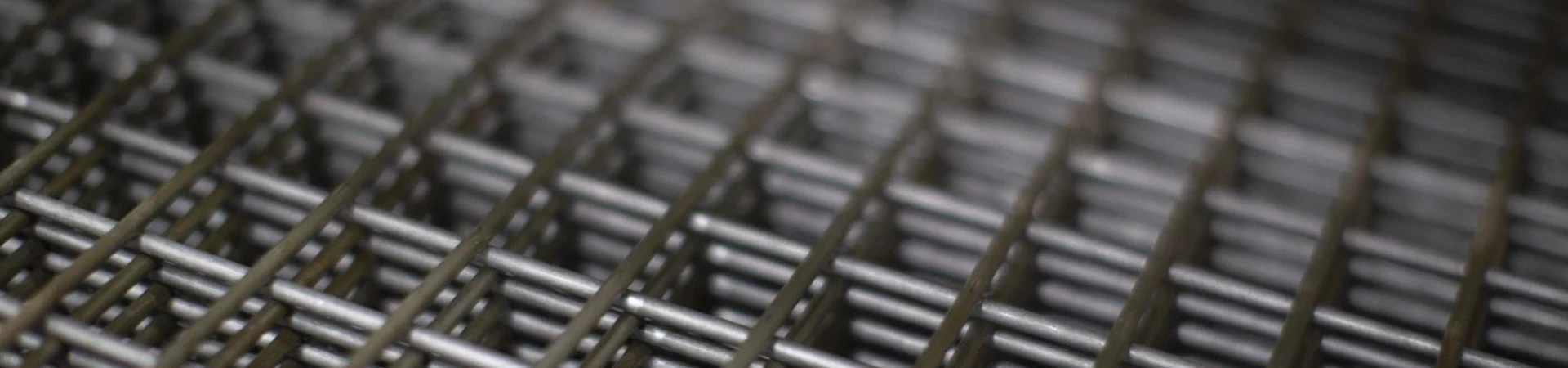

Durable and Discreet mzp Low Visibility Barriers for Global Safety & Security
Nov . 28, 2025 12:10
Understanding mzp Low Visibility Barriers: Why It Matters Globally
In an increasingly complex world, barriers don’t just mean fences or walls anymore. mzp low visibility barriers have quietly become vital tools in safety, security, and humanitarian efforts worldwide. If you’re scratching your head wondering what these are, why they matter, or what difference they could make, you’re not alone. These specialized barriers blend durability with subtlety, offering protection without screaming “obstacle” — an attribute that’s surprisingly valuable in industries ranging from disaster relief to urban infrastructure.
Why the fuss? Globally, the need for efficient crowd control, secure perimeter management, or discreet safety installations is growing, especially as urban populations swell and natural disasters strain humanitarian responses. Understanding mzp low visibility barriers reveals a new layer of strategic thinking in safety design—where barriers protect but don’t dominate the landscape.
Global Context: The Rising Demand for Smart Safety Solutions
By 2030, the United Nations predicts that nearly 60% of people worldwide will live in cities. With that, challenges like secure crowd management, preventing unauthorized access to sensitive sites, or controlling hazardous zones become exponentially harder. Enter mzp low visibility barriers — offering a promising solution that balances safety, aesthetics, and practicality.
Industrial zones in Asia and remote humanitarian sites in Africa particularly underscore the urgent need for these barriers. A recent ISO report emphasized how adaptive infrastructure can reduce response times in emergencies, and mzp low visibility barriers fit that bill by being quick to deploy yet subtly effective. It’s a neat solution to a tangled problem.
What Exactly Are mzp Low Visibility Barriers?
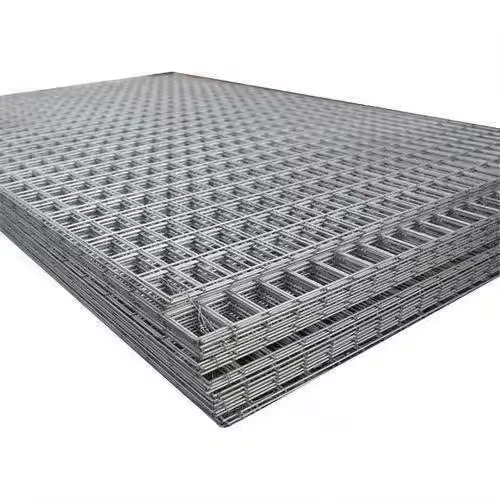
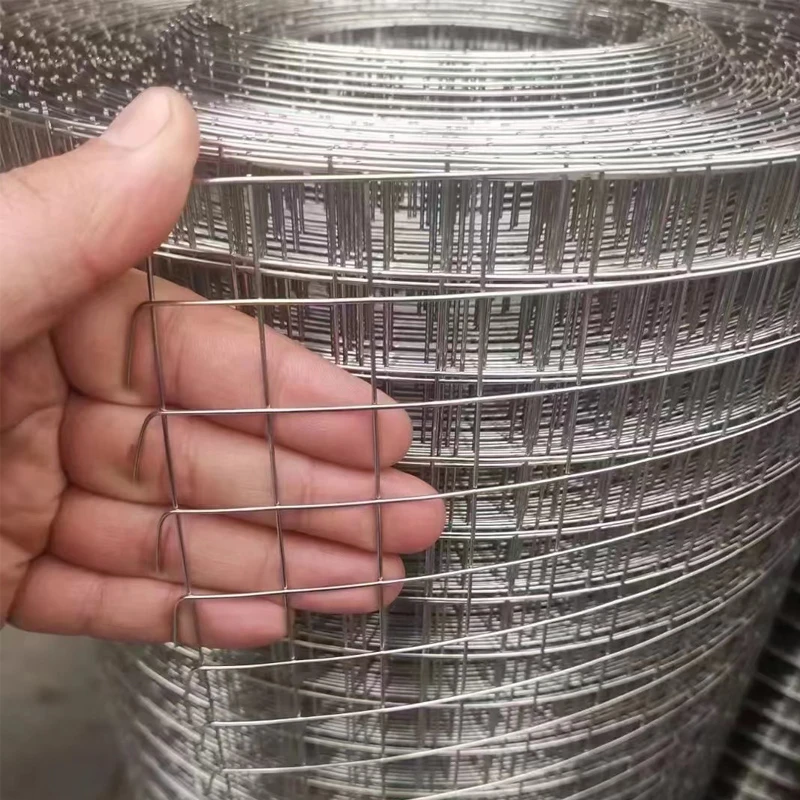
Simply put, these are physical barriers designed to limit access or provide segregation without catching your eye too much. Unlike traditional heavy fences or barricades, mzp low visibility barriers use materials and construction methods that make them blend with their surroundings — think mesh panels, slim profiles, and muted colors.
They’re not just about looking “nice,” though. These barriers meet rigorous security, durability, and adaptability standards which modern industries and NGOs rely on. From refugee camps where dignity is paramount, to industrial sites where equipment safety matters, these barriers quietly play their part.
Core Components That Make mzp Low Visibility Barriers Work
1. Durability
Engineered for harsh conditions, these barriers typically incorporate galvanized steel or weather-rated alloys. If you've ever inspected fencing after a storm, the difference in longevity is clear—these are built to last years without costly maintenance. Many engineers note that resistance to rust and physical damage isn’t a luxury; it’s a must-have for effective barrier design.
2. Discretion
The "low visibility" part is no marketing gimmick. Using fine mesh or slim frames, these barriers don’t obstruct sightlines or clash with the environment. In practical terms, that means less visual pollution and a subtle safety presence — ideal for sensitive sites like historic landmarks or community spaces.
3. Scalability
One standout feature is how modular and flexible the barriers can be. You can start small, then extend or relocate sections as needs change. This is a game-changer for applications like temporary event security or shifting disaster relief zones, where requirements evolve on the fly.
4. Cost-Efficiency
Compared to bulky, permanent walls or high-tech electronic gates, mzp low visibility barriers often come at a fraction of the cost. Their maintenance is minimal, and installation is straightforward — often a few hands and simple tools suffice. For organizations operating on tight budgets, this is a clear win.
Where and How Are mzp Low Visibility Barriers Making a Difference?
Globally, they’re quietly reshaping how we think about safety and access control.
- Post-Disaster Relief: In the aftermath of earthquakes or floods, refugees need space that’s safe yet humane. These barriers provide secure perimeters without the harshness of traditional fencing.
- Industrial Zones: Remote mining or energy sites use them to mark hazardous areas subtly, reducing safety hazards while preserving visibility for workers.
- Urban Events: City marathons or festivals employ low visibility barriers to manage crowds without detracting from the event aesthetic.
- Wildlife Conservation: Protecting sensitive habitats demands care — here, subtle barriers prevent human encroachment without disturbing animal movement patterns.
Even government agencies value their unobtrusive nature — less aggressive than chain-link fences but just as effective.
Mini takeaway: mzp low visibility barriers blend safety with subtle sophistication, proving that sometimes less is more when protecting people and places.
The Tangible Benefits: Why Invest in These Barriers?
Beyond their obvious roles, the benefits are both practical and emotional.
- Safety: Reliable protection reduces accidents and theft, keeping facilities secure.
- Dignity: In humanitarian contexts, harsh barriers can feel oppressive; these keep safety without sacrificing comfort or psychology.
- Innovation: Their modular and adaptable design fits a range of needs that older solutions can’t match.
- Sustainability: Longevity and materials reduce waste and environmental strain, aligning with green mandates.
Put simply, they offer peace-of-mind while staying out of the way — a subtle kind of trust building.
The Road Ahead: Trends Shaping mzp Low Visibility Barriers
Innovation never stops, and neither do the demands on these barriers. Expect to see:
- Eco-friendly materials: Biodegradable composites and recycled metals to reduce carbon footprints.
- Smart integration: Sensors embedded within barriers for instant alerts — automation meets peacekeeping.
- Improved modularity: Lighter, quicker-to-assemble designs that even non-experts can install.
- Policy support: International standards (like ISO 22322 on emergency management) increasingly recommend adaptive barrier solutions.
Challenges and How They're Overcome
Fair to say, no product is perfect. Some challenges include:
- Visibility vs. security trade-off: Sometimes low visibility can mean reduced deterrence; a balance must be struck.
- Environmental extremes: Coastal or desert areas demand special materials that resist corrosion or UV damage.
- Cost barriers: Upfront expenses, though lower than alternative security measures, can still limit adoption in low-income regions.
Manufacturers counter these using hybrid materials, community training for assembly and maintenance, and working closely with NGOs for tailored funding solutions.
Product Specifications of Typical mzp Low Visibility Barrier
| Feature | Specification | Notes |
|---|---|---|
| Material | Galvanized Steel Mesh / Composite Panels | Corrosion resistant |
| Height | 1.2m – 2m | Adjustable with extensions |
| Weight per panel | Approx. 12–18 kg | Light enough for manual handling |
| Installation | Modular, snap-fit connections | No heavy machinery required |
| Color | Matte earth tones, grey, green variants | Camouflaging effect |
Vendor Comparison: Selecting the Right mzp Low Visibility Barrier Supplier
| Vendor | Product Range | Price Range (USD) | Customization | Global Shipping |
|---|---|---|---|---|
| Jinjiu Wire Mesh | Compact mesh panels, earth-tone colors | $45–$70 per panel | Yes, modular sizing & finishing | Worldwide |
| SafeBarrier Ltd. | Metal frames, composite mesh | $50–$80 per panel | Limited | EU, North America |
| EcoFencing Inc. | Biodegradable composite panels | $60–$90 per panel | Yes, eco-material options | Worldwide |
Frequently Asked Questions About mzp Low Visibility Barriers
1. How quickly can mzp low visibility barriers be installed?
These barriers are designed for swift deployment, often installed within hours by two to three workers. Thanks to modular snap-fit connections, no heavy machinery or specialized tools are necessary, making them perfect for emergency or temporary applications.
2. Are mzp low visibility barriers suitable for harsh environments?
Absolutely. Most use galvanized steel or composite panels treated to withstand corrosive coastal air, UV exposure, and temperature extremes. Some vendors also supply eco-friendly material options tailored for sensitive ecological zones.
3. Can these barriers be customized in size or appearance?
Yes. Vendors like mzp low visibility barriers offer modular sizing, color variations to blend with environments, and finishes that suit both urban and rural needs. Custom orders often include specific height and length requirements.
4. How do these barriers compare to traditional fencing on cost?
While initial investments depend on materials and volume, mzp low visibility barriers tend to be more cost-effective long-term, thanks to lower installation and maintenance costs. Their modular nature also cuts down on replacement expenses.
5. Are mzp low visibility barriers widely available globally?
Increasingly so. Major manufacturers ship internationally, and organizations can procure them through partnerships with NGOs or suppliers specializing in humanitarian and industrial equipment.
Conclusion: More Than Just Barriers, They Are Strategic Solutions
mzp low visibility barriers embody a quiet revolution in how we protect, manage, and respect spaces around us. Their combination of discretion, durability, and scalability aligns with today’s complex global challenges—whether safeguarding people after disasters or maintaining industrial safety without overwhelming the environment.
So, if you find yourself scouring the market for a barrier solution that respects both function and form, consider exploring options like the ones offered by mzp low visibility barriers. They’re a subtle shift but could make a world of difference.
References:

Related Products

Related News


2026-03-16 14:21:07
Discover durable farming solutions and flexible animal containment with hinge-knot field fence. Combining impact-resistant design and customizable options, Hebei Jinjiu ensures quality for agricultural applications. Explore now: https://www.jinjiuwiremesh.com/field-fencefarm-fence.html
2026-03-16 14:21:07
Discover durable farming solutions and flexible animal containment with hinge-knot field fence. Combining impact-resistant design and customizable options, Hebei Jinjiu ensures quality for agricultural applications. Explore now: https://www.jinjiuwiremesh.com/field-fencefarm-fence.html
2027-04-14 00:00:00
Discover durable farming solutions and flexible animal containment with hinge-knot field fence. Combining impact-resistant design and customizable options, Hebei Jinjiu ensures quality for agricultural applications. Explore now: https://www.jinjiuwiremesh.com/field-fencefarm-fence.html
2026-02-25 15:31:06
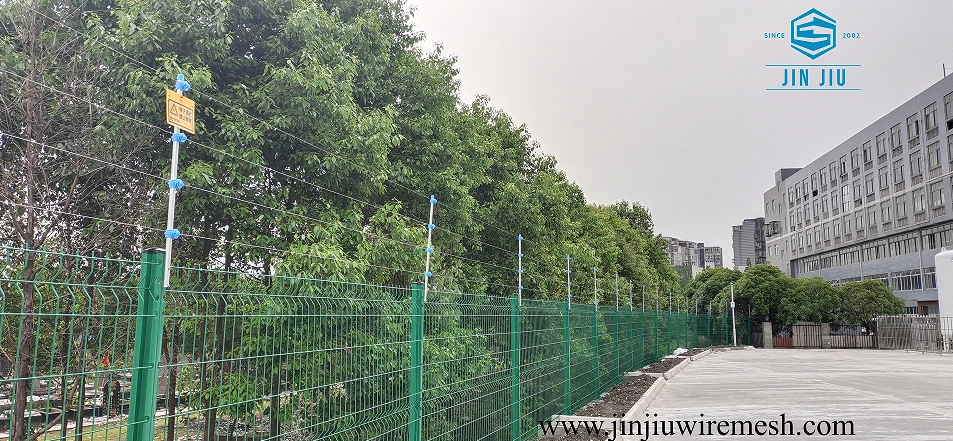
The Strategic Role of the Industrial Electric Fence in Modern Commerce
The protection of corporate and manufacturing assets has transitioned from a matter of simple boundary marking to a complex necessity of risk management.
2026-02-25 15:29:03
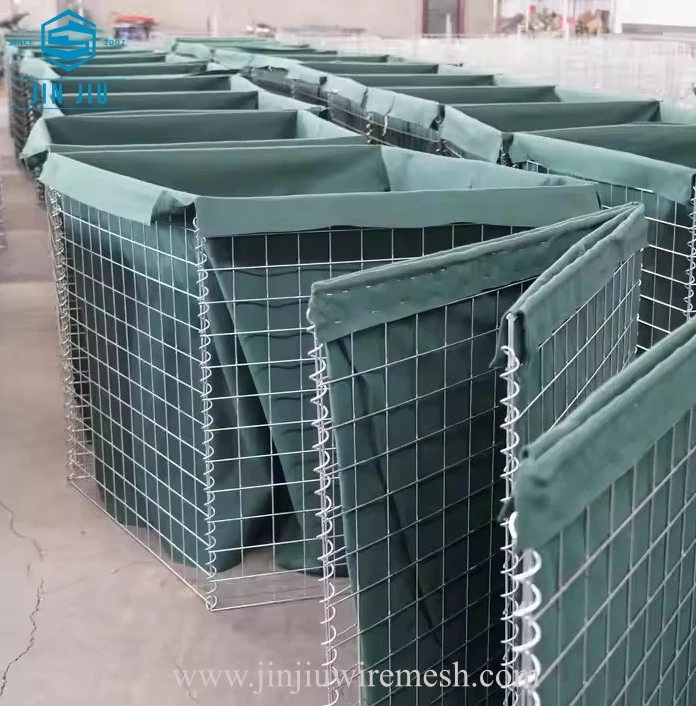
The Evolution of Physical Protection: Bullet Resistant Defensive Barriers in Modern Security
In an increasingly unpredictable global landscape, the requirement for high-level ballistic protection has moved beyond the battlefield and into the core of civilian and industrial security infrastructure.
2026-02-25 15:26:58
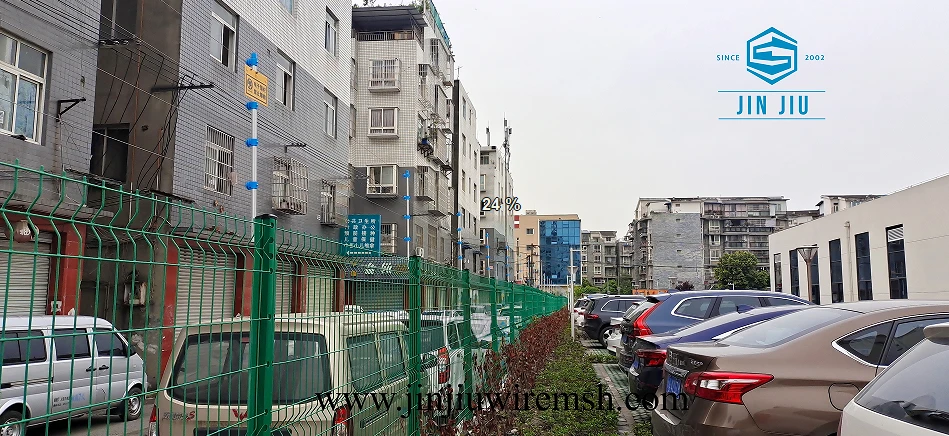
The Digital Backbone of Modern Security: Connected Pulse Monitoring Electric Fence Architecture
The traditional concept of a perimeter has undergone a fundamental transformation.
2026-02-25 15:24:13
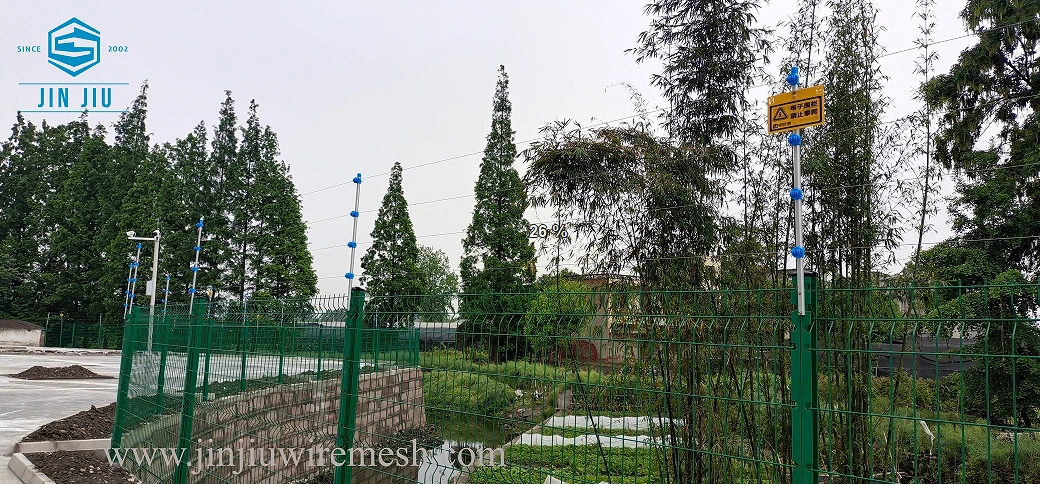
Securing the Unreachable with a Powerful Pulse Electric Fence
In the realm of global security, the distinction between a standard boundary and a high-security perimeter is often defined by the technology pulsing through the wires.
2027-04-14 00:00:00
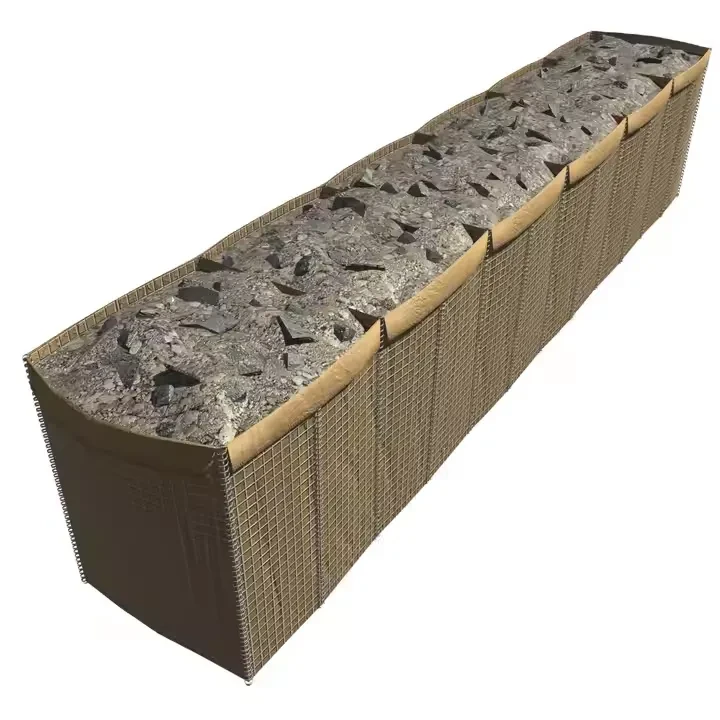
Engineering Resilience with Explosion Proof Defensive Barriers
In an era where industrial safety and national security are increasingly intertwined, the necessity for specialized protection in volatile environments has never been higher.


 English
  Albanian
  Arabic
  Bengali
  Czech
Czech  Danish
  Dutch
Dutch  Finnish
  French
  German
  Japanese
  Malay
Malay  Persian
  Polish
  Portuguese
  Romanian
  Russian
  Serbian
  Spanish
  Swahili