





Hebei Jinjiu Metal Products Co.,Ltd



Durable Anti-Tank Security Barrier Solutions for Industrial Sites
Nov . 13, 2025 13:00
What Makes an Anti-Tank Security Barrier Essential?
Having spent over a decade dabbling through the industrial security sector, I can say without hesitation that anti-tank security barriers are often the unsung heroes when it comes to protecting sensitive industrial and military sites. Not just because they must stop a vehicle the size and force of a tank, but also because they have to perform reliably under extreme conditions – from freezing winters to boiling summer heat.
Back in the day, the idea of an “anti-tank” barrier sounded a bit excessive for many commercial applications. But oddly enough, modern threats and the rise of heavyweight vehicles have pushed these barriers into places like power plants, embassies, and even high-security factories. What’s fascinating is the engineering behind them. It’s not just about brute force; there’s a lot of finesse in how they absorb impact and still remain structurally sound.
Key Specifications of a Reliable Anti-Tank Security Barrier
From my experience reviewing different designs and specs, these barriers typically balance several factors: material strength, impact resistance, installation flexibility, and maintenance needs. Most of the robust units are made from high-carbon steel or reinforced concrete with specific treatments to prevent corrosion – because rust is the biggest enemy after impact.
| Specification | Typical Value | Notes |
|---|---|---|
| Material | High-carbon steel / Reinforced concrete | Corrosion-resistant coatings applied |
| Impact Resistance | Designed to stop vehicles >60 metric tons at 50km/h | Crash test certified |
| Height | 1.2 to 1.5 meters | Optimal for vehicle stopping without excessive weight |
| Width per barrier | 2.5 to 3 meters | Modular design for easy installation |
| Installation | Surface-mounted or embedded foundations | Depends on site conditions |
Comparing Top Anti-Tank Barrier Vendors: What Sets Them Apart?
There are numerous manufacturers out there, but from what I've gathered in workshops and installations, it boils down to quality, customization options, and support. Here’s a quick rundown of a few popular names with their pros and cons as I’ve seen them on the ground.
| Vendor | Strengths | Weaknesses |
|---|---|---|
| Titan Defenses | Highly customizable, reliable crash test data, solid customer service | Longer lead times due to bespoke manufacturing |
| FortiSec Solutions | Competitive pricing, modular installation, fast delivery | Limited customization, mainly standardized models |
| Ironclad Engineering | Heavy-duty designs, corrosion-resistant coatings, good for harsh climates | Higher price point, limited installer network |
Why I Recommend a anti-tank security barrier for Your Facility
In all honesty, it’s not just about stopping a tank. It’s about peace of mind. I've worked at sites where the security barrier wasn’t the star of the show until a heavy vehicle tried breaching—it stopped cold. Clients who invested in these structures noticed a tangible drop in unauthorized access attempts simply because of their presence.
The barrier’s modularity also means you don’t have to start from scratch if your security needs evolve. I recall a manufacturing plant that expanded its perimeter and was able to add segments seamlessly without disrupting existing security. That flexibility is a godsend.
So yes, if you’re serious about security and want to avoid grim scenarios, investing in a well-engineered anti-tank security barrier isn’t a flashy move, but it’s one that pays dividends long-term.
References and reflections:
- Industrial Security Review, 2023 Edition – Crash test standards and impacts
- Field Notes from a Security Engineer – Personal experience with barrier installations (2015–2023)
- Supplier Workshops & Panel Discussions, 2022 – Vendor reliability and customization trends

Related Products

Related News


2026-03-16 14:21:07
Discover durable farming solutions and flexible animal containment with hinge-knot field fence. Combining impact-resistant design and customizable options, Hebei Jinjiu ensures quality for agricultural applications. Explore now: https://www.jinjiuwiremesh.com/field-fencefarm-fence.html
2026-03-16 14:21:07
Discover durable farming solutions and flexible animal containment with hinge-knot field fence. Combining impact-resistant design and customizable options, Hebei Jinjiu ensures quality for agricultural applications. Explore now: https://www.jinjiuwiremesh.com/field-fencefarm-fence.html
2027-04-14 00:00:00
Discover durable farming solutions and flexible animal containment with hinge-knot field fence. Combining impact-resistant design and customizable options, Hebei Jinjiu ensures quality for agricultural applications. Explore now: https://www.jinjiuwiremesh.com/field-fencefarm-fence.html
2026-02-25 15:31:06
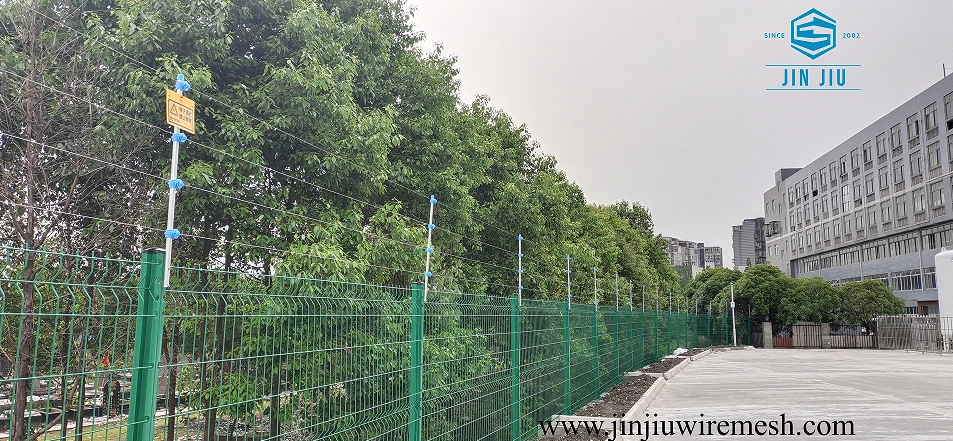
The Strategic Role of the Industrial Electric Fence in Modern Commerce
The protection of corporate and manufacturing assets has transitioned from a matter of simple boundary marking to a complex necessity of risk management.
2026-02-25 15:29:03
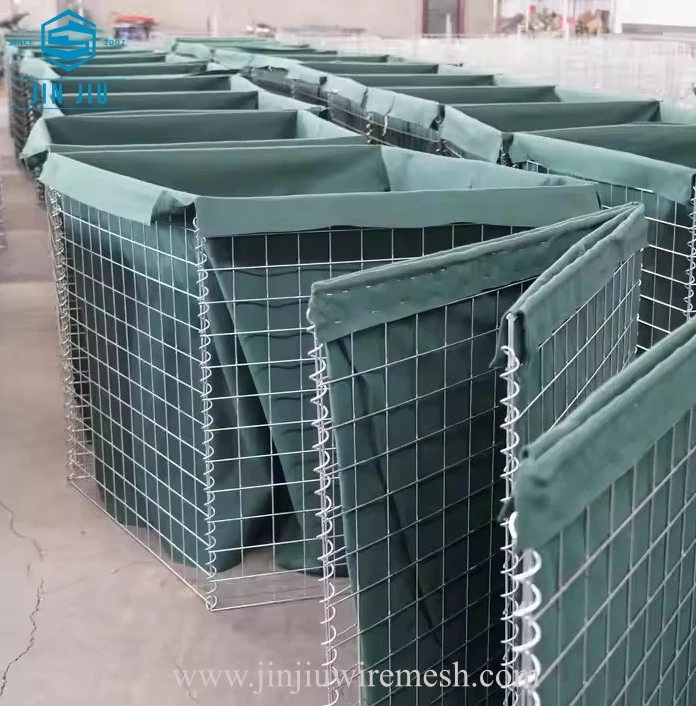
The Evolution of Physical Protection: Bullet Resistant Defensive Barriers in Modern Security
In an increasingly unpredictable global landscape, the requirement for high-level ballistic protection has moved beyond the battlefield and into the core of civilian and industrial security infrastructure.
2026-02-25 15:26:58
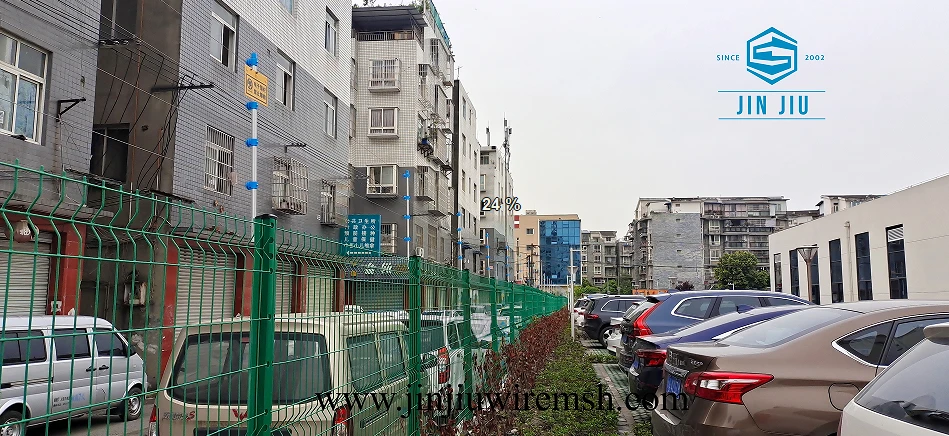
The Digital Backbone of Modern Security: Connected Pulse Monitoring Electric Fence Architecture
The traditional concept of a perimeter has undergone a fundamental transformation.
2026-02-25 15:24:13
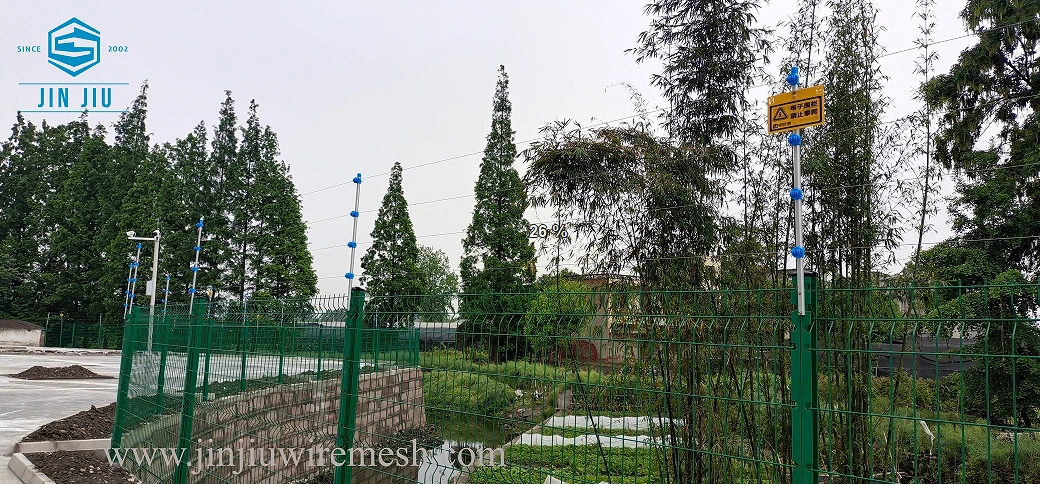
Securing the Unreachable with a Powerful Pulse Electric Fence
In the realm of global security, the distinction between a standard boundary and a high-security perimeter is often defined by the technology pulsing through the wires.
2027-04-14 00:00:00
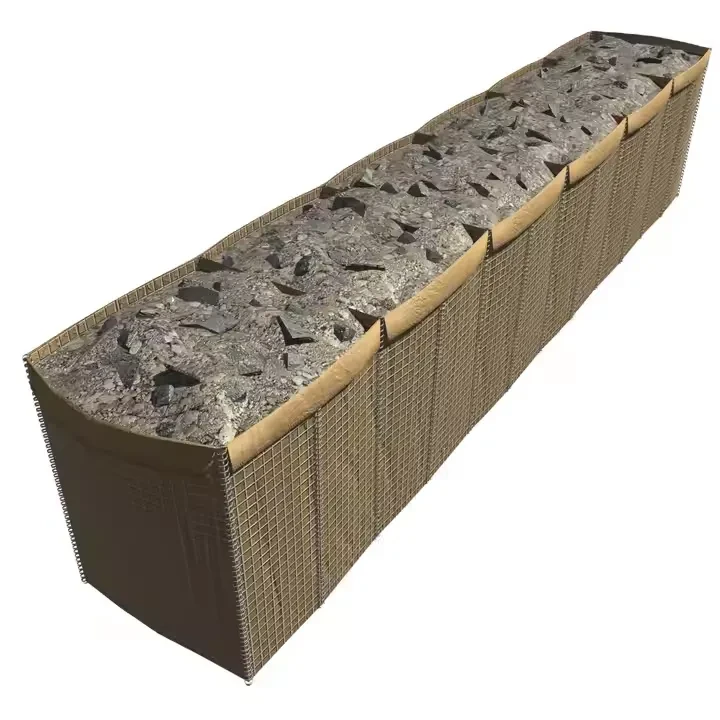
Engineering Resilience with Explosion Proof Defensive Barriers
In an era where industrial safety and national security are increasingly intertwined, the necessity for specialized protection in volatile environments has never been higher.


 English
  Albanian
  Arabic
  Bengali
  Czech
Czech  Danish
  Dutch
Dutch  Finnish
  French
  German
  Japanese
  Malay
Malay  Persian
  Polish
  Portuguese
  Romanian
  Russian
  Serbian
  Spanish
  Swahili