





Hebei Jinjiu Metal Products Co.,Ltd


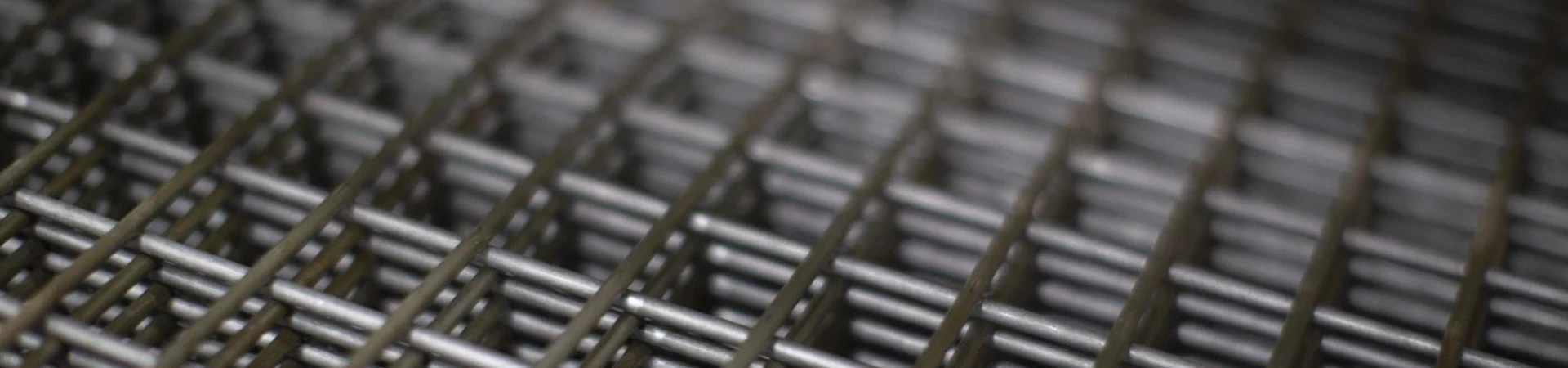

Durable Anti-Tank Track Wire Mesh Barrier for Military Security
Dec . 03, 2025 12:18
Understanding the Anti-Tank Track Wire Mesh Barrier
Having spent many years in the industrial equipment sector, I can tell you that when it comes to perimeter security—especially in military and critical infrastructure contexts—there’s no substitute for rugged reliability. The anti-tank track wire mesh barrier is one of those quiet heroes out there, designed specifically to halt tracked vehicles and tanks without the bulk and cost of traditional concrete or metal barricades.
Now, I've dealt with various types of barriers over the years, from blast-resistant walls to anti-ram bollards, but wire mesh barriers for tank tracks are a niche that combines ingenuity with brutal practicality. Oddly enough, despite their industrial simplicity, these wire mesh systems often require intricate engineering finesse to balance strength, weight, and deployability.
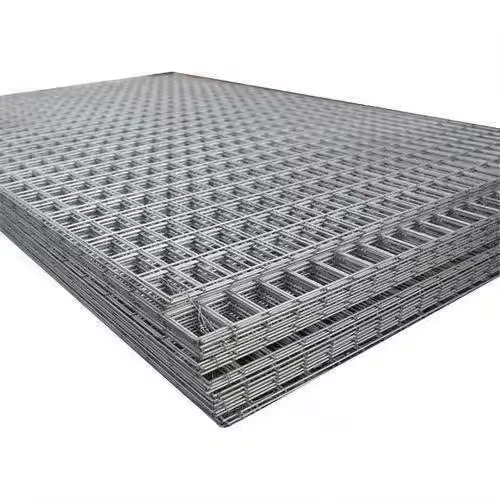
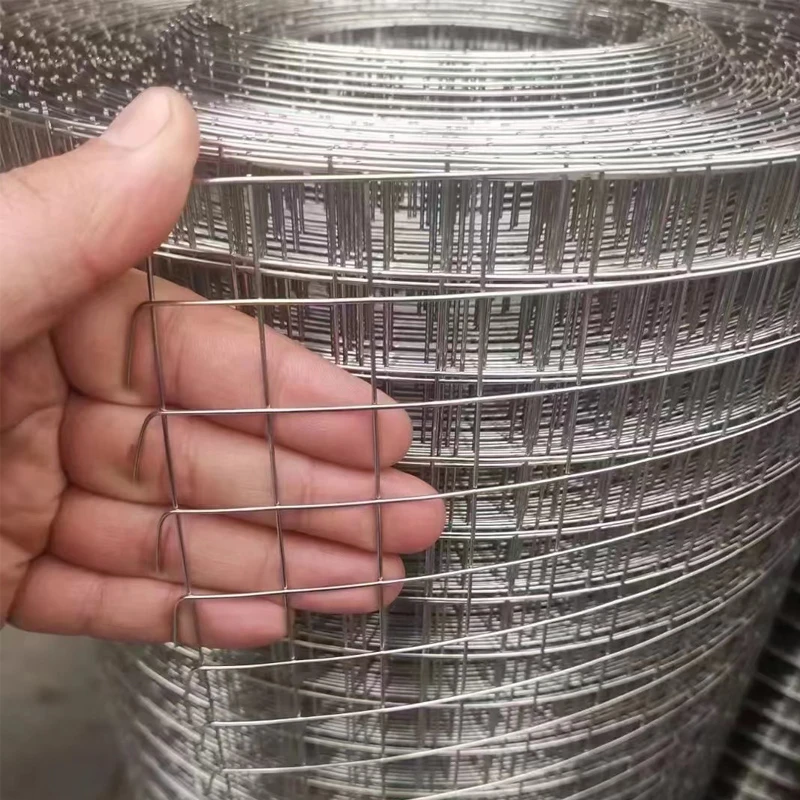
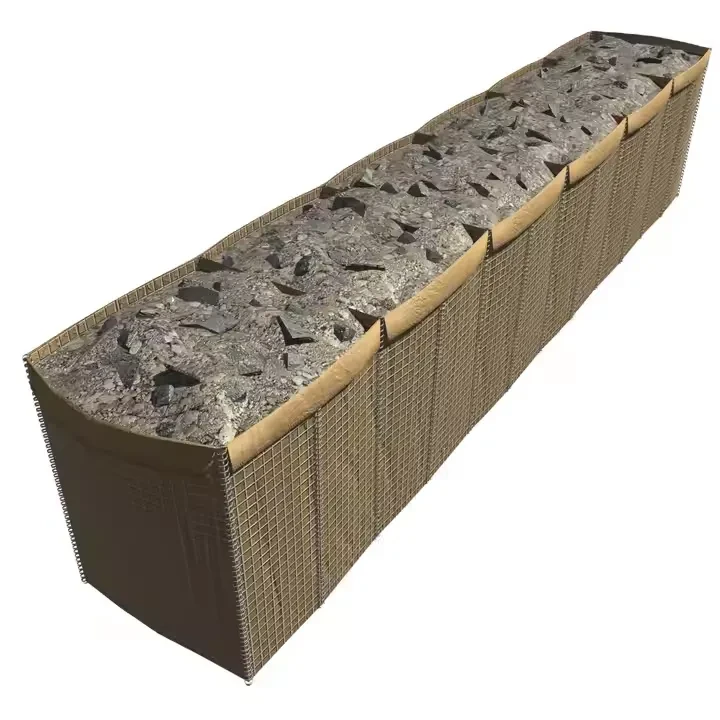
So, what exactly goes into these barriers? Frankly, they're designed as heavy-gauge steel wire mesh panels, welded or woven into grids that can withstand immense pressure and resist deformation under the repeated onslaught of tracked vehicles. The mesh wires are typically high-tensile galvanized steel or even stainless steel in corrosive environments—because deploying these in the field means exposure to dirt, water, and mechanical wear.
In real terms, the mesh spacing and wire diameter are key specs that must be tailored to the threat level. Too large a grid, and the tracks might claw through or damage only minimally; too tight, and the barrier becomes too heavy and expensive to install. Many engineers I’ve worked with say it’s a balancing act that’s part art, part science.
| Specification | Value / Range |
|---|---|
| Material | Galvanized Steel / Stainless Steel |
| Wire Diameter | 4 mm – 8 mm |
| Mesh Opening Size | 50 mm – 150 mm |
| Panel Dimensions | 2 m × 3 m (standard) |
| Finish | Hot-dip galvanizing or Powder Coated |
| Weight (per panel) | Approx. 80 – 150 kg |
Customization is often part and parcel of these products as well. I remember one project where the client needed a barrier that could be quickly deployed and removed for training exercises. They wanted a modular panel system with quick-lock mechanisms instead of permanent welding or bolting. It was a neat challenge, blending strong security features with ease of use—a combo that’s more common than you’d think.
Testing these barriers involves simulating real-life track pressure and impact, sometimes using remote-controlled tracked vehicles. I’ve seen such tests produce impressive results—many barriers stopping the heavy tread while sustaining just minor mesh deformations. But honestly, the best outcome depends on correct installation and site preparation; even the sturdiest barrier is only as good as the ground beneath it.
So, how do vendors differ in this space? Below is a quick comparison of some well-known manufacturers to give you a sense of where industry standards stand:
| Vendor | Material Quality | Customization Options | Lead Time | Price Range |
|---|---|---|---|---|
| Jinjiu Wire Mesh | High-tensile galvanized steel, ISO certified | Wide range: mesh sizes, finishes, panel sizes | 4–6 weeks | $$$ |
| ArmorTech Solutions | Stainless steel, certified for military grade | Moderate customization; emphasis on durability | 6–8 weeks | $$$$ |
| FortiMesh Defense | Galvanized steel with powder coating | Limited size options, mostly standard panels | 3–5 weeks | $$ |
Given my experience, if you're considering this type of barrier for your project, make sure to focus on supplier reputation and after-sales support. I’ve noticed that having a vendor like Jinjiu Wire Mesh can make a tangible difference. Their quality control and willingness to customize—even for small runs—are often praised among industry pros.
In the end, anti-tank track wire mesh barriers might not get the limelight like other security technologies, but when a tracked vehicle tries to breach a perimeter and it just… stops cold—that’s where you appreciate all the engineering and materials science packed into them.
It’s a reminder that sometimes, the simplest solutions—steel wires welded just so—are what protect the most.
References:
1. Military Engineering Field Reviews, 2021
2. ASTM Standards on Protective Mesh Materials
3. User testimonials from defense procurement forums

Related Products

Related News


2026-03-16 14:21:07
Discover durable farming solutions and flexible animal containment with hinge-knot field fence. Combining impact-resistant design and customizable options, Hebei Jinjiu ensures quality for agricultural applications. Explore now: https://www.jinjiuwiremesh.com/field-fencefarm-fence.html
2026-03-16 14:21:07
Discover durable farming solutions and flexible animal containment with hinge-knot field fence. Combining impact-resistant design and customizable options, Hebei Jinjiu ensures quality for agricultural applications. Explore now: https://www.jinjiuwiremesh.com/field-fencefarm-fence.html
2027-04-14 00:00:00
Discover durable farming solutions and flexible animal containment with hinge-knot field fence. Combining impact-resistant design and customizable options, Hebei Jinjiu ensures quality for agricultural applications. Explore now: https://www.jinjiuwiremesh.com/field-fencefarm-fence.html
2026-02-25 15:31:06
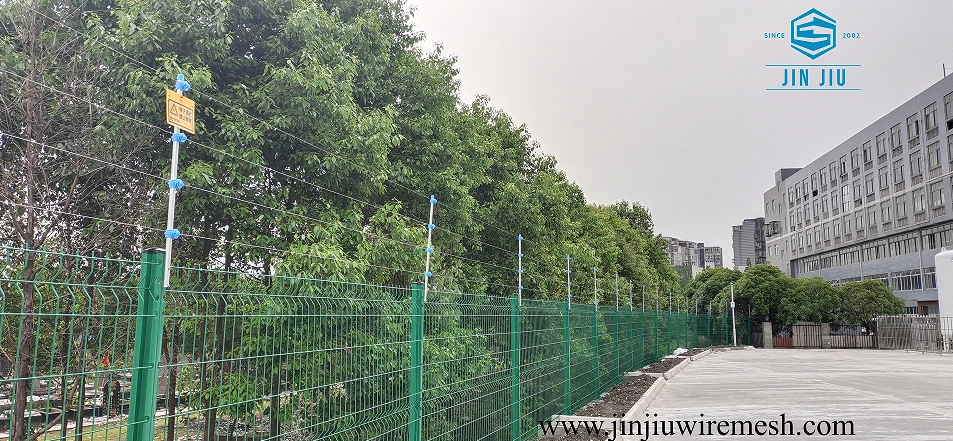
The Strategic Role of the Industrial Electric Fence in Modern Commerce
The protection of corporate and manufacturing assets has transitioned from a matter of simple boundary marking to a complex necessity of risk management.
2026-02-25 15:29:03
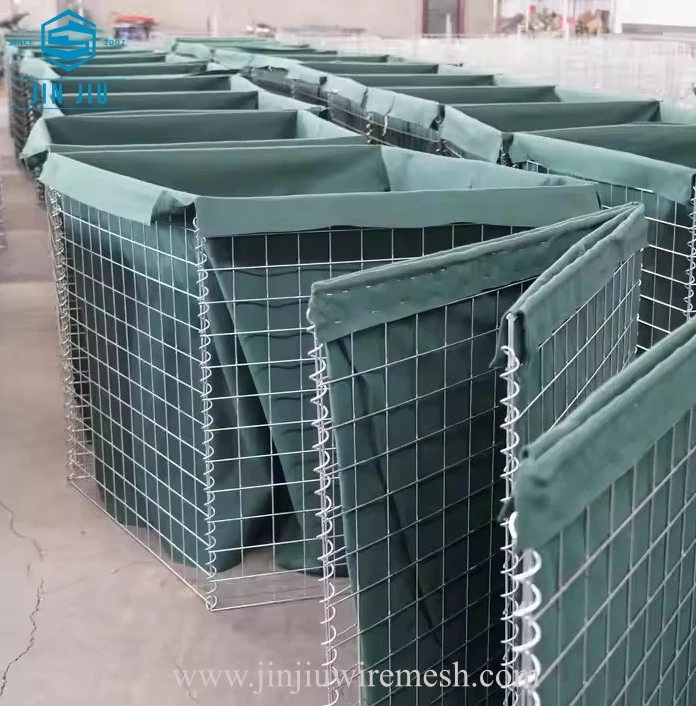
The Evolution of Physical Protection: Bullet Resistant Defensive Barriers in Modern Security
In an increasingly unpredictable global landscape, the requirement for high-level ballistic protection has moved beyond the battlefield and into the core of civilian and industrial security infrastructure.
2026-02-25 15:26:58
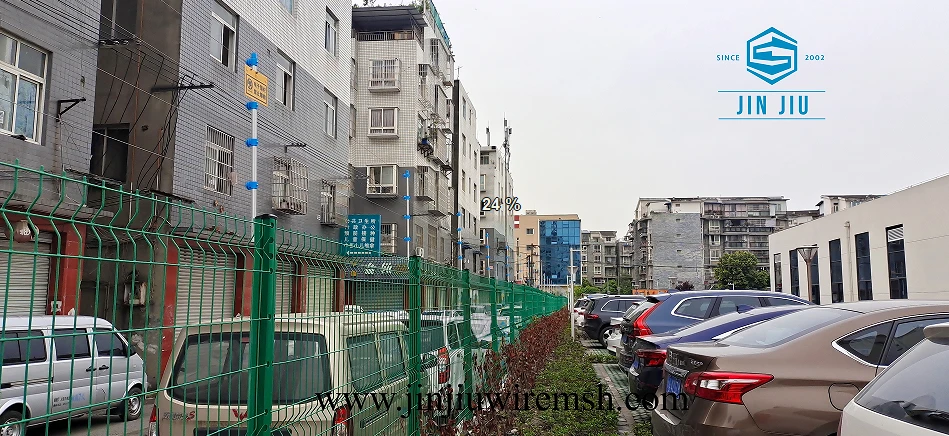
The Digital Backbone of Modern Security: Connected Pulse Monitoring Electric Fence Architecture
The traditional concept of a perimeter has undergone a fundamental transformation.
2026-02-25 15:24:13
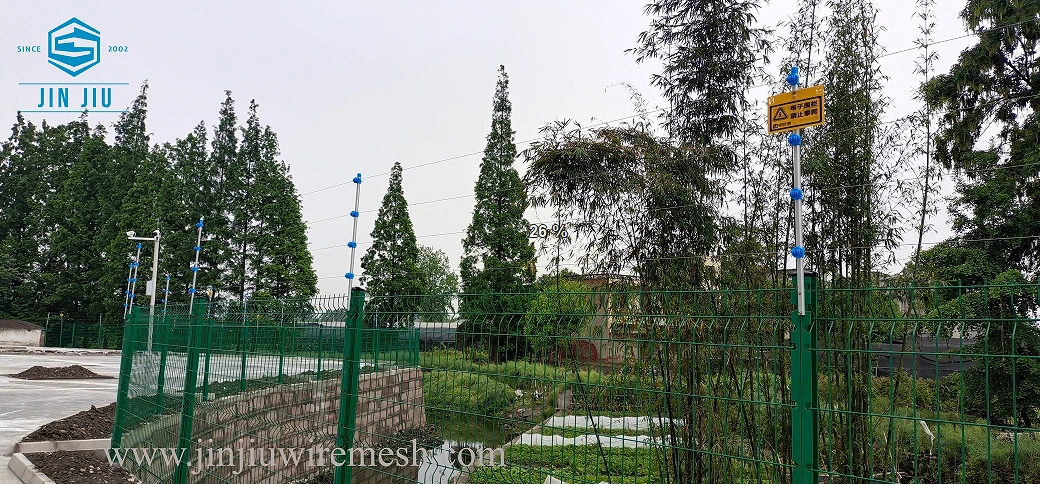
Securing the Unreachable with a Powerful Pulse Electric Fence
In the realm of global security, the distinction between a standard boundary and a high-security perimeter is often defined by the technology pulsing through the wires.
2027-04-14 00:00:00
Engineering Resilience with Explosion Proof Defensive Barriers
In an era where industrial safety and national security are increasingly intertwined, the necessity for specialized protection in volatile environments has never been higher.


 English
  Albanian
  Arabic
  Bengali
  Czech
Czech  Danish
  Dutch
Dutch  Finnish
  French
  German
  Japanese
  Malay
Malay  Persian
  Polish
  Portuguese
  Romanian
  Russian
  Serbian
  Spanish
  Swahili