





Hebei Jinjiu Metal Products Co.,Ltd


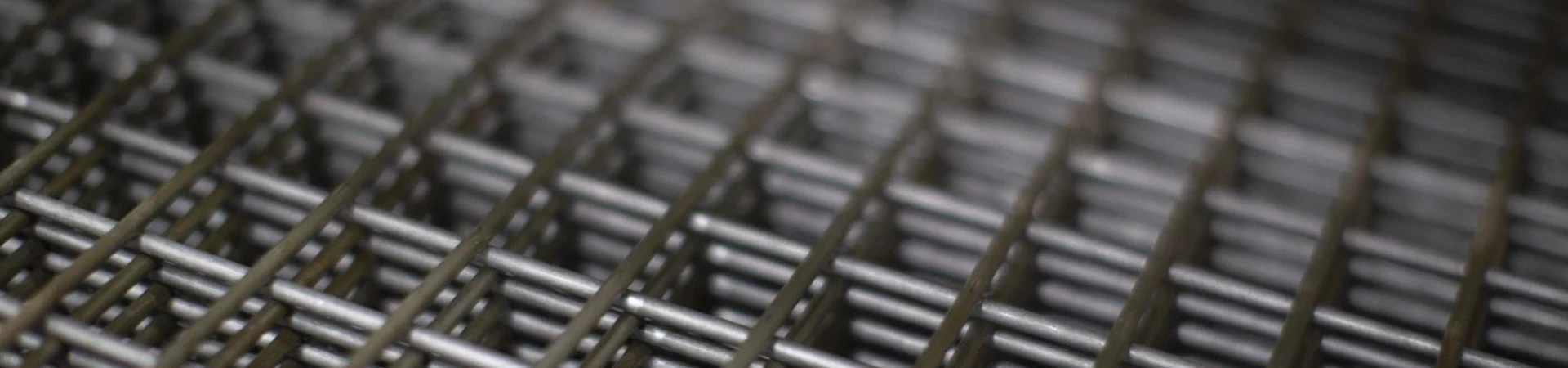

Durable, Corrosion-Resistant Stainless Steel Welded Wire Mesh
Sep . 11, 2025 11:00
Introduction & Industry Trends
In the realm of industrial filtration, security, and architectural applications, stainless steel welded wire mesh stands as a cornerstone material. Renowned for its unparalleled combination of strength, corrosion resistance, and aesthetic appeal, this engineered product addresses critical demands across diverse B2B sectors. The market for stainless steel welded mesh is currently experiencing dynamic growth, driven by escalating infrastructure development, heightened security concerns, and a global pivot towards sustainable and long-lasting materials.
Key industry trends underscore the increasing adoption of these materials. We observe a significant shift towards advanced alloy compositions, such as 316L and Duplex stainless steels, to meet more aggressive environmental conditions in sectors like marine engineering and chemical processing. Automation in manufacturing, including advanced robotic welding systems, is enhancing precision, consistency, and production efficiency, resulting in superior quality stainless welded wire mesh products. Furthermore, the demand for customizable solutions, encompassing varied mesh configurations, wire gauges, and panel dimensions, is expanding as industries seek optimized performance for specialized applications. These evolving trends highlight the critical role of high-performance materials in modern industrial applications.
Manufacturing Process Flow for Stainless Steel Welded Wire Mesh
The production of stainless steel welded wire mesh is a meticulously controlled process designed to ensure structural integrity, precise dimensions, and optimal performance. It begins with the selection of high-grade stainless steel wire, typically AISI 304, 316, or 316L, chosen for specific application requirements concerning corrosion resistance, strength, and weldability.
Step 1: Material Selection & Wire Drawing
High-quality stainless steel rods undergo a cold drawing process to achieve the desired wire gauge. This process enhances tensile strength and surface finish, crucial for the subsequent welding stage. Material certifications (e.g., EN 10204 3.1) confirm alloy composition and mechanical properties.
Step 2: Automated Welding
Precisely cut longitudinal and transverse wires are synchronously welded at their intersections using advanced resistance welding machines. This method ensures robust, uniform welds without the addition of filler material, maintaining the inherent corrosion resistance of the stainless steel. Weld parameters are strictly controlled to prevent annealing or embrittlement.
Step 3: Finishing & Quality Control
Post-welding, the mesh undergoes cleaning (e.g., pickling and passivation) to remove scale and enhance corrosion resistance. Panels or rolls are then precisely cut to specified dimensions. Quality control checks include mesh opening accuracy, wire diameter verification, weld strength testing (e.g., tensile shear tests), and visual inspection for defects, ensuring compliance with standards like ISO 9001 and ASTM A740.
Step 4: Packaging & Dispatch
Finished mesh rolls or panels are carefully packaged to prevent damage during transit, typically using waterproof paper, plastic film, or wooden pallets. Detailed labeling ensures traceability and adherence to client specifications.
The service life of this engineered product is exceptional, often exceeding 20 years in typical environmental conditions, and significantly longer in less aggressive settings, owing to the inherent corrosion resistance of stainless steel. Target industries leveraging these robust properties include petrochemical (for filtration and support grids), metallurgy (as furnace baskets or sizing screens), and water supply & drainage (for strainers and screens). A distinct advantage in these typical application scenarios is the material's unparalleled corrosion resistance, which significantly reduces maintenance costs and extends operational lifecycles, ensuring energy saving through reduced downtime and material replacement.
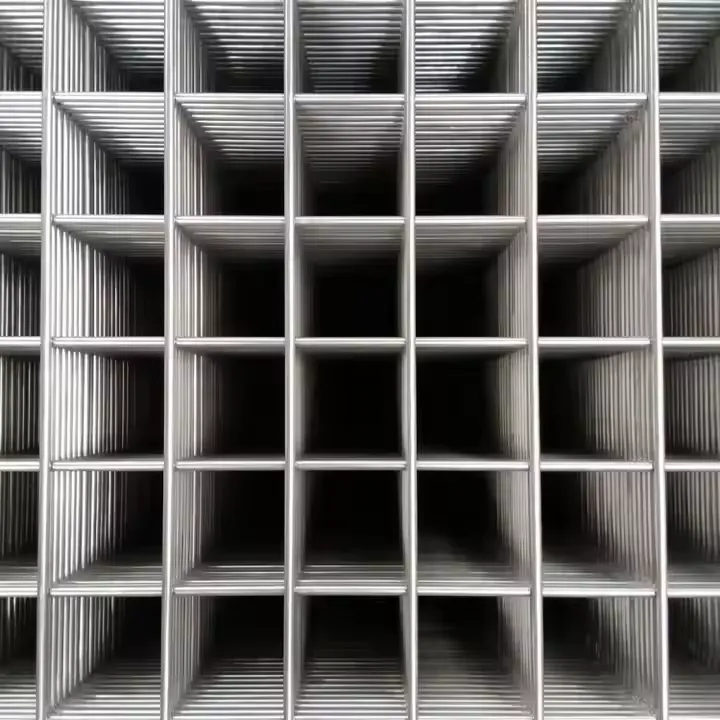
Figure 1: Automated welding process for stainless steel welded wire mesh.
Technical Specifications & Expertise in Stainless Steel Welded Wire Mesh
Understanding the intricate technical specifications is paramount for selecting the optimal stainless steel welded wire mesh for any demanding B2B application. Key parameters include mesh opening size, wire diameter, material grade, and panel/roll dimensions. Mesh opening, often expressed as mesh count per inch or aperture size in millimeters, dictates the filtration capability or opening for passage. Wire diameter, measured in gauges or millimeters, directly impacts the mesh's structural rigidity and load-bearing capacity. The choice of stainless steel grade (e.g., 304, 304L, 316, 316L, 430) is critical, determining the level of corrosion resistance, heat resistance, and mechanical strength suitable for specific operating environments.
For instance, AISI 304 stainless steel offers excellent corrosion resistance in atmospheric and freshwater environments, making it ideal for general industrial and architectural uses. AISI 316L, with its added molybdenum content, provides superior resistance to pitting and crevice corrosion, particularly in chloride-rich or acidic environments, making it indispensable for marine, chemical, and pharmaceutical applications. The precision of weld points, typically fused via resistance welding, ensures dimensional stability and prevents unraveling, which is a common issue with woven mesh in high-stress applications.
Typical Product Specification Table: Stainless Steel Welded Wire Mesh
| Parameter | Description | Typical Range/Value |
|---|---|---|
| Material Grade | Stainless Steel (Austenitic, Ferritic) | AISI 304, 304L, 316, 316L, 430 |
| Wire Diameter | Gauge of individual wires | 0.4 mm to 6.0 mm (SWG 26 to SWG 3) |
| Mesh Opening (Aperture) | Distance between parallel wires (square or rectangular) | 6.35 mm x 6.35 mm (1/4") to 100 mm x 100 mm (4") |
| Panel/Roll Width | Standard or custom width | 0.5 m to 2.0 m (19.7" to 78.7") |
| Panel/Roll Length | Standard or custom length | 1.0 m to 30.0 m (3.3 ft to 98.4 ft) |
| Tensile Strength | Strength of the wires | 500-750 MPa (for 304/316) |
| Manufacturing Standard | Relevant industry standards | ISO 9001, ASTM A740 |
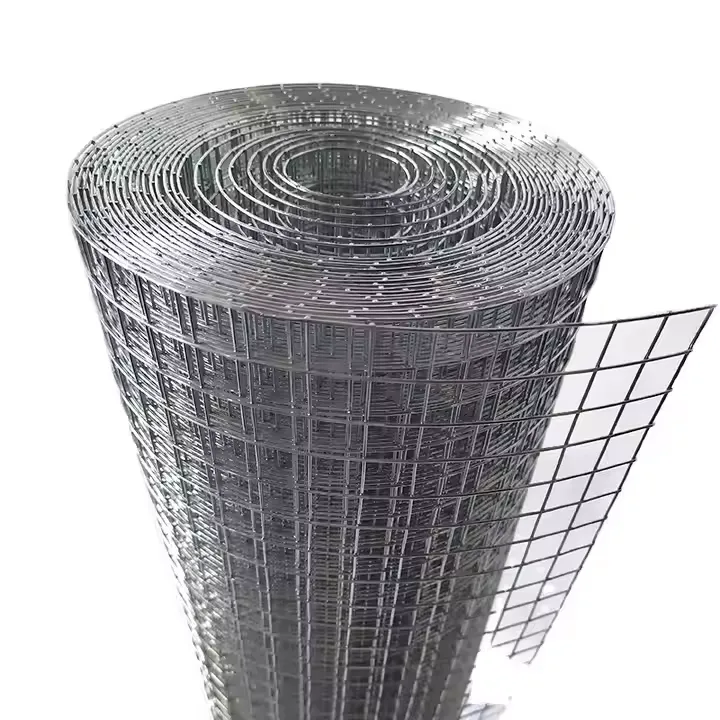
Figure 2: Precision-welded intersections illustrating mesh integrity.
Application Scenarios & Experience with Stainless Steel Welded Wire Mesh
The versatility of this robust material makes it an indispensable component across a broad spectrum of industrial and commercial applications. Its robust mechanical properties combined with superior corrosion resistance enable its deployment in environments where other materials would quickly degrade.
- ✓ Industrial Filtration: Used extensively in water treatment plants, chemical processing, and petrochemical industries as filter screens, strainers, and support grids for catalysts or packing materials. Its corrosion resistance ensures longevity and prevents contamination of filtered substances.
- ✓ Construction & Architecture: Employed for reinforcing concrete, creating durable fencing, gabion baskets, and decorative architectural panels. The material’s aesthetic appeal, particularly in architectural applications, provides a modern, clean look that requires minimal maintenance.
- ✓ Agriculture & Aquaculture: Ideal for animal enclosures, poultry cages, and oyster cultivation baskets due to its hygiene properties, ease of cleaning, and resistance to harsh environmental conditions (e.g., saltwater).
- ✓ Security & Safety: Forms robust security fencing, machine guards, and window screens, offering high resistance to cutting and impact while maintaining visibility.
- ✓ Food & Pharmaceutical Industries: Used for conveyor belts, drying racks, and sterilization baskets where hygiene, non-contamination, and ease of cleaning are paramount. FDA-compliant grades of stainless steel are often specified here.
Customer feedback consistently highlights the long-term cost-effectiveness and reliability of stainless steel welded mesh. For example, a major chemical plant reported a 40% reduction in maintenance costs for filtration units after switching from carbon steel to stainless steel mesh over a 5-year period, attributing the savings to superior corrosion resistance and reduced need for replacements. Another case involved a coastal infrastructure project where our stainless weld mesh was used for protective barriers, enduring saline conditions without degradation for over a decade, outperforming conventional galvanized alternatives.
Technical Advantages of Stainless Steel Welded Wire Mesh
The technical advantages of this material are multifaceted, positioning it as a preferred solution over traditional alternatives in a myriad of challenging applications. These advantages stem from the inherent properties of stainless steel and the precision of the welding process.
- ● Superior Corrosion Resistance: Stainless steel forms a passive chromium oxide layer that inherently resists rust, oxidation, and corrosion from various chemicals, moisture, and extreme temperatures. This is particularly crucial in marine, chemical, and food processing environments where aggressive media are present. Unlike galvanized mesh, which relies on a zinc coating that can be damaged or depleted, stainless steel offers intrinsic, long-lasting protection.
- ● High Strength-to-Weight Ratio: Welded wire mesh offers exceptional structural rigidity and load-bearing capacity due to its strong, uniform welds and the high tensile strength of stainless steel wires. This allows for thinner gauges and lighter constructions without compromising structural integrity, leading to reduced material costs and easier installation.
- ● Excellent Hygiene and Cleanability: The smooth, non-porous surface of stainless steel inhibits bacterial growth and allows for easy cleaning and sterilization, making it ideal for pharmaceutical, medical, and food processing applications that require stringent hygienic standards.
- ● Dimensional Stability & Aesthetics: The welding process ensures precise and consistent mesh openings, which is critical for filtration and sizing applications. Furthermore, its bright, clean appearance lends itself well to architectural and decorative uses, requiring minimal maintenance to retain its aesthetic appeal.
- ● Durability and Longevity: With its inherent resistance to wear, tear, and environmental degradation, stainless steel welded wire mesh rolls offer an extended service life, significantly reducing replacement costs and overall lifecycle expenditures.
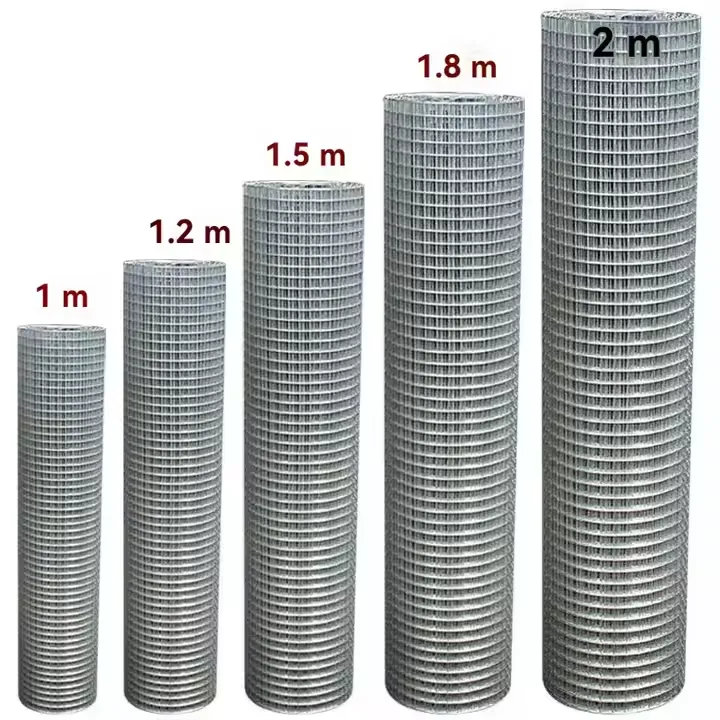
Figure 3: Exemplary corrosion resistance in harsh environments.
Vendor Comparison for Stainless Steel Welded Wire Mesh
Selecting the right vendor for stainless steel welded mesh is a critical decision that impacts project success, material quality, and long-term operational costs. A thorough evaluation based on key criteria is essential for B2B procurement professionals.
Key Comparison Factors for Stainless Steel Welded Wire Mesh Suppliers
| Factor | High-Quality Vendor (e.g., Jinjiu Wire Mesh) | Typical Standard Vendor |
|---|---|---|
| Material Quality & Traceability | Uses certified prime stainless steel (e.g., AISI 304, 316L) with full material traceability (mill certificates like EN 10204 3.1). | May use uncertified or mixed-grade materials; limited traceability. |
| Manufacturing Precision | Advanced automated welding, tight tolerances (±0.5mm for mesh opening), consistent weld strength (e.g., >80% parent wire strength). | Manual or semi-automated welding, wider tolerances, variable weld quality. |
| Quality Certifications | ISO 9001 certified, compliance with ASTM, DIN, JIS standards. Regular third-party audits. | May lack comprehensive certifications or independent verification. |
| Customization Capability | Offers extensive customization in material, mesh size, wire diameter, panel dimensions, and specialized finishes. Engineering support available. | Limited standard product range; minimal customization options. |
| Lead Time & Logistics | Reliable lead times, efficient global logistics, responsive order fulfillment (e.g., 2-4 weeks for standard products). | Inconsistent lead times, potential delays, limited logistics support. |
| After-Sales Support & Warranty | Comprehensive warranty, dedicated customer support, technical assistance, easy complaint resolution. | Limited or no warranty, minimal after-sales support. |
| Pricing Structure | Transparent pricing, value for money considering quality and service life, competitive for long-term TCO. | Lower initial cost, but higher total cost of ownership due to replacements and performance issues. |
By prioritizing vendors who demonstrate robust quality control, extensive technical expertise, and a strong commitment to customer satisfaction, businesses can ensure the longevity and performance of their stainless steel welded wire mesh investments.
Customized Solutions for Stainless Welded Wire Mesh
Recognizing that off-the-shelf solutions may not always meet the unique demands of specialized industrial applications, reputable manufacturers offer comprehensive customization services for stainless steel welded mesh. This tailored approach ensures that the mesh perfectly integrates with existing systems and performs optimally under specific operational parameters.
- ✪ Material Grade Selection: Beyond standard 304 and 316L, custom solutions may involve specialized grades such as Duplex stainless steels for enhanced strength and corrosion resistance in highly aggressive environments, or specific heat-resistant alloys for high-temperature applications.
- ✪ Bespoke Mesh Configurations: Custom wire diameters, non-standard mesh apertures (rectangular or varied patterns), and unique weaving patterns can be engineered to achieve precise filtration, flow rates, or specific structural requirements.
- ✪ Custom Panel Sizes & Shapes: Manufacturers can produce mesh in exact panel dimensions or roll lengths, pre-cut shapes, or even fabricated into three-dimensional forms to minimize waste and streamline installation for complex projects.
- ✪ Post-Processing & Finishing: Custom options include electropolishing for enhanced surface smoothness and hygiene (critical for medical or food-contact applications), powder coating for additional color and corrosion protection, or edge treatments for safety and aesthetics.
Our engineering team collaborates closely with clients to develop precise solutions, leveraging advanced CAD/CAM capabilities and a deep understanding of material science and application demands. This consultative approach ensures that every custom stainless welded wire mesh product delivers optimal performance and value.
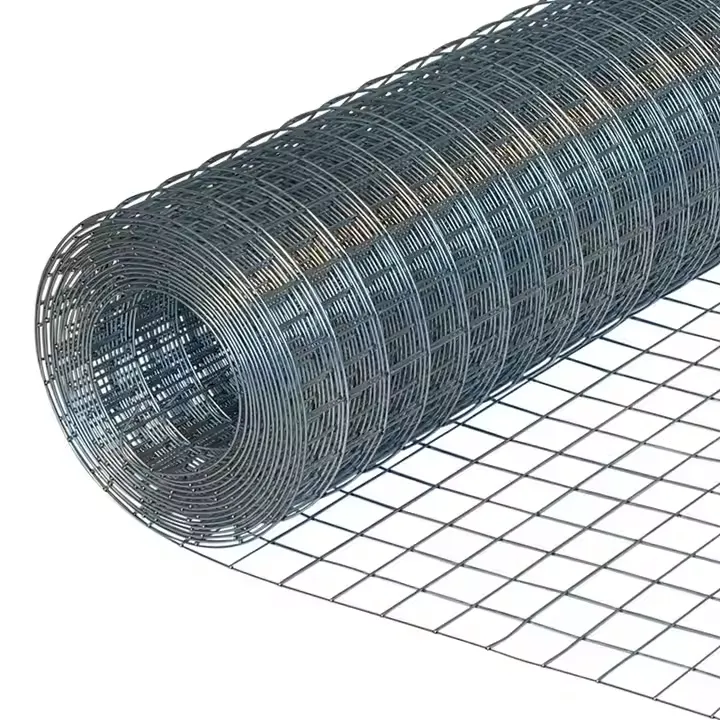
Figure 4: Specialized fabrication of custom mesh panels.
Application Case Studies & Authoritativeness
Our extensive experience and adherence to stringent quality standards underpin our authoritative position in the industry. We are proud holders of ISO 9001:2015 certification, affirming our commitment to consistent quality management and customer satisfaction. Our products, including stainless steel welded wire mesh, routinely meet or exceed international standards such as ASTM, ANSI, and DIN, ensuring reliability and performance globally.
Case Study 1: Marine Aquaculture Project
A leading aquaculture firm faced significant challenges with traditional galvanized mesh for their oyster cultivation cages in saline environments. Galvanized coatings rapidly corroded, leading to frequent replacements and potential contamination of marine life. Jinjiu Wire Mesh provided custom-fabricated 316L stainless steel welded mesh rolls with specific mesh openings, designed to optimize water flow and prevent biofouling while resisting aggressive seawater corrosion.
- » Outcome: After 5 years, the 316L stainless steel cages showed negligible signs of corrosion, extending product lifespan by over 300% compared to galvanized alternatives. This resulted in significant reductions in maintenance costs and a notable improvement in product yield due to a more stable cultivation environment.
Case Study 2: Petrochemical Filtration System Upgrade
A major petrochemical complex required robust filter elements for high-pressure, corrosive fluid streams. Existing filters experienced frequent failures due to chemical degradation and mechanical stress. Our team engineered specialized 304L stainless welded wire mesh panels for their new filtration units. The mesh was manufactured to precise specifications, including a uniform mesh count of 8x8 per inch and a wire diameter of 1.2mm, tested rigorously for flow dynamics and pressure resistance.
- » Outcome: The new stainless steel welded wire mesh filters demonstrated superior chemical inertness and mechanical stability, leading to a 75% reduction in unplanned downtime associated with filter replacement within the first year of operation. The improved filtration efficiency also contributed to enhanced product purity.
Our long-standing partnerships with industry leaders across petrochemical, construction, and food processing sectors, combined with two decades of specialized manufacturing experience, stand as testament to our commitment to excellence and reliability.
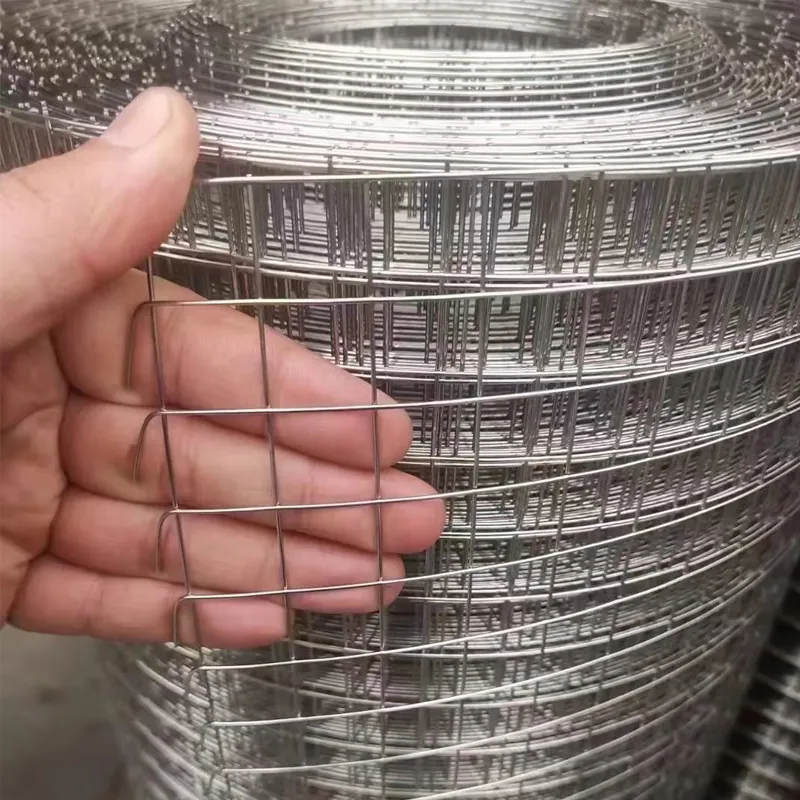
Figure 5: Stainless steel welded wire mesh in an industrial setting.
Frequently Asked Questions (FAQ)
Q: What are the primary advantages of stainless steel welded mesh over galvanized mesh?
A: Stainless steel offers intrinsic corrosion resistance throughout the material, superior strength at weld points, and is ideal for hygienic applications. Galvanized mesh relies on a surface coating that can be damaged, leading to rust. Stainless steel provides a significantly longer service life in harsh environments.
Q: How do I choose the correct stainless steel grade for my application?
A: AISI 304 is suitable for general-purpose applications and mild corrosive environments. AISI 316 or 316L is recommended for marine, chemical, and highly corrosive settings due to its added molybdenum content, which enhances resistance to pitting and crevice corrosion. Our technical team can assist in material selection based on your specific operational parameters.
Q: Can stainless steel welded mesh be customized for unique project requirements?
A: Absolutely. We specialize in providing custom solutions including specific material grades, precise wire diameters, non-standard mesh apertures, custom panel dimensions, and specialized finishes like electropolishing or powder coating. Our engineering team works with clients from design to delivery.
Q: What are the typical lead times for orders?
A: Lead times vary depending on the product's complexity, quantity, and current production schedule. For standard stainless steel welded wire mesh rolls, lead times typically range from 2 to 4 weeks. Custom orders may require longer, and we provide accurate estimates upon inquiry.
Lead Time, Warranty & After-Sales Support
Lead Time & Fulfillment: Our streamlined production processes and robust supply chain management enable us to offer competitive lead times. Standard orders for stainless steel welded wire mesh rolls and panels typically ship within 2-4 weeks, while complex custom fabrications are quoted individually, with clear timelines provided upfront. We maintain excellent communication throughout the order fulfillment process, providing regular updates on production status and shipping logistics.
Warranty Commitments: All our welded wire mesh products are backed by a comprehensive warranty against manufacturing defects and material failures under normal operating conditions. The specific warranty period and terms are detailed in our sales agreement, typically covering a minimum of 1 year. We stand by the quality of our products, ensuring they meet or exceed published specifications and industry standards.
Customer Support: Our dedicated customer support team is available to assist with technical inquiries, order tracking, and any post-purchase support requirements. We provide expert advice on product selection, installation guidance, and troubleshooting. Our goal is to ensure long-term satisfaction and optimal performance of our products in your applications. For immediate assistance, please contact us via the details provided on our website.
Conclusion
Stainless steel welded wire mesh represents a superior solution for a multitude of industrial and commercial challenges. Its inherent properties of exceptional corrosion resistance, high strength, and hygienic attributes, coupled with precision manufacturing and extensive customization options, make it an invaluable asset for long-term, high-performance applications. As industries continue to evolve, the demand for reliable, sustainable, and cost-effective materials like stainless steel welded wire will undoubtedly continue to grow, solidifying its position as a material of choice for discerning professionals worldwide.
References
- ISO. (2015). ISO 9001:2015 - Quality management systems — Requirements. International Organization for Standardization.
- ASTM International. (2018). ASTM A740 / A740M - 18, Standard Specification for Hardware Cloth (Welded or Woven Wire Fabric Galvanized or Stainless Steel). ASTM International.
- ASM International. (2007). ASM Handbook, Vol. 1: Properties and Selection: Irons, Steels, and High-Performance Alloys. ASM International.
- Euro Inox. (2006). Stainless Steel in Architecture, Building and Construction. Euro Inox.
- Nickel Institute. (2013). Nickel Stainless Steels: Their Properties and Applications. Nickel Institute.

Related Products
Related News


2026-03-16 14:21:07
Discover durable farming solutions and flexible animal containment with hinge-knot field fence. Combining impact-resistant design and customizable options, Hebei Jinjiu ensures quality for agricultural applications. Explore now: https://www.jinjiuwiremesh.com/field-fencefarm-fence.html
2026-03-16 14:21:07
Discover durable farming solutions and flexible animal containment with hinge-knot field fence. Combining impact-resistant design and customizable options, Hebei Jinjiu ensures quality for agricultural applications. Explore now: https://www.jinjiuwiremesh.com/field-fencefarm-fence.html
2027-04-14 00:00:00
Discover durable farming solutions and flexible animal containment with hinge-knot field fence. Combining impact-resistant design and customizable options, Hebei Jinjiu ensures quality for agricultural applications. Explore now: https://www.jinjiuwiremesh.com/field-fencefarm-fence.html
2026-02-25 15:31:06
The Strategic Role of the Industrial Electric Fence in Modern Commerce
The protection of corporate and manufacturing assets has transitioned from a matter of simple boundary marking to a complex necessity of risk management.
2026-02-25 15:29:03
The Evolution of Physical Protection: Bullet Resistant Defensive Barriers in Modern Security
In an increasingly unpredictable global landscape, the requirement for high-level ballistic protection has moved beyond the battlefield and into the core of civilian and industrial security infrastructure.
2026-02-25 15:26:58
The Digital Backbone of Modern Security: Connected Pulse Monitoring Electric Fence Architecture
The traditional concept of a perimeter has undergone a fundamental transformation.
2026-02-25 15:24:13
Securing the Unreachable with a Powerful Pulse Electric Fence
In the realm of global security, the distinction between a standard boundary and a high-security perimeter is often defined by the technology pulsing through the wires.
2027-04-14 00:00:00
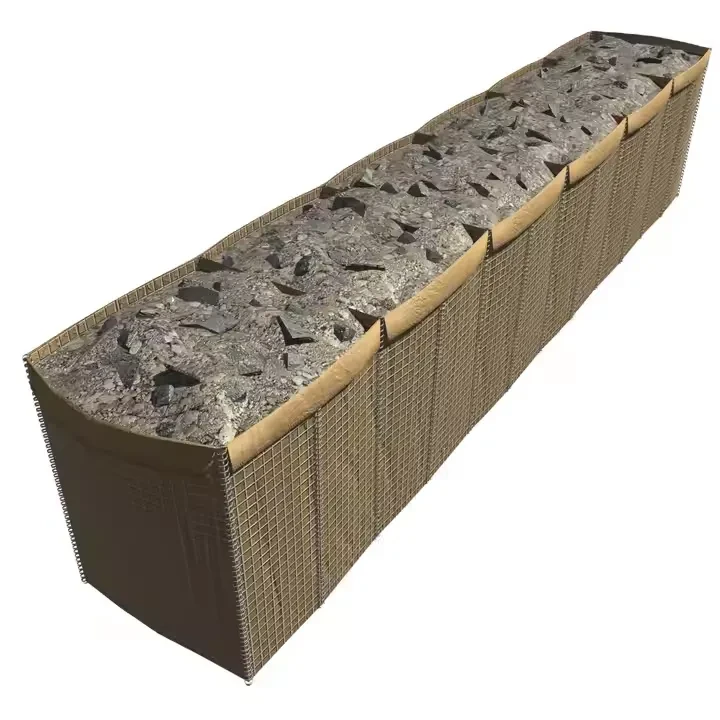
Engineering Resilience with Explosion Proof Defensive Barriers
In an era where industrial safety and national security are increasingly intertwined, the necessity for specialized protection in volatile environments has never been higher.


 English
  Albanian
  Arabic
  Bengali
  Czech
Czech  Danish
  Dutch
Dutch  Finnish
  French
  German
  Japanese
  Malay
Malay  Persian
  Polish
  Portuguese
  Romanian
  Russian
  Serbian
  Spanish
  Swahili