





Hebei Jinjiu Metal Products Co.,Ltd



Durable Tank Track Wrapping Obstacle Wire Mesh Solutions for Global Security
Nov . 29, 2025 23:05
What Is Tank Track Wrapping Obstacle Wire Mesh and Why It Matters Globally
At first glance, “tank track wrapping obstacle wire mesh” might sound like a mouthful of technical jargon better suited for military engineers or battlefield strategists. Yet, this seemingly niche product plays a surprisingly important role—not just in defense applications, but also in humanitarian relief, industrial safety, and infrastructure protection worldwide.
In simple terms, it’s a type of wire mesh designed to wrap around or create barriers that counteract the destructive power of tank tracks and heavy machinery, preventing mobility or damage in critical zones. Across conflict regions, disaster-prone areas, and industrial zones, properly deploying such mesh structures can save lives, protect valuable assets, and maintain order.
Understanding this mesh type’s design, benefits, and applications gives us insight into how modern materials engineering supports global security and safety—even in the most challenging environments.
The Global Context: Why This Mesh Matters Today
Globally, conflicts and infrastructure vulnerabilities are sadly persistent. According to recent UN reports, over 70 million people were displaced due to conflicts and disasters in 2023 alone, many in regions where armored vehicles and heavy machinery threaten critical escapes or humanitarian corridors. Meanwhile, industries from mining to transportation require rugged physical barriers for safety and operational integrity.
The need for durable and adaptable wire mesh solutions that resist not only natural wear but also the immense mechanical force of tank tracks or heavy vehicles has never been greater. The tank track wrapping obstacle wire mesh fills this niche, addressing problems like:
- Preventing tank or vehicle movement through restricted areas
- Protecting critical infrastructure such as bridges or power plants from heavy equipment damage
- Providing quick-to-deploy obstacles for peacekeeping missions or disaster zones
Frankly, without such versatile products, many security and safety operations risk failure or significant delays.
Defining Tank Track Wrapping Obstacle Wire Mesh: What It Really Means
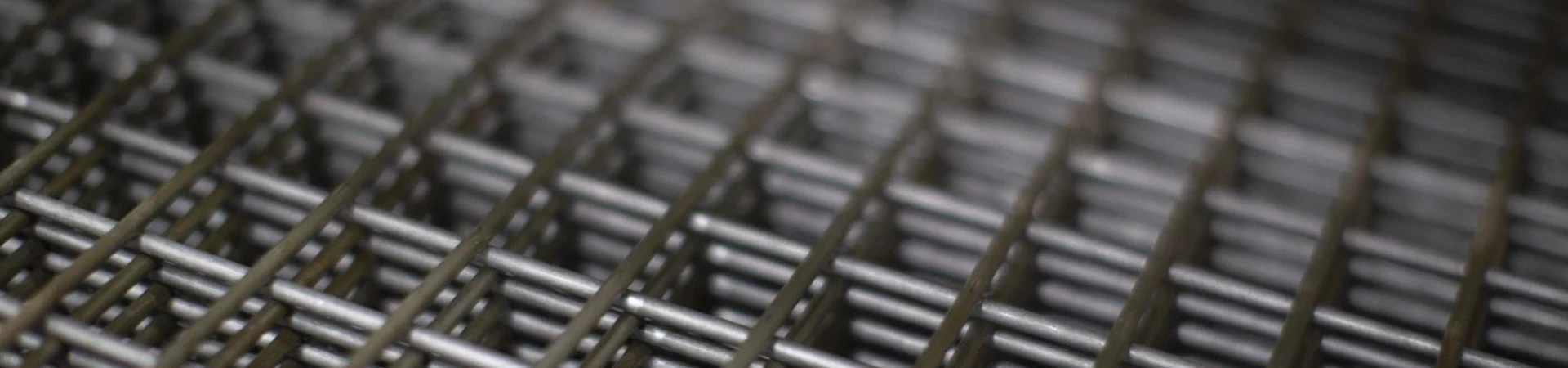
At its core, tank track wrapping obstacle wire mesh is a highly durable, high-tensile wire mesh designed and engineered specifically to create physical barriers that prevent or restrict the movement of tank treads and similar heavy machinery. Typically made from galvanized or stainless steel wire, it’s formed into dense grid-like screens or flexible wrapping meshes that can be molded to terrain and fixed quickly on-site.
This type of wire mesh can be used independently or combined with other obstacle systems—such as concrete blocks or earthworks—to enhance defensive security or operational control. Oddly enough, it’s the mesh’s flexibility combined with sheer strength that makes it so valuable. It can be transported easily, deployed rapidly, yet still endure the crushing force of a 60-ton tank rolling over it.
Key Aspects of Tank Track Wrapping Obstacle Wire Mesh
1. Durability & Strength
The cornerstone of any effective obstacle is durability. This mesh often utilizes galvanized or PVC-coated steel wires rated to resist corrosion, abrasion, and tremendous impact forces. It’s engineered to endure harsh climates and physical abuse from tracked vehicles, ensuring longevity even in warzones or heavy industrial use.
2. Flexibility & Ease of Deployment
Despite its strength, the mesh remains flexible enough to be wrapped around uneven terrain or quickly installed on various surfaces. This flexibility is incredibly valuable in time-critical scenarios like military operations or emergency relief.
3. Scalability & Customization
Manufacturers often design this wire mesh in modular panels or rolls, allowing users to scale obstacle size or adapt mesh specifications—such as mesh aperture or wire thickness—based on the threat level or terrain complexity.
4. Cost Efficiency
Compared to fixed concrete barriers or elaborate mechanical systems, the wire mesh solution offers a cost-effective alternative that balances performance with budget constraints.
5. Environmental Resistance
From desert heat to arctic cold, coatings and materials used in the mesh enhance resistance to rust and UV damage. This ensures the mesh performs in various global environments without rapid degradation.
Product Specification Table
| Specification | Standard Range | Notes |
|---|---|---|
| Wire Material | Galvanized steel, PVC-coated, stainless steel | Varies by application & budget |
| Wire Diameter | 3mm - 6mm | Thicker wire for heavier loads |
| Mesh Aperture Size | 20mm x 20mm to 50mm x 50mm | Tighter mesh for finer obstacles |
| Panel Size | 1m x 2m up to 2m x 4m | Modular and scalable |
| Coating | Zinc galvanization, PVC coating | Protects against weather/rust |
| Breaking Load | Up to 2,500 N/mm² | Ensures resistance to tank tracks |
Global Applications & Real World Use Cases
Though it sounds warlike, the applications are surprisingly broad.
- Military defense: Widely used to create temporary or permanent anti-tank obstacles protecting bases, checkpoints, or critical infrastructure.
- Disaster zones & Humanitarian Aid: For example, in post-conflict zones or earthquake-affected areas, it provides physical barriers to restrict heavy vehicle movement, ensuring safe access for relief operations.
- Industrial safety: Mines or quarries employ these meshes to mark boundaries or protect workers from unplanned heavy vehicle encroachment.
- Border control & Peacekeeping: Peacekeeping missions use them for swift perimeter control without heavy construction.
One notable case was in Eastern Europe’s conflict zones, where tank track wrapping obstacle wire mesh helped block unauthorized tank incursions around vital communication hubs, allowing civilians safe evacuation corridors. Elsewhere, large mining companies in Australia deploy this mesh to guard against vehicle oversteps in rocky terrains.
Comparison of Leading Vendors
| Vendor | Material Options | Customization | Delivery Time | Global Reach |
|---|---|---|---|---|
| Jinjiu Wire Mesh | Galvanized, PVC-coated, stainless steel | High; custom sizes & coatings | 2-3 weeks | Worldwide |
| SteelWorks Solutions | Galvanized steel only | Limited panel sizes | 4-6 weeks | Europe, Asia |
| ArmorMesh Inc. | Stainless steel, galvanized | Moderate options | 3-5 weeks | North America, Europe |
Advantages and Why It’s Worth Investing In
In real terms, investing in tank track wrapping obstacle wire mesh is investing in durable, reliable, and versatile security. The benefits include:
- Cost savings: Compared with concrete or steel barriers, it’s lighter to transport and faster to install—saving man-hours and heavy equipment costs.
- Environmental benefits: Coated steel wires last long and are recyclable, fitting well with sustainability goals.
- Enhanced safety & dignity: By restricting armored vehicle access without lethal force, it offers a humanitarian edge in peacekeeping.
- Long-term reliability: Proven to withstand harsh conditions for years with minimal upkeep.
Many engineers say it’s one of those “quiet” technologies: not flashy, yet consistently delivering when it counts.
Future Trends: What’s Next for This Wire Mesh?
The world’s changing fast—so too are the materials and tech behind this mesh. Emerging trends include:
- Eco-friendly coatings: New biodegradable or less-polluting coatings reduce environmental impact.
- Smart mesh: Integration with sensors and IoT devices for real-time monitoring of breaches or damage.
- Advanced alloys: Lightweight yet stronger steel alloys enhance durability without adding weight.
- Automation in deployment: Drones or robotic systems could install and maintain meshes in hazardous zones.
These trends show a clear path: turning a passive obstacle into an active, intelligent component of modern security systems.
Challenges and How They’re Being Tackled
Of course, no technology is without its quirks. Challenges include:
- Initial setup in rough terrain: Wrapping and securing the mesh can be tough on uneven or marshy ground.
- Maintenance in hostile environments: Even the best coatings wear out and require upkeep.
- Cost variability: High-quality customization can raise prices beyond some budgets.
Experts often recommend hybrid solutions—combining mesh with traditional barriers—and modular designs for adaptive deployment. Suppliers increasingly offer tailored training and support to ensure smooth on-site handling.
FAQ: Frequently Asked Questions About Tank Track Wrapping Obstacle Wire Mesh
Q1: How effective is this type of mesh against modern heavy tanks?
A1: Very effective. The mesh is engineered with high-tensile steel wires and close mesh apertures that can resist the crushing forces of modern tracked vehicles, slowing down or damaging the tracks enough to hinder movement.
Q2: Can this wire mesh be reused after deployment?
A2: Yes, when removed carefully, quality galvanized or PVC-coated mesh can be redeployed multiple times, making it cost-effective for recurring operations or seasonal use.
Q3: What environmental conditions can this mesh withstand?
A3: Designed for extreme durability, it resists corrosion in wet or salty environments, extreme heat, cold, and UV exposure, lasting years with minimal maintenance.
Q4: Is custom sizing available if standard panels don’t fit the terrain?
A4: Absolutely. Vendors like Jinjiu Wire Mesh offer tailored sizes, wire thicknesses, and coatings to suit unique project requirements.
Q5: How quickly can this mesh be deployed in emergency scenarios?
A5: Depending on size and team, the mesh’s modular panels and rolls enable deployment within hours to days, making it suitable for fast-response disaster or security situations.
Conclusion: Why Tank Track Wrapping Obstacle Wire Mesh Is a Long-Term Game Changer
Ultimately, this wire mesh is the unsung hero of physical defense and operational safety, combining practicality with innovation. It represents a smart investment towards resilient, sustainable, and humane barriers adaptable across the globe’s most demanding environments.
For those interested in exploring advanced, customizable tank track wrapping obstacle wire mesh solutions, visiting Jinjiu Wire Mesh’s website is a great next step. With solid expertise and global delivery capabilities, they’re a partner worth considering.
So yeah, it’s not the flashiest product out there, but when the treads start rolling or disaster strikes, you’ll be glad it’s around.
References

Related Products

Related News


2026-03-16 14:21:07
Discover durable farming solutions and flexible animal containment with hinge-knot field fence. Combining impact-resistant design and customizable options, Hebei Jinjiu ensures quality for agricultural applications. Explore now: https://www.jinjiuwiremesh.com/field-fencefarm-fence.html
2026-03-16 14:21:07
Discover durable farming solutions and flexible animal containment with hinge-knot field fence. Combining impact-resistant design and customizable options, Hebei Jinjiu ensures quality for agricultural applications. Explore now: https://www.jinjiuwiremesh.com/field-fencefarm-fence.html
2027-04-14 00:00:00
Discover durable farming solutions and flexible animal containment with hinge-knot field fence. Combining impact-resistant design and customizable options, Hebei Jinjiu ensures quality for agricultural applications. Explore now: https://www.jinjiuwiremesh.com/field-fencefarm-fence.html
2026-02-25 15:31:06
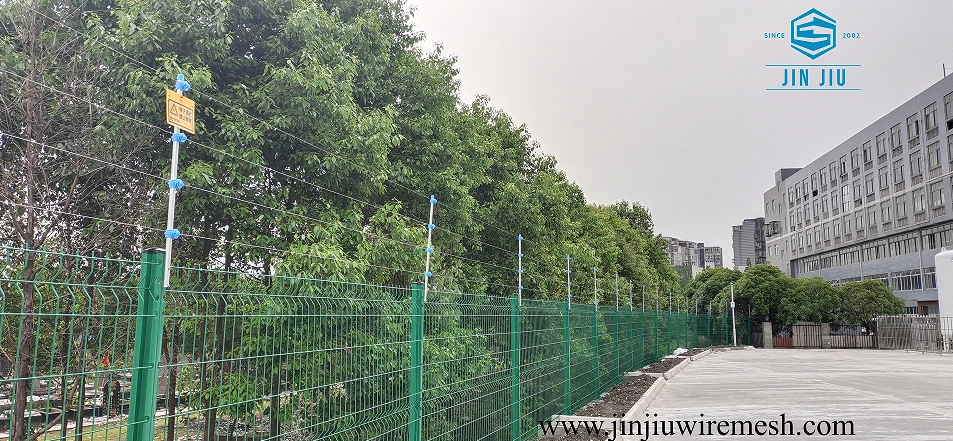
The Strategic Role of the Industrial Electric Fence in Modern Commerce
The protection of corporate and manufacturing assets has transitioned from a matter of simple boundary marking to a complex necessity of risk management.
2026-02-25 15:29:03
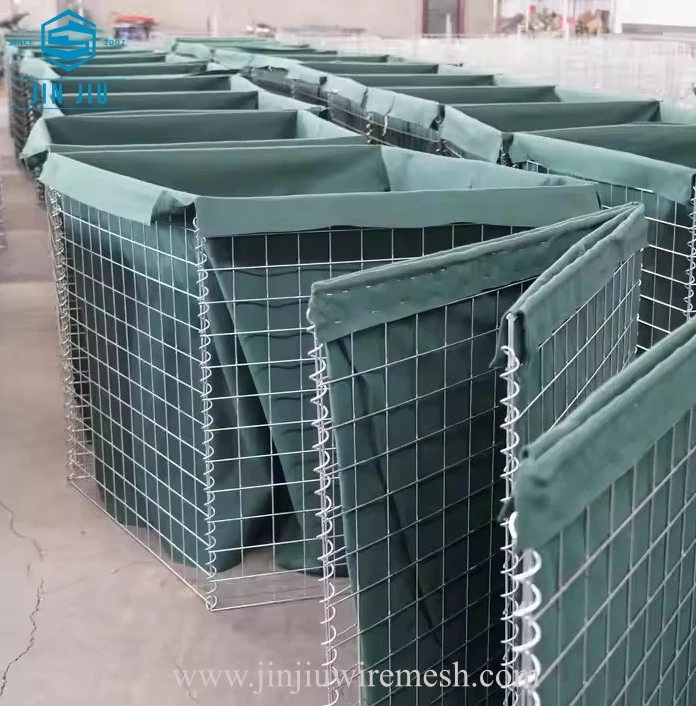
The Evolution of Physical Protection: Bullet Resistant Defensive Barriers in Modern Security
In an increasingly unpredictable global landscape, the requirement for high-level ballistic protection has moved beyond the battlefield and into the core of civilian and industrial security infrastructure.
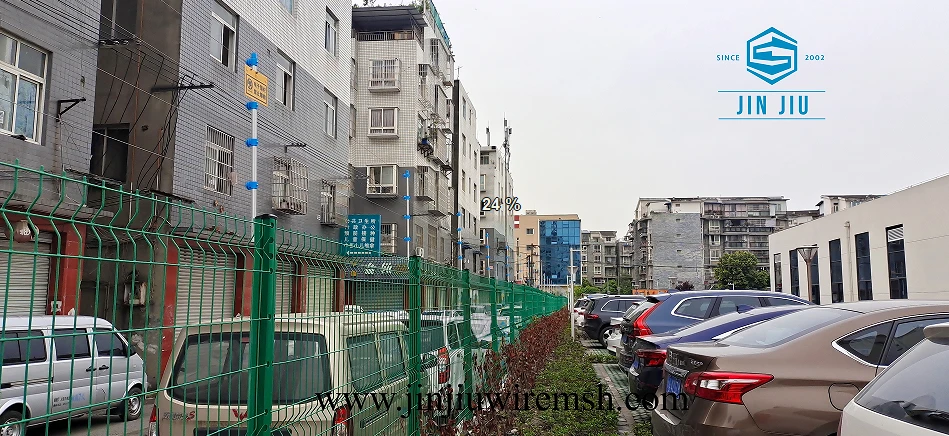
2026-02-25 15:26:58
The Digital Backbone of Modern Security: Connected Pulse Monitoring Electric Fence Architecture
The traditional concept of a perimeter has undergone a fundamental transformation.
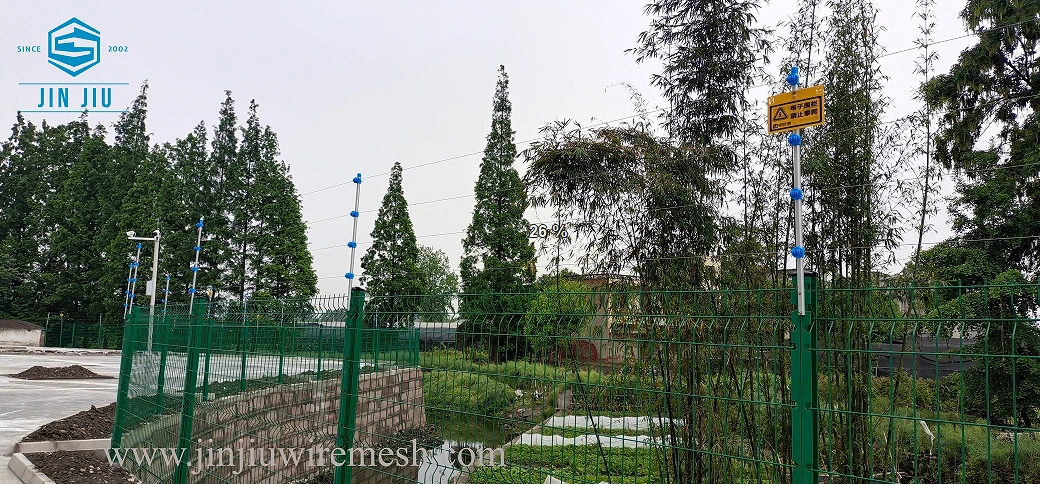
2026-02-25 15:24:13
Securing the Unreachable with a Powerful Pulse Electric Fence
In the realm of global security, the distinction between a standard boundary and a high-security perimeter is often defined by the technology pulsing through the wires.
2027-04-14 00:00:00
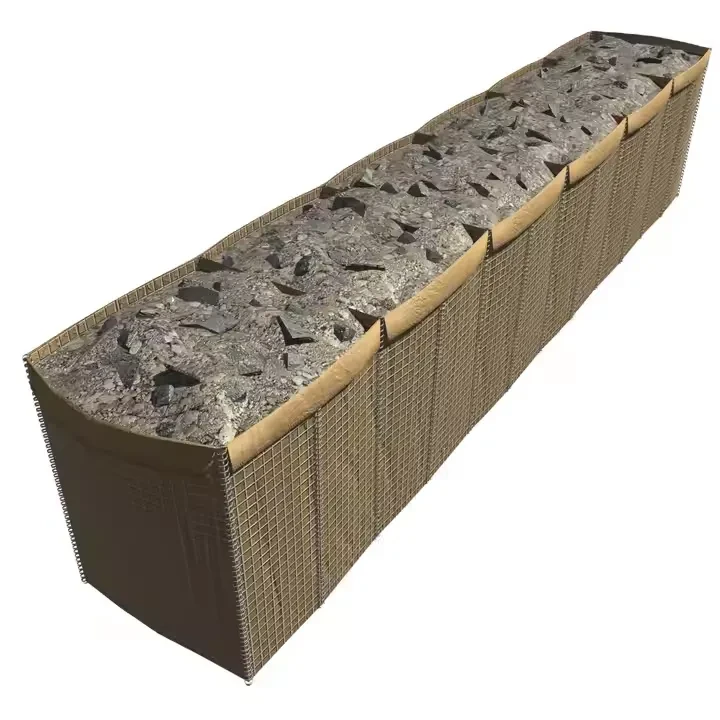
Engineering Resilience with Explosion Proof Defensive Barriers
In an era where industrial safety and national security are increasingly intertwined, the necessity for specialized protection in volatile environments has never been higher.


 English
  Albanian
  Arabic
  Bengali
  Czech
Czech  Danish
  Dutch
Dutch  Finnish
  French
  German
  Japanese
  Malay
Malay  Persian
  Polish
  Portuguese
  Romanian
  Russian
  Serbian
  Spanish
  Swahili