





Hebei Jinjiu Metal Products Co.,Ltd


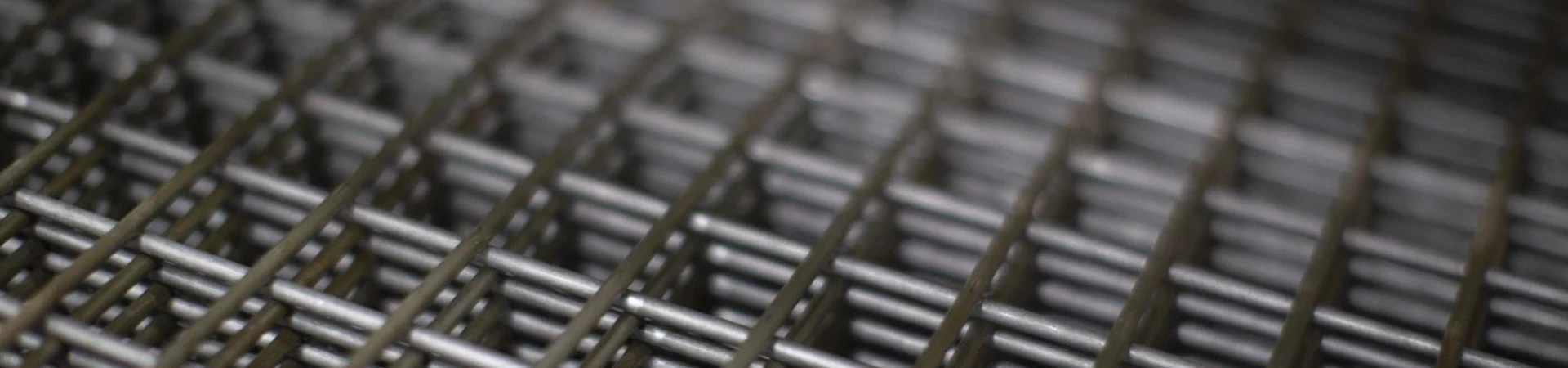

Durable Tank Track Wrapping Obstacle Wire Mesh Solutions
Nov . 18, 2025 09:28
Why Tank Track Wrapping Obstacle Wire Mesh Matters in Harsh Conditions
Having spent over a decade in the industrial equipment sector, I’ve seen my fair share of protective materials, but if you ever find yourself specifying materials for tough military or off-road applications — well, tank track wrapping obstacle wire mesh really stands out. It’s one of those unsung heroes subtly guarding critical hardware against the world’s roughest terrains and hazards you don't necessarily think about – until you need it to perform flawlessly.
Essentially, this wire mesh plays a crucial defensive role for tank tracks and heavy machinery, preventing debris, rocks, and obstacles from jamming or damaging the track system. This might seem straightforward, but when you’re in muddy or rocky combat zones (or even rugged industrial sites), you want something reliable, corrosion-resistant, and flexible enough to wrap tightly around complex shapes.
Tank track wrapping obstacle wire mesh is typically made from high-grade steel or stainless steel variants, often galvanized or treated for extended life spans. I’ve worked with some suppliers who even offer customized weave patterns to balance strength with weight savings — a neat trick for mobile armored units that need to optimize every kilo.
Key Specifications of Quality Wire Mesh for Track Wrapping
A quick look at the specs below illustrates what makes a mesh suitable for this role. Durability is a must, but add to that resistance to abrasion, tensile strength, and a little flexibility, and you have a winning combination.
| Specification | Typical Range / Value |
|---|---|
| Material | Galvanized Steel / Stainless Steel 304 or 316 |
| Wire Diameter | 2.5 mm – 5 mm |
| Mesh Opening Size | 10 mm – 50 mm (square or hexagonal) |
| Tensile Strength | > 500 MPa typical (depends on material) |
| Corrosion Resistance | Excellent (with galvanizing or stainless finish) |
| Weight | Varies per gauge, usually 3-8 kg/m² |
How to Choose the Right Vendor for Wire Mesh Solutions
Years ago, when I first started working on military support projects, sourcing the perfect wire mesh was a hunt through endless catalogs and vendors. Trust me, spending time on vendor reliability, customization abilities, and material certifications pays off—a lot. I recall a project where a last-minute vendor switch saved the client from corrosion issues that would have cost thousands (and weeks) in delays.
Here’s a quick comparative snapshot of three typical vendors I’ve worked with or vetted over time:
| Vendor | Customization | Material Options | Lead Time | Price Range | Reliability |
|---|---|---|---|---|---|
| Jinjiu Wire Mesh | High (custom weave & sizes) | Galvanized & Stainless Steel | 2-3 weeks | Moderate | Excellent (certified ISO) |
| SteelGuard Inc. | Medium (standard sizes) | Carbon Steel Only | 3-4 weeks | Low | Good |
| MeshWorks Ltd. | Low (catalog only) | Limited Stainless | 4-6 weeks | Higher | Fair |
I guess it all boils down to what you prioritize — if customization and reliability trump everything, Jinjiu Wire Mesh often leads in my book. Not sponsored or anything, just a reality based on projects where tight tolerances and delivery timing mattered like everything.
Field Insights: When Wire Mesh Saves the Day
One particular memory stands out after years of specifying wire meshes. On a project in the mountainous regions where tanks were stalling because track debris was the norm, switching to a heavier gauge, galvanized tank track wrapping obstacle wire mesh cut maintenance downtime by nearly 40%. Simple mesh change, massive ripple effect on operational uptime.
That’s kind of the beauty here — this isn’t rocket science, but it does require the right balance of material science, experience, and vendor partnership. Wire mesh might feel mundane, but in tough environments, it’s a silent guardian.
Anyway, that’s my two cents. If you’re considering a specification or refurbishment, definitely put a bit of thought into mesh design and vendor reliability — it pays off, trust me.
References:
- Industry testing reports on galvanized steel wire mesh for military use.
- Supplier certifications and ISO documentation from Jinjiu Wire Mesh.
- Case studies on armor vehicle maintenance in rugged terrains.

Related Products

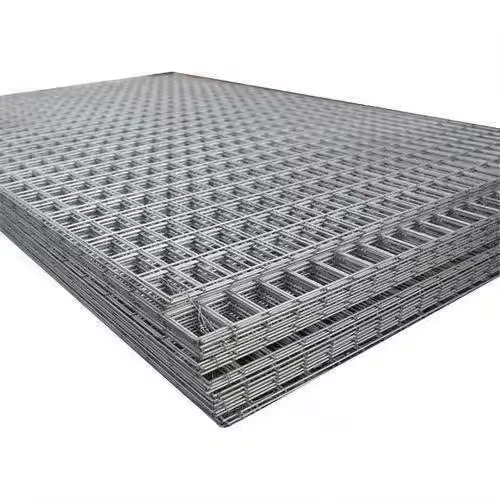
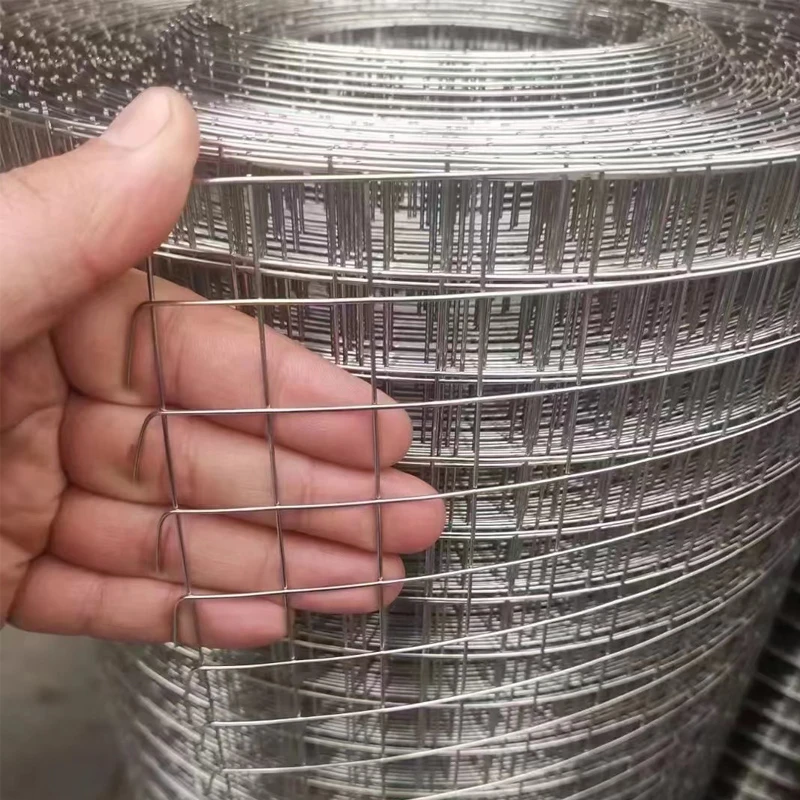
Related News


2026-03-16 14:21:07
Discover durable farming solutions and flexible animal containment with hinge-knot field fence. Combining impact-resistant design and customizable options, Hebei Jinjiu ensures quality for agricultural applications. Explore now: https://www.jinjiuwiremesh.com/field-fencefarm-fence.html
2026-03-16 14:21:07
Discover durable farming solutions and flexible animal containment with hinge-knot field fence. Combining impact-resistant design and customizable options, Hebei Jinjiu ensures quality for agricultural applications. Explore now: https://www.jinjiuwiremesh.com/field-fencefarm-fence.html
2027-04-14 00:00:00
Discover durable farming solutions and flexible animal containment with hinge-knot field fence. Combining impact-resistant design and customizable options, Hebei Jinjiu ensures quality for agricultural applications. Explore now: https://www.jinjiuwiremesh.com/field-fencefarm-fence.html
2026-02-25 15:31:06
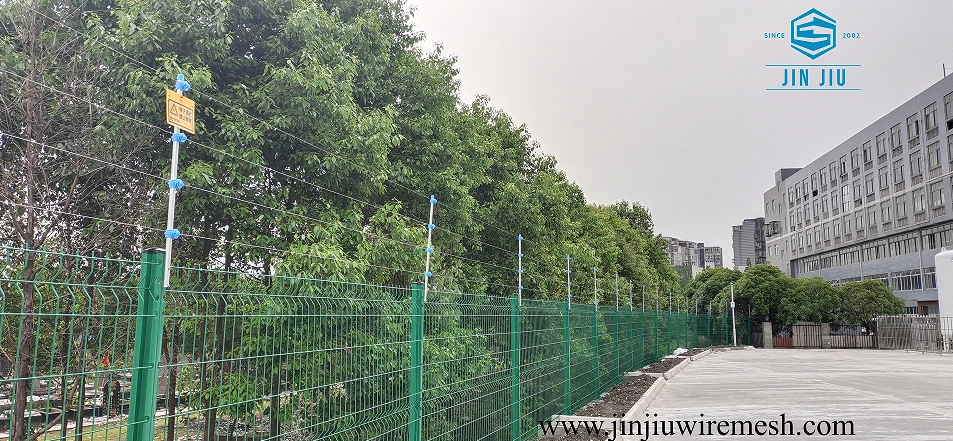
The Strategic Role of the Industrial Electric Fence in Modern Commerce
The protection of corporate and manufacturing assets has transitioned from a matter of simple boundary marking to a complex necessity of risk management.
2026-02-25 15:29:03
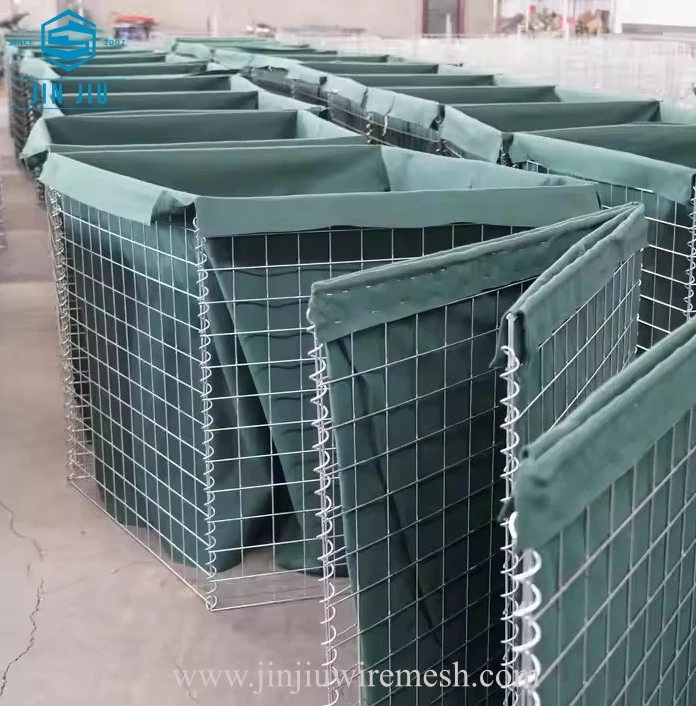
The Evolution of Physical Protection: Bullet Resistant Defensive Barriers in Modern Security
In an increasingly unpredictable global landscape, the requirement for high-level ballistic protection has moved beyond the battlefield and into the core of civilian and industrial security infrastructure.
2026-02-25 15:26:58
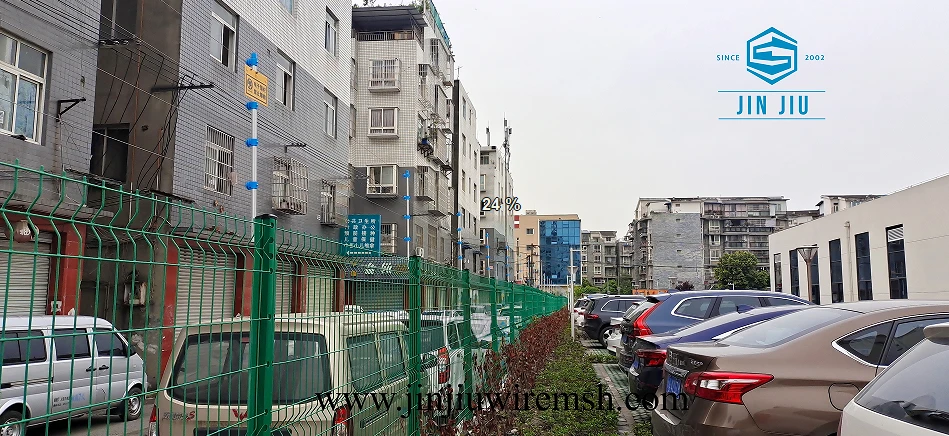
The Digital Backbone of Modern Security: Connected Pulse Monitoring Electric Fence Architecture
The traditional concept of a perimeter has undergone a fundamental transformation.
2026-02-25 15:24:13
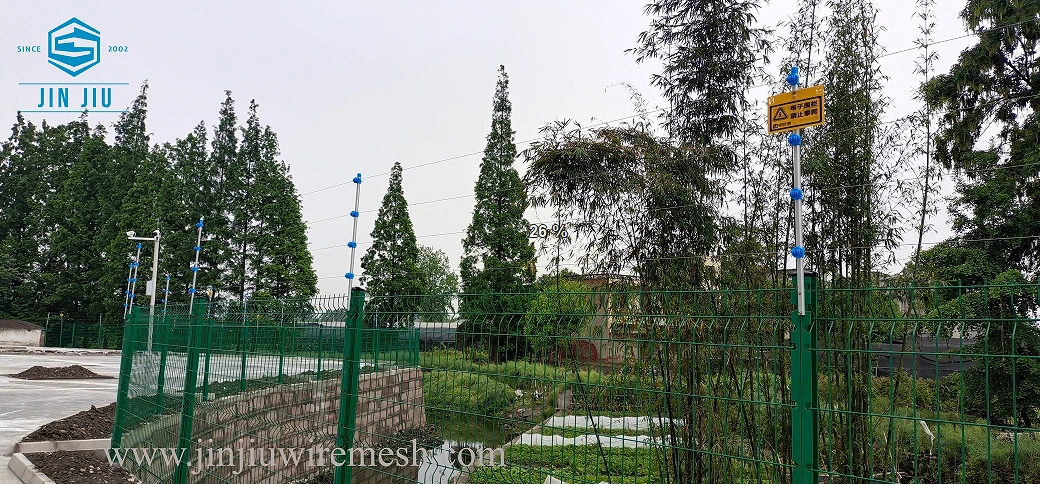
Securing the Unreachable with a Powerful Pulse Electric Fence
In the realm of global security, the distinction between a standard boundary and a high-security perimeter is often defined by the technology pulsing through the wires.
2027-04-14 00:00:00
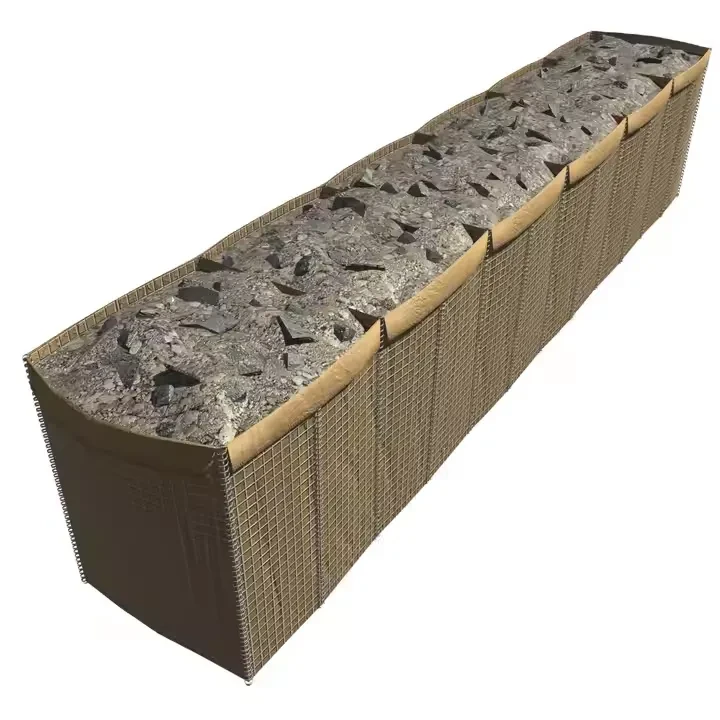
Engineering Resilience with Explosion Proof Defensive Barriers
In an era where industrial safety and national security are increasingly intertwined, the necessity for specialized protection in volatile environments has never been higher.


 English
  Albanian
  Arabic
  Bengali
  Czech
Czech  Danish
  Dutch
Dutch  Finnish
  French
  German
  Japanese
  Malay
Malay  Persian
  Polish
  Portuguese
  Romanian
  Russian
  Serbian
  Spanish
  Swahili