





Hebei Jinjiu Metal Products Co.,Ltd


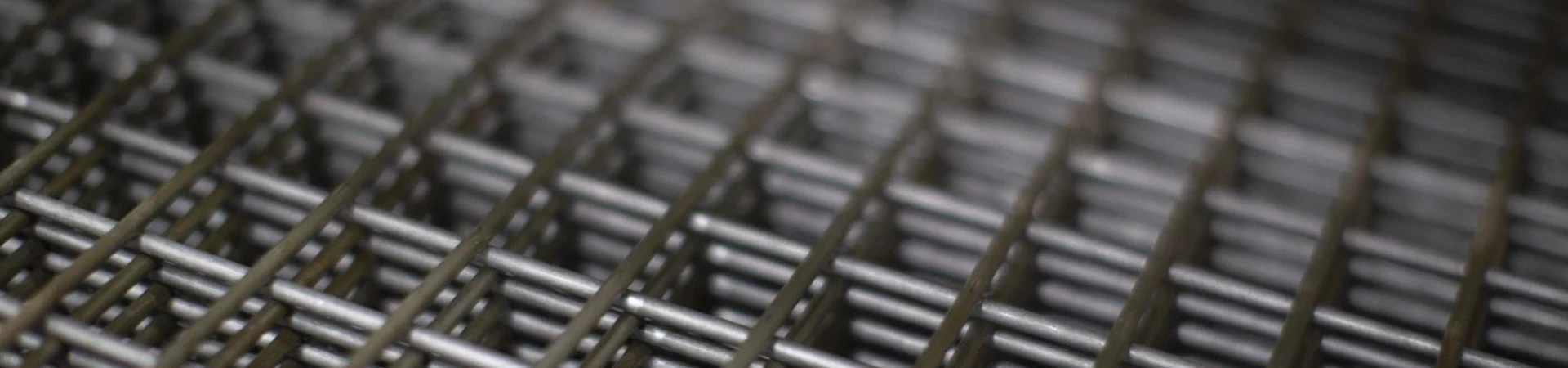

Effective Warfare Tank Barrier Wire Mesh Solutions for Defense & Security
Nov . 27, 2025 15:35
What Is Warfare Tank Barrier Wire Mesh and Why It Matters Globally
If you're new to the term warfare tank barrier wire mesh, don't worry—it's essentially a strategic defense material designed to protect critical sites from armored vehicles, particularly tanks. Globally, its use goes beyond just military lines. Think about it: in regions affected by conflicts, peacekeeping zones, and heavily fortified industrial areas, these robust meshes act like invisible guardians. They help curb violence, protect infrastructure, and sometimes even save lives.
Understanding this technology means tapping into how nations and organizations attempt to balance security with humanitarian concerns. When armored vehicles threaten civilian areas or restricted zones, these barriers don't just block tanks; they buy crucial time and reduce damage. As conflicts persist worldwide, recognizing the benefits and implications of warfare tank barrier wire mesh becomes key for policymakers, engineers, and humanitarian groups alike.
Global Context: Why Tank Barriers Are a Growing Priority
Did you know that according to the United Nations, armored conflicts involve thousands of vehicles worldwide, especially in volatile regions like the Middle East and parts of Eastern Europe? This puts enormous pressure on local governments and peacekeepers to provide defenses that are both effective and deployable.
Warfare tank barriers help tackle this need with scalable solutions. The warfare tank barrier wire mesh specifically addresses challenges of rapid deployment and adaptability in varied terrains—from dusty deserts to urban sprawls. With armored threats increasingly unpredictable, these mesh barriers offer a kind of flexible fortification that older concrete or bulky barricades simply can’t match.
And here’s a quiet problem: conventional tank traps can be costly to maintain and often fail once breached. So there’s a big push for updated materials — tougher, lighter, and quicker to install.
Simply Put: What Exactly Is Warfare Tank Barrier Wire Mesh?
Warfare tank barrier wire mesh consists of high-tensile wires woven or welded into mesh panels designed specifically to impede the advance of armored vehicles like tanks. Unlike standard fencing, it’s engineered to deform or entangle large treads and wheels without collapsing under pressure.
Think of it as a material solution sitting at the crossroads of military engineering and industrial safety. They’re often made from galvanized steel or specialty alloys, rust-resistant and durable enough to survive harsh weather and direct strikes. These wire meshes aren't just about brute force resistance; their design considers quick assembly, modularity, and even camouflage.
On the humanitarian side, barriers help control passages and protect refugee zones or supply routes without resorting to permanent walls — easing the social and logistical strain in conflict zones.
Core Components That Make Tank Barrier Wire Mesh Effective
1. Durability
The strength of the wires, combined with corrosion-resistant coatings, ensures that barriers maintain integrity even after repeated hits or prolonged outdoor exposure. Many engineers I talked to emphasize that longevity minimizes replacement costs in conflict zones.
2. Scalability & Modularity
Barriers can be linked or arranged to cover wide or irregular areas. You can quickly build long tank traps or configure shorter defensive portions depending on the threat. This flexibility is crucial for changing battlefield dynamics or industrial site expansions.
3. Rapid Deployment
Speed isn’t just a 'nice to have' here; often it’s a matter of life and death. Modular mesh panels and portable supports mean teams can erect barriers within hours. Some designs even allow vehicle transport and installation straight from trucks.
4. Cost Efficiency
Compared to concrete or steel plate barricades, wire mesh is lighter and cheaper to produce and ship. Plus, since it's reusable, the total lifecycle expenses drop significantly, which is why many governments favor these solutions.
5. Customization Options
Depending on the threat level, mesh density and wire thickness can be varied. Some meshes incorporate sharp edges, barbs, or electrified elements—though these features come with ethical considerations in humanitarian contexts.
Mini Takeaway:
Simply choosing the right wire mesh means balancing strength, speed, and cost—tailoring protection to the exact demands of each mission or project.
Where and How Is Tank Barrier Wire Mesh Used Worldwide?
Applications stretch from military frontlines to civilian infrastructure. For instance:
- Conflict Zones: In Eastern European countries, mesh tank barriers protect border posts and military bases.
- Peacekeeping Missions: United Nations forces often employ portable wire meshes to guard camps and humanitarian corridors.
- Post-Disaster Relief: After earthquakes or floods, temporary armored vehicle barriers keep sensitive supply chains secure.
- Industrial Sites: Mines and oil rigs use such barriers to deter theft or prevent vehicular accidents near hazardous zones.
In short, anywhere armored vehicles pose a risk, these barriers find purpose.
Advantages & Long-Term Value of Modern Warfare Tank Barrier Wire Mesh
There’s more to these barriers than immediate defense. The long-term value includes:
- Economic Savings: Lower maintenance and replacement costs mean budget-friendly defense over years.
- Environmental Impact: Unlike concrete, wire mesh is recyclable and less intrusive to soil and ecosystems.
- Social Considerations: Minimizing permanent blockades helps maintain community access and dignity.
- Reliability: Tested against military-grade vehicles, these meshes consistently perform under pressure.
Honestly, these advantages are why various NGOs and governments prefer wire mesh—it's not just protection, it's a sustainable partnership for safer regions.
Looking Forward: Innovations and Future Trends
The tech isn’t standing still. Recent developments include:
- Smart Barriers: Embedded sensors that detect attempts to breach, alerting response teams.
- Lighter Composite Materials: Using carbon fiber blends to reduce weight while boosting strength.
- Eco-Friendly Coatings: Biodegradable anti-corrosion layers protecting both mesh and environment.
- Rapid 3D-Printed Components: To customize shapes quickly onsite and fit complex terrains.
There’s also buzz about coupling mesh barriers with unmanned patrol drones, a combo that’s oddly futuristic but logical.
Challenges & Their Solutions
Despite many benefits, some hurdles remain:
- Installation Complexity: In rough terrains, setting up can be tricky—but pre-assembled modular panels help.
- Potential Ethical Issues: Using barriers that harm humans or livestock raises concerns. Solution? Non-lethal designs focusing on vehicle impedance.
- Weather Wear: Extreme climates accelerate wear. New coatings and alloys are mitigating this.
Ultimately, continual R&D and strict international guidelines (ISO standards for wire mesh quality) guide practical improvements.
Quick FAQ About Warfare Tank Barrier Wire Mesh
- How fast can warfare tank barrier wire mesh be deployed?
- Deployment time varies by design but modular panels typically allow setup within a few hours by a trained team, enabling rapid reaction to emerging threats.
- Is the mesh barrier reusable after an attack?
- Yes, many wire mesh barriers are designed to be reusable. While some deformation occurs after hits, sections can be repaired or replaced without swapping the entire barrier.
- Can these barriers withstand heavy modern tanks?
- They are engineered to delay or stop tanks effectively, usually buying critical time for countermeasures. However, heavily fortified or combined with other defenses, they maximize protection.
- Are wire mesh barriers environmentally safe?
- Generally yes. Made from recyclable materials and offering less ecological disruption than concrete walls, especially when used temporarily.
- Can NGOs import and deploy these barriers internationally?
- Absolutely. Many manufacturers offer international shipping and support. NGOs usually work under import/export regulations and collaborate with local authorities during deployment.
Product Specification Overview
| Specification | Typical Value | Details |
|---|---|---|
| Material | Galvanized Steel / Alloy | Corrosion-resistant coating for durability |
| Wire Diameter | 4–8 mm | Adjusted per application requirements |
| Mesh Size | 50 x 50 mm – 150 x 150 mm | Customizable for scale and strength |
| Panel Dimensions | 2 x 3 meters (standard) | Modular for fast assembly |
| Weight | 30–50 kg per panel | Depends on wire gauge and size |
| Deployment Time | 3–6 hours (per 100 m barrier) | With trained crew |
Vendor Comparison at a Glance
| Vendor | Material Quality | Customization | Pricing | Delivery Time |
|---|---|---|---|---|
| Jinjiu Wire Mesh | High-grade galvanized steel | Full range, from mesh size to coatings | Competitive | 2–4 weeks worldwide |
| Defenso Tech | Alloy steel composite | Limited panel sizes | Premium pricing | 3–5 weeks |
| ArmorGrid Inc. | Steel with anti-rust coating | Moderate | Mid-range | 4–6 weeks |
Wrapping Up: Why Your Next Defense Project Should Include Warfare Tank Barrier Wire Mesh
From the dusty borderlands of conflict to critical industrial hubs, the role of warfare tank barrier wire mesh keeps expanding. It’s not just a tough fence—it’s a flexible, cost-effective, and respectful barrier that balances security needs with practical realities on the ground.
Whether you’re a government security planner, NGO field operator, or industrial safety manager, investing in these modular, durable meshes means better preparedness for armored threats and a greener, smarter defense footprint.
For those curious to explore detailed offerings, product specs, or custom options, I encourage visiting https://www.jinjiuwiremesh.com. Because when it comes to protecting what matters, the right barrier mesh counts.
Some Final Thoughts
It's odd how something as “simple” as wire mesh—just woven metal, after all—can represent the frontline of modern defense tactics. Yet, the humble mesh deserves more credit: It's one of those innovations that quietly shapes the outcomes in complex, dangerous environments.
References

Related Products

Related News


2026-03-16 14:21:07
Discover durable farming solutions and flexible animal containment with hinge-knot field fence. Combining impact-resistant design and customizable options, Hebei Jinjiu ensures quality for agricultural applications. Explore now: https://www.jinjiuwiremesh.com/field-fencefarm-fence.html
2026-03-16 14:21:07
Discover durable farming solutions and flexible animal containment with hinge-knot field fence. Combining impact-resistant design and customizable options, Hebei Jinjiu ensures quality for agricultural applications. Explore now: https://www.jinjiuwiremesh.com/field-fencefarm-fence.html
2027-04-14 00:00:00
Discover durable farming solutions and flexible animal containment with hinge-knot field fence. Combining impact-resistant design and customizable options, Hebei Jinjiu ensures quality for agricultural applications. Explore now: https://www.jinjiuwiremesh.com/field-fencefarm-fence.html
2026-02-25 15:31:06
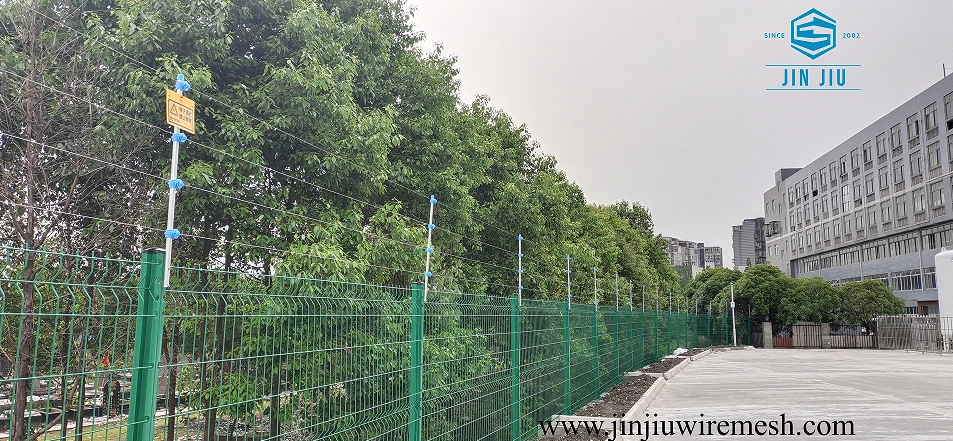
The Strategic Role of the Industrial Electric Fence in Modern Commerce
The protection of corporate and manufacturing assets has transitioned from a matter of simple boundary marking to a complex necessity of risk management.
2026-02-25 15:29:03
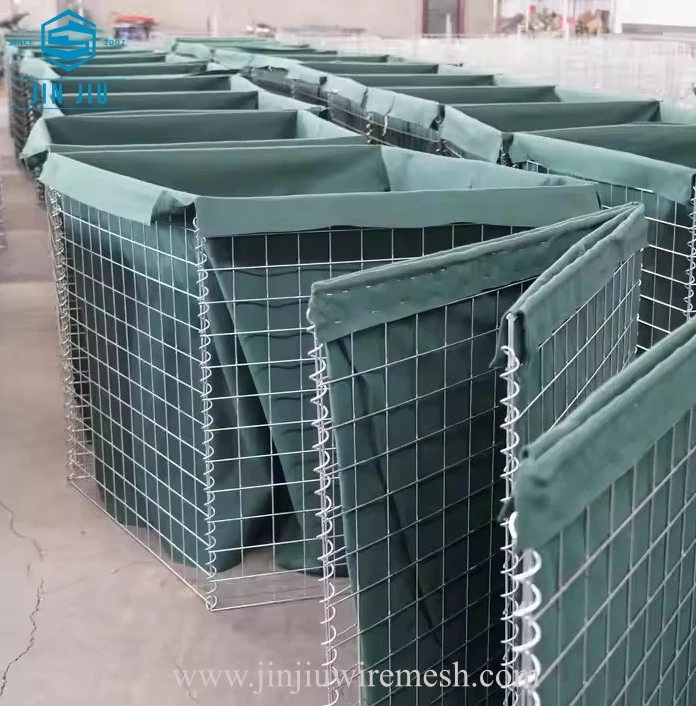
The Evolution of Physical Protection: Bullet Resistant Defensive Barriers in Modern Security
In an increasingly unpredictable global landscape, the requirement for high-level ballistic protection has moved beyond the battlefield and into the core of civilian and industrial security infrastructure.
2026-02-25 15:26:58
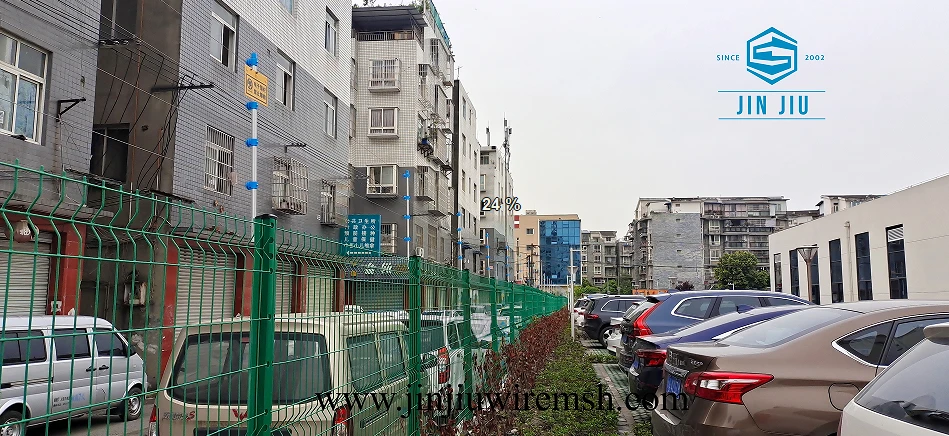
The Digital Backbone of Modern Security: Connected Pulse Monitoring Electric Fence Architecture
The traditional concept of a perimeter has undergone a fundamental transformation.
2026-02-25 15:24:13
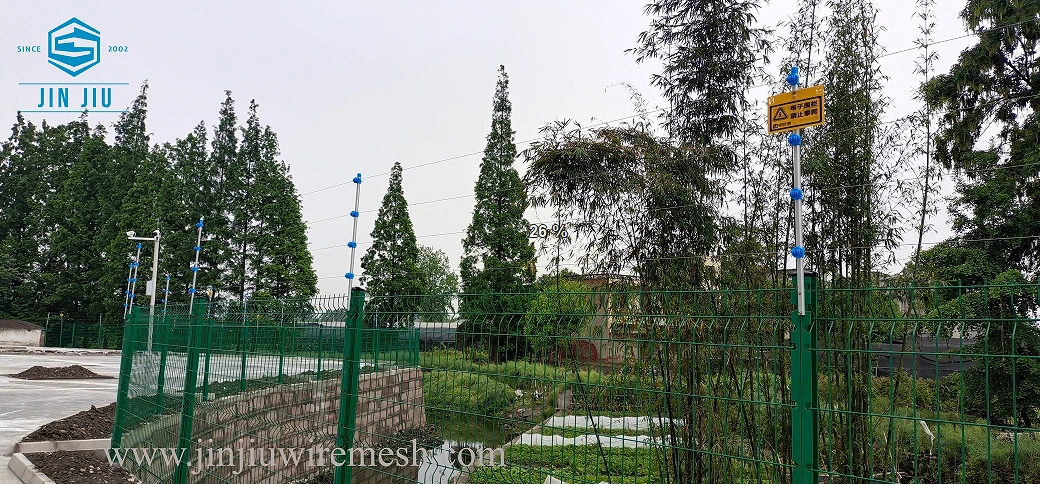
Securing the Unreachable with a Powerful Pulse Electric Fence
In the realm of global security, the distinction between a standard boundary and a high-security perimeter is often defined by the technology pulsing through the wires.
2027-04-14 00:00:00
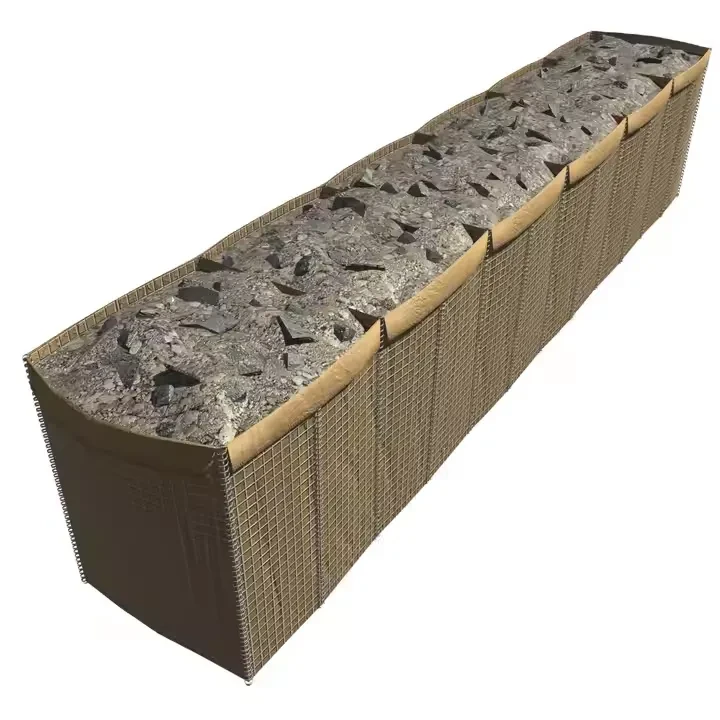
Engineering Resilience with Explosion Proof Defensive Barriers
In an era where industrial safety and national security are increasingly intertwined, the necessity for specialized protection in volatile environments has never been higher.


 English
  Albanian
  Arabic
  Bengali
  Czech
Czech  Danish
  Dutch
Dutch  Finnish
  French
  German
  Japanese
  Malay
Malay  Persian
  Polish
  Portuguese
  Romanian
  Russian
  Serbian
  Spanish
  Swahili