





Hebei Jinjiu Metal Products Co.,Ltd


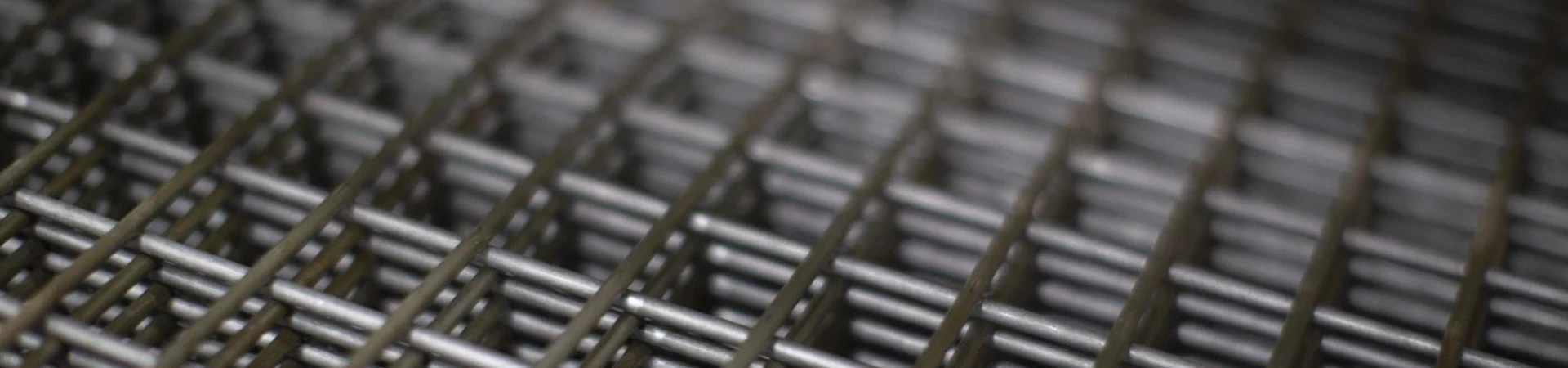

Flexible Metal Mesh: Versatile & Bendable Wire Solutions
Aug . 19, 2025 05:00
Understanding Flexible Metal Mesh: A Versatile Engineering Solution
In the realm of advanced material engineering, flexible metal mesh stands out as a groundbreaking solution, offering unparalleled adaptability and durability across a myriad of industrial applications. This innovative material, often referred to interchangeably as bendable wire mesh, flexible stainless steel mesh, or flexible steel mesh, is engineered to conform to complex geometries while maintaining its structural integrity and performance characteristics. Unlike rigid sheet metals or conventional wire products, the inherent flexibility of metal mesh allows for dynamic movement, significant deformation without permanent damage, and superior energy absorption capabilities, making it indispensable in environments demanding high resilience and adaptability. Its unique construction, typically involving intricate weaving or knitting patterns of high-tensile metal wires, endows it with properties such as excellent airflow, light transmission, sound attenuation, and resistance to extreme temperatures, corrosion, and abrasion. The applications span from architectural facades and interior design elements that require aesthetic appeal combined with structural flexibility, to high-performance filtration systems in petrochemical and pharmaceutical industries where precise particulate separation and chemical inertness are critical. Furthermore, its lightweight nature relative to solid metal sheets, coupled with its remarkable strength-to-weight ratio, presents significant advantages in aerospace and automotive sectors, contributing to fuel efficiency and overall structural optimization. The ongoing evolution of material science, particularly in metallurgy and polymer composites, continually enhances the attributes of flexible metal mesh, pushing the boundaries of its potential utility in demanding industrial landscapes and innovative design projects. This adaptability ensures its continued relevance as a crucial component in next-generation engineering solutions, addressing challenges from environmental protection to advanced manufacturing processes with an emphasis on sustainable and efficient operation.
The Advanced Manufacturing Process of Flexible Metal Mesh
The production of flexible metal mesh involves a sophisticated, multi-stage manufacturing process designed to achieve optimal flexibility, strength, and durability while adhering to stringent quality standards such as ISO 9001 and ASTM. The primary raw materials typically include high-grade stainless steel alloys like SS304, SS316, and SS316L, which offer superior corrosion resistance and mechanical properties; copper and brass for electrical conductivity and aesthetic appeal; and various other specialized alloys chosen for specific applications requiring enhanced temperature resistance or specific magnetic properties. The manufacturing journey begins with precision wire drawing, where large metal rods are drawn through a series of progressively smaller dies to achieve the desired wire diameter, often as fine as 0.5mm down to microscopic levels, ensuring uniformity and high tensile strength essential for the final mesh product. Following this, the wires undergo meticulous cleaning and annealing processes to remove impurities and enhance ductility, making them pliable enough for the subsequent weaving or knitting stages without compromising their inherent strength. The core of the process is the weaving or knitting phase, utilizing advanced automated machinery. Weaving techniques, such as plain weave, twill weave, or Dutch weave, produce a stable, robust mesh structure, while knitting processes create a more open, elastic, and highly deformable fabric. Each method is selected based on the end-use application, balancing flexibility, opening size, and mechanical strength. Post-weaving/knitting, the mesh often undergoes secondary processes including calendering for flatness, cutting to precise dimensions using CNC-controlled laser or waterjet cutters, and specialized surface treatments such as passivation for enhanced corrosion resistance, electropolishing for a smoother finish, or coating with polymers for added functionality or specific aesthetic requirements. Throughout all stages, rigorous quality control checks are implemented, including visual inspections, dimensional measurements using optical comparators, and destructive tests like tensile strength tests (e.g., ASTM E8), burst pressure tests, and corrosion resistance tests (e.g., salt spray tests per ASTM B117), ensuring that every batch of flexible metal mesh meets or exceeds industry benchmarks and customer specifications. This meticulous attention to detail at every stage guarantees a product with exceptional longevity, often exceeding 20-30 years in standard operating conditions, suitable for critical applications in diverse sectors such as petrochemical, metallurgy, mining, give-and-drainage, and environmental engineering. The ability of this mesh to integrate seamlessly into complex systems, providing benefits like enhanced flow dynamics and resistance to aggressive media, underscores its value as a superior engineering material.
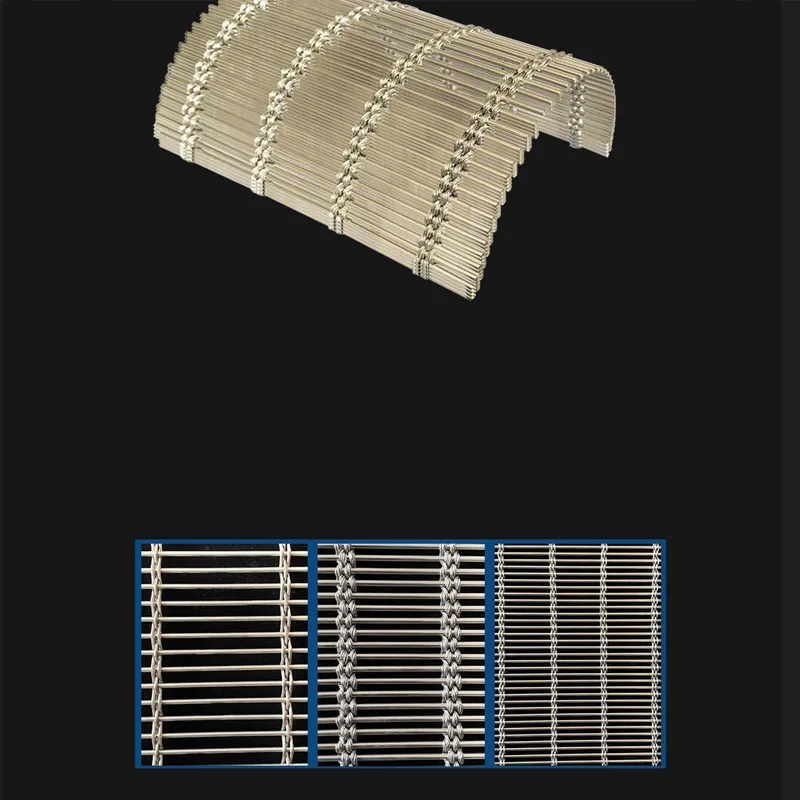
Key Technical Parameters and Specifications of Flexible Metal Mesh
Understanding the critical technical parameters of flexible metal mesh is paramount for engineers and procurement specialists to ensure optimal material selection for specific applications. These parameters directly influence the mesh's performance characteristics, including its mechanical strength, filtration efficiency, light transmission, and resistance to environmental factors. Wire diameter, measured in millimeters or inches, is a fundamental specification, dictating the mesh's overall strength and flexibility; finer wires result in greater flexibility but potentially less rigidity. Mesh count, often expressed as wires per inch or per centimeter, determines the density of the weave and, consequently, the mesh opening size, which is crucial for filtration and screening applications. The mesh opening, or aperture, is the clear space between adjacent wires and is critical for precise particle separation. Material grade, such as SS304, SS316, or specialized alloys, defines the chemical composition and thus the corrosion resistance, temperature tolerance, and suitability for aggressive environments. For instance, SS316L offers superior resistance to pitting and crevice corrosion in chloride-rich environments compared to SS304, making it ideal for marine or chemical processing applications. Tensile strength, measured in megapascals (MPa), indicates the maximum stress the mesh can withstand before breaking under tension, a vital consideration for structural or load-bearing applications. Elongation at break, expressed as a percentage, quantifies the mesh's ductility and ability to stretch before fracturing, directly relating to its bendable characteristics. Temperature resistance specifies the operational range within which the mesh maintains its properties without degradation, critical for high-temperature furnaces or cryogenic applications. Additionally, properties like open area percentage (the ratio of open space to total area), thickness, and specific weave patterns (e.g., plain, twill, Dutch, crimped) are crucial for tailored performance. For example, a high open area percentage is desirable for applications requiring maximum flow rate or light transmission, while a denser Dutch weave is preferred for fine filtration. These detailed specifications enable precise engineering, ensuring that the selected flexible metal mesh fulfills the rigorous demands of industrial use, from intricate architectural designs requiring unique aesthetic and structural properties to robust industrial filters that must withstand abrasive particles and corrosive fluids, thereby contributing significantly to operational efficiency and system longevity.
| Parameter | Unit | Typical Range/Value | Description & Importance |
|---|---|---|---|
| Material Grade | N/A | SS304, SS316, SS316L, Copper, Brass | Determines corrosion resistance, temperature limit, and chemical compatibility. SS316L for high corrosion. |
| Wire Diameter | mm / inch | 0.02mm – 5.0mm (0.0008" – 0.2") | Influences mesh strength, flexibility, and open area. Finer wires increase flexibility. |
| Mesh Count | wires/inch (per cm) | 2 – 635 (per inch) | Number of wires per unit length. Defines mesh density and aperture size for filtration. |
| Aperture (Mesh Opening) | μm / mm | 20μm – 10mm | The clear space between wires. Critical for precise filtration and screening applications. |
| Open Area | % | Typically 30% – 85% | Percentage of total area that is open. Affects flow rate, light/air transmission, and screening efficiency. |
| Tensile Strength | MPa | ~520 MPa (SS304) to ~680 MPa (SS316) | Maximum stress before breaking. Crucial for load-bearing and structural applications. |
| Temperature Resistance | °C / °F | -196°C to 800°C (-320°F to 1472°F) | Operating temperature range without material degradation. |
| Weave Type | N/A | Plain, Twill, Dutch, Crimped, Knitted | Determines stability, flexibility, and filtration characteristics. |
Diverse Applications and Core Advantages of Flexible Metal Mesh
The inherent versatility and robust performance of flexible metal mesh position it as a critical component across an expansive spectrum of industries, delivering significant advantages that elevate operational efficiency, safety, and longevity. In the petrochemical and chemical processing sectors, flexible stainless steel mesh is indispensable for high-efficiency filtration and separation processes, including catalyst support, particle retention, and gas-liquid separation. Its superior corrosion resistance, particularly with SS316L, ensures long-term integrity in aggressive chemical environments, leading to reduced maintenance downtime and enhanced process purity, which directly contributes to energy savings by minimizing product reprocessing. In architectural and construction applications, bendable metal mesh transcends purely functional roles to become a pivotal aesthetic and structural element. It is extensively used for building facades, interior partitions, balustrades, and ceiling designs, providing unique visual textures, controlled light diffusion, sun shading, and natural ventilation. The material’s ability to be formed into complex curves and bespoke shapes allows architects unparalleled design freedom, while its durability ensures longevity and resistance to environmental wear. For industries requiring electromagnetic interference (EMI) shielding or radio frequency (RF) attenuation, such as telecommunications and aerospace, the mesh provides effective shielding while maintaining airflow and visibility. The automotive and transportation industries leverage the mesh for lightweight yet robust components, including exhaust system heat shields, air filters, and sound dampening materials, contributing to fuel efficiency and passenger comfort. Its resilience also makes it ideal for security applications, offering robust barriers and enclosures that are resistant to cutting and impact while maintaining a visual presence. Furthermore, in the realm of environmental engineering and water treatment, flexible steel mesh serves as a durable and reusable filter media for wastewater treatment, solid-liquid separation, and air pollution control systems. The long service life of this material, coupled with its resistance to biofouling and chemical degradation, offers substantial cost savings over the lifecycle of the system. The adaptability of bendable wire mesh to dynamic loads and fluctuating temperatures further solidifies its position as a go-to solution for challenging environments, proving its worth not just in performance but also in contributing to sustainable and efficient industrial operations.
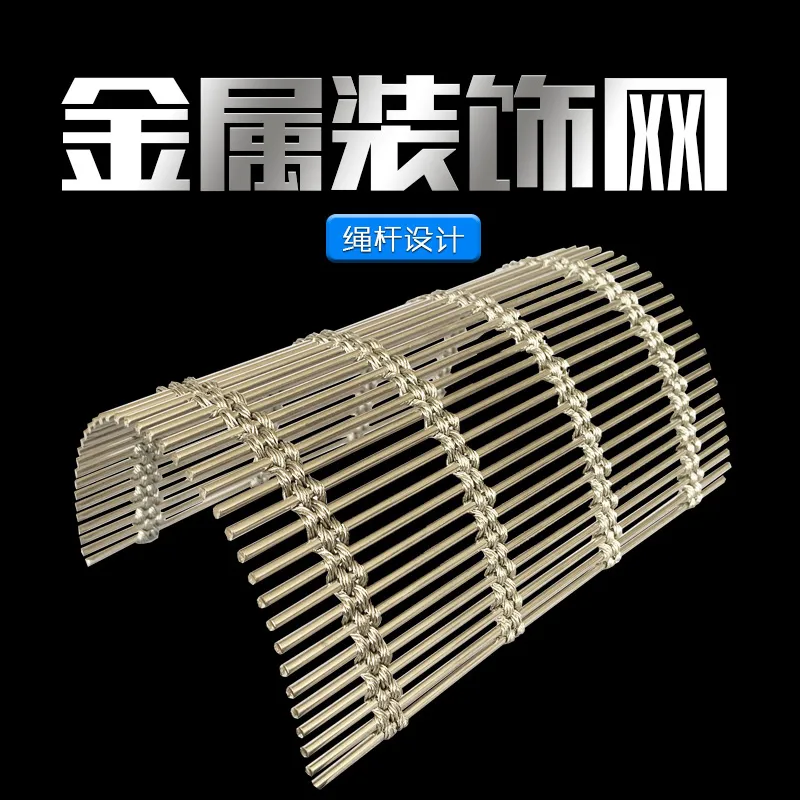
Ensuring Quality: Industry Certifications and Supplier Selection for Flexible Metal Mesh
Selecting a reputable manufacturer and understanding the quality assurance framework are paramount when sourcing flexible metal mesh to guarantee performance, reliability, and compliance with industry standards. Authoritativeness in the manufacturing of bendable wire mesh is typically demonstrated through adherence to international certifications and a proven track record of consistent quality. Key certifications to look for include ISO 9001:2015 for quality management systems, which ensures a systematic approach to production, quality control, and customer satisfaction. For specific applications, certifications such as ASTM (American Society for Testing and Materials) standards are crucial, outlining material specifications, testing methods, and performance criteria for wire cloth and mesh products (e.g., ASTM E2016 for industrial woven wire cloth). Compliance with European standards (EN) or specific industry regulations like those from the FDA for food and pharmaceutical applications, or API for oil and gas, further validate a manufacturer's expertise. Reputable suppliers, often with decades of service in the wire mesh industry, will readily provide material certifications (Mill Test Certificates) that detail the chemical composition and mechanical properties of the raw materials used, ensuring traceability and authenticity. Furthermore, a strong commitment to research and development, evidenced by investment in advanced manufacturing technologies and the ability to offer custom solutions for complex technical requirements, differentiates leading manufacturers. Companies with a robust history of successful project delivery, global partnerships, and positive customer feedback, often highlighted in case studies or testimonials, demonstrate significant experience and trustworthiness. For instance, Jinjiu Wire Mesh, with its extensive service history, provides comprehensive test data and maintains stringent internal quality control protocols that often exceed standard requirements. When comparing flexible metal mesh providers, it is crucial to inquire about their internal testing capabilities, their warranty commitments, and their after-sales support infrastructure. A transparent company will offer detailed documentation regarding delivery schedules, minimum order quantities, and comprehensive customer support, including technical assistance for installation and maintenance. This holistic approach to quality and service ensures that the procured flexible metal mesh not only meets immediate project needs but also delivers long-term value and operational integrity in demanding industrial environments.
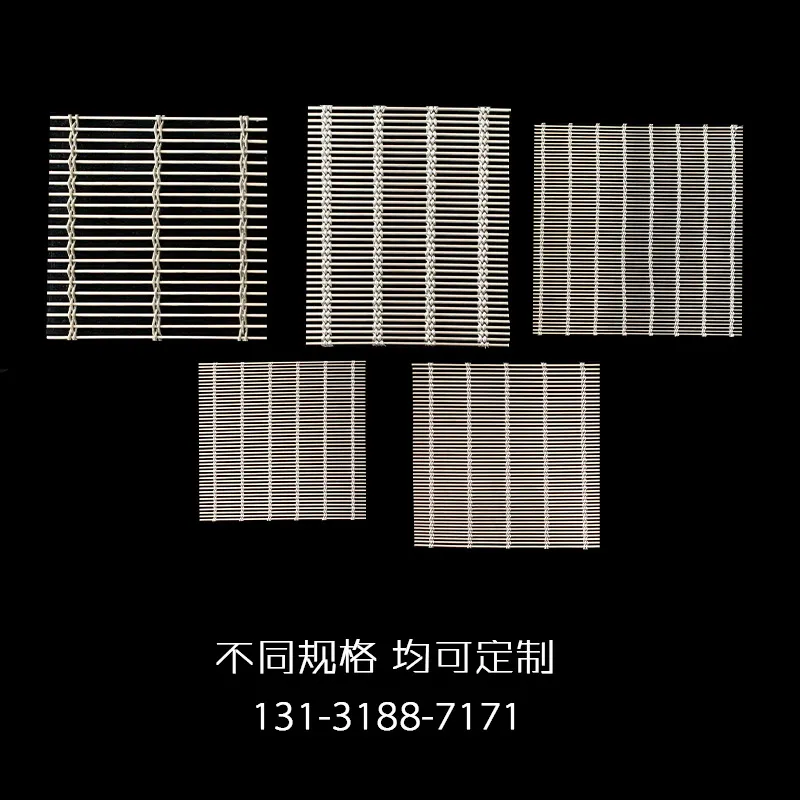
Customization and Trustworthiness in Flexible Metal Mesh Solutions
The diverse needs of modern industries frequently necessitate highly customized flexible metal mesh solutions, moving beyond off-the-shelf products to engineered materials precisely tailored to unique operational parameters. Reputable manufacturers excel in providing bespoke solutions, which involves close collaboration with clients from initial design conceptualization through to final product delivery. This customization extends to selecting specific wire materials and alloys (e.g., inconel for extreme temperatures, titanium for biocompatibility), defining precise wire diameters and mesh counts, experimenting with various weave patterns (e.g., crimped mesh for enhanced rigidity and filtration efficiency), and applying specialized coatings or surface treatments (e.g., PTFE coating for non-stick properties, black oxide for reduced glare). The ability to offer precise slitting, cutting, and fabrication services, transforming large rolls of mesh into specific shapes, panels, or components, further enhances the utility of flexible stainless steel mesh. For instance, in noise reduction applications for industrial machinery, a multi-layered bendable mesh with varying densities might be engineered to optimally attenuate specific frequency ranges. Trustworthiness in this domain is built not only on technical expertise but also on transparent communication, reliable delivery schedules, and robust post-sales support. Manufacturers committed to trustworthiness will provide clear estimated delivery times, typically ranging from 2-4 weeks for standard orders and 6-12 weeks for highly customized products, depending on material availability and production complexity. They will also offer comprehensive quality assurance, including a product warranty, often spanning 1-5 years depending on the application and material, covering manufacturing defects and material integrity. Furthermore, a dedicated customer support team is crucial, providing technical assistance, troubleshooting, and guidance on installation and maintenance to maximize the lifespan and performance of the bendable mesh. This includes offering detailed product datasheets, installation guides, and even on-site technical visits for complex projects. A strong FAQ section on the manufacturer’s website, addressing common concerns regarding material properties, cleaning, installation, and application suitability, significantly enhances user confidence. These elements collectively affirm a manufacturer’s commitment not just to selling a product, but to providing a complete, reliable, and supportive solution for their clients' most demanding applications, fostering long-term partnerships built on mutual trust and technical excellence in the field of flexible metal mesh.
Frequently Asked Questions (FAQs) about Flexible Metal Mesh
Addressing common inquiries about flexible metal mesh helps clarify its properties, applications, and maintenance requirements, ensuring users can make informed decisions. One frequent question concerns the typical lifespan of flexible steel mesh. The longevity largely depends on the material grade, environmental conditions, and specific application, but high-grade stainless steel mesh can last anywhere from 20 to 50 years or more in non-corrosive, non-abrasive environments. In highly corrosive or abrasive settings, regular inspection and maintenance are recommended, though specialized alloys can significantly extend this. Another common query revolves around the material's ability to withstand extreme temperatures. Most stainless steel flexible mesh can operate efficiently in temperatures ranging from cryogenic lows (-196°C) up to very high temperatures (800°C or more) without significant degradation of mechanical properties, though specific alloy selections are crucial for optimal performance at the extremes. Users often ask about the cleaning and maintenance of flexible metal mesh. For many applications, particularly in architectural or general industrial use, simple washing with water and mild detergents is sufficient. For industrial filtration or chemical processing applications, more specific cleaning protocols, such as back-flushing or ultrasonic cleaning, may be required to remove contaminants and restore filtration efficiency, depending on the nature of the filtered media. The bendable mesh's inherent corrosion resistance also minimizes the need for extensive anti-corrosion treatments during its operational life. Furthermore, questions regarding customization are prevalent. Most reputable manufacturers offer extensive customization options, including specific mesh dimensions, wire diameters, aperture sizes, material grades, weave patterns, and even post-processing treatments like coating or passivation to meet unique project specifications. Minimum order quantities for custom orders typically vary but can be discussed with the supplier. Finally, inquiries about the environmental impact of flexible metal mesh often arise. As a durable, long-lasting material, metal mesh contributes to sustainability by reducing the need for frequent replacement. Many metal types, especially stainless steel, are also highly recyclable, minimizing waste at the end of their service life. This combination of longevity, recyclability, and energy efficiency in its applications positions flexible metal mesh as an environmentally responsible choice for a wide array of industrial and architectural projects, supporting green initiatives and sustainable engineering practices.
References
- ASM Handbook, Vol. 1: Properties and Selection: Irons, Steels, and High-Performance Alloys. ASM International, 1990.
- ASTM International. "ASTM E2016-11: Standard Specification for Industrial Woven Wire Cloth." 2011.
- European Federation of Corrosions. "Corrosion Handbook." 2005.

Related Products
Related News


2026-03-16 14:21:07
Discover durable farming solutions and flexible animal containment with hinge-knot field fence. Combining impact-resistant design and customizable options, Hebei Jinjiu ensures quality for agricultural applications. Explore now: https://www.jinjiuwiremesh.com/field-fencefarm-fence.html
2026-03-16 14:21:07
Discover durable farming solutions and flexible animal containment with hinge-knot field fence. Combining impact-resistant design and customizable options, Hebei Jinjiu ensures quality for agricultural applications. Explore now: https://www.jinjiuwiremesh.com/field-fencefarm-fence.html
2027-04-14 00:00:00
Discover durable farming solutions and flexible animal containment with hinge-knot field fence. Combining impact-resistant design and customizable options, Hebei Jinjiu ensures quality for agricultural applications. Explore now: https://www.jinjiuwiremesh.com/field-fencefarm-fence.html
2026-02-25 15:31:06
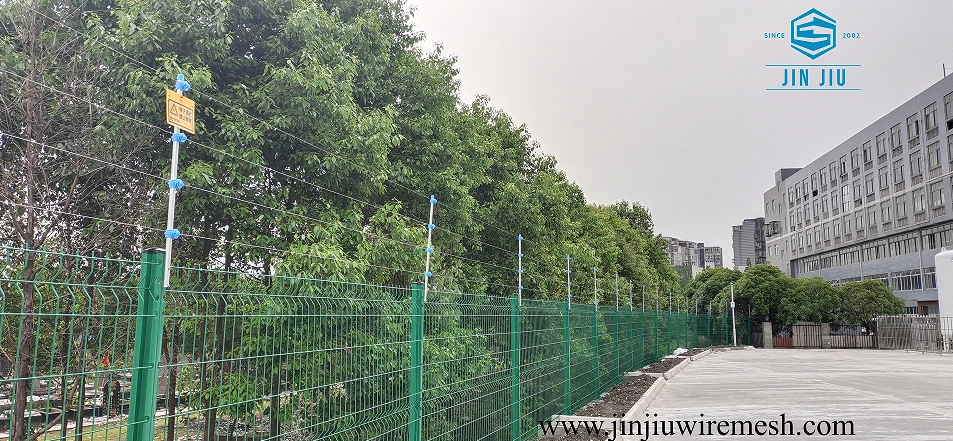
The Strategic Role of the Industrial Electric Fence in Modern Commerce
The protection of corporate and manufacturing assets has transitioned from a matter of simple boundary marking to a complex necessity of risk management.
2026-02-25 15:29:03
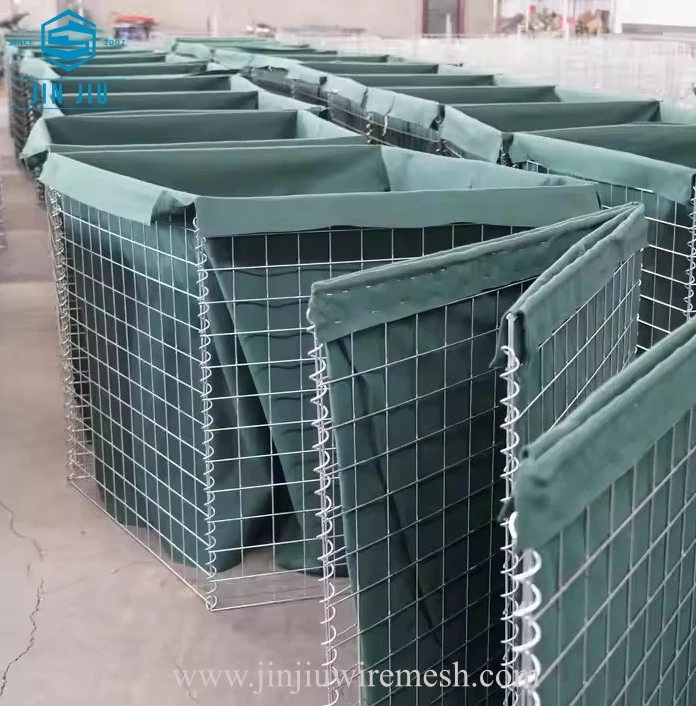
The Evolution of Physical Protection: Bullet Resistant Defensive Barriers in Modern Security
In an increasingly unpredictable global landscape, the requirement for high-level ballistic protection has moved beyond the battlefield and into the core of civilian and industrial security infrastructure.
2026-02-25 15:26:58
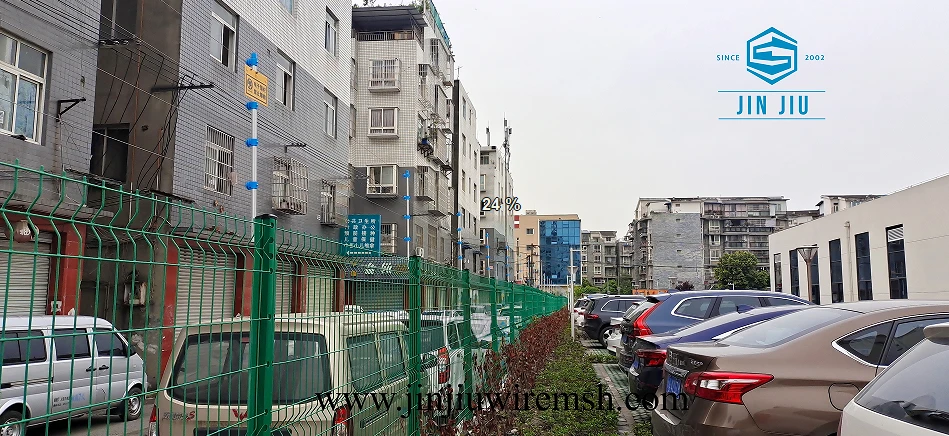
The Digital Backbone of Modern Security: Connected Pulse Monitoring Electric Fence Architecture
The traditional concept of a perimeter has undergone a fundamental transformation.
2026-02-25 15:24:13
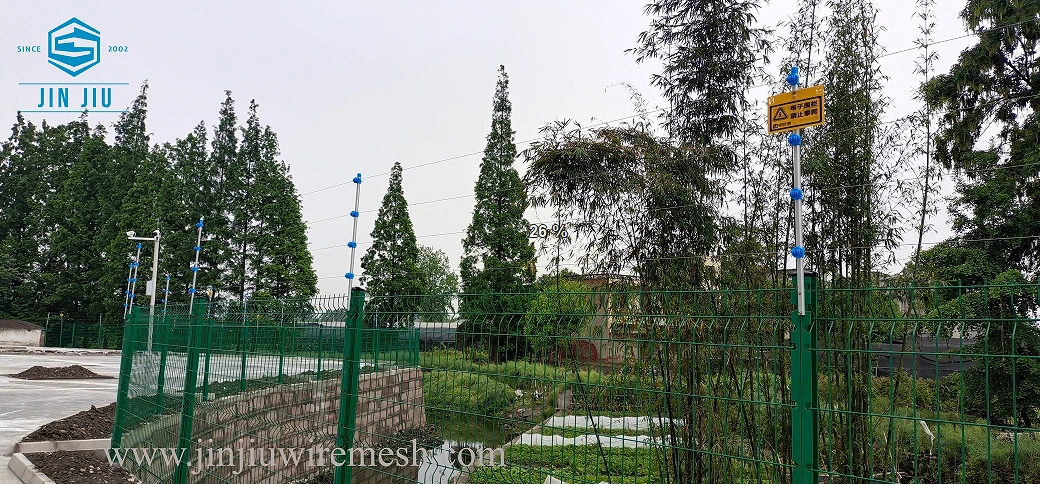
Securing the Unreachable with a Powerful Pulse Electric Fence
In the realm of global security, the distinction between a standard boundary and a high-security perimeter is often defined by the technology pulsing through the wires.
2027-04-14 00:00:00
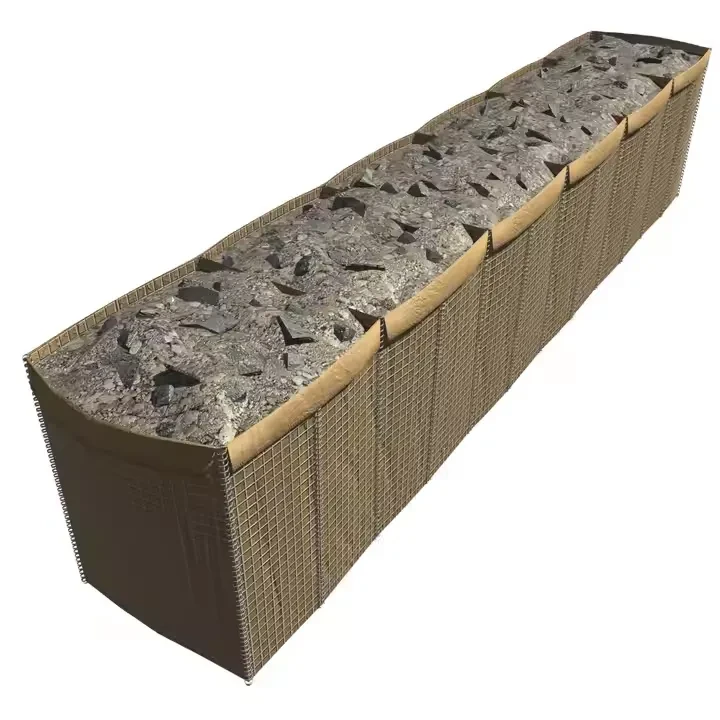
Engineering Resilience with Explosion Proof Defensive Barriers
In an era where industrial safety and national security are increasingly intertwined, the necessity for specialized protection in volatile environments has never been higher.


 English
  Albanian
  Arabic
  Bengali
  Czech
Czech  Danish
  Dutch
Dutch  Finnish
  French
  German
  Japanese
  Malay
Malay  Persian
  Polish
  Portuguese
  Romanian
  Russian
  Serbian
  Spanish
  Swahili