





Hebei Jinjiu Metal Products Co.,Ltd



Inconspicuous Security Obstacle Wire: Durable Safety Without the Eyesore
Nov . 18, 2025 09:29
Why Inconspicuous Security Obstacle Wire Is Shaping Modern Industrial Safety
If you’ve ever walked around a sensitive facility or industrial site, you’ve probably noticed the omnipresent security wires—sometimes thick, stubborn, overt, and often surprisingly ugly. Yet, there’s this other breed that’s quietly changing how we do perimeter control: the inconspicuous security obstacle wire. I mean, who thought that protecting your site could look almost invisible? But it does, and that’s the charm.
Having spent years in the industrial equipment world, I always found the balance between security and aesthetics a bit of a tug-of-war. Nobody wants their site to scream “security fortress” like a blunt instrument, but the threat landscape demands robust deterrents. Enter this subtle, yet tough wire solution.
Material, Design, and Real-World Benefits
So what makes these wires so inconspicuous? First off: material choice. Typically, they use high-tensile stainless steel that's barely noticeable unless you look closely. It’s corrosion-resistant, which is a godsend when you’re dealing with harsh outdoor environments — salt spray, rain, humidity, you name it. Plus, the wire diameters tend to be thinner than regular barbed wires but still pack a punch in terms of strength.
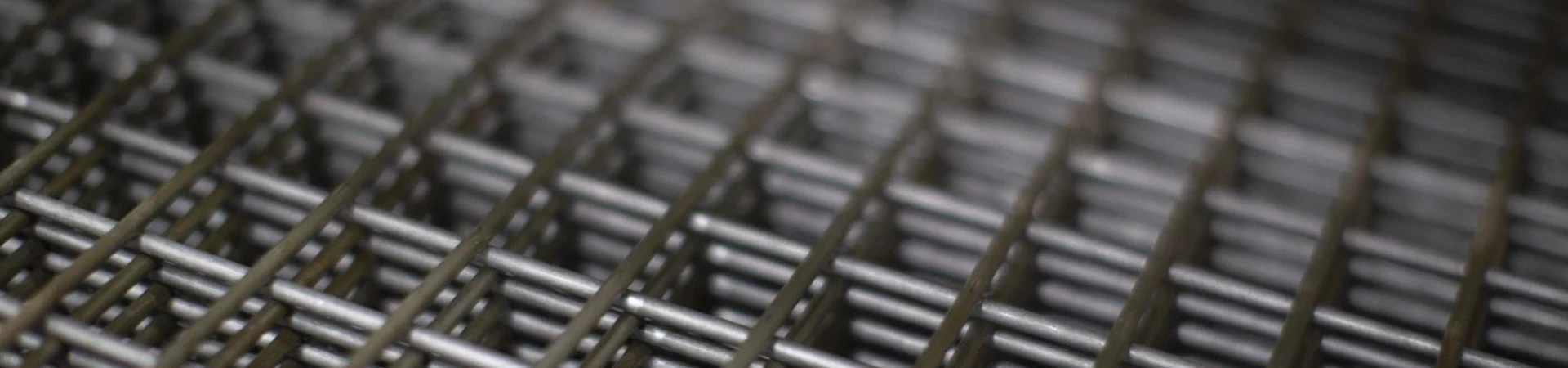
The design is smart, too. Many configurations include tightly-spaced wire strands or almost invisible mesh patterns that blend into backgrounds better than traditional options. From a distance, it might look like just some fine lines or shadows — perfect for historical sites or natural preserves where you don’t want the environment disrupted visually.
Interestingly, the testing protocols for these wires mirror those of the more visible standards. Tensile strength, durability under weather extremes, and even resistance to cutting tools are all rigorously checked. So, while it’s easy to romanticize the “invisible” part, the reality is they’re anything but weak.
Using this kind of security wire sometimes reminds me of a client I worked with last year. They managed a cultural heritage site with strict preservation rules, meaning no heavy barriers or walls. The inconspicuous security obstacle wire was their perfect solution — tough enough to prevent intrusions while barely tampering with the scenery. At night, especially, when the mesh caught the moonlight just so, it was like a ghostly shield guarding their treasures.
Product Specification Snapshot
| Specification | Details |
|---|---|
| Material | High-Tensile Stainless Steel (304/316 options) |
| Wire Diameter | 1.2 mm - 2.5 mm |
| Coating | Galvanized & PVC Coated (optional) |
| Tensile Strength | ≥ 1770 MPa |
| Mesh Size (if applicable) | 20 mm - 50 mm spacing |
| Installation Options | Wall mount, post tensioning, frame integration |
Comparing Top Vendors: Who’s Leading the Quiet Security Movement?
| Vendor | Material Options | Customization | Lead Time | Price Level |
|---|---|---|---|---|
| Jinjiu Wire Mesh | 304 & 316 Stainless Steel, Galvanized | Fully Custom Mesh Patterns & Sizes | 3-4 Weeks | Moderate |
| WireTech Solutions | Galvanized Steel Only | Limited to Standard Mesh Sizes | 2-3 Weeks | Low |
| SecureLine Co. | 304 Stainless Steel, PVC Coated | Custom Coating & Wire Thickness | 4-5 Weeks | Higher |
When you’re selecting your security obstacle wire, ask yourself: Are you willing to sacrifice looks for brute strength? Or do you want the best of both worlds? In my experience, the inconspicuous wire kind—like the ones by Jinjiu Wire Mesh—gives you robust protection without shouting “look at me.” It’s worth the investment, especially if your project demands subtly.
One thing I’ve noticed over time is that engineers and site managers are growing hungry for these low-profile solutions. It feels like the industry has matured past the days of clunky wires and ugly barriers. The trend points toward security that’s as elegant as it is effective. Who’d have thought rust-resistant, tightly woven stainless steel could ever be so fashionable?
Ah well, progress, right? In real terms, if you need a security option that won’t ruin your site’s look but still keeps it safe as Fort Knox, inconspicuous security obstacle wire is a pretty solid bet.
— Tom, Industrial Security Equipment Specialist
References & Further Thoughts
- Industry testing reports on tensile strength and weather resilience, 2023
- Client project case studies: heritage site security, 2022
- Jinjiu Wire Mesh product catalogs and customization guides, 2024

Related Products

Related News


2026-03-16 14:21:07
Discover durable farming solutions and flexible animal containment with hinge-knot field fence. Combining impact-resistant design and customizable options, Hebei Jinjiu ensures quality for agricultural applications. Explore now: https://www.jinjiuwiremesh.com/field-fencefarm-fence.html
2026-03-16 14:21:07
Discover durable farming solutions and flexible animal containment with hinge-knot field fence. Combining impact-resistant design and customizable options, Hebei Jinjiu ensures quality for agricultural applications. Explore now: https://www.jinjiuwiremesh.com/field-fencefarm-fence.html
2027-04-14 00:00:00
Discover durable farming solutions and flexible animal containment with hinge-knot field fence. Combining impact-resistant design and customizable options, Hebei Jinjiu ensures quality for agricultural applications. Explore now: https://www.jinjiuwiremesh.com/field-fencefarm-fence.html
2026-02-25 15:31:06
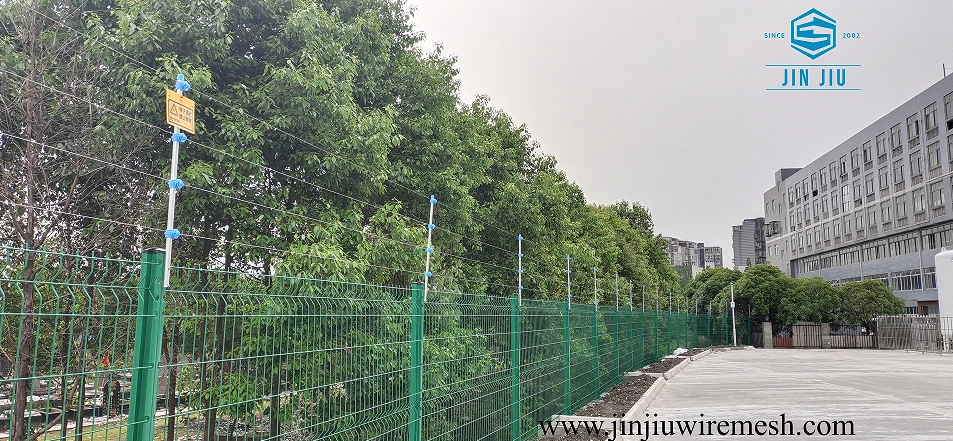
The Strategic Role of the Industrial Electric Fence in Modern Commerce
The protection of corporate and manufacturing assets has transitioned from a matter of simple boundary marking to a complex necessity of risk management.
2026-02-25 15:29:03
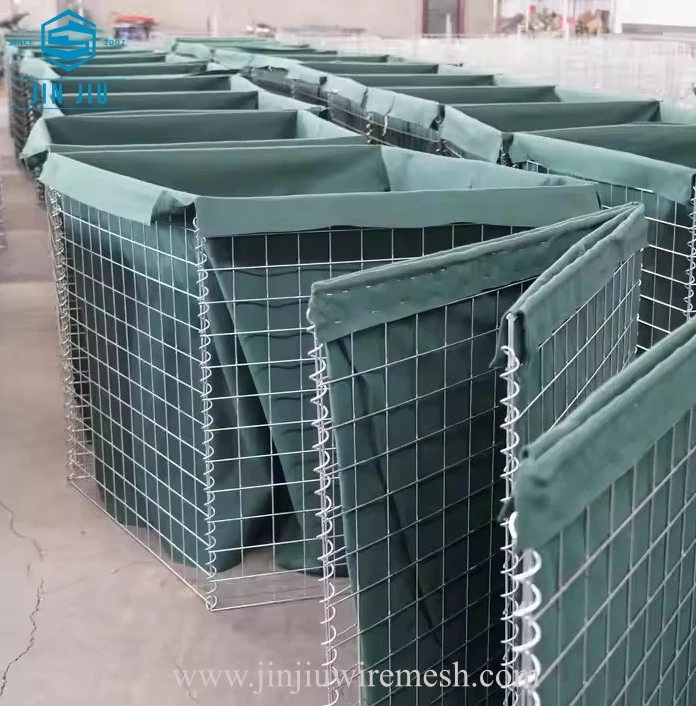
The Evolution of Physical Protection: Bullet Resistant Defensive Barriers in Modern Security
In an increasingly unpredictable global landscape, the requirement for high-level ballistic protection has moved beyond the battlefield and into the core of civilian and industrial security infrastructure.
2026-02-25 15:26:58
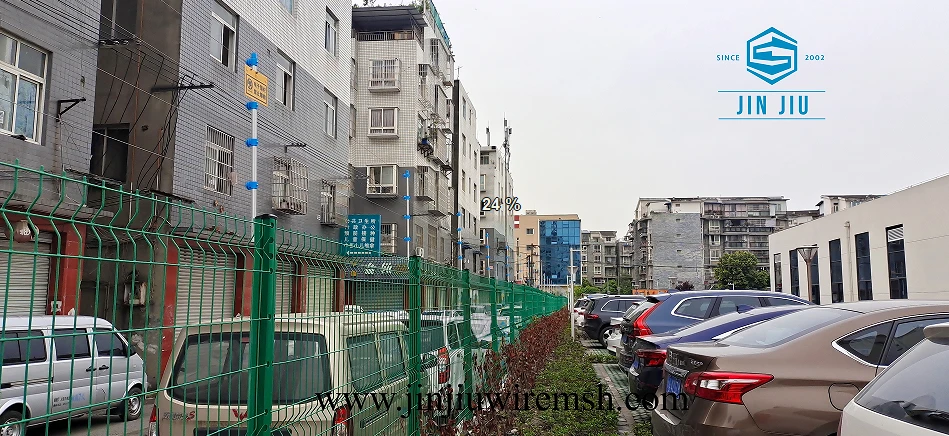
The Digital Backbone of Modern Security: Connected Pulse Monitoring Electric Fence Architecture
The traditional concept of a perimeter has undergone a fundamental transformation.
2026-02-25 15:24:13
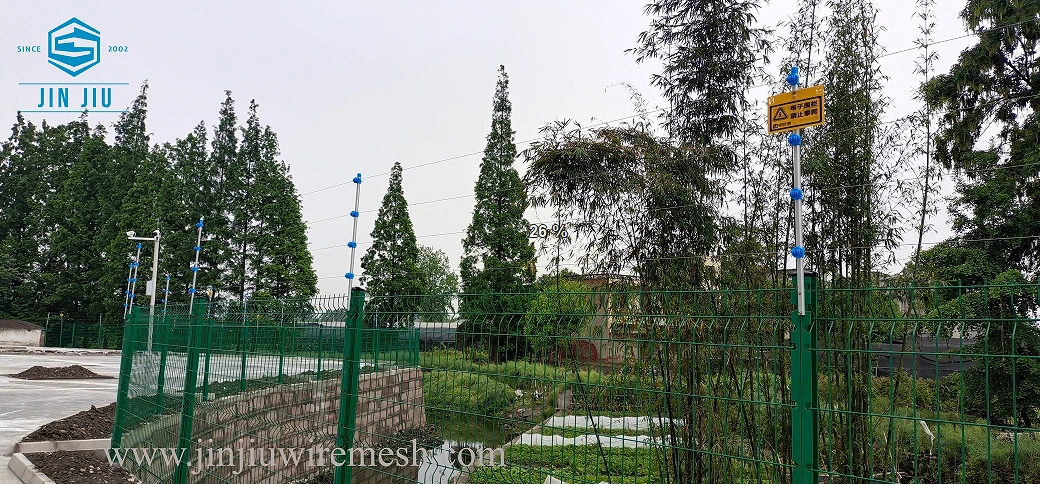
Securing the Unreachable with a Powerful Pulse Electric Fence
In the realm of global security, the distinction between a standard boundary and a high-security perimeter is often defined by the technology pulsing through the wires.
2027-04-14 00:00:00
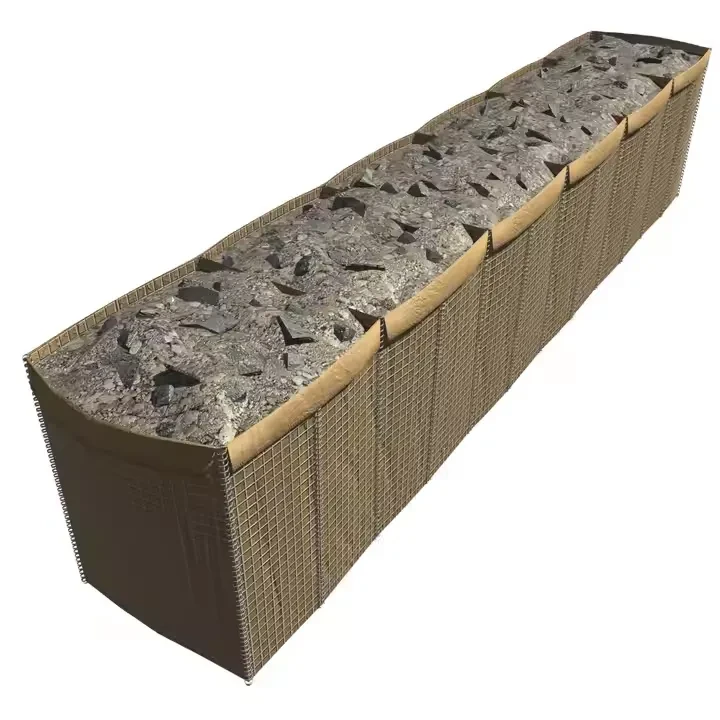
Engineering Resilience with Explosion Proof Defensive Barriers
In an era where industrial safety and national security are increasingly intertwined, the necessity for specialized protection in volatile environments has never been higher.


 English
  Albanian
  Arabic
  Bengali
  Czech
Czech  Danish
  Dutch
Dutch  Finnish
  French
  German
  Japanese
  Malay
Malay  Persian
  Polish
  Portuguese
  Romanian
  Russian
  Serbian
  Spanish
  Swahili