





Hebei Jinjiu Metal Products Co.,Ltd



Reliable Anti-Tank Security Barriers for Industrial Protection | Jinjiu Wire Mesh
Dec . 16, 2025 09:02
Anti-Tank Security Barrier: The Silent Guardian of Industrial Sites
Having spent a good chunk of my industrial equipment career working around security infrastructure, I’ve come to appreciate the subtle yet crucial role of the anti-tank security barrier. Frankly, it’s one of those unsung heroes – you don’t notice it until you really need it. Designed to thwart heavy vehicles—most notably tanks—from breaching sensitive industrial or military perimeters, these barriers combine raw physical strength with smart engineering.
Oddly enough, when you first see an anti-tank barrier up close, it feels imposing yet almost elegant — a marriage of heavy-duty steel and precise fabrication. They’re not just chunks of metal thrown together; these barriers undergo rigorous testing under conditions that mimic real-world impacts. The materials generally involve high-grade steel alloys, often galvanized or powder-coated to resist corrosion. Given the environments they’re installed in — think coastal military ports or desert power stations — durability is non-negotiable.
I remember talking to a site engineer who emphasized how customization is often critical. You can’t just plop the same barrier in all sites—each location and mission calls for tailored designs. The size, height, spacing between barriers, and anchoring methods can vary widely depending on the threat level and terrain. In real terms, a well-designed anti-tank barrier doesn’t just block; it absorbs and redirects kinetic energy, ensuring maximum deterrence.
| Attribute | Detail |
|---|---|
| Material | High-tensile galvanized steel |
| Dimensions (typical) | 2m height × 3m width × 150kg weight per unit |
| Surface Finish | Powder coated RAL 7016 (Anthracite Gray) |
| Impact Resistance | Tested against 30-ton vehicle at 50 kph |
| Installation | Surface mounted / embedded anchoring options |
Now, when it comes to the vendors, the choice can be overwhelming. I’ve come across several manufacturers, some focusing on shipping standard modules, others offering bespoke engineering. To help clear the fog, here’s a quick comparison.
| Vendor | Product Range | Customization | Certifications | Delivery Time |
|---|---|---|---|---|
| Jinjiu Wire Mesh | Standard & Custom barriers | High – tailored design available | ISO 9001, CE | 4-6 weeks |
| SteelSecure Ltd. | Heavy-duty range only | Limited customization | ISO 14001 | 6-8 weeks |
| ArmorTech Solutions | Custom designs only | Very high customization | MIL-STD Compliance | 8-10 weeks |
In one particularly memorable project, an industrial client on the outskirts of a major port needed a barrier solution that could take a beating from heavy commercial vehicles, not tanks per se, but heavy-duty enough to prevent accidental or deliberate infiltration. We worked closely with the engineers at Jinjiu Wire Mesh, who listened intently, adapted their modular system, and recommended a galvanization upgrade for the salty sea air. The installation went smoothly, and the client reported zero incidents since. Situations like these remind me how in this line of work, technical specs meet real-world complexity.
To wrap up, an anti-tank security barrier is more than just a physical obstacle – it’s a confidence builder for site owners, a testament to thoughtful engineering, and frankly, peace of mind when you need it most. If you’re evaluating options, always ask about testing certifications and custom fit because you want something that stands the test of time and threat.
Hope this sheds some light on an often overlooked but essential component in industrial site security. Until next time, keep safety smart and sturdy.
- European Committee for Standardization (CEN) Guidelines on Road Safety Barriers
- ISO 9001 Quality Management Standards
- Field Report, Jinjiu Wire Mesh Installation, Port Security Project – 2023

Related Products

Related News


2026-03-16 14:21:07
Discover durable farming solutions and flexible animal containment with hinge-knot field fence. Combining impact-resistant design and customizable options, Hebei Jinjiu ensures quality for agricultural applications. Explore now: https://www.jinjiuwiremesh.com/field-fencefarm-fence.html
2026-03-16 14:21:07
Discover durable farming solutions and flexible animal containment with hinge-knot field fence. Combining impact-resistant design and customizable options, Hebei Jinjiu ensures quality for agricultural applications. Explore now: https://www.jinjiuwiremesh.com/field-fencefarm-fence.html
2027-04-14 00:00:00
Discover durable farming solutions and flexible animal containment with hinge-knot field fence. Combining impact-resistant design and customizable options, Hebei Jinjiu ensures quality for agricultural applications. Explore now: https://www.jinjiuwiremesh.com/field-fencefarm-fence.html
2026-02-25 15:31:06
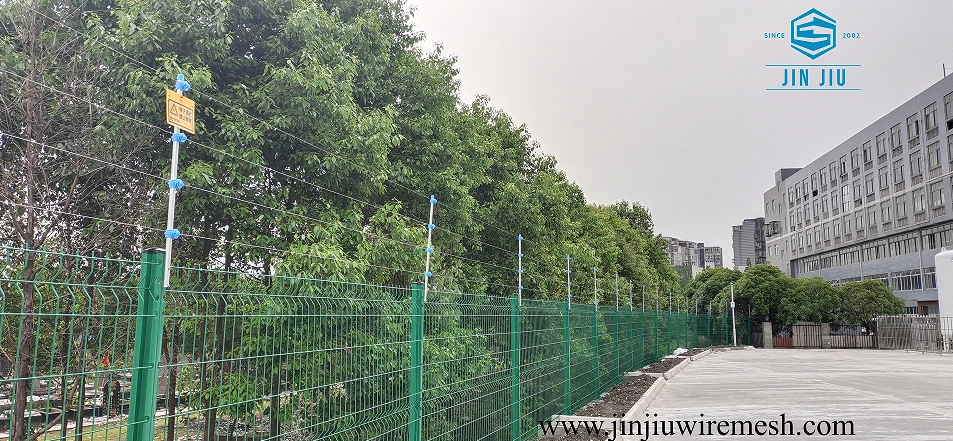
The Strategic Role of the Industrial Electric Fence in Modern Commerce
The protection of corporate and manufacturing assets has transitioned from a matter of simple boundary marking to a complex necessity of risk management.
2026-02-25 15:29:03
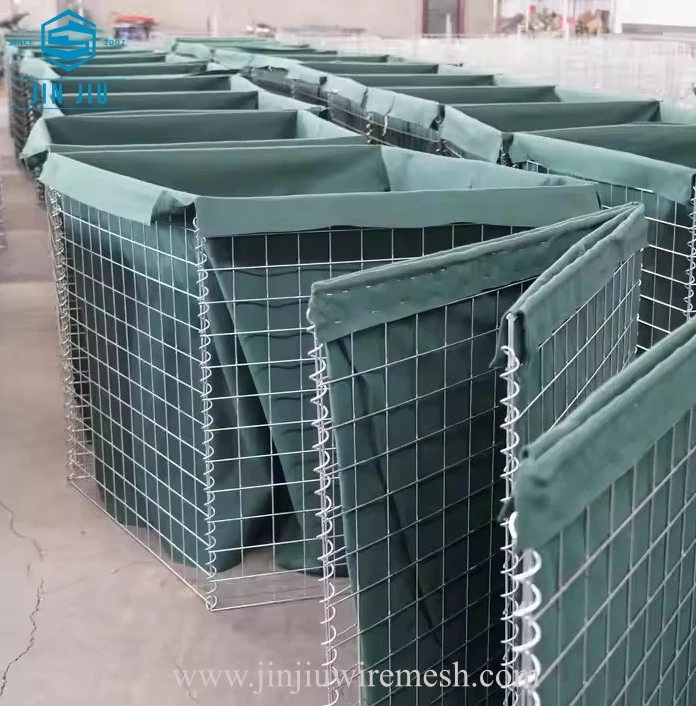
The Evolution of Physical Protection: Bullet Resistant Defensive Barriers in Modern Security
In an increasingly unpredictable global landscape, the requirement for high-level ballistic protection has moved beyond the battlefield and into the core of civilian and industrial security infrastructure.
2026-02-25 15:26:58
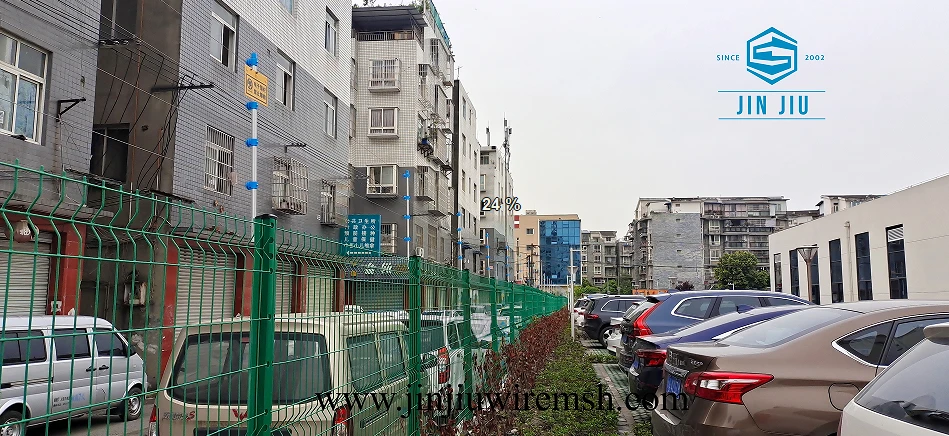
The Digital Backbone of Modern Security: Connected Pulse Monitoring Electric Fence Architecture
The traditional concept of a perimeter has undergone a fundamental transformation.
2026-02-25 15:24:13
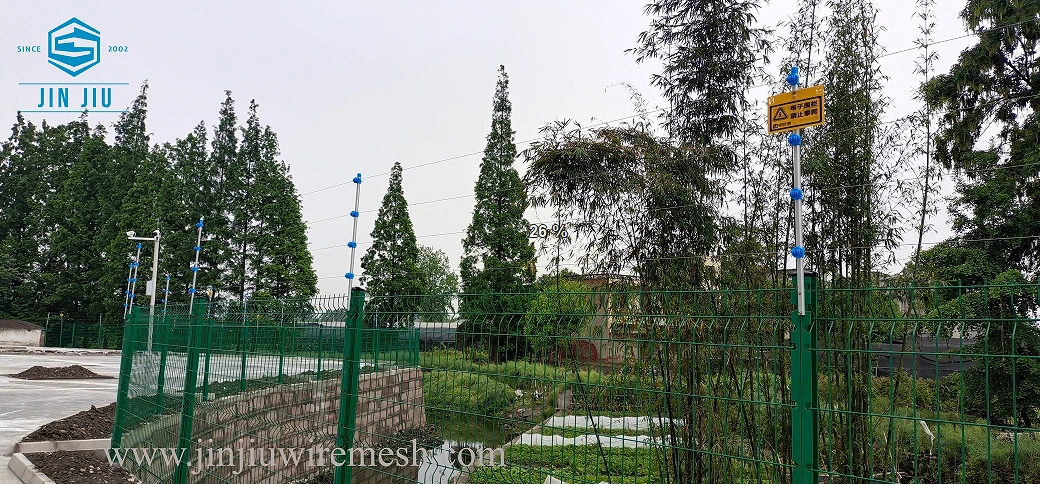
Securing the Unreachable with a Powerful Pulse Electric Fence
In the realm of global security, the distinction between a standard boundary and a high-security perimeter is often defined by the technology pulsing through the wires.
2027-04-14 00:00:00
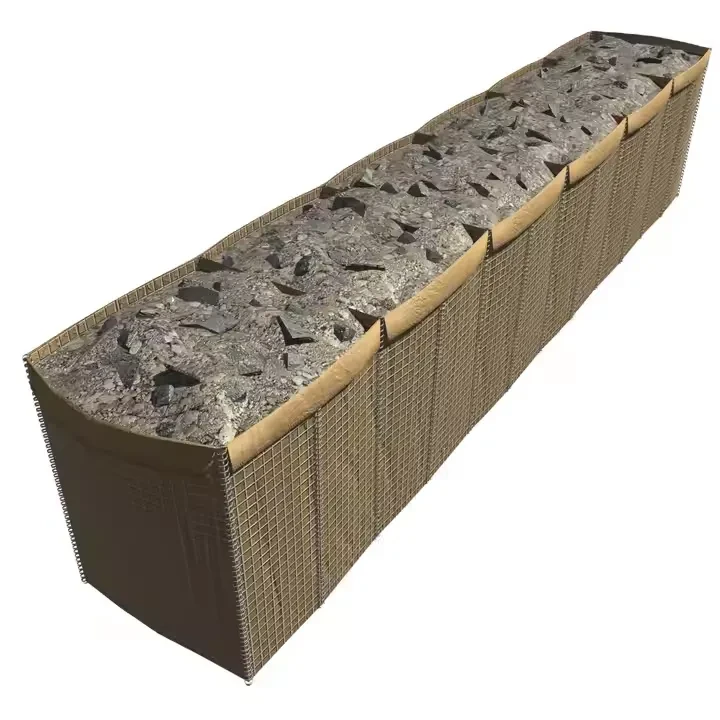
Engineering Resilience with Explosion Proof Defensive Barriers
In an era where industrial safety and national security are increasingly intertwined, the necessity for specialized protection in volatile environments has never been higher.


 English
  Albanian
  Arabic
  Bengali
  Czech
Czech  Danish
  Dutch
Dutch  Finnish
  French
  German
  Japanese
  Malay
Malay  Persian
  Polish
  Portuguese
  Romanian
  Russian
  Serbian
  Spanish
  Swahili