





Hebei Jinjiu Metal Products Co.,Ltd


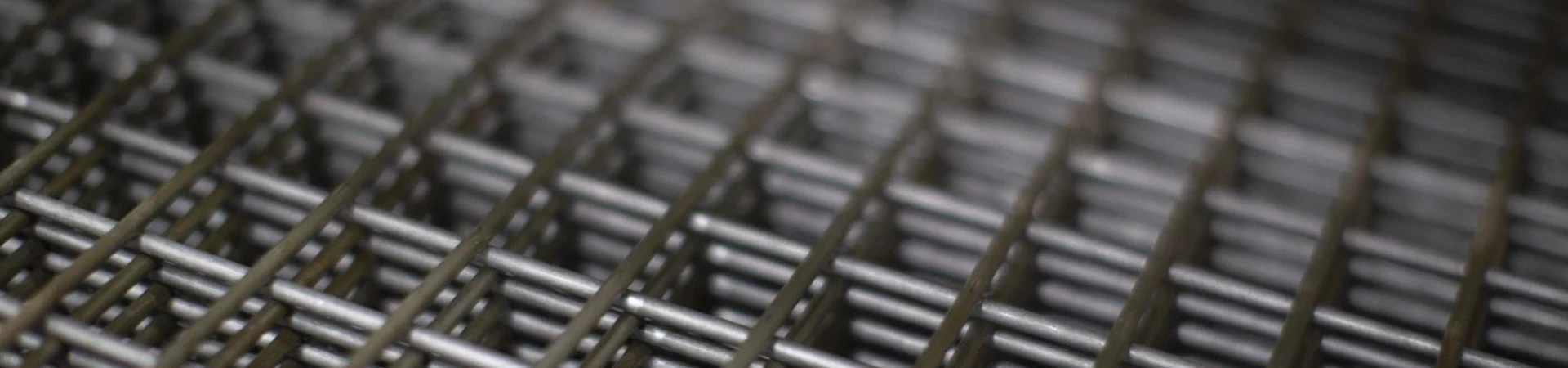

Security KN Tank Wire Mesh Barrier: Durable Protection for Critical Infrastructure
Nov . 27, 2025 12:35
What Is a Security KN Tank Wire Mesh Barrier and Why Does It Matter?
So, you’re curious about the security kn tank wire mesh barrier? Understandably so. On the surface, it might just sound like a bunch of interwoven steel wires forming a cage or fence, but it actually plays a far more pivotal role globally than many realize. As urban areas grow, industrial sites multiply, and humanitarian crises demand speedy, secure solutions, these kinds of barriers quietly stand guard—protecting facilities, securing water tanks, and preventing unwanted intrusion. The appeal is obvious: they provide a robust, scalable, and cost-efficient security option that keeps infrastructure safe without the intimidating high costs of solid walls or surveillance tech.
Global interest in these barriers emphasizes not just physical security, but also logistical efficiency and sustainability. It’s a simple idea with massive impact, making them indispensable in many sectors worldwide.
The Global Context: Why Security in Tanks Necessitates Better Barriers
Globally, water management, fuel storage, and chemical tank facilities are critical infrastructure. According to the United Nations Water Report, more than 2 billion people live in water-stressed countries, which means securing water tanks from contamination or sabotage isn’t just good practice—it’s a matter of survival. Plus, the ISO risk management standards have steadily pushed industries worldwide to upgrade their physical security protocols.
But here’s the rub: traditional concrete or solid metal barriers are expensive and inflexible. This is where the security kn tank wire mesh barrier comes in. Noted for rapid deployment and excellent visibility for monitoring, these barriers offer a nimble solution to the ever-evolving challenge of securing vital assets.
Defining Security KN Tank Wire Mesh Barrier
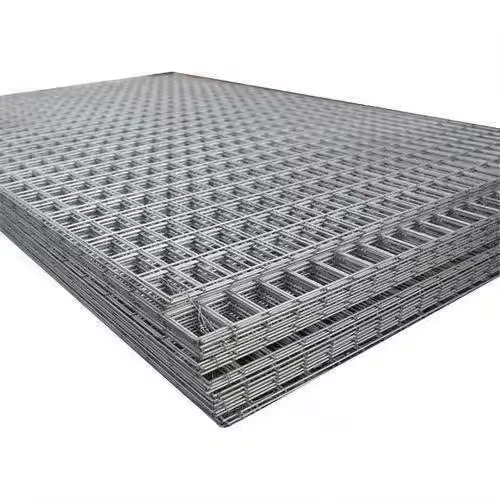
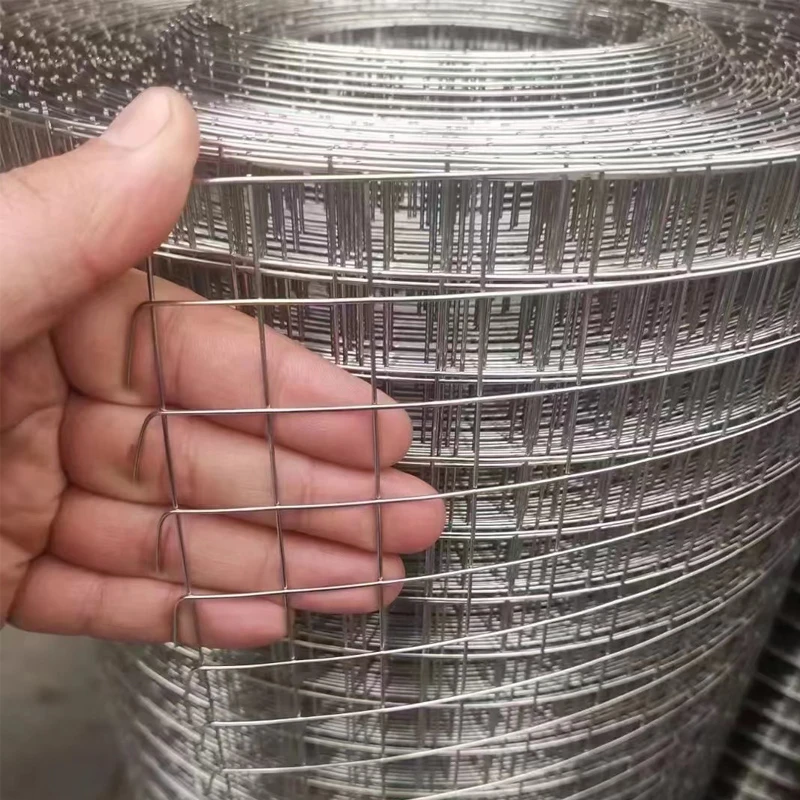
Let's break it down. The security kn tank wire mesh barrier is essentially a high-strength wire-mesh enclosure designed to surround or fence off tanks—usually for water, fuel, or chemicals. “KN” typically refers to a specific knot or tensile strength in the wire mesh construction, indicating its robustness.
In more practical terms: it’s a modular fence made of interlinked wires forming a mesh pattern that can be quickly erected around tanks to prevent unauthorized access, damage, vandalism, or contamination. Modern versions also prioritize corrosion resistance and weather durability to deal with harsh outdoor environments.
This barrier is not just an industrial afterthought—it’s a vital part of modern facility management, blending seamlessly with security hardware and integrating into smart monitoring systems.
Core Components of a Security KN Tank Wire Mesh Barrier
1. Durability and Material Strength
The meshes are often galvanized steel or stainless steel to resist corrosion and rust — crucial for outdoor environments exposed to rain, sun, and chemicals. Often, they come with powder coating for additional protection. The “KN” labeling often denotes the specific knotting method enhancing tensile strength; in rough terms, you’re getting a fence that doesn’t just hold up, but fights back.
2. Modularity and Scalability
One of the best features is how modular these barriers are. You can scale them up or down depending on the tank size or layout constraints. I’ve seen setups where sections are quickly moved, removed, or enhanced without much hassle.
3. Cost Efficiency
Compared to poured concrete or solid steel barriers, security wire mesh barriers are a much leaner solution. They reduce installation time—which also cuts labor costs—and since the components are reusable, the long-term ownership cost feels friendlier on the budget.
4. Visibility and Safety Monitoring
You can see through the mesh—which is an underappreciated feature for surveillance. Cameras and guards have clear sightlines at all times, unlike opaque walls that can harbor blind spots. This openness contributes to quicker threat detection.
5. Resistance to Environmental and Physical Wear
The mesh is designed to handle impacts, wind pressures, and temperature swings without bending out of shape or cracking. Plus, advanced coatings help it resist UV rays and chemical exposure.
6. Integration with Security Technologies
Often, wire mesh barriers come equipped with options to attach sensors, alarms, and even electric fences—taking physical barriers to a new, integrated level of security.
Mini Takeaway:
- Durability means it can last harsh conditions.
- Modularity gives operational flexibility.
- Cost savings come with fast installation and reusable parts.
- Visibility helps risk monitoring.
- Environmental resistance keeps barriers reliable.
- Tech integration future-proofs security.
Real-World Applications Around the Globe
It’s one thing to talk theory, another to see where these barriers make a difference. For example:
- Post-disaster relief operations: When tanks are set up in temporary camps, a quickly deployable wire mesh barrier offers protection without delaying aid delivery.
- Remote industrial sites: Mining operations in Australia or oil fields in the Middle East rely on these fences to secure valuable fuel tanks against theft or sabotage.
- Urban water management: Cities in Europe and Asia use wire mesh fencing around reservoirs and treatment tanks, balancing tight security with minimal visual disruption.
- Military bases: Often cite these barriers for their durability and ability to blend into perimeter defenses.
Interestingly, in parts of Africa where water scarcity is a pressing issue, NGOs combine these barriers with solar-powered monitoring—effectively safeguarding precious resources.
Product Specifications: General Security KN Tank Wire Mesh Barrier
| Specification | Details |
|---|---|
| Material | Galvanized steel wire / Stainless steel wire |
| Mesh Size | 25mm x 25mm to 50mm x 50mm |
| Wire Diameter | 3.0mm to 5.0mm |
| Height Options | 1.2m, 1.8m, 2.4m, customized |
| Coating | Powder coated or PVC coated |
| Installation | Modular panels, posts, and clamps; quick assembly |
| Life Expectancy | 15+ years under normal conditions |
Vendor Comparison: Leading Security KN Tank Wire Mesh Barrier Providers
| Feature / Vendor | Jinjiu Wire Mesh | Global Fence Corp | Secure Mesh Solutions |
|---|---|---|---|
| Customization Options | High – custom sizes, coatings | Medium - standard sizes | High – mesh and color options |
| Lead Time | 2 to 4 weeks | 4 to 6 weeks | 3 to 5 weeks |
| Price Level | Competitive | Higher | Mid-range |
| Warranty | 10 years | 5 years | 8 years |
| Global Shipping | Yes, efficient logistics | Selective regions | Yes, limited locations |
The Advantages and Long-Term Value of These Barriers
Honestly, the barriers feel like a win-win in multiple ways. First off, the costs are manageable—not just the upfront price, but the long lifespan means fewer replacements or repairs. Longevity matters especially for municipal authorities or industrial firms with tight budgets.
There’s also the environmental angle. With many manufacturers now moving toward powder coating using eco-friendly processes and recycled steel materials, the mesh barriers are helping to reduce the carbon footprint compared with traditional construction materials. Additionally, the reusability of the modular panels means less waste.
On a social level, these fences provide a sense of safety and dignity, especially when used in emergency or sensitive facilities. It’s reassuring to know that water or fuel supplies are shielded against tampering.
Looking Ahead: Future Trends and Innovations
We can’t ignore the tide of technological progress washing over everything these days. Expectations are shifting toward barriers with embedded IoT sensors for real-time breach alerts or automated opening systems controlled remotely. There's even talk about integrating solar-powered LED lighting onto these fences to improve nighttime visibility without hurting sustainability goals.
Materials research is also active – new alloys and nano-coatings aim to further increase lifespan and resistance to extreme weather. Automation in assembly processes is reducing lead times even more, and environmentally conscious coatings are becoming the norm.
Challenges and Clever Solutions
It’s not all perfect, though. For instance, in highly corrosive environments (think chemical plants near salty coastlines), even galvanized steel can struggle over decades without continued maintenance. However, manufacturers have started using stainless steel variants or ultra-high molecular weight coatings to solve this.
Another limitation is theft or vandalism of modular parts. To counter this, locking mechanisms and sensor alarms are becoming standard-issue with these barriers.
Frequently Asked Questions About Security KN Tank Wire Mesh Barrier
- Q1: How quickly can a security kn tank wire mesh barrier be installed?
- A: Depending on site size, modular mesh barriers can be installed within a few days compared to weeks for concrete walls. The lightweight panels and few tools required speed up deployment, making it ideal for urgent security needs.
- Q2: Are these barriers suitable for all weather conditions?
- A: Yes, when using galvanized or stainless steel mesh with protective coatings, they withstand rain, snow, wind, and UV exposure. Some manufacturers also customize coatings for harsh chemical environments.
- Q3: Can security kn tank wire mesh barriers be customized for larger or oddly shaped tanks?
- A: Absolutely. Their modular nature makes it easy to alter panel sizes, join non-standard shapes, and add gates or accessories to fit unusual site layouts.
- Q4: How do these barriers integrate with electronic security systems?
- A: Many barriers are designed to support attaching motion sensors, cameras, or alarms directly onto the frame, facilitating a layered security approach.
- Q5: What maintenance do these barriers require?
- A: Generally, periodic inspections for rust or damage are sufficient. High-quality coatings significantly reduce maintenance frequency.
Wrapping It Up: Why Choose Security KN Tank Wire Mesh Barriers?
When considering protective measures around key tanks—whether for water, fuel, or chemicals—the security kn tank wire mesh barrier presents an elegant solution. Combining durability, cost savings, and adaptability, it meets today’s security challenges head-on. And with advancing materials and tech integrations, these barriers are set to get even better.
Curious to explore your options or need a customized setup? Visit security kn tank wire mesh barrier to get a detailed quote and expert advice geared to your needs.
References

Related Products

Related News


2026-03-16 14:21:07
Discover durable farming solutions and flexible animal containment with hinge-knot field fence. Combining impact-resistant design and customizable options, Hebei Jinjiu ensures quality for agricultural applications. Explore now: https://www.jinjiuwiremesh.com/field-fencefarm-fence.html
2026-03-16 14:21:07
Discover durable farming solutions and flexible animal containment with hinge-knot field fence. Combining impact-resistant design and customizable options, Hebei Jinjiu ensures quality for agricultural applications. Explore now: https://www.jinjiuwiremesh.com/field-fencefarm-fence.html
2027-04-14 00:00:00
Discover durable farming solutions and flexible animal containment with hinge-knot field fence. Combining impact-resistant design and customizable options, Hebei Jinjiu ensures quality for agricultural applications. Explore now: https://www.jinjiuwiremesh.com/field-fencefarm-fence.html
2026-02-25 15:31:06
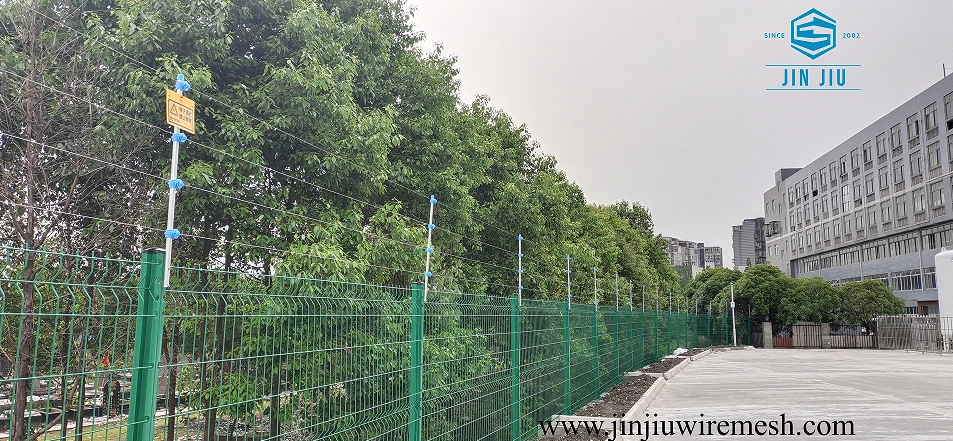
The Strategic Role of the Industrial Electric Fence in Modern Commerce
The protection of corporate and manufacturing assets has transitioned from a matter of simple boundary marking to a complex necessity of risk management.
2026-02-25 15:29:03
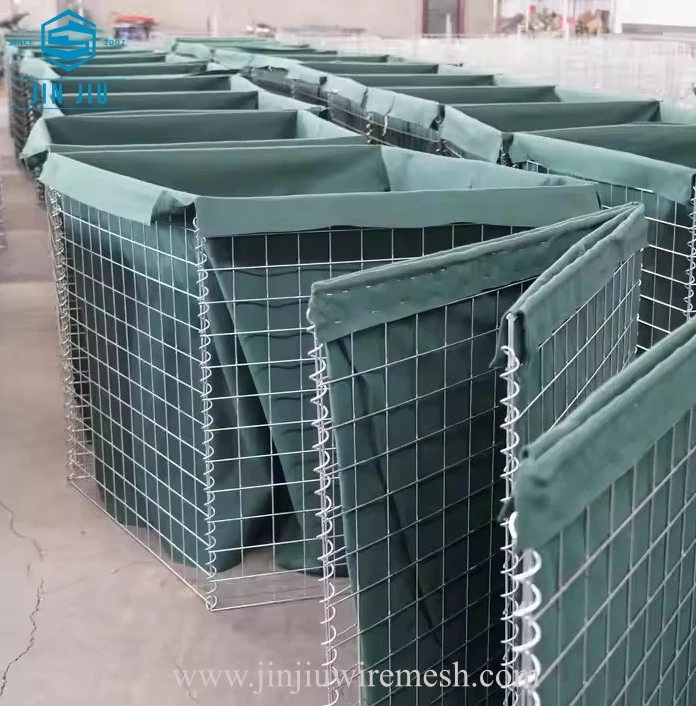
The Evolution of Physical Protection: Bullet Resistant Defensive Barriers in Modern Security
In an increasingly unpredictable global landscape, the requirement for high-level ballistic protection has moved beyond the battlefield and into the core of civilian and industrial security infrastructure.
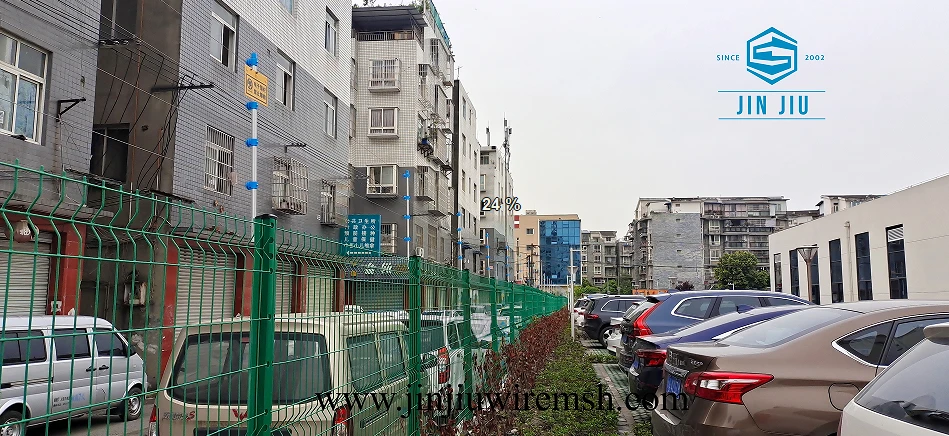
2026-02-25 15:26:58
The Digital Backbone of Modern Security: Connected Pulse Monitoring Electric Fence Architecture
The traditional concept of a perimeter has undergone a fundamental transformation.
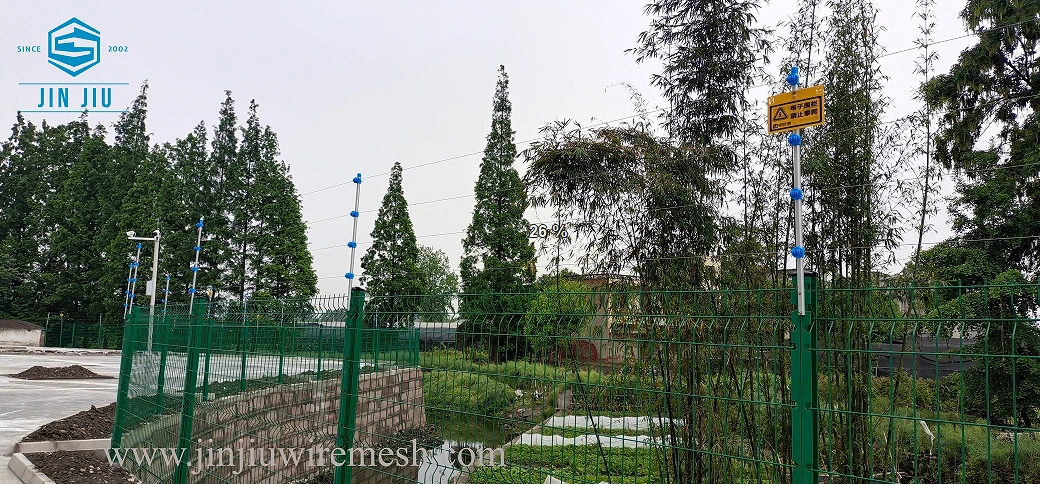
2026-02-25 15:24:13
Securing the Unreachable with a Powerful Pulse Electric Fence
In the realm of global security, the distinction between a standard boundary and a high-security perimeter is often defined by the technology pulsing through the wires.
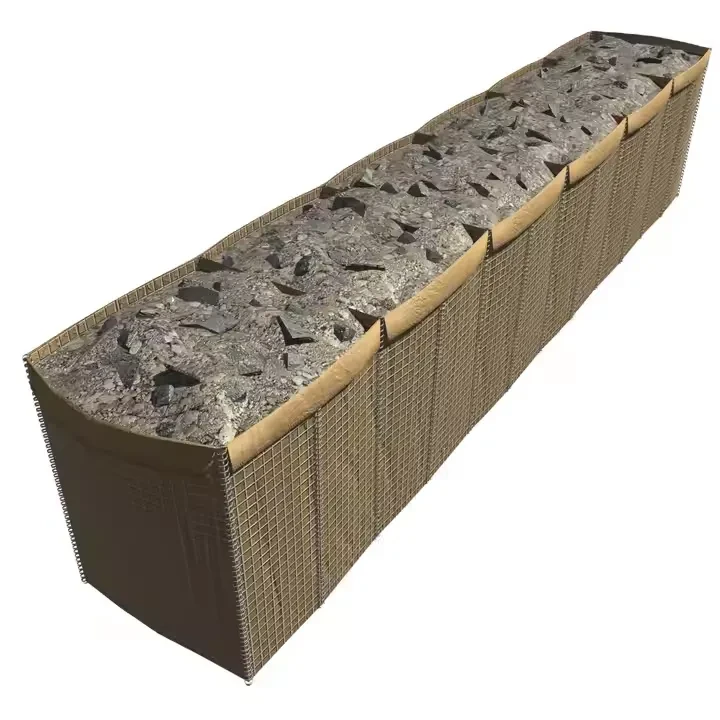
2027-04-14 00:00:00
Engineering Resilience with Explosion Proof Defensive Barriers
In an era where industrial safety and national security are increasingly intertwined, the necessity for specialized protection in volatile environments has never been higher.


 English
  Albanian
  Arabic
  Bengali
  Czech
Czech  Danish
  Dutch
Dutch  Finnish
  French
  German
  Japanese
  Malay
Malay  Persian
  Polish
  Portuguese
  Romanian
  Russian
  Serbian
  Spanish
  Swahili