





Hebei Jinjiu Metal Products Co.,Ltd


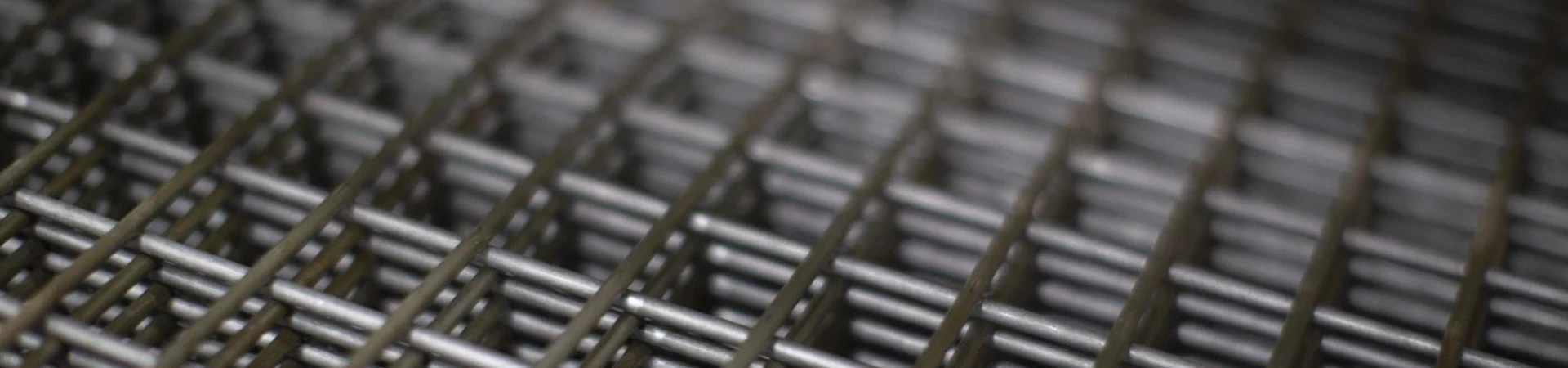

Security KN Tank Wire Mesh Barrier for Robust Industrial Safety | Jinjiu
Nov . 29, 2025 03:50
What Is a Security KN Tank Wire Mesh Barrier and Why Should We Care?
If you haven’t yet heard of the security kn tank wire mesh barrier, you’re not alone—but it’s quietly playing a huge role in safety and infrastructure around the world. In essence, it’s a specialized protective barrier system made from wire mesh, engineered specifically to reinforce tanks storing critical liquids, chemicals, or fuels. Globally, such barriers have become indispensable for preventing catastrophic leaks, vandalism, or accidental damage, especially in industries where containment safety is vital—think oil refineries, water treatment plants, and chemical factories.
As the world industrializes and faces environmental challenges, understanding and adopting reliable containment methods like these barriers is more than just a technical detail—it’s a crucial piece in protecting ecosystems, communities, and livelihoods. Intriguingly, the barriers don’t just work to contain physical threats; they also fulfill regulatory standards set by international agencies like ISO and environmental safety authorities.
Why Is the Security KN Tank Wire Mesh Barrier Globally Relevant?
This isn’t just another piece of industrial hardware. According to the United Nations Environment Programme, accidental industrial spills cause around 15% of global freshwater pollution incidents annually. Given that tanks—whether for fuel or chemicals—are vulnerable points, the need for robust security barriers is glaringly obvious. Enter the security kn tank wire mesh barrier, designed to tackle those risks head-on.
In fact, the global industrial safety market is expected to exceed $17 billion by 2027—not just due to fancy gadgets, but because durable solutions like these mesh barriers prevent accidents that cost lives and billions in cleanups. From Asia’s booming petrochemical hubs to Europe’s rigorous water utilities, these barriers ensure critical infrastructure remains secure, aligning with both safety laws and growing public demands for environmental responsibility.
The core problem? Tanks are susceptible to both mechanical damage and unauthorized access, and traditional hard barriers are expensive, bulky, or slow to install. Security kn tank wire mesh barriers offer both a smart and scalable alternative.
What Exactly Is a Security KN Tank Wire Mesh Barrier?
Simply put, it’s a protective enclosure crafted from high-tensile steel wire mesh designed to surround or reinforce storage tanks that hold combustible, hazardous, or sensitive liquids. The term “KN” typically refers to the kilo-newton resistance strength of the mesh, meaning it’s engineered to withstand large forces—very important when guarding against heavy impacts, wind loads, or even potential explosions.
Beyond the sheer physical strength, the barrier’s lattice structure offers excellent visibility for inspections, yet it’s tough enough to deter unauthorized entry or accidental damage. They’re modular, often galvanized or coated to resist corrosion, which means they last years in harsh environments while providing a tangible peace of mind.
Key Features at a Glance
- High mechanical strength: Rated in KN (kilo-newtons), tailored for specific force requirements.
- Corrosion resistance: Galvanized or PVC-coated wire.
- Modular design: Quick assembly and scalability.
- Visibility: Mesh structure allows for easy inspection.
Core Factors Every Engineer Should Consider
Durability Under Harsh Conditions
It’s one thing to build a barrier. It’s another to make sure it endures years of sun, rain, and occasional abuse. The security kn tank wire mesh must be rated for corrosion—especially in coastal or chemically aggressive environments. Most manufacturers use hot-dip galvanization or polymer coatings to meet these challenges.
Scalability and Flexibility
Because tanks come in all shapes and sizes, the barriers need to be modular and flexible. This lets engineers customize layouts on-site rather than relying on fixed panels that might not fit perfectly. This approach saves time and money, especially during emergency set-ups.
Cost-Effectiveness
While it’s tempting to skimp on safety, many professionals agree that the upfront cost of these mesh barriers is offset by their durability and reduced maintenance. Often, the ability to reuse or relocate parts means longer lifecycle value.
Compliance and Certification
Compliance with international standards like ISO 14122 (Safety of machinery – Permanent means of access) or local environmental regulations is non-negotiable. Most high-quality vendors provide certification that meets or exceeds these benchmarks.
Global Applications and Real-World Use Cases
The security kn tank wire mesh barrier is truly a global player. For instance, in the Middle East’s vast oil fields, operators use these to secure crude storage tanks against sandstorms and mechanical intrusion. In Europe, power plants employ the barriers to safeguard against vandalism and ensure rapid inspection.
In post-disaster scenarios, say after a hurricane or earthquake, temporary yet robust barriers can be deployed rapidly around emergency water tanks or fuel reserves, preventing contamination or theft when local infrastructure is compromised.
Even humanitarian agencies depend on such barriers to protect critical water storage units in refugee camps, combining safety with dignity by preventing tank damage and contamination.
Advantages and Long-Term Value
- Cost Savings: Less maintenance, fewer replacements.
- Environmental Protection: Prevents leaks and contamination.
- Security: Deters unauthorized access and tampering.
- Longevity: Designed to last for decades.
- Social Responsibility: Builds trust with communities by ensuring safety.
For everyone involved, from operators to nearby residents, the barrier becomes more than metal and mesh; it’s a shield of trust, security, and care.
Product Specification Table
| Specification | Value/Description |
|---|---|
| Wire Diameter | 4.0 mm (typical) |
| Mesh Aperture Size | 50 x 50 mm |
| Tensile Strength | > 500 MPa |
| Corrosion Protection | Hot-dip galvanized & PVC coated |
| Panel Size | 2 x 3 meters (modular) |
| Installation Time | Approx. 2 hours per panel |
Vendor Comparison Table: Choosing Your Ideal Partner
| Feature | Jinjiu Wire Mesh | Competitor A | Competitor B |
|---|---|---|---|
| Customization Options | Highly flexible, tailored design | Limited sizes | Moderate customization |
| Material Quality | Premium galvanized + PVC | Galvanized only | Basic steel mesh |
| Delivery Time | 4-6 weeks | 6-8 weeks | 8+ weeks |
| Compliance Certifications | ISO, ASTM, CE | ISO | None listed |
| Price Range | $$$ (Premium value) | $$ (Mid-range) | $ (Budget) |
Emerging Trends and Innovations in Security Barrier Technology
Here’s where it gets kind of interesting. The world of security kn tank wire mesh barriers isn’t exactly static. Recent advances include integrating sensors directly into mesh panels—allowing real-time monitoring of physical stresses or even intrusion attempts. This melds with the push toward Industry 4.0 and digital twins, meaning you don’t just wait for inspection—your barrier warns you before something goes wrong.
On the materials front, eco-consciousness encourages vendors to experiment with recycled steel and even biodegradable coatings, pushing these safety solutions toward a greener footprint. Meanwhile, automation promises faster installations, with modular robotic systems placing panels in the field, especially useful in hazardous or remote sites.
Common Challenges and How Industry Experts Are Solving Them
A few hiccups remain, as with any technology. Mesh barriers can be vulnerable to corrosion if coatings aren’t managed properly, and scalability sometimes hits snags in complex tank layouts. In some regions, the perception is that traditional concrete or solid barriers “feel stronger,” making adoption slower.
Experts suggest proactive maintenance plans, combined with local training, to remedy these concerns. Plus, using VR simulations during the design phase helps clients “see” how modular barriers fit their exact needs—boosting confidence and cutting costly errors. It’s a reminder that innovation isn’t just about metal and mesh but about user experience and collaboration.
FAQ: Security KN Tank Wire Mesh Barrier
Q1: How quickly can a security kn tank wire mesh barrier be installed?
Typically, each panel takes about 2 hours to install, so a medium-sized tank barrier can be set up within a few days. The modular design significantly speeds this compared to traditional concrete walls.
Q2: Are these barriers effective against extreme weather conditions?
Yes, especially those with hot-dip galvanizing and polymer coatings. The mesh is designed to withstand wind forces and heavy rain, maintaining structural integrity over years—even in coastal or desert environments.
Q3: Can these mesh barriers be customized for different tank sizes and shapes?
Absolutely. One of the main selling points is their modularity and flexibility, enabling engineers to create custom layouts without extra fabrication delays.
Q4: How do security kn tank wire mesh barriers compare cost-wise to traditional barriers?
While initial costs may be higher than basic wire fencing, these barriers outperform in durability and maintenance, making them more cost-effective in the long run compared with concrete or solid panels.
Q5: Are there international standards or certifications that ensure the quality of these barriers?
Yes, reputable vendors supply products meeting ISO 14122, ASTM standards, and often CE marking, underscoring strict quality control and safety compliance.
Wrapping It Up: Why Security KN Tank Wire Mesh Barriers Are Here to Stay
To sum this all up, the security kn tank wire mesh barrier is more than a clever piece of engineering. It’s a symbol of evolving industrial safety, environmental stewardship, and even community trust. Being cost-effective, modular, and aligned with global standards, these barriers represent smart investment for anyone serious about protecting tanks—and by extension, people and planet.
Ready to explore your options? Visit our website to dive deeper into how these innovative barriers could protect your infrastructure tomorrow.
References and Further Reading

Related Products

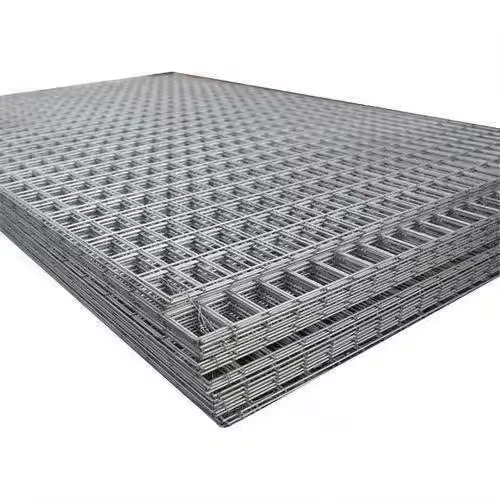
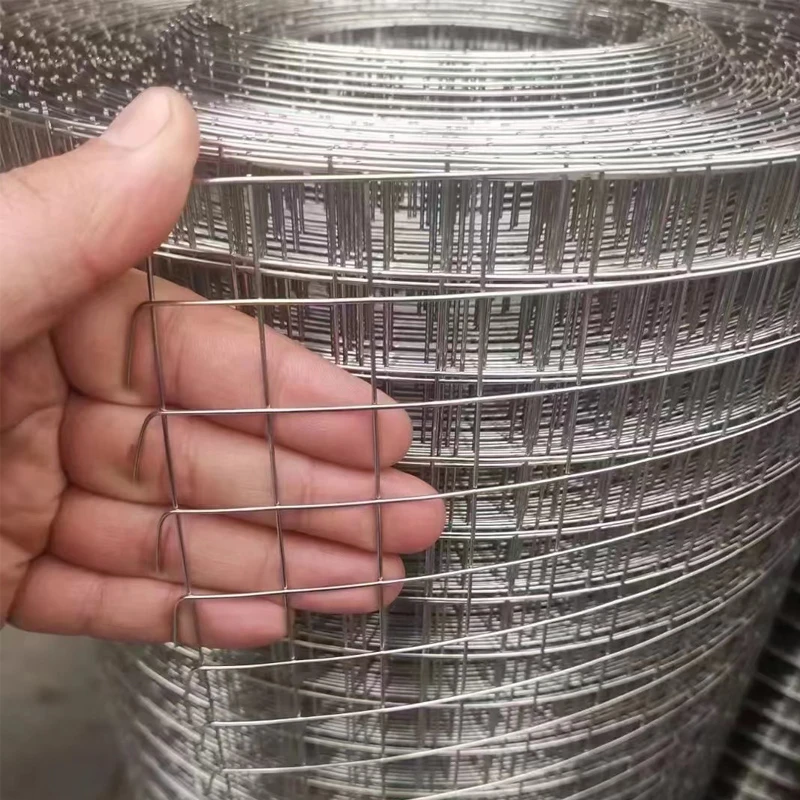
Related News


2026-03-16 14:21:07
Discover durable farming solutions and flexible animal containment with hinge-knot field fence. Combining impact-resistant design and customizable options, Hebei Jinjiu ensures quality for agricultural applications. Explore now: https://www.jinjiuwiremesh.com/field-fencefarm-fence.html
2026-03-16 14:21:07
Discover durable farming solutions and flexible animal containment with hinge-knot field fence. Combining impact-resistant design and customizable options, Hebei Jinjiu ensures quality for agricultural applications. Explore now: https://www.jinjiuwiremesh.com/field-fencefarm-fence.html
2027-04-14 00:00:00
Discover durable farming solutions and flexible animal containment with hinge-knot field fence. Combining impact-resistant design and customizable options, Hebei Jinjiu ensures quality for agricultural applications. Explore now: https://www.jinjiuwiremesh.com/field-fencefarm-fence.html
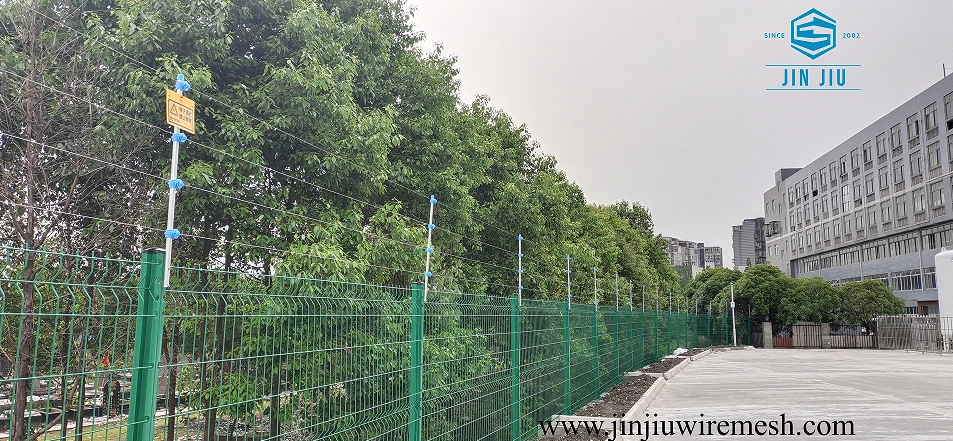
2026-02-25 15:31:06
The Strategic Role of the Industrial Electric Fence in Modern Commerce
The protection of corporate and manufacturing assets has transitioned from a matter of simple boundary marking to a complex necessity of risk management.
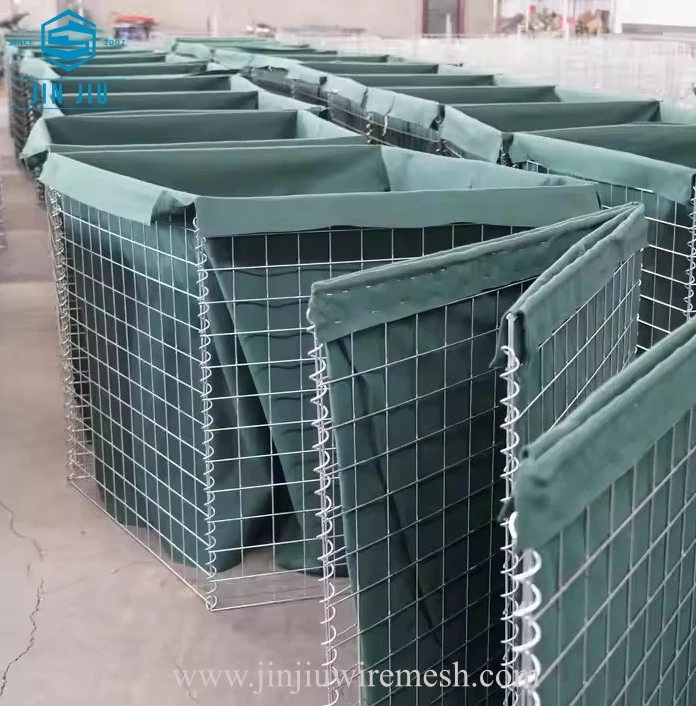
2026-02-25 15:29:03
The Evolution of Physical Protection: Bullet Resistant Defensive Barriers in Modern Security
In an increasingly unpredictable global landscape, the requirement for high-level ballistic protection has moved beyond the battlefield and into the core of civilian and industrial security infrastructure.
2026-02-25 15:26:58
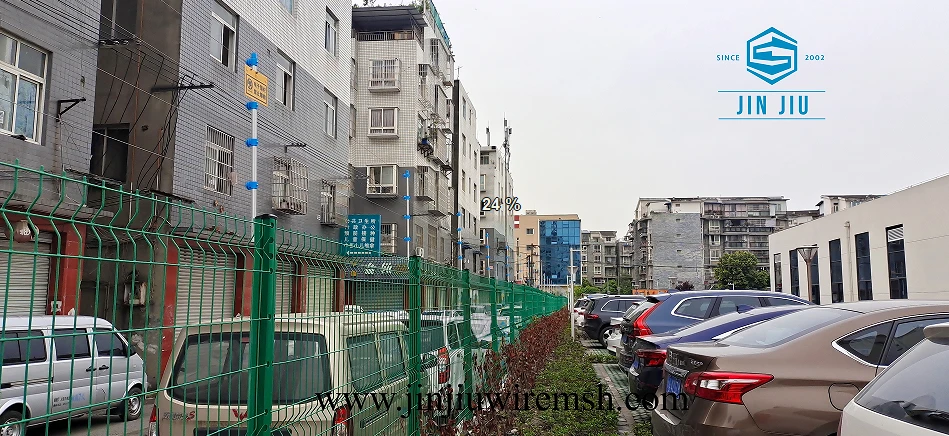
The Digital Backbone of Modern Security: Connected Pulse Monitoring Electric Fence Architecture
The traditional concept of a perimeter has undergone a fundamental transformation.
2026-02-25 15:24:13
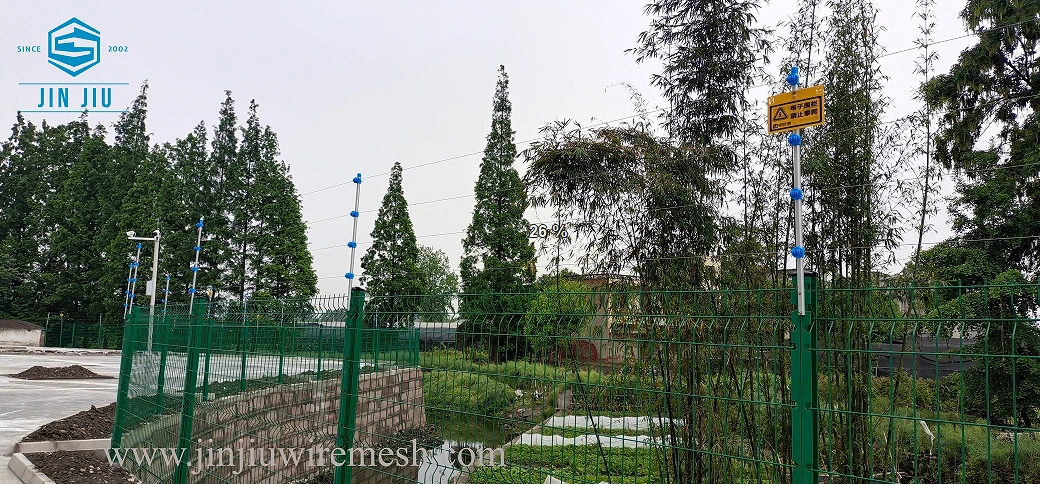
Securing the Unreachable with a Powerful Pulse Electric Fence
In the realm of global security, the distinction between a standard boundary and a high-security perimeter is often defined by the technology pulsing through the wires.
2027-04-14 00:00:00
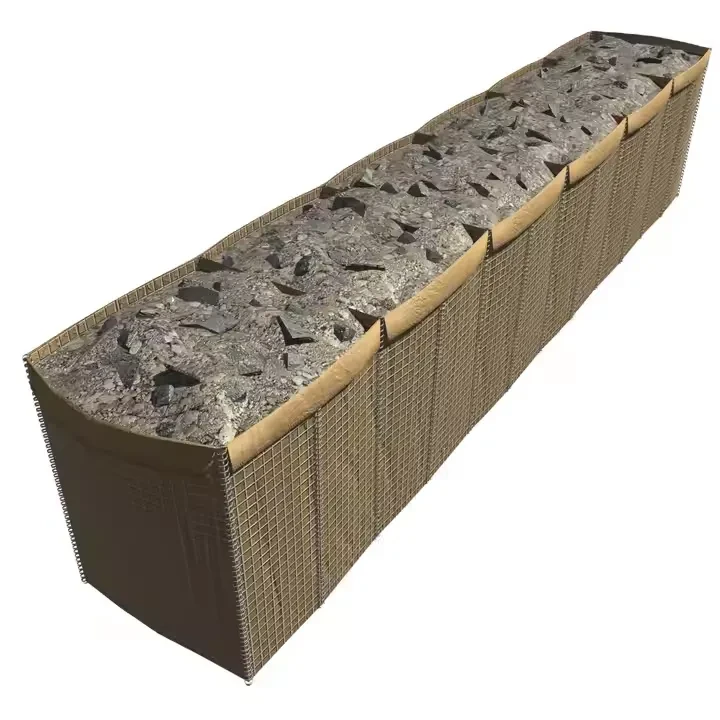
Engineering Resilience with Explosion Proof Defensive Barriers
In an era where industrial safety and national security are increasingly intertwined, the necessity for specialized protection in volatile environments has never been higher.


 English
  Albanian
  Arabic
  Bengali
  Czech
Czech  Danish
  Dutch
Dutch  Finnish
  French
  German
  Japanese
  Malay
Malay  Persian
  Polish
  Portuguese
  Romanian
  Russian
  Serbian
  Spanish
  Swahili