





Hebei Jinjiu Metal Products Co.,Ltd


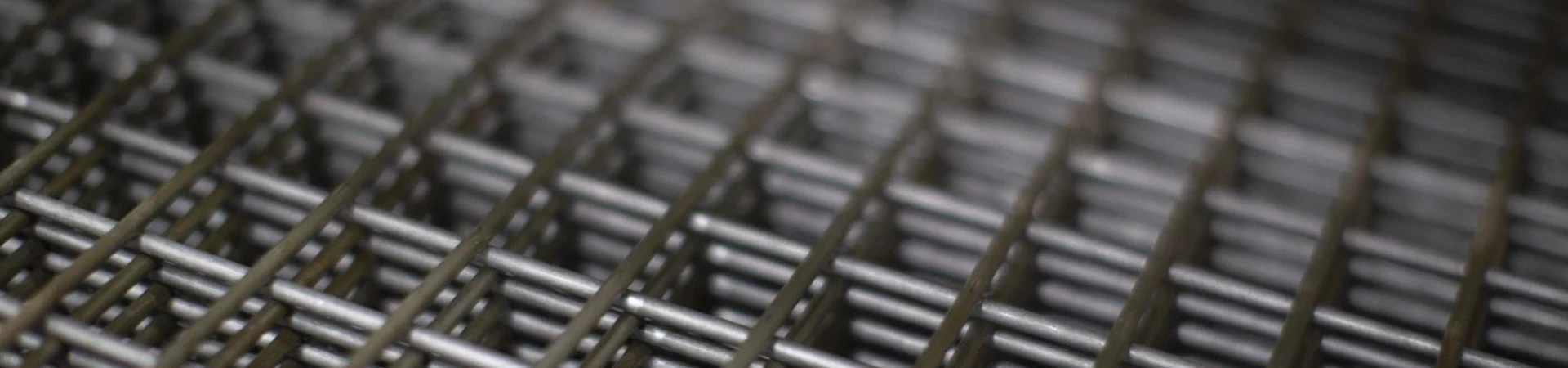

Tank Track Wrapping Obstacle Wire Mesh – Durable & Cost-Effective Security Barriers
Nov . 28, 2025 18:15
Understanding Tank Track Wrapping Obstacle Wire Mesh: A Tactical Asset for Modern Challenges
If you’ve stumbled across the term tank track wrapping obstacle wire mesh, you’re likely curious about what it actually means and why it’s grabbing more attention globally. In essence, this specialized wire mesh acts as a physical barrier or deterrent to impede tracked vehicles like tanks, making it a vital part of military engineering and civil defense. Yet, its relevance stretches into humanitarian and infrastructural spheres too — such as securing critical installations or even helping manage disaster areas.
Why does this matter globally? In an increasingly complex geopolitical environment and amidst growing infrastructural vulnerabilities, these wire mesh systems serve as cost-effective, adaptable security and protective solutions. Understanding them benefits planners, engineers, and defense specialists alike, especially in regions prone to conflict, industrial disruption, or environmental challenges.
Global Context: The Rising Importance of Anti-Track Obstacle Meshes
Globally, defense spending reached about $2.3 trillion in 2023, according to the Stockholm International Peace Research Institute (SIPRI). While heavy investments go to advanced weaponry, relatively humble tools like tank track wrapping obstacle wire mesh often provide decisive tactical advantages at lower costs. The mesh offers a proactive form of deterrence, reducing the likelihood of ground vehicle movements in sensitive zones.
Moreover, organizations such as ISO have begun to emphasize standardized testing for obstacle materials to ensure durability and environmental resistance. With terrain challenges, from the desert sands in the Middle East to dense forests in Eastern Europe, the adaptability of these systems is crucial.
But a core problem remains: How do you balance durability and deployability without driving up costs? This is where tank track wrapping obstacle wire mesh truly shines — practical, versatile, and scalable.
Defining Tank Track Wrapping Obstacle Wire Mesh
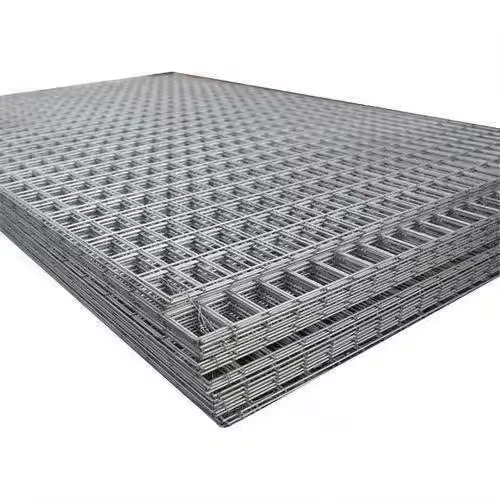
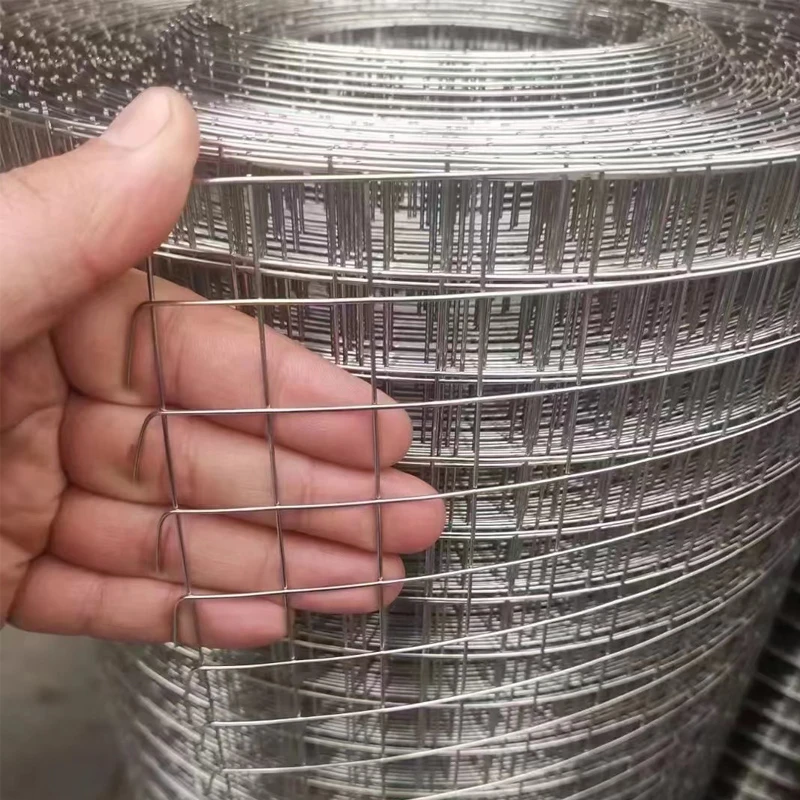
Simply put, this wire mesh is a specially engineered barrier designed to be wrapped or laid across tank tracks and similar vehicles’ treads, restricting movement by entangling them or creating difficult terrain. Made typically of high-tensile steel or galvanized alloys, the mesh resists both mechanical and environmental wear.
Think of it as a physical moat for armored vehicles—only made out of wire instead of water. It’s a part of broader obstacle systems frequently deployed in defensive fortifications but also used in securing industrial zones or border areas where unrestricted vehicle access poses risks.
Mini Takeaway:
The tank track wrapping obstacle wire mesh offers a straightforward, proven approach to control and impede armored vehicle mobility—important beyond just military uses.
Core Components and Key Aspects of Effective Wire Mesh Barriers
Durability Over Years and Harsh Environments
Obviously, these meshes must stand up to weather extremes and mechanical stresses. High-corrosion resistance coatings, like hot-dip galvanizing or PVC, prevent rusting and prolong lifespan. Many engineers I’ve met emphasize testing for up to 15 years of outdoor use.
Scalability & Modular Design
Since barriers need rapid deployment across varied terrain, modular panels or rolls that can be linked to cover large areas are practical. Manufacturers usually offer customizable sizes to fit narrow mountain passes or expansive borders.
Cost Efficiency
Compared with electronic or heavy machinery obstacles, wire mesh solutions are economic while offering reliable deterrence. Logistics simplicity further reduces deployment time and training costs.
Flexibility and Adaptability
This mesh must conform to uneven ground without losing its structural intent. So, premium products include flexible linking mechanisms or adjustable tensioning systems.
Environmental Impact
Given modern sustainability goals, many suppliers strive for recyclable materials and minimal waste during installation or removal.
Summary:
Durable, scalable, affordable, flexible, and environmentally conscious — these factors combine to make tank track wrapping obstacle wire mesh an impressive field-ready solution.
Where Are Tank Track Wrapping Obstacle Wire Meshes Used Globally?
In real terms, their usage isn’t limited to military zones. Here’s a look:
- Conflict Zones: From trenches and defensive lines in Eastern Europe to border fortifications in Central Asia, military forces deploy these meshes to slow or funnel enemy tracked vehicles.
- Critical Infrastructure: Power plants, large-scale industrial zones, and even airports in volatile regions use these as part of multi-layered security systems.
- Disaster Relief and Post-Conflict Cleanup: Sometimes employed temporarily to restrict access to dangerous areas or provide controlled passageways in rough terrain.
- Remote Industrial Installations: Oil fields and mining sites in deserts or tundra use these meshes to prevent unintended vehicle encroachment or damage.
For detailed insights on deployment and product options, see tank track wrapping obstacle wire mesh.
Product Specification at a Glance
| Specification | Details |
|---|---|
| Material | Galvanized High-Tensile Steel / PVC Coated |
| Mesh Size | 50 mm to 150 mm openings |
| Panel Size | 2 m x 2 m standard (custom sizes available) |
| Weight | Approx. 30 kg per panel |
| Corrosion Resistance | 10+ years with galvanizing, 15+ with PVC coating |
| Deployment Time | Under 30 minutes for 100 m by a 4-person team |
Vendor Comparison: Choosing the Right Supplier
| Vendor | Product Range | Customization | Lead Time | Price Level |
|---|---|---|---|---|
| Jinjiu Wire Mesh | Wide, including custom sizes and coatings | High — tailored solutions available | 2-4 weeks | Moderate |
| Global Defense Mesh Co. | Standard panels only | Low | 6-8 weeks | High |
| EcoSecure Solutions | Eco-friendly coated mesh variants | Medium | 4-6 weeks | Moderate to High |
Why Invest in Tank Track Wrapping Obstacle Wire Mesh?
The benefits are pretty compelling. Not only do you get a reliable, trusted physical barrier with low maintenance needs but you also reap benefits such as:
- Cost savings: Less expensive than electronic or kinetic vehicle deterrent systems.
- Longevity & Sustainability: Resistant to the elements, and recyclable materials reduce environmental footprint.
- Safety & Security: Prevent unauthorized access while minimizing risk to personnel (far safer than minefields, say).
- Adaptability: Deployable over wide terrain types, from deserts to urban perimeters.
- Innovation: The mesh design continuously improves through materials science advances.
On the emotional side, it’s about trust — trusting your perimeter, your facility, your team’s safety, and your investment.
Looking Ahead: Future Trends in Obstacle Wire Mesh Technology
As green energy and smart tech dominate industries, obstacle wire mesh technology is quietly evolving. For example:
- Eco-friendly coatings reduce chemical runoff.
- Integration with sensors for digital alert zones enhances security.
- Automation in deployment via drones or robots, slashing setup times drastically.
- Lightweight composite materials yet stronger than steel may soon become mainstream.
It feels inevitable that the tank track wrapping obstacle wire mesh of tomorrow will be smarter, greener, and more user-friendly.
Challenges & How Experts Are Tackling Them
Of course, no solution is without its quirks. Some common issues include:
- Heavy weight: making transport and deployment physically demanding.
- Limited flexibility: hard ground or rocky terrain sometimes complicates installation.
- Cost concerns: though more affordable than many, upfront investment can still be significant for smaller agencies.
Innovative approaches to these challenges involve using modular, lighter materials with built-in tension adjusters and training programs to improve deployment speed. Plus, partnering with vendors like Jinjiu Wire Mesh ensures access to expert guidance tailored to your terrain and budget.
FAQs About Tank Track Wrapping Obstacle Wire Mesh
Q1: How effective is tank track wrapping obstacle wire mesh compared to traditional anti-tank ditches?
A1: While traditional ditches are effective, wire mesh can be faster to deploy and less disruptive to the environment. The mesh physically entangles vehicle tracks, offering a practical alternative especially where digging trenches is unfeasible.
Q2: Can these wire meshes be reused after conflict or deployment?
A2: Yes, high-quality obstacle meshes are designed for multiple deployments. After careful inspection and minor refurbishing, they often find new purposes, supporting sustainability efforts.
Q3: Are there international standards governing these meshes?
A3: ISO is increasingly focusing on mesh strength and corrosion resistance standards, ensuring consistent quality worldwide. It’s wise to choose vendors compliant with these certifications.
Q4: What’s the typical lifespan of tank track wrapping obstacle wire mesh in outdoor environments?
A4: Depending on coating and maintenance, these wire meshes last from 10 to 15 years outdoors before replacement is necessary.
Q5: How quickly can a team deploy a 100-meter section?
A5: Experienced teams can deploy around 100 meters of mesh within 30 minutes, which is critical for time-sensitive scenarios.
Wrapping Up: Why Tank Track Wrapping Obstacle Wire Mesh Still Matters
So, what’s the takeaway here? This wire mesh system may sound niche, but it’s a workhorse in defense, infrastructure protection, and even humanitarian logistics. Its mix of durability, cost-effectiveness, and adaptability keeps it relevant amidst advancing technology trends.
Don’t overlook this fundamental asset next time you think about perimeter security or vehicle movement control. If you’re interested in exploring options or custom solutions, feel free to visit Jinjiu Wire Mesh for more insights.
References & Further Reading

Related Products

Related News


2026-03-16 14:21:07
Discover durable farming solutions and flexible animal containment with hinge-knot field fence. Combining impact-resistant design and customizable options, Hebei Jinjiu ensures quality for agricultural applications. Explore now: https://www.jinjiuwiremesh.com/field-fencefarm-fence.html
2026-03-16 14:21:07
Discover durable farming solutions and flexible animal containment with hinge-knot field fence. Combining impact-resistant design and customizable options, Hebei Jinjiu ensures quality for agricultural applications. Explore now: https://www.jinjiuwiremesh.com/field-fencefarm-fence.html
2027-04-14 00:00:00
Discover durable farming solutions and flexible animal containment with hinge-knot field fence. Combining impact-resistant design and customizable options, Hebei Jinjiu ensures quality for agricultural applications. Explore now: https://www.jinjiuwiremesh.com/field-fencefarm-fence.html
2026-02-25 15:31:06
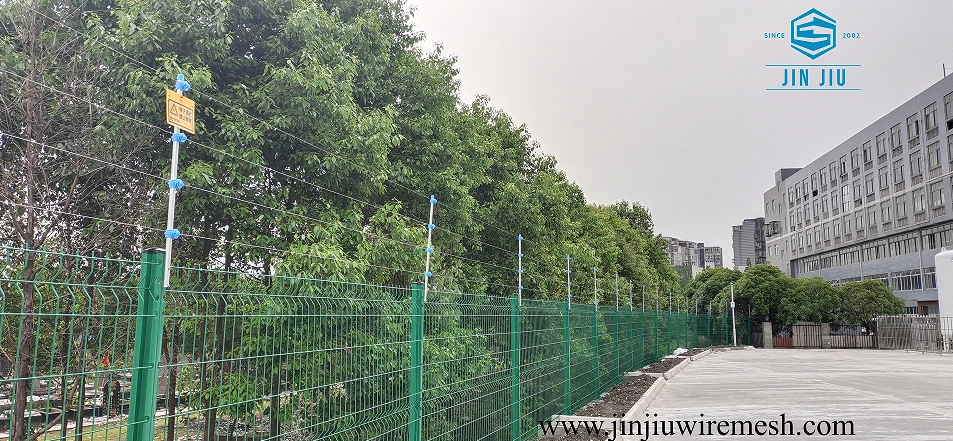
The Strategic Role of the Industrial Electric Fence in Modern Commerce
The protection of corporate and manufacturing assets has transitioned from a matter of simple boundary marking to a complex necessity of risk management.
2026-02-25 15:29:03
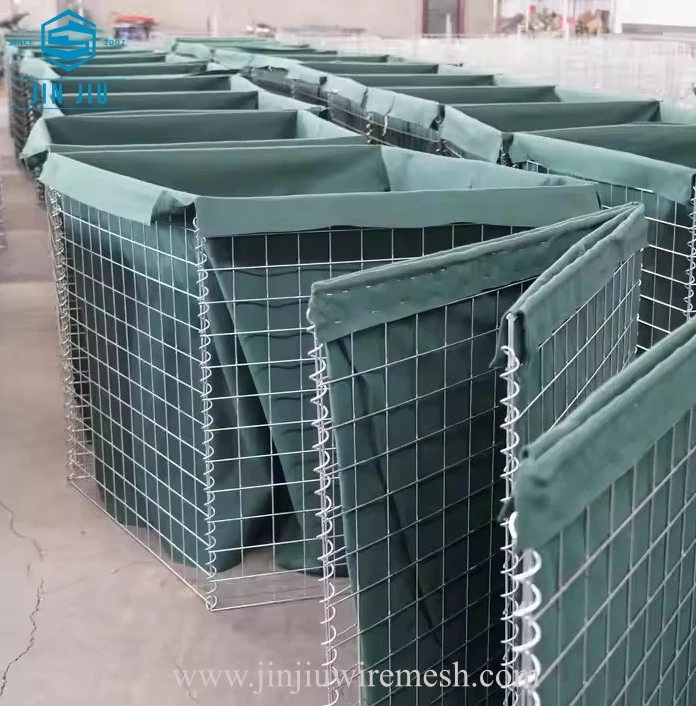
The Evolution of Physical Protection: Bullet Resistant Defensive Barriers in Modern Security
In an increasingly unpredictable global landscape, the requirement for high-level ballistic protection has moved beyond the battlefield and into the core of civilian and industrial security infrastructure.
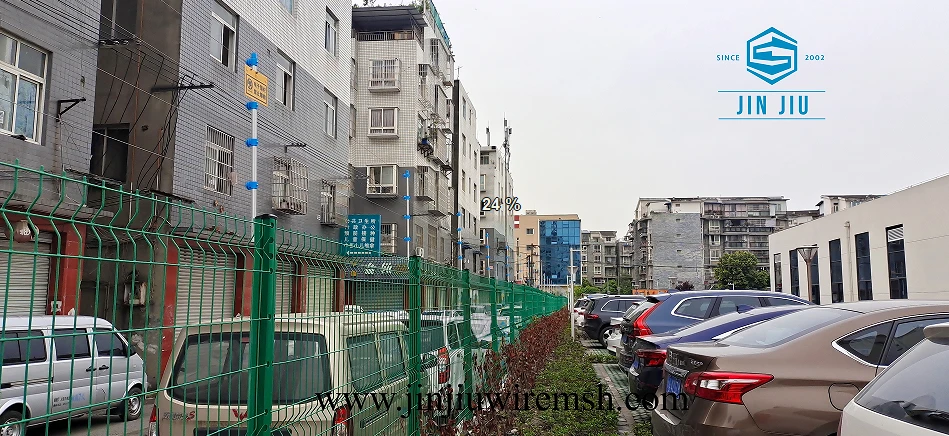
2026-02-25 15:26:58
The Digital Backbone of Modern Security: Connected Pulse Monitoring Electric Fence Architecture
The traditional concept of a perimeter has undergone a fundamental transformation.
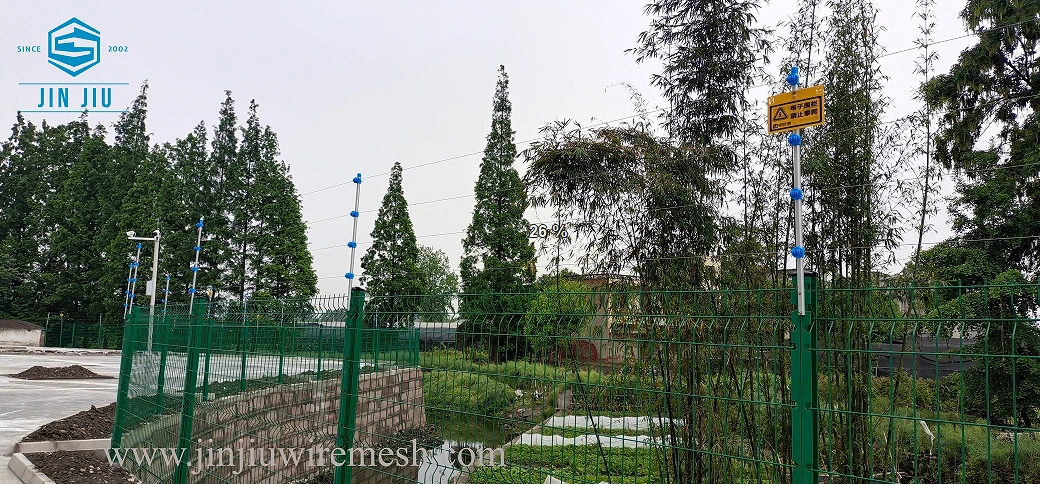
2026-02-25 15:24:13
Securing the Unreachable with a Powerful Pulse Electric Fence
In the realm of global security, the distinction between a standard boundary and a high-security perimeter is often defined by the technology pulsing through the wires.
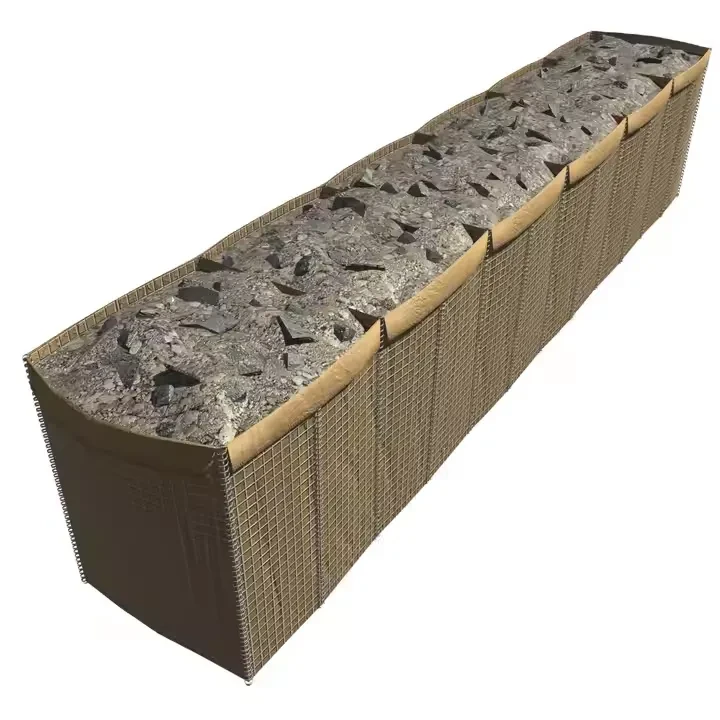
2027-04-14 00:00:00
Engineering Resilience with Explosion Proof Defensive Barriers
In an era where industrial safety and national security are increasingly intertwined, the necessity for specialized protection in volatile environments has never been higher.


 English
  Albanian
  Arabic
  Bengali
  Czech
Czech  Danish
  Dutch
Dutch  Finnish
  French
  German
  Japanese
  Malay
Malay  Persian
  Polish
  Portuguese
  Romanian
  Russian
  Serbian
  Spanish
  Swahili