





Hebei Jinjiu Metal Products Co.,Ltd



The Essential Guide to Anti Tank Barrier Metal Mesh: Global Uses and Innovations
Dec . 07, 2025 16:01
Understanding Anti Tank Barrier Metal Mesh and Its Critical Role in Global Security
If you’ve ever wondered how modern defenses keep certain zones safe from heavy military threats, the anti tank barrier metal mesh is one unsung hero. At its heart, it’s a specialized metal mesh used to halt, slow down, or channelize the movement of tanks and armored vehicles, playing a silent yet pivotal role in battlefield logistics and infrastructure protection worldwide.
Why does this matter globally? Well, with rising geopolitical tensions and the evolving nature of ground warfare, countries and organizations alike are investing heavily in defensive technologies. The anti tank barrier metal mesh stands at the intersection of military engineering, infrastructure resilience, and even humanitarian considerations—its use ensuring safer zones during conflicts and protecting critical facilities. Understanding its benefits and design can empower engineers, planners, and policymakers alike.
Global and Industry Context
Military defense spending reached nearly $2 trillion worldwide in 2022, according to SIPRI (Stockholm International Peace Research Institute). Within this vast expenditure, physical ground defenses like anti tank barriers continue to be essential—even in an era of drones and cyber warfare, hard infrastructure holds an enduring place.
Moreover, as conflicts increasingly occur near urban and industrial zones, protecting civilians and assets while avoiding collateral damage becomes more pressing.
But here’s the challenge: traditional anti tank barriers are bulky and often slow to deploy. The introduction of specifically engineered metal mesh solutions aims to address these deployment and durability concerns, optimizing strength without excessive weight or logistical overhead.
What Exactly Is Anti Tank Barrier Metal Mesh?
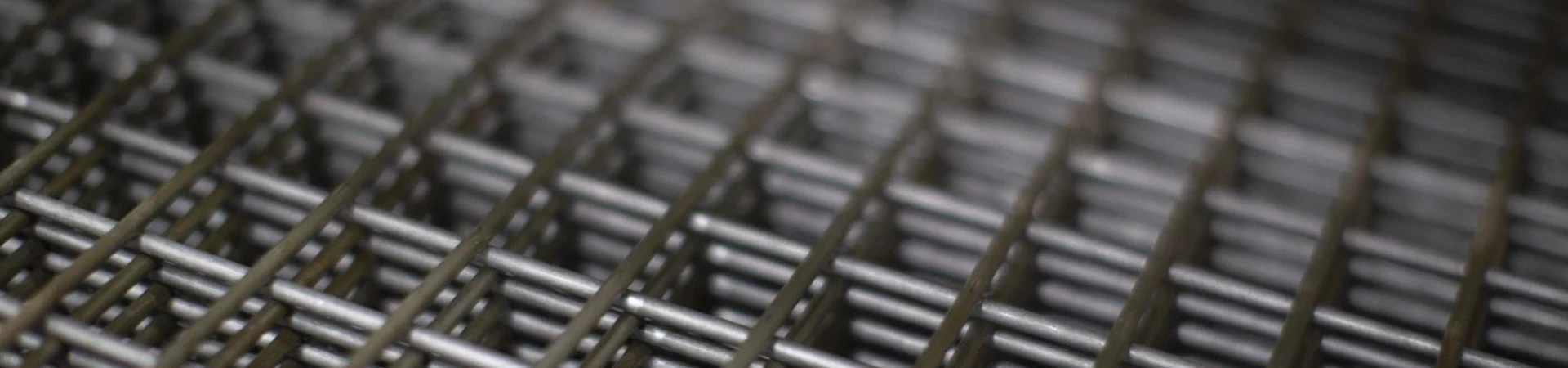
In simple terms, anti tank barrier metal mesh is a steel or alloy mesh system designed to serve as a physical deterrent against the passage of armored vehicles. Unlike solid barriers, this mesh offers a blend of rigidity and flexibility, allowing it to absorb impact without catastrophic failure.
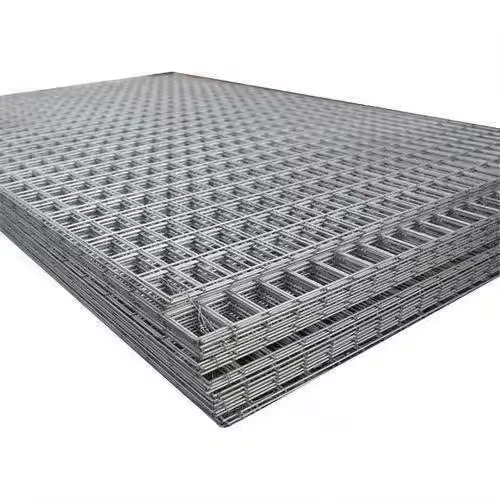
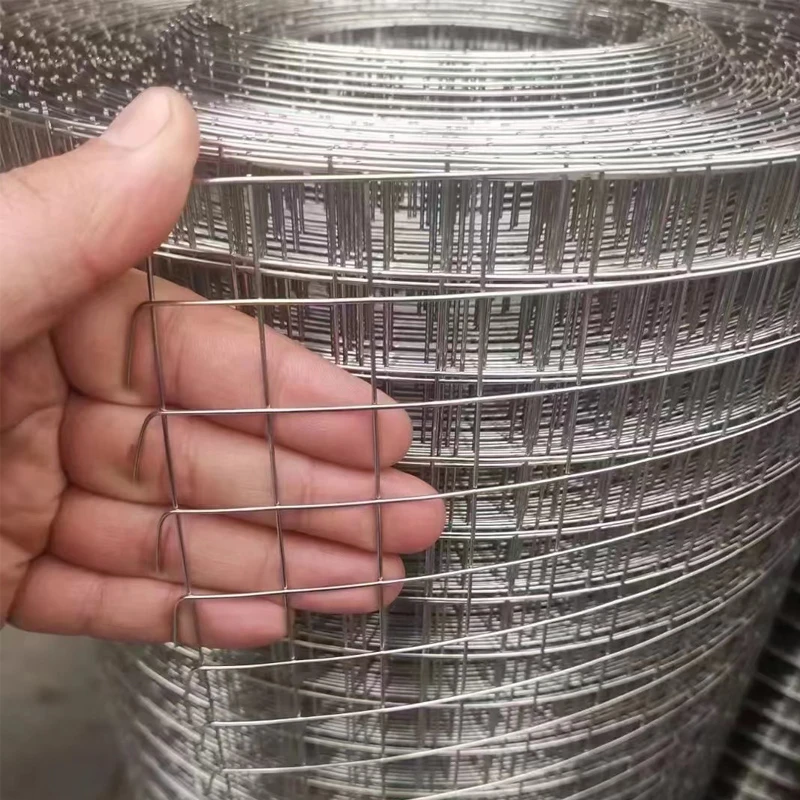
Its design comprises interlinked metal wires or bars, often galvanized or coated against weather corrosion, forming panels or rolls that can be anchored on a terrain. This mesh’s connection to modern industry isn’t just military—sectors like critical infrastructure protection, border security, and even disaster-response scenarios utilize these meshes to quickly set up defensible perimeters.
Core Components of an Anti Tank Barrier Metal Mesh
1. Durability
These meshes must resist extreme forces and environmental factors. High tensile strength steel, often conforming to ISO 10684 or similar standards for hot-dip galvanization, ensures longevity and resilience.
2. Scalability and Modularity
The mesh is usually designed in panels or modular rolls to adapt to different terrains and operational sizes—a feature increasingly valued for rapid deployment in conflict zones or emergency setups.
3. Cost Efficiency
Compared to concrete or solid earthworks, metal mesh barriers reduce material and transport costs. The ability to reuse or recycle these meshes is a bonus amid tight budgets and environmental scrutiny.
4. Ease of Installation
Innovations in fastening systems and anchoring mean these barriers can be set up with minimal specialized equipment, sometimes even by non-military personnel in humanitarian missions.
5. Environmental Resistance
Corrosion resistance and UV stability extend the service life when exposed to elements—key if the mesh needs to be installed for months or years at a time.
| Specification | Typical Value | Unit |
|---|---|---|
| Material | High tensile steel (galvanized) | - |
| Mesh size | 50 x 50 mm to 100 x 100 mm | millimeters |
| Wire diameter | 4–8 | mm |
| Panel size (standard) | 2 m x 3 m | meters |
| Coating | Hot-dip galvanized / PVC coated | - |
Global Applications of Anti Tank Barrier Metal Mesh
These barriers find use not just in direct military defense lines but also in:
- Critical infrastructure protection, such as at military bases, government buildings, and energy plants.
- Border security in areas prone to unauthorized armored vehicle crossings.
- Peacekeeping missions where quick deployment to block tank movement is needed.
- Disaster response zones, where controlling vehicle access can prevent secondary infrastructure damage or looting.
For example, NATO forces have integrated variants of these mesh barriers in Afghanistan for securing forward operating bases. Similarly, some Eastern European countries strengthen urban outskirts with these scalable systems amid rising tensions. Oddly enough, certain remote industrial mining sites in Africa employ them to protect equipment from wildlife and heavy vehicle accidents alike.
Vendor Comparison Snapshot:
| Vendor | Material Quality | Customization | Lead Time | Typical Use Case |
|---|---|---|---|---|
| GlobalMesh Inc. | High-grade galvanized steel | Panels, coatings, sizes | 4-6 weeks | Military and urban defense |
| ArmorNet Solutions | Wear-resistant alloy steel | Custom meshes, rapid prototyping | 3-5 weeks | Rapid-deployment peacekeeping |
| SteelGuard Corp. | Standard galvanized steel | Limited options | 6-8 weeks | Static installations for borders |
Advantages and Long-Term Value
The benefits of anti tank barrier metal mesh resonate across cost, sustainability, and social impact. They:
- Offer reusable materials that are lighter than concrete, reducing logistics footprints.
- Provide quick setup options that enhance operational agility.
- Encourage safer environments for both military personnel and civilians, maintaining dignity in conflict zones.
- Support innovation by allowing custom configurations and integration with sensors or remote monitoring.
There’s something reassuring about knowing these barriers can be swiftly deployed when minutes count, yet remain sturdy over months of exposure. Engineers I spoke with emphasize their reliability under duress—a rarely trivial factor.
Future Trends and Innovations
Looking ahead, experts expect breakthroughs in materials science to push these meshes further—think ultra-lightweight composites and coatings that self-heal or resist biofouling. Digital transformation may embed sensors into the mesh for real-time integrity monitoring.
Interestingly, sustainability initiatives could drive use of recycled metals and energy-efficient production processes, aligning with global green standards like ISO 14001.
Challenges and Practical Solutions
No solution is perfect. A few drawbacks remain:
- Susceptibility to cutting or melting by adversaries using advanced equipment.
- Installation in uneven, rocky terrains can pose logistical headaches.
- Long-term corrosion concerns if coatings degrade prematurely.
However, hybrid solutions combining mesh with sensors, integrated alarms, or quick-mesh repair kits are emerging. Training local teams for fast maintenance and adapting mesh designs to specific environmental conditions also help mitigate risks.
FAQ: Your Questions on Anti Tank Barrier Metal Mesh Answered
Q1: How quickly can anti tank metal mesh barriers be deployed on site?
A: Deployment speed varies but modular panels can often be set up within hours by trained crews using basic equipment. This compares favorably to concrete barriers, which need days to cure and establish.
Q2: Are these metal meshes reusable after a conflict?
A: Yes, the galvanized or coated meshes are designed for reuse provided they haven’t suffered critical damage. Their modular nature makes disassembly and redeployment practical.
Q3: Can anti tank barrier metal mesh be customized for different terrains?
A: Absolutely. Vendors provide options in panel size, mesh gauge, wire thickness, and coatings to adapt to terrain variability—something crucial when working in deserts, forests, or rocky regions.
Q4: What maintenance does the mesh require in long-term deployments?
A: Periodic inspections for corrosion, structural damage, and anchoring integrity are recommended. Protective coatings might need reapplication depending on environmental exposure.
Q5: Is anti tank barrier metal mesh environmentally friendly?
A: Generally yes, especially compared with concrete or earthworks. Steel is recyclable, maintenance can be minimal, and manufacturing increasingly aligns with greener production standards.
Conclusion: Securing the Future with Anti Tank Barrier Metal Mesh
All things considered, the anti tank barrier metal mesh blends engineering rigor with practical necessity. It stands as a cost-effective, adaptable solution protecting lives and infrastructure amid uncertainty. Frankly, in an era where speed and resilience matter immensely, it feels like this technology is only getting started.
If you want to explore high-quality, customizable options for your defense or infrastructure needs, visit https://www.jinjiuwiremesh.com. They offer detailed catalogs and expert consultations tailored to diverse operational demands.
Ultimately, innovation in anti tank barrier mesh reminds us that even “simple” materials wield enormous power to shape security and peace globally.
Takeaway: Investing time to understand anti tank barrier metal mesh is not just about steel grids—it’s about safeguarding futures in a complex world.
References

Related Products

Related News


2026-03-16 14:21:07
Discover durable farming solutions and flexible animal containment with hinge-knot field fence. Combining impact-resistant design and customizable options, Hebei Jinjiu ensures quality for agricultural applications. Explore now: https://www.jinjiuwiremesh.com/field-fencefarm-fence.html
2026-03-16 14:21:07
Discover durable farming solutions and flexible animal containment with hinge-knot field fence. Combining impact-resistant design and customizable options, Hebei Jinjiu ensures quality for agricultural applications. Explore now: https://www.jinjiuwiremesh.com/field-fencefarm-fence.html
2027-04-14 00:00:00
Discover durable farming solutions and flexible animal containment with hinge-knot field fence. Combining impact-resistant design and customizable options, Hebei Jinjiu ensures quality for agricultural applications. Explore now: https://www.jinjiuwiremesh.com/field-fencefarm-fence.html
2026-02-25 15:31:06
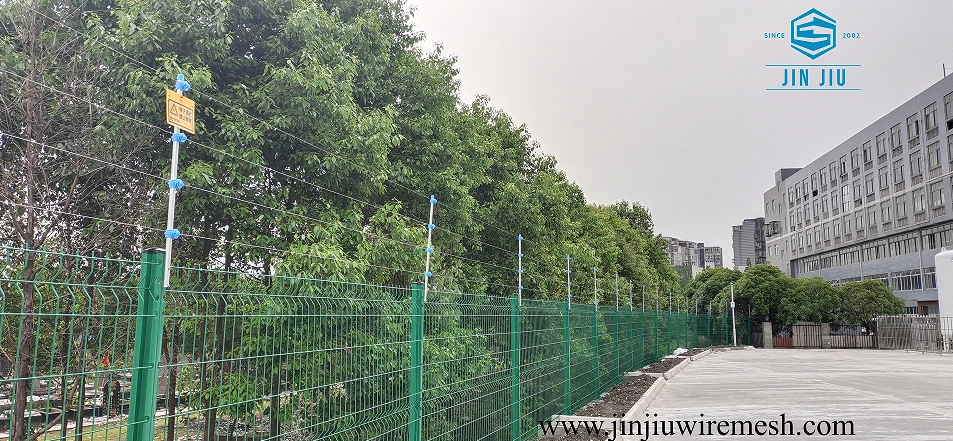
The Strategic Role of the Industrial Electric Fence in Modern Commerce
The protection of corporate and manufacturing assets has transitioned from a matter of simple boundary marking to a complex necessity of risk management.
2026-02-25 15:29:03
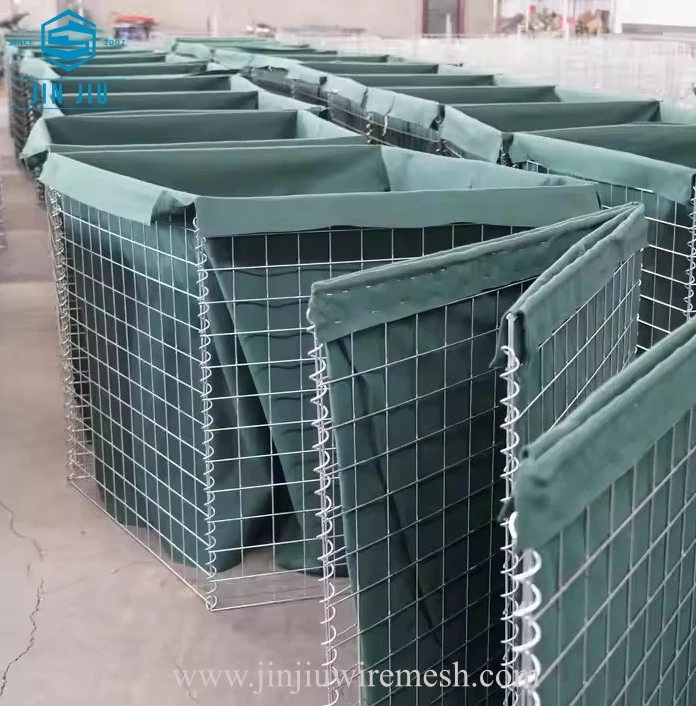
The Evolution of Physical Protection: Bullet Resistant Defensive Barriers in Modern Security
In an increasingly unpredictable global landscape, the requirement for high-level ballistic protection has moved beyond the battlefield and into the core of civilian and industrial security infrastructure.
2026-02-25 15:26:58
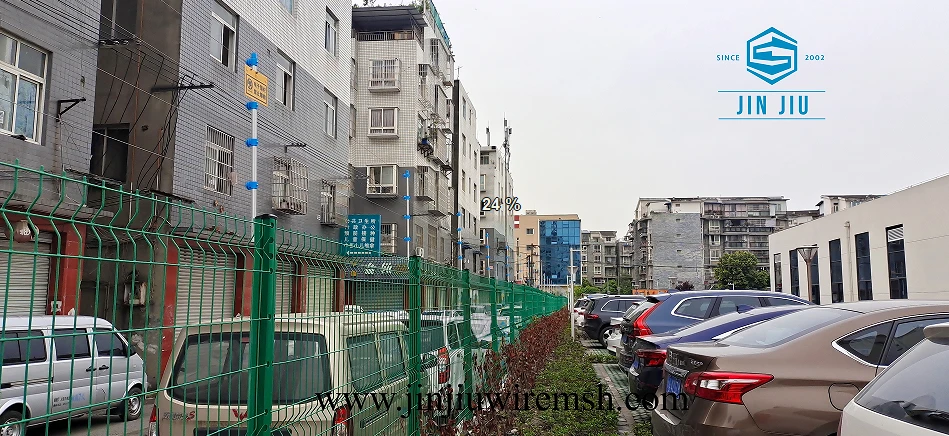
The Digital Backbone of Modern Security: Connected Pulse Monitoring Electric Fence Architecture
The traditional concept of a perimeter has undergone a fundamental transformation.
2026-02-25 15:24:13
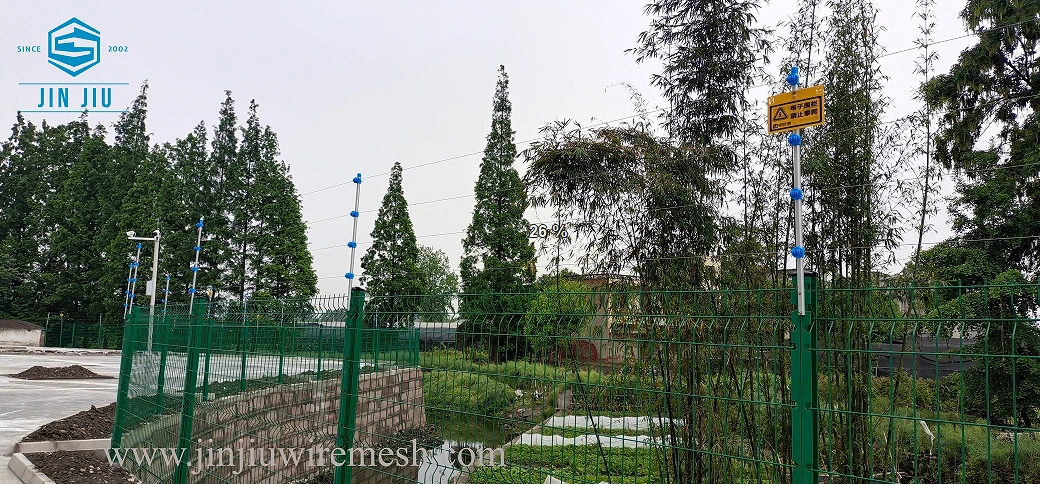
Securing the Unreachable with a Powerful Pulse Electric Fence
In the realm of global security, the distinction between a standard boundary and a high-security perimeter is often defined by the technology pulsing through the wires.
2027-04-14 00:00:00
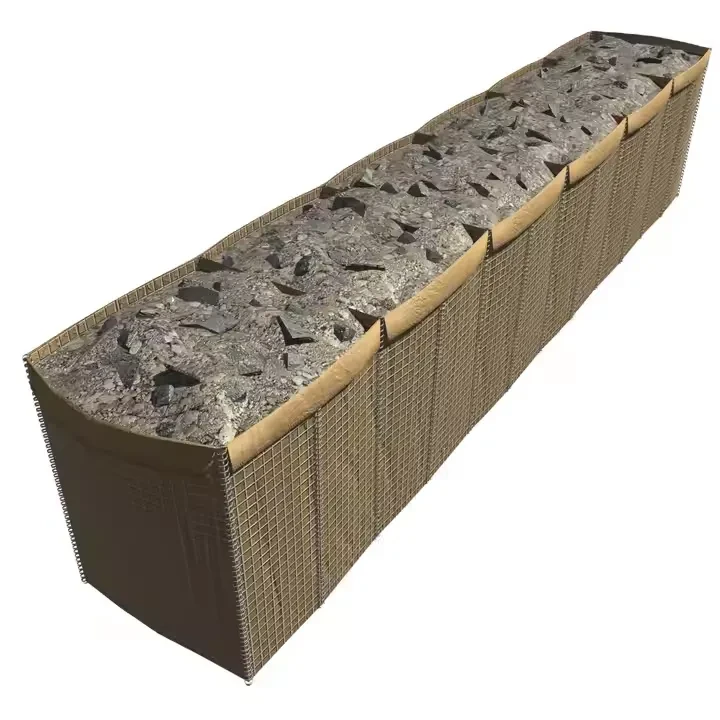
Engineering Resilience with Explosion Proof Defensive Barriers
In an era where industrial safety and national security are increasingly intertwined, the necessity for specialized protection in volatile environments has never been higher.


 English
  Albanian
  Arabic
  Bengali
  Czech
Czech  Danish
  Dutch
Dutch  Finnish
  French
  German
  Japanese
  Malay
Malay  Persian
  Polish
  Portuguese
  Romanian
  Russian
  Serbian
  Spanish
  Swahili