





Hebei Jinjiu Metal Products Co.,Ltd


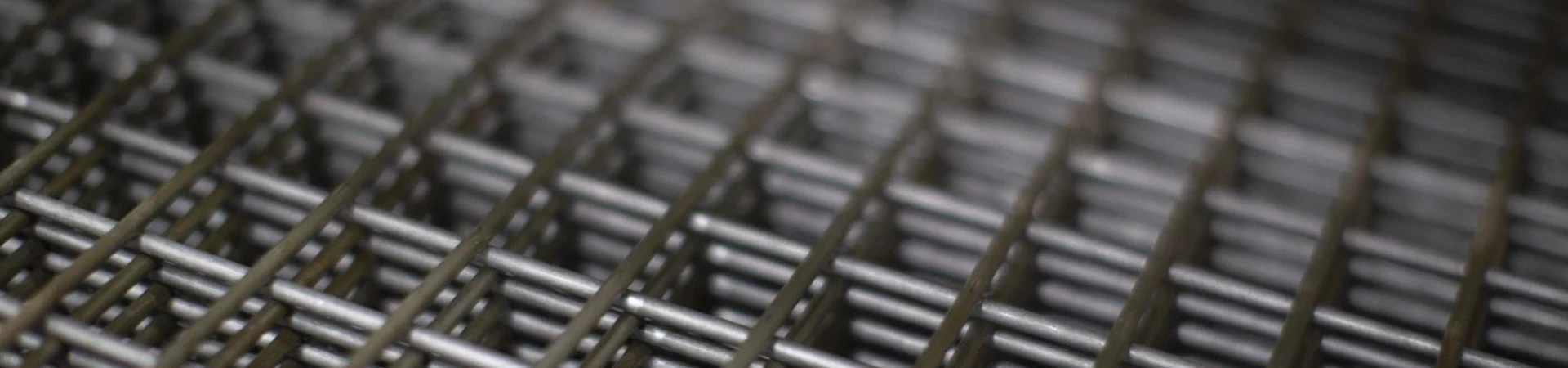

Understanding MZP Putanka Barrier Mesh: Durable, Scalable Barriers for Global Safety
Nov . 29, 2025 19:55
What is MZP Putanka Barrier Mesh and Why Should You Care?
If you’re involved in infrastructure, construction, or disaster management, you might have come across mzp putanka barrier mesh — a term that may sound niche but is surprisingly vital worldwide. In simple terms, it’s a specialized wire mesh system designed for robust, adaptable, and rapid deployment barriers. But beyond just fencing or barriers, it's about creating safe spaces, protecting assets, and enabling critical operations — especially where speed and durability matter.
In a world where urban expansion, environmental challenges, and humanitarian crises intersect, understanding this mesh means grasping a small but significant piece of how large-scale protection and safety tools are evolving globally.
Understanding the Global Role of MZP Putanka Barrier Mesh
The global significance of barrier meshes like MZP Putanka becomes clearer if you glance at data from the International Organization for Standardization (ISO) and the United Nations’ reports on disaster risk reduction. For example, over 70% of natural disasters affect infrastructure, calling for reliable protective systems that are both lightweight and resilient.
In many developing regions, rapid urbanization has driven demand for temporary yet strong barriers during construction, crowd control, or environmental protection efforts. The challenge often is balancing cost, durability, and quick installation—all of which mzp putanka barrier mesh is designed to solve.
Oddly enough, these meshes aren’t just about keeping things in or out; they represent an intersection between engineering, sustainability, and humanitarian aid.
So, What Exactly Is MZP Putanka Barrier Mesh?
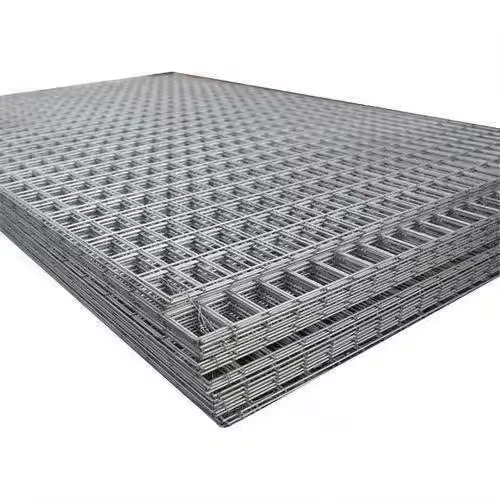
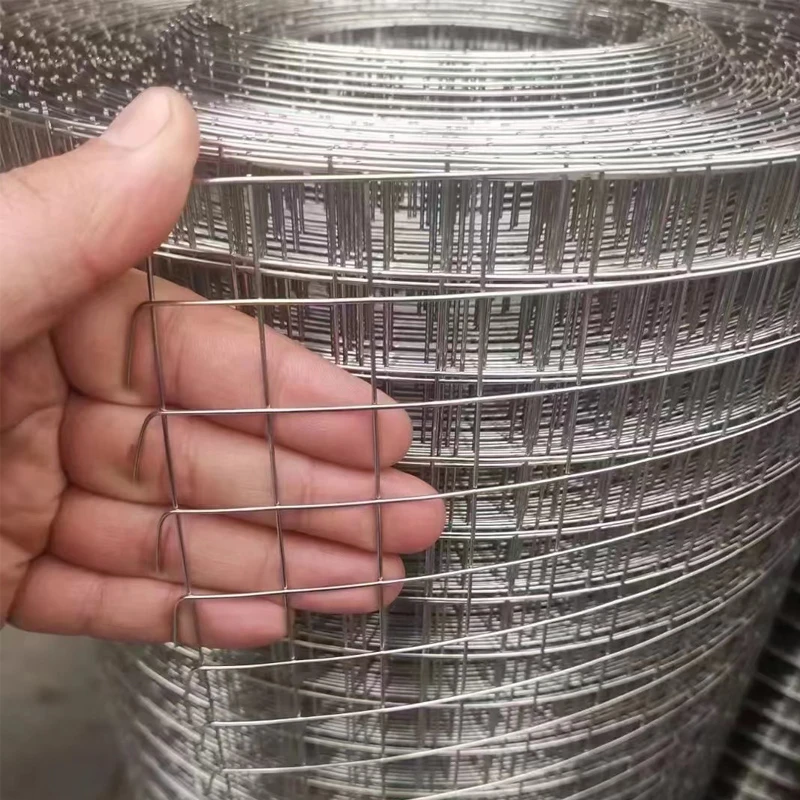
In essence, mzp putanka barrier mesh is a form of galvanized or coated steel wire mesh manufactured with a specific pattern and tensile strength to serve as protective barriers. The term “Putanka” typically refers to a tightly woven configuration that maximizes surface area coverage without sacrificing airflow or visibility.
Used widely in industries ranging from mining and construction to disaster relief and crowd control, these meshes are engineered for flexibility and endurance. They're sort of the Swiss Army knives of barrier materials, adapting to tough urban or rural environments alike.
It’s interesting to note how much these products have evolved past their basic materials — integrating coatings that resist corrosion, welding techniques for enhanced strength, and modular designs that fit into various framework systems easily.
Key Characteristics that Make MZP Putanka Barrier Mesh Stand Out
1. Durability and Corrosion Resistance
The mesh uses galvanized or PVC-coated steel wires, ensuring excellent resistance to rust and wear—especially critical in humid or coastal regions. This prolongs lifecycle without frequent maintenance or replacement.
2. Scalability & Modular Design
Whether you’re fencing off a single construction site or creating kilometers of separation around an industrial plant, mzp putanka barrier mesh can be sized or linked together with ease, making it a scalable solution that helps reduce installation time.
3. Cost Efficiency
Compared to solid barriers or concrete walls, it offers a lighter, more affordable option that still meets safety and structural requirements. Less material and easier installation translate to savings.
4. Safety & Visibility
The mesh pattern allows visual inspection without removing barriers—important for environmental monitoring or security checks. Unlike opaque barriers, it balances protection with transparency.
5. Ease of Installation
Thanks to its modular nature and relatively light weight, untrained labor can install and dismantle these barriers quickly, a boon during emergencies or temporary site closures.
Where Is MZP Putanka Barrier Mesh Making a Difference Globally?
The applications are diverse and growing:
- Post-Disaster Relief: In regions hit by floods or storms, quick perimeter setup is vital for safety zones and material storage.
- Construction & Mining: Providing secure boundaries around hazardous areas while allowing airflow and site visibility.
- Environmental Protection: Acting as temporary erosion control fences or wildlife barriers in sensitive zones.
- Crowd Control & Public Safety: Used in festivals, sports arenas, or political events to manage movement without creating visual barriers.
In some Asian and African countries, NGOs embrace mzp putanka barrier mesh to set up temporary fencing in refugee camps, balancing cost and durability under harsh conditions.
Advantages and Long-Term Value Beyond the Surface
It’s easy to look at barrier mesh as just a physical product, but many engineers say the real value lies in the peace of mind it delivers. The meshes:
- Lower total cost of ownership: Durability means fewer replacements and less downtime.
- Enhance site safety: Reliable barriers prevent accidents and unauthorized access.
- Improve environmental stewardship: Lightweight and reusable materials reduce waste and disturbance.
- Support social welfare: Used in humanitarian contexts, their quick deployment can restore order and dignity.
Plus, they reflect an ongoing innovation trend — combining engineering principles with social and ecological responsibility.
Specifications at a Glance: Typical MZP Putanka Barrier Mesh
| Specification | Details |
|---|---|
| Material | Galvanized Steel Wire or PVC Coated Wire |
| Mesh Size | 50mm x 50mm (customizable) |
| Wire Diameter | 2.0 – 4.0 mm |
| Panel Size | 2m x 3m standard (custom options available) |
| Coating Thickness | 45 microns (galvanized); 0.2 mm (PVC) |
| Weight per Panel | Approximately 25–30 kg |
Comparing Vendors: What to Look Out For
| Feature | Vendor A | Vendor B | Vendor C |
|---|---|---|---|
| Customization Options | High | Medium | Low |
| Lead Time | 2 weeks | 4 weeks | 6 weeks |
| Warranty | 5 Years | 3 Years | 2 Years |
| Material Quality | Premium galvanized steel | Standard galvanized steel | Mixed metal alloys |
| Price Range | $$$ | $$ | $ |
Future Trends in Barrier Mesh Technology
The future looks promising. Innovations such as incorporating recycled materials, solar-embedded meshes, or sensors woven into the grid for real-time structural monitoring are gaining traction. Digitally enabled meshes could signal damage or intrusions automatically, helping security teams react faster.
Also, regulatory push toward greener building materials will nudge manufacturers to amplify sustainable production methods. So, if you’re watching the space, expect a wave of meshes that are cleverer, kinder to the planet, and even easier to install.
Challenges and How the Industry Is Tackling Them
Despite many benefits, there are hurdles. Corrosion can still sneak in if coatings are damaged. Installation in remote or difficult terrain sometimes demands specialized equipment or training. Also, balancing mesh density for security without impairing airflow or visibility requires precise engineering.
Experts advocate for ongoing research into alternative coatings like nano-protective layers and modular designs that simplify transport. Collaboration between manufacturers and end users ensures custom solutions actually meet on-the-ground realities.
FAQs: Your Questions About MZP Putanka Barrier Mesh
- Q1: How long does mzp putanka barrier mesh typically last outdoors?
- A: With proper galvanized coating and regular maintenance, these meshes can last 10 to 15 years even in harsh weather conditions.
- Q2: Can I customize the mesh size or panel dimensions?
- A: Yes, most vendors offer customization to fit specific site or application requirements, ranging from tighter mesh for security to larger panels for faster coverage.
- Q3: Is the barrier mesh reusable for multiple projects?
- A: Absolutely! Due to its durable construction, it can be dismantled and redeployed, making it cost-effective over multiple uses.
- Q4: How is the mesh installed on uneven terrain?
- A: Installation kits often include adjustable post heights or flexible fittings to accommodate slopes and irregular surfaces.
- Q5: Are these meshes environmentally friendly?
- A: Many manufacturers now use recyclable steel and eco-friendly coatings, reducing environmental footprint while maintaining performance.
Wrapping Up: Why MZP Putanka Barrier Mesh Is Worth Considering
So in the grand scheme, mzp putanka barrier mesh isn’t just a metal grid; it’s a practical, resilient, and increasingly sophisticated protector of people, property, and the planet. Whether you’re in mining, disaster relief, construction, or environmental management, these meshes tick many important boxes — durability, cost-efficiency, rapid deployment, and a nod to sustainability.
If you want to dive deeper or explore purchasing options for your next project, head over to https://www.jinjiuwiremesh.com. It’s a good place to start finding tailored solutions that fit your unique challenges.
References & Further Reading

Related Products

Related News


2026-03-16 14:21:07
Discover durable farming solutions and flexible animal containment with hinge-knot field fence. Combining impact-resistant design and customizable options, Hebei Jinjiu ensures quality for agricultural applications. Explore now: https://www.jinjiuwiremesh.com/field-fencefarm-fence.html
2026-03-16 14:21:07
Discover durable farming solutions and flexible animal containment with hinge-knot field fence. Combining impact-resistant design and customizable options, Hebei Jinjiu ensures quality for agricultural applications. Explore now: https://www.jinjiuwiremesh.com/field-fencefarm-fence.html
2027-04-14 00:00:00
Discover durable farming solutions and flexible animal containment with hinge-knot field fence. Combining impact-resistant design and customizable options, Hebei Jinjiu ensures quality for agricultural applications. Explore now: https://www.jinjiuwiremesh.com/field-fencefarm-fence.html
2026-02-25 15:31:06
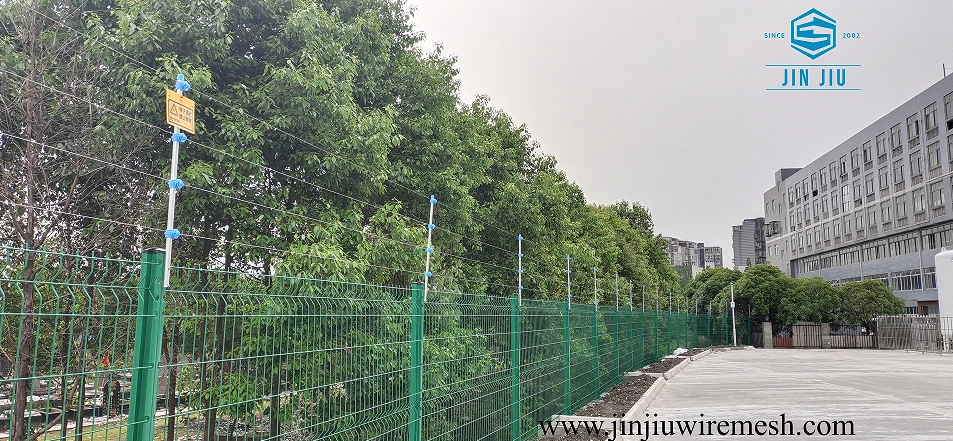
The Strategic Role of the Industrial Electric Fence in Modern Commerce
The protection of corporate and manufacturing assets has transitioned from a matter of simple boundary marking to a complex necessity of risk management.
2026-02-25 15:29:03
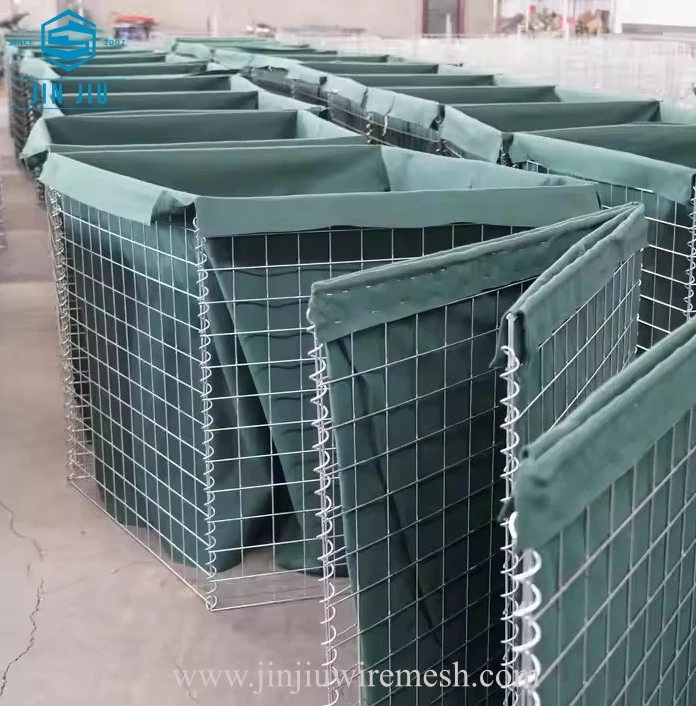
The Evolution of Physical Protection: Bullet Resistant Defensive Barriers in Modern Security
In an increasingly unpredictable global landscape, the requirement for high-level ballistic protection has moved beyond the battlefield and into the core of civilian and industrial security infrastructure.
2026-02-25 15:26:58
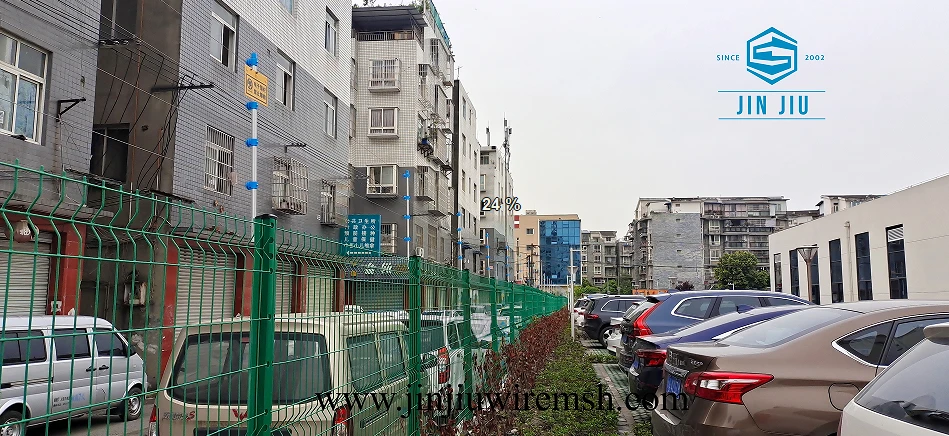
The Digital Backbone of Modern Security: Connected Pulse Monitoring Electric Fence Architecture
The traditional concept of a perimeter has undergone a fundamental transformation.
2026-02-25 15:24:13
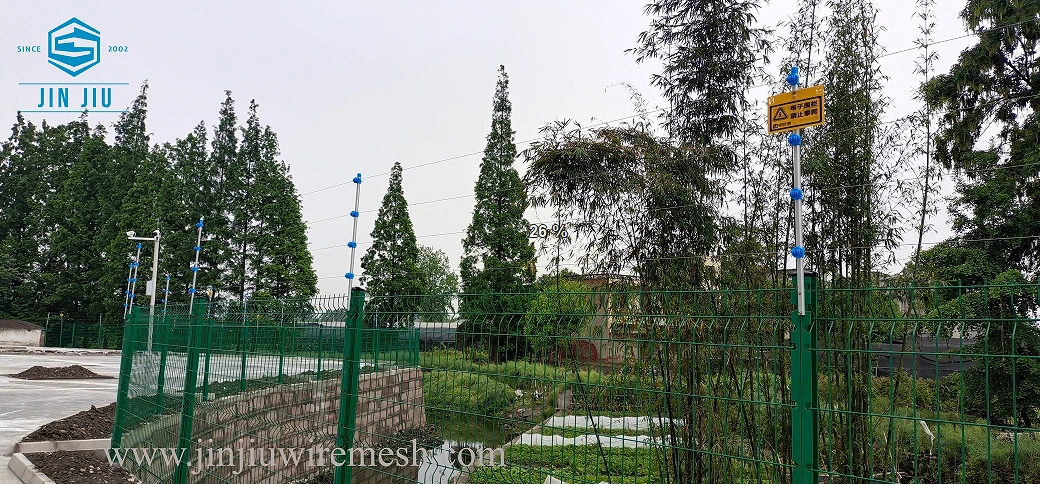
Securing the Unreachable with a Powerful Pulse Electric Fence
In the realm of global security, the distinction between a standard boundary and a high-security perimeter is often defined by the technology pulsing through the wires.
2027-04-14 00:00:00
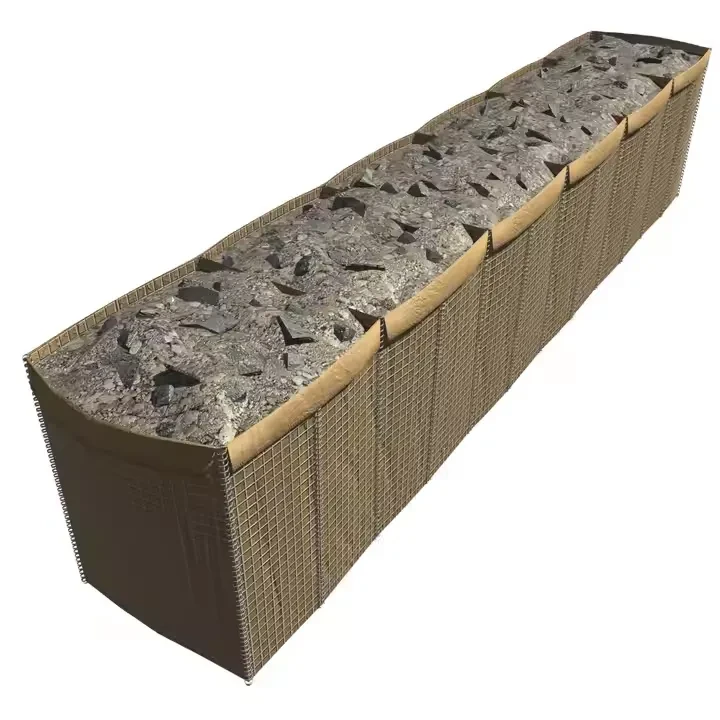
Engineering Resilience with Explosion Proof Defensive Barriers
In an era where industrial safety and national security are increasingly intertwined, the necessity for specialized protection in volatile environments has never been higher.


 English
  Albanian
  Arabic
  Bengali
  Czech
Czech  Danish
  Dutch
Dutch  Finnish
  French
  German
  Japanese
  Malay
Malay  Persian
  Polish
  Portuguese
  Romanian
  Russian
  Serbian
  Spanish
  Swahili