





Hebei Jinjiu Metal Products Co.,Ltd


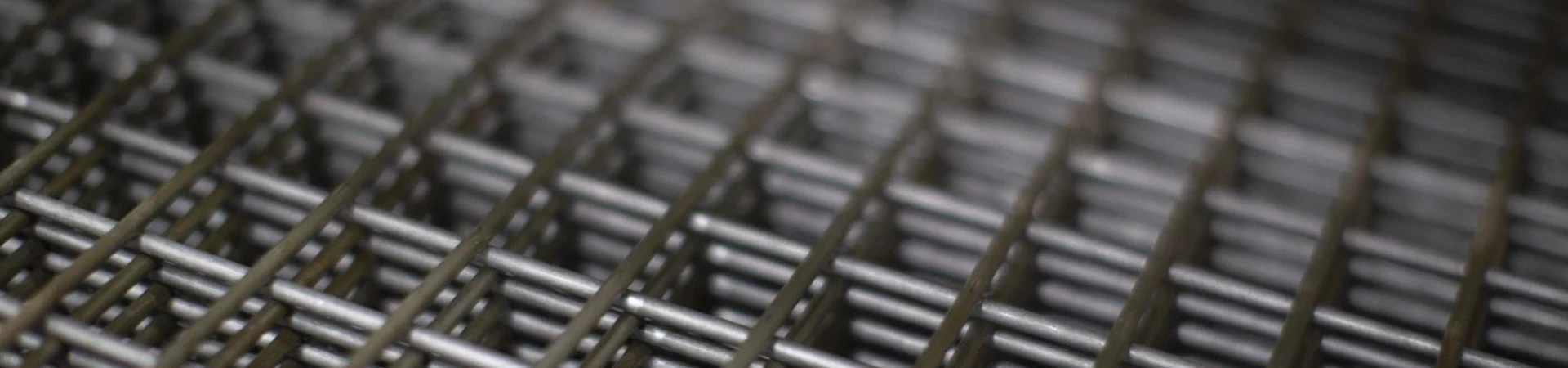

Understanding Tank Tracks Wound Net: Innovations in Ground Protection and Sustainability
Dec . 11, 2025 09:13
What Exactly Is a Tank Tracks Wound Net—and Why Should We Care?
You might have stumbled upon the term tank tracks wound net and wondered what it actually means. At first glance, it sounds like something out of a military engineering manual—but its applications stretch far beyond battlefields. Essentially, a tank tracks wound net is a specialized type of reinforced mesh designed to protect and cover sensitive ground areas affected by heavy tracked machinery, like those used in construction, mining, or even disaster zones. Why does this matter globally? Well, heavy tracked vehicles famously damage landscapes, disrupting ecosystems and complicating recovery efforts. These nets help minimize that footprint, accelerating environmental recovery and improving safety when operating in fragile areas. In a world where industrial activity and humanitarian needs collide — especially in fragile terrains — understanding the role and value of tank tracks wound nets is increasingly vital. They bring technical innovation to real-world problems, often where traditional solutions fall short. ---The Global Significance of Tank Tracks Wound Net
Heavy tracked vehicles make the world go around — from moving earth in massive infrastructure projects to clearing debris after natural disasters. According to the United Nations Environment Programme (UNEP), industrial land degradation affects nearly 25% of global land surfaces, with tracked machinery being a major culprit in fragile zones. This is where the tank tracks wound net steps in. It’s estimated that with better surface protection, operational damage could be reduced by up to 30%, saving millions in environmental restoration and improving safety for workers. The net acts as a buffer, distributing pressure and preventing soil compaction and erosion beneath the heavy tread. Globally, industries like mining in South America, pipeline construction in Arctic zones, and post-hurricane relief projects in Southeast Asia rely on such nets to ensure operations can proceed responsibly. The challenge? Finding materials and designs that balance durability with deployment ease. ---Breaking It Down: What Is a Tank Tracks Wound Net?
Think of it as a specialized mesh or mat designed to cover soil or vulnerable ground areas before tracked vehicles pass over. Unlike standard erosion mats or simple tarps, these nets are engineered to: - Absorb and distribute heavy pressure - Resist tearing and damage from rugged tank treads - Be flexible enough to conform to uneven terrain They are made from high-tensile synthetic fibers, sometimes reinforced with steel wire or polymer composites, blending strength and lightweight portability. In humanitarian contexts, the nets protect temporary shelters or medical sites from being compromised, helping keep vital facilities intact. ---Core Components of Tank Tracks Wound Net
1. Durability That Goes the Distance
The net must withstand continuous abrasion – imagine a tank track rolling over muddy, uneven ground repeatedly. Many designers use ultra-high-molecular-weight polyethylene (UHMWPE) fibers or galvanized steel strands to ensure years of reliable use. In the field, a torn net isn’t just annoying—it’s a safety risk.2. Flexibility and Adaptability
Terrain varies wildly. Whether it’s rocky, muddy, or sandy, the net needs to flex and conform rather than resist shape, so it stays in place without bunching or creating trip hazards.3. Ease of Deployment
In disaster zones or remote work sites, time is often scarce. Nets that can be rolled out or assembled quickly by small teams are at a premium. Some designs feature modular panels to speed installation.4. Environmental Compatibility
This includes biodegradability or recyclability, crucial as environmental concerns mount globally. Nets made from recyclable polymers or coated natural fibers score big here.5. Cost Efficiency
While quality is non-negotiable, budgets are tight. Suppliers often work hard to optimize manufacturing so nets stay affordable for governments, NGOs, and companies alike. ---Real-World Applications: Where Do Tank Tracks Wound Nets Shine?
You’d be surprised how often these specialized products save the day. - Post-Disaster Relief Operations: After hurricanes or earthquakes, temporary medical stations or food distribution points need to be set up fast. Protecting the soil with wound nets stabilizes the grounds, preventing vehicles from getting stuck and facilities collapsing. For more details on related protective solutions, check out the tank tracks wound net provider. - Mining and Extraction Sites: Remote mining sites often use heavy tracked vehicles that can shred the ground. Applying the nets reduces environmental degradation and aids reclamation projects once mining ends. - Pipeline and Infrastructure Projects: In arctic or marshy zones, a sandwich of wound nets and other mats creates temporary roads, keeping equipment mobile without sinking into wetlands. - Military Training Grounds: To minimize long-term damage on practice sites, these nets cushion the ground, helping training operations remain sustainable. ---Mini Takeaway:
Tank tracks wound nets aren’t just technical gear — they’re practical guardians of landscape integrity across global industries. ---Product Specification Table: Typical Tank Tracks Wound Net
| Feature | Specification | Notes |
|---|---|---|
| Material | UHMWPE Fibers + Galvanized Steel Wire | High strength and corrosion resistance |
| Weight | Approx. 3.5 kg/m² | Light enough for easy deployment |
| Tensile Strength | > 850 MPa | Supports heavy tracked vehicle loads |
| Dimensions | Standard 2m x 5m rolls | Modular for variable terrain sizes |
| Durability span | Up to 5 years (varies with use) | Depends on environmental exposure |
Comparing Top Vendors for Tank Tracks Wound Nets
| Vendor | Material Technology | Deployment Speed | Price Range (per m²) | Sustainability Features |
|---|---|---|---|---|
| Jinjui Wiremesh | UHMWPE + Galvanized Steel | Fast: Modular Rollouts | $18–22 | Recyclable materials, corrosion resistance |
| NetGuard Solutions | Polyester Blend + Steel Wire | Standard | $16–20 | Partially recyclable |
| EcoTrack Mesh | Biodegradable Polymer Composite | Slower assembly | $20–25 | Fully biodegradable |
Advantages & Long-Term Value: More Than Just Ground Protection
The benefits of using tank tracks wound nets go far beyond reducing physical damage: - Cost savings: Less soil degradation means less spending on restoration and less downtime. Many industries say these nets pay for themselves within the first few use cycles. - Sustainability: Using recyclable or biodegradable materials reduces environmental impact—a growing concern given the push for greener industrial practices. - Safety and dignity: In humanitarian contexts, stable ground means safer working and living environments, preserving a sense of order amid chaos. - Innovation: The engineering behind these nets pushes material science forward, benefiting related fields like erosion control and construction mats. It’s a blend of logical efficiencies and emotional reassurance. Knowing that heavy machinery’s footprint can be softened feels like a breath of fresh air in a world that’s been scarred by decades of overexploitation. ---Looking Ahead: Future Trends & Innovations in Tank Tracks Wound Nets
The next few years promise exciting advances: - Smart materials: Embedded sensors could monitor ground pressure and mesh integrity in real time. - Eco-friendly innovations: Biopolymers derived from algae or waste materials might replace synthetic fibers. - Automation-assisted deployment: Drones or robotic units could install or repair nets without manual labor, speeding response in critical zones. - Modular design improvements: Custom interlocking panels tailored for hyper-specific terrains, inspired by origami and bio-mimicry concepts. - Regulatory push: Governments and international bodies are increasingly mandating industry standards encouraging use of protective nets, so expect wider adoption. ---Challenges & Clever Solutions
Like anything, these nets aren't without hiccups: - Wear and tear: Constant abrasion eventually takes a toll. Suppliers are experimenting with hybrid weaves and coatings to extend lifespan. - Cost vs. quality: There's always a temptation to cut corners, but reduced durability can backfire. The sweet spot? Balanced engineering — neither overbuilt nor underperforming. - Deployment speed: Large-scale sites may struggle to cover vast terrain quickly. Modular, lighter options help here — plus training crews properly is essential. - Environmental concerns: Disposal or degradation of synthetic nets can lead to microplastics. Biodegradables are promising but sometimes sacrifice strength. The good news is ongoing R&D and field feedback loop keep improving the products steadily. ---FAQ: Your Top Questions About Tank Tracks Wound Net
- Q: How long do tank tracks wound nets typically last in rough conditions?
A: Typically, these nets last between 3 to 5 years depending on usage intensity, climate exposure, and maintenance. Harsh environments like deserts or wetlands may reduce lifespan slightly. - Q: Can these nets be reused after initial deployment?
A: Yes, many are designed for multiple uses. With proper cleaning and storage, durability can be extended, making reuse economically and environmentally sensible. - Q: Are tank tracks wound nets easy to install without heavy machinery?
A: Generally yes. Most designs favor manual or small-team deployment. For bigger projects, mechanized assistance may be used but isn’t always necessary. - Q: How do these nets improve environmental outcomes?
A: By reducing soil compaction and erosion, they help preserve local flora and fauna habitats, improving long-term land stability and resilience. - Q: Where can I find reliable tank tracks wound nets suppliers?
A: Many industrial mesh manufacturers, including tank tracks wound net specialists, offer customizable solutions tailored to diverse environments.
Final Thoughts: Why Embracing Tank Tracks Wound Nets Makes Sense for the Future
As industries grow bolder and the climate crisis demands smarter stewardship, the importance of protecting what’s underfoot can’t be overstated. Tank tracks wound nets stand at that intersection—combining tech, environment, and human needs in one practical tool. Whether you’re managing a mining operation, spearheading disaster relief, or just curious about sustainable tech, these nets represent a quiet but crucial piece of the puzzle. If you want to explore your options or see real product specs, don’t hesitate to visit https://www.jinjiuwiremesh.com for detailed info and expert advice. ---References

Related Products
Related News


2026-03-16 14:21:07
Discover durable farming solutions and flexible animal containment with hinge-knot field fence. Combining impact-resistant design and customizable options, Hebei Jinjiu ensures quality for agricultural applications. Explore now: https://www.jinjiuwiremesh.com/field-fencefarm-fence.html
2026-03-16 14:21:07
Discover durable farming solutions and flexible animal containment with hinge-knot field fence. Combining impact-resistant design and customizable options, Hebei Jinjiu ensures quality for agricultural applications. Explore now: https://www.jinjiuwiremesh.com/field-fencefarm-fence.html
2027-04-14 00:00:00
Discover durable farming solutions and flexible animal containment with hinge-knot field fence. Combining impact-resistant design and customizable options, Hebei Jinjiu ensures quality for agricultural applications. Explore now: https://www.jinjiuwiremesh.com/field-fencefarm-fence.html
2026-02-25 15:31:06
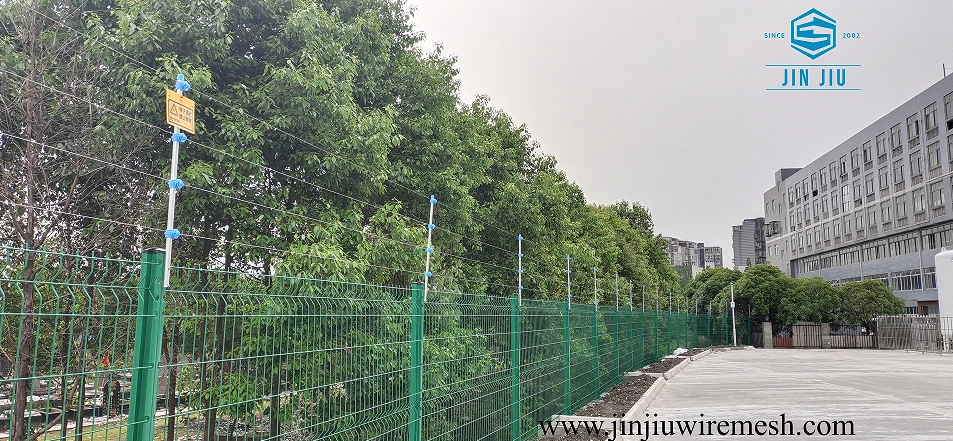
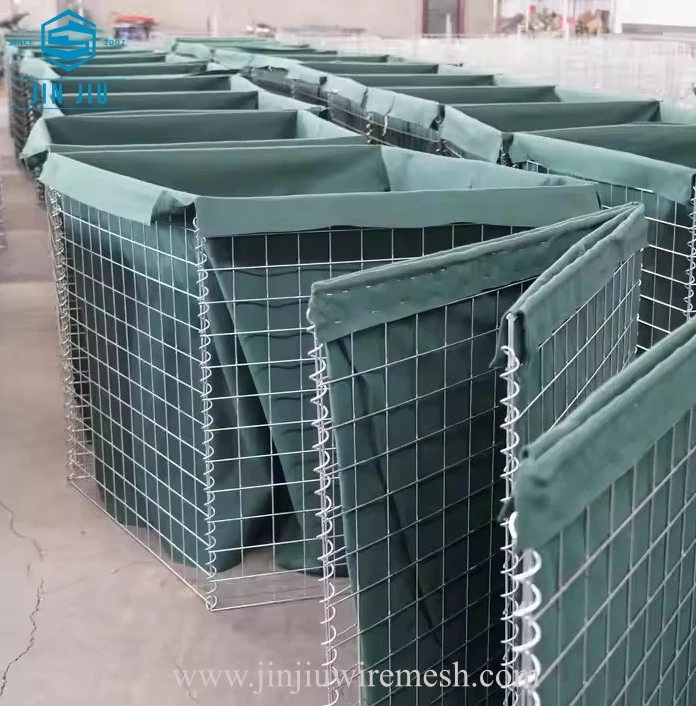
The Strategic Role of the Industrial Electric Fence in Modern Commerce
The protection of corporate and manufacturing assets has transitioned from a matter of simple boundary marking to a complex necessity of risk management.
2026-02-25 15:29:03
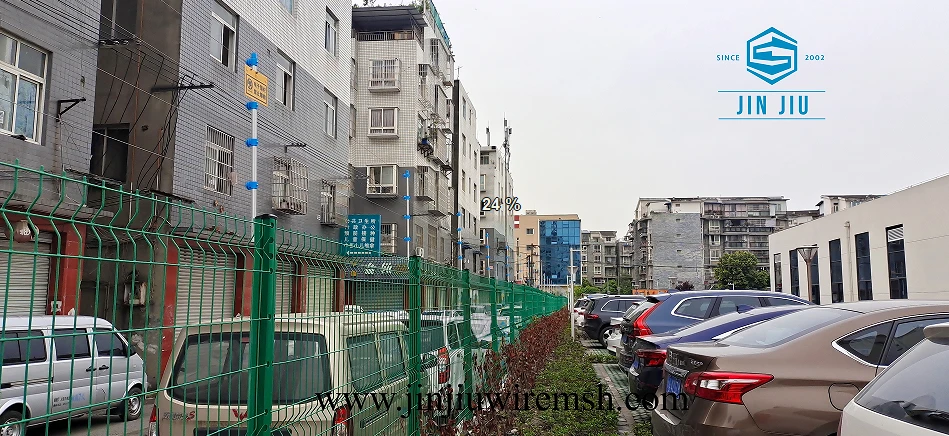
The Evolution of Physical Protection: Bullet Resistant Defensive Barriers in Modern Security
In an increasingly unpredictable global landscape, the requirement for high-level ballistic protection has moved beyond the battlefield and into the core of civilian and industrial security infrastructure.
2026-02-25 15:26:58
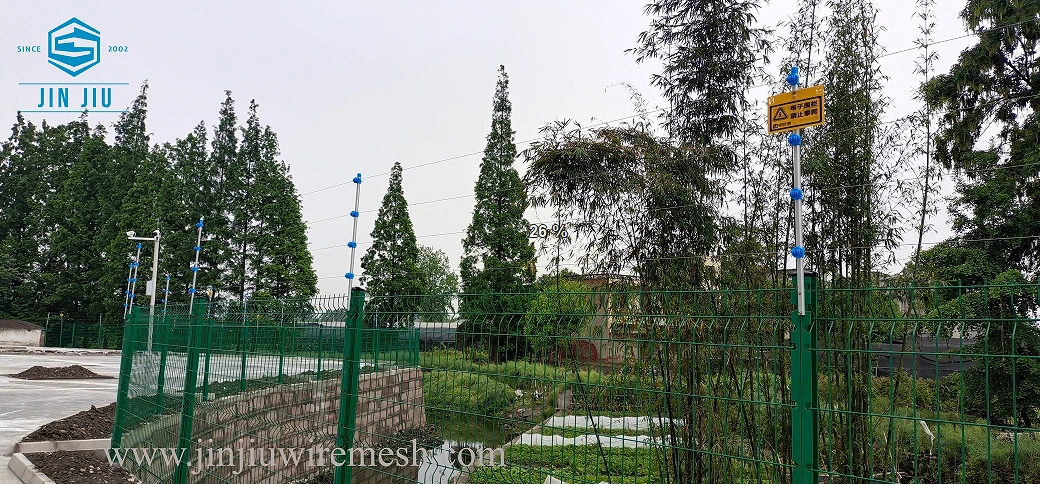
The Digital Backbone of Modern Security: Connected Pulse Monitoring Electric Fence Architecture
The traditional concept of a perimeter has undergone a fundamental transformation.
2026-02-25 15:24:13
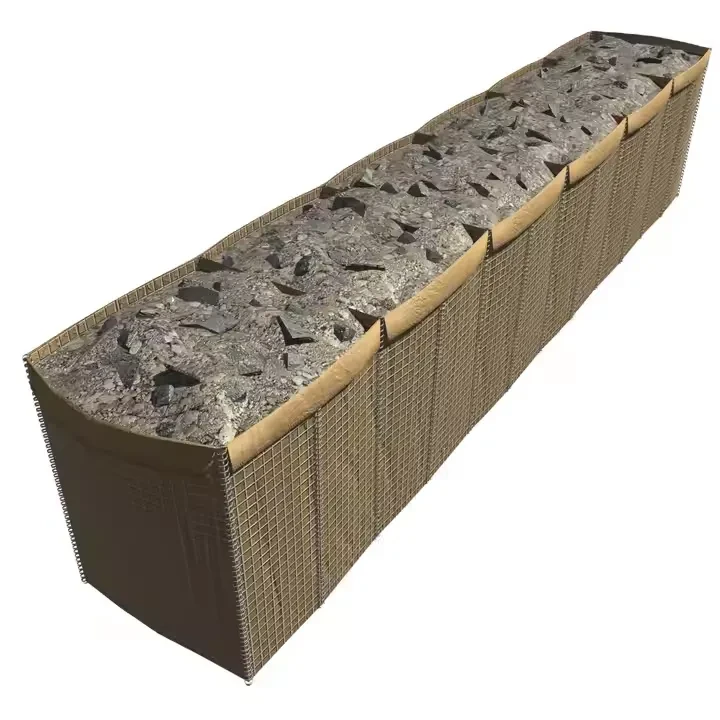
Securing the Unreachable with a Powerful Pulse Electric Fence
In the realm of global security, the distinction between a standard boundary and a high-security perimeter is often defined by the technology pulsing through the wires.
2027-04-14 00:00:00
Engineering Resilience with Explosion Proof Defensive Barriers
In an era where industrial safety and national security are increasingly intertwined, the necessity for specialized protection in volatile environments has never been higher.


 English
  Albanian
  Arabic
  Bengali
  Czech
Czech  Danish
  Dutch
Dutch  Finnish
  French
  German
  Japanese
  Malay
Malay  Persian
  Polish
  Portuguese
  Romanian
  Russian
  Serbian
  Spanish
  Swahili