





Hebei Jinjiu Metal Products Co.,Ltd


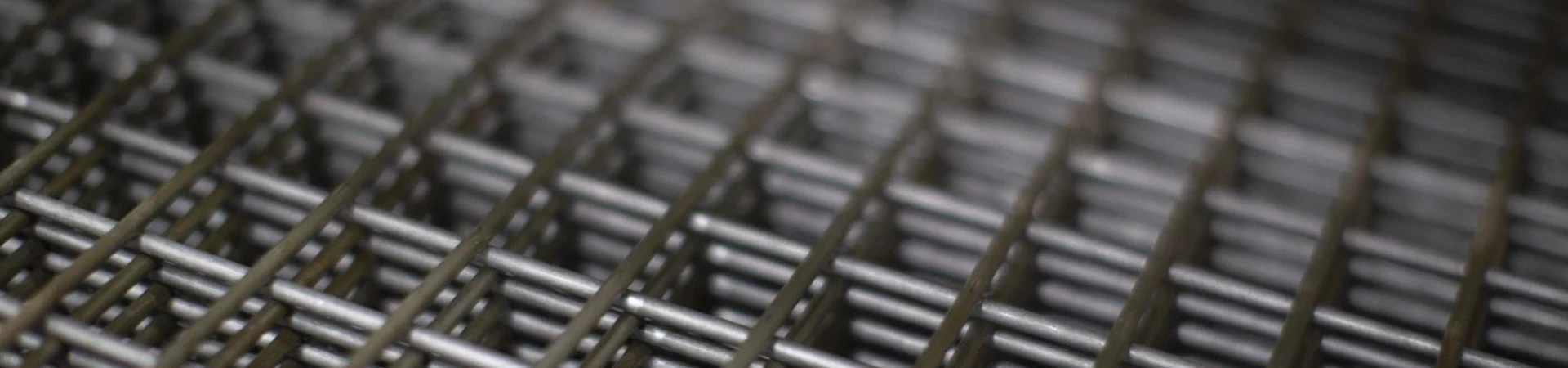

Warfare Tank Barrier Wire Mesh – Durable Security for Modern Defense Needs
Nov . 15, 2025 13:30
Understanding Warfare Tank Barrier Wire Mesh: Why It Matters Today
In a world where geopolitical tensions and conflicts remain a pressing challenge, the role of defense infrastructure becomes increasingly vital. One such critical component is warfare tank barrier wire mesh. Simply put, this is a specialized wire mesh designed to halt, slow down, or redirect armored vehicles like tanks during military operations. But beyond just a defensive tool, this kind of mesh has wider implications — from frontline defense to humanitarian zones requiring controlled access and security.
Understanding warfare tank barrier wire mesh is not just for defense analysts or military engineers. It matters globally because conflicts influence millions of lives and infrastructures. A reliable barrier can protect strategic locations and civilian zones alike. Plus, with advances in materials and deployment techniques, its benefits extend far beyond traditional battlefields.
A Global Perspective: The Rising Demand for Tank Barrier Solutions
The global defense market is projected to grow by around 3.5% per year, according to SIPRI (Stockholm International Peace Research Institute). Countries worldwide invest heavily in perimeter security and anti-armor solutions. Challenges such as asymmetric warfare, rapid tank advances, and urban combat require adaptive barriers with robust functionality and quick deployment.
Data from the United Nations indicates that about 70 million people annually live in conflict zones where fortified defenses are crucial to both military personnel and civilians. Warfare tank barrier wire mesh offers a scalable solution against armored threats, greatly contributing to area denial strategies on modern battlefields.
However, implementing these solutions isn't without challenges — think logistics, cost, and ensuring barriers remain effective against ever-adapting armored technologies.
Mini takeaway: The demand for warfare tank barrier wire mesh is closely tied to evolving global security needs, underscoring its strategic importance.
What Exactly Is Warfare Tank Barrier Wire Mesh?
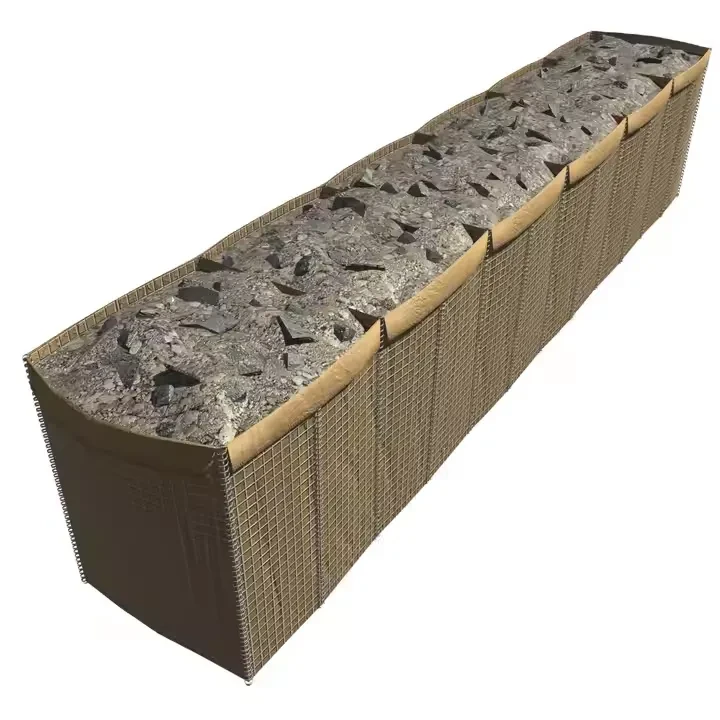
At its core, warfare tank barrier wire mesh is a heavy-duty, high-tensile steel mesh designed to impede the movement of armored vehicles — notably tanks. Unlike standard fencing, it must withstand intense mechanical force, explosive effects, and environmental wear.
These barriers are usually constructed from interwoven wires with varying mesh sizes tailored to stop or slow tanks by either snagging tracks or forcing detours. In essence, it’s a robust physical shield that buys crucial time and space on the battlefield.
Interestingly, while it originated primarily with military use, the same mesh technology now finds applications in humanitarian contexts — like controlled camp perimeters or to safeguard critical infrastructure in unstable regions.
warfare tank barrier wire mesh represents an intersection of military engineering and practical security solutions.
Key Factors That Define Effective Warfare Tank Barrier Wire Mesh
1. Durability and Tensile Strength
The mesh must resist cutting, deformation, and impact. Generally, high-grade galvanized or stainless steel wires are chosen — their corrosion resistance is especially important in harsh environments.
2. Scalability and Modular Design
Many deployments require quick assembly or flexible layouts, sometimes under fire. Modular panels allow for adaptable setups and rapid repair or repositioning.
3. Deployment Speed
In military ops, delays can be fatal. Prefabricated sections and interlocking mechanisms enable fast installation by small teams with minimal tools.
4. Compatibility with Other Defense Systems
Often integrated with anti-vehicle mines, concrete obstacles, or electronic surveillance, the wire mesh barrier acts as part of a layered defense.
5. Cost Efficiency
While the upfront cost may appear steep, the longevity and reduced need for maintenance often justify the investment.
Mini takeaway: A truly effective warfare tank barrier wire mesh balances strength, flexibility, and cost — a trifecta that’s surprisingly hard to achieve.
Global Applications: Where and How This Mesh Makes Difference
Conflict zones in the Middle East, parts of Eastern Europe, and Africa see extensive use of these barriers. For instance, forward bases in Syria and Ukraine have adopted modular mesh barriers to reinforce perimeter defense against armored columns.
In addition to military zones, humanitarian agencies deploy mesh fencing to protect refugee camps from vehicle-borne threats or unauthorized crossings.
Industrial sites in politically unstable regions also use this mesh to safeguard critical infrastructure from sabotage or accidental armored incursions.
Example: After a recent natural disaster struck a conflict-adjacent area, engineers repurposed surplus tank barrier mesh to control vehicle movement into fragile zones. Ingenious, right? Shows the versatility beyond war alone.
Advantages & Long-Term Value of Tank Barrier Wire Mesh
- Cost-Effectiveness: Unlike heavy concrete blocks, wire mesh is lighter and easier to deploy over large areas.
- Environmental Resilience: Galvanized coatings protect against rust in salty or humid climates, giving years of reliable service.
- Psychological Deterrence: The presence of robust physical barriers discourages aggressive maneuvers, softening confrontation risks.
- Modularity: Ability to expand, relocate, or customize enables military planners to adapt to fluid battle conditions.
- Preserving Dignity and Safety: When used around civilian camps, it helps maintain secure but humane boundaries, avoiding the feel of incarceration.
Specifications: A Typical Warfare Tank Barrier Wire Mesh Product
| Specification | Details |
|---|---|
| Material | Galvanized High Tensile Steel Wire |
| Wire Diameter | 4.5 – 6.0 mm |
| Mesh Size | 100 × 100 mm to 150 × 150 mm |
| Panel Size | 2 × 3 meters (modular) |
| Weight per Panel | Approximately 35 kg |
| Corrosion Resistance | IEC 60068-2-52 Salt Spray Test – Up to 1,000 hours |
| Max Load Capacity | Designed to withstand 25 kN horizontal load |
Comparing Top Vendors of Warfare Tank Barrier Wire Mesh
| Vendor | Strength | Product Range | Deployment Support | Price Range |
|---|---|---|---|---|
| Jinjiu Wire Mesh | High durability and corrosion resistance | Modular & customizable | Expert assembly guides & tech support | Mid-tier pricing |
| DefendTek Solutions | Military-grade material specs | Full range, including minefield integrated panels | On-site deployment training | Premium pricing |
| SecureBarrier Inc. | Cost-effective alloys | Limited sizes, standard panels | Basic manuals only | Entry-level pricing |
Innovations and Future Directions in Warfare Tank Barrier Mesh
As you might expect, ongoing research focuses on stronger but lighter alloys, bio-resistant coatings, and rapid deployment systems. The adoption of smart barriers with embedded sensors can alert troops to tampering or vehicle approach in real-time — a small digital revolution quietly transforming old-school wire meshes into tech-savvy defenses.
Sustainability is another hot topic. Manufacturers are exploring recyclable materials and eco-safe galvanizing processes to reduce environmental footprints. Oddly enough, even warfare gear needs a green makeover these days.
Mini takeaway: The fusion of traditional engineering with digital intelligence and sustainability is set to redefine how warfare tank barrier wire mesh performs in the near future.
Challenges and How Experts Address Them
Common issues include weight, vulnerability to specialized vehicle armor, and limited reusability after damage. But commanders and engineers have developed some clever workarounds:
- Layered defensecombining meshes with minefields, concrete blocks, and ditches to enhance deterrence.
- Rapid replacement protocols using modular panel swaps, minimizing downtime.
- Field testing under simulated attack conditions to continually refine mesh patterns and wire gauge.
There’s no one-size-fits-all, but trial-and-error paired with smart R&D keeps the barriers both tough and practical.
FAQ: Common Questions About Warfare Tank Barrier Wire Mesh
Q: How quickly can warfare tank barrier wire mesh be deployed in the field?
A: Modular designs allow trained teams to install barriers covering hundreds of meters within hours. Prefabricated panels with interlocking features streamline this, enabling rapid establishment of defensive lines even in hostile conditions.
Q: Is corrosion a significant concern for wire mesh barriers?
A: Absolutely. That’s why galvanized or stainless steel wires are standard. These treatments protect mesh panels for years in rain, salty air, or extreme temperatures, which are common in many conflict zones.
Q: Can this mesh be reused after an attack?
A: Depending on damage extent, reusable panels are possible if only minor deformation occurs. Severely damaged sections need replacement. This reuse potential is a key advantage over one-time-use obstacles.
Q: Are there environmental restrictions when installing these barriers?
A: Military zones generally have fewer restrictions, but NGOs and civilian operations must balance security with ecosystem protection. Using eco-friendly coatings and minimizing land disruption are best practices.
Q: Where can I source high-quality warfare tank barrier wire mesh?
A: Consider vendors like Jinjiu Wire Mesh, known for durable and customizable solutions with industry-grade support.
Conclusion: Investing in Reliable Warfare Tank Barrier Wire Mesh
At the end of the day, the combination of toughness, flexibility, and smart design makes warfare tank barrier wire mesh an invaluable asset — not only to national security but also to humanitarian and industrial applications. In fluid conflict zones or fragile environments, a dependable barrier isn't just steel and wire; it’s a line of defense that can save lives and protect critical assets.
For those interested in exploring tailored solutions, I highly recommend visiting our recommended vendor’s site for detailed product lines and expert advice. It’s a small step that often makes a huge difference.
— Just my two cents from following this space over the years.
References

Related Products

Related News


2026-03-16 14:21:07
Discover durable farming solutions and flexible animal containment with hinge-knot field fence. Combining impact-resistant design and customizable options, Hebei Jinjiu ensures quality for agricultural applications. Explore now: https://www.jinjiuwiremesh.com/field-fencefarm-fence.html
2026-03-16 14:21:07
Discover durable farming solutions and flexible animal containment with hinge-knot field fence. Combining impact-resistant design and customizable options, Hebei Jinjiu ensures quality for agricultural applications. Explore now: https://www.jinjiuwiremesh.com/field-fencefarm-fence.html
2027-04-14 00:00:00
Discover durable farming solutions and flexible animal containment with hinge-knot field fence. Combining impact-resistant design and customizable options, Hebei Jinjiu ensures quality for agricultural applications. Explore now: https://www.jinjiuwiremesh.com/field-fencefarm-fence.html
2026-02-25 15:31:06
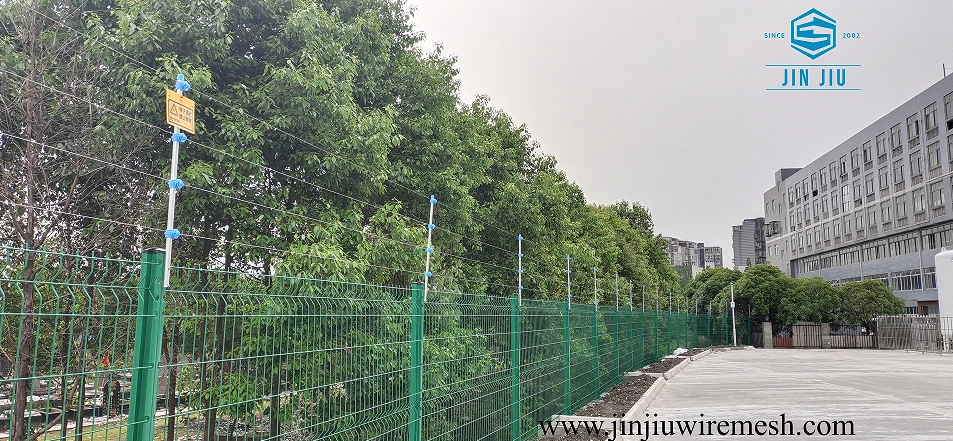
The Strategic Role of the Industrial Electric Fence in Modern Commerce
The protection of corporate and manufacturing assets has transitioned from a matter of simple boundary marking to a complex necessity of risk management.
2026-02-25 15:29:03
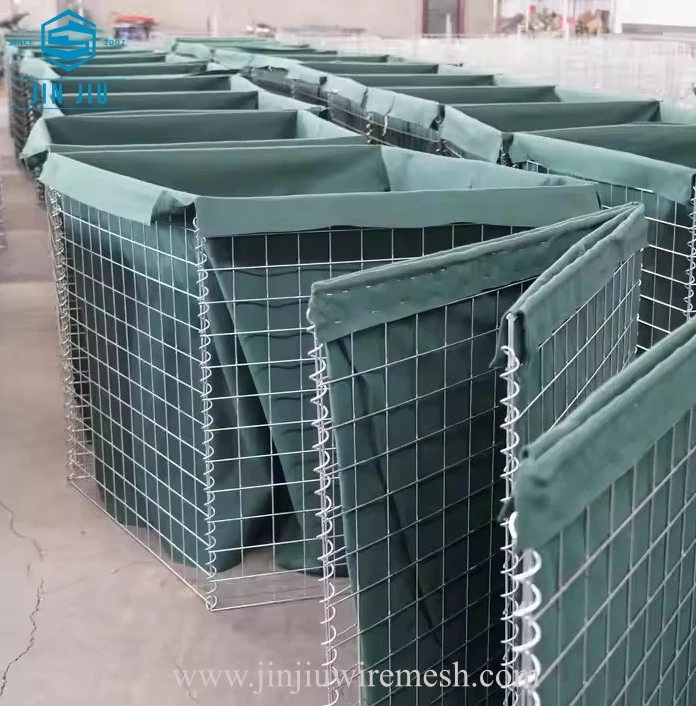
The Evolution of Physical Protection: Bullet Resistant Defensive Barriers in Modern Security
In an increasingly unpredictable global landscape, the requirement for high-level ballistic protection has moved beyond the battlefield and into the core of civilian and industrial security infrastructure.
2026-02-25 15:26:58
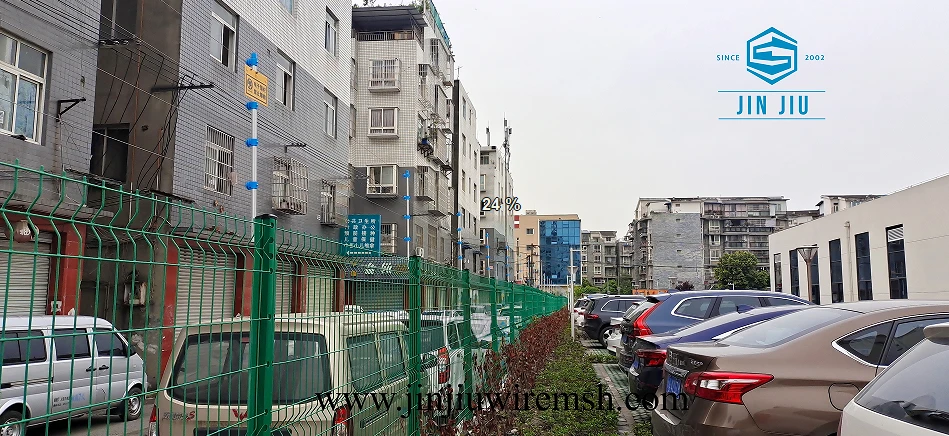
The Digital Backbone of Modern Security: Connected Pulse Monitoring Electric Fence Architecture
The traditional concept of a perimeter has undergone a fundamental transformation.
2026-02-25 15:24:13
Securing the Unreachable with a Powerful Pulse Electric Fence
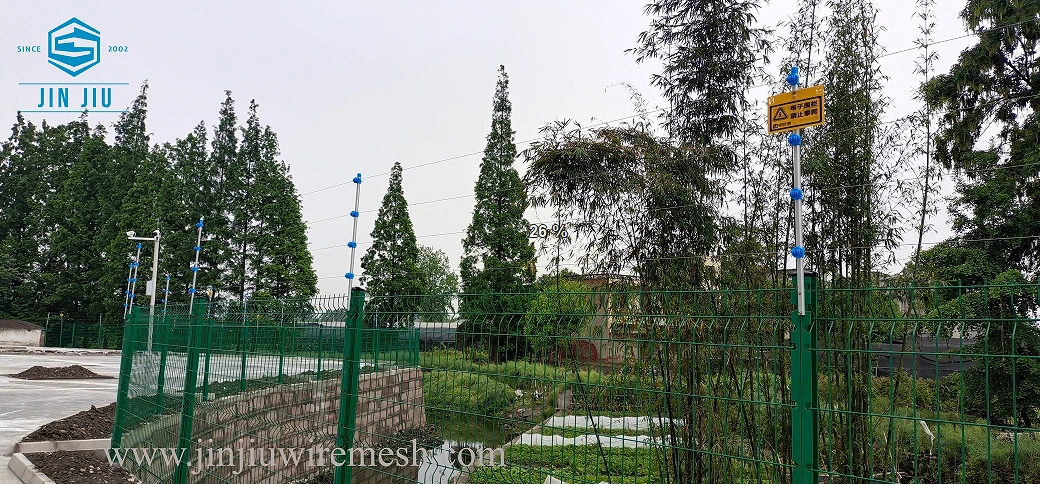
In the realm of global security, the distinction between a standard boundary and a high-security perimeter is often defined by the technology pulsing through the wires.
2027-04-14 00:00:00
Engineering Resilience with Explosion Proof Defensive Barriers
In an era where industrial safety and national security are increasingly intertwined, the necessity for specialized protection in volatile environments has never been higher.


 English
  Albanian
  Arabic
  Bengali
  Czech
Czech  Danish
  Dutch
Dutch  Finnish
  French
  German
  Japanese
  Malay
Malay  Persian
  Polish
  Portuguese
  Romanian
  Russian
  Serbian
  Spanish
  Swahili