





Hebei Jinjiu Metal Products Co.,Ltd


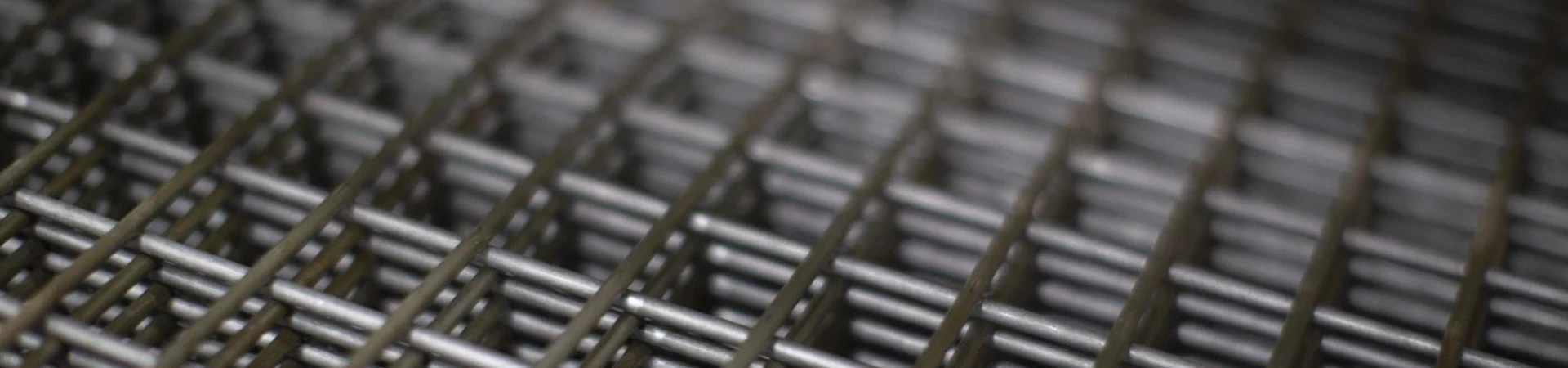

Warfare Tank Barrier Wire Mesh: Essential Defense Mesh for Modern Security
Nov . 30, 2025 12:05
The Growing Importance of Warfare Tank Barrier Wire Mesh in Global Security
When you first hear the term warfare tank barrier wire mesh, it might conjure images of battlefields and armored defenses. Indeed, this specialized wire mesh plays a crucial role in modern defense infrastructure around the world, acting as a formidable barrier against the movement of armored vehicles, especially tanks. But beyond the battlefield, its applications ripple across industries and even humanitarian efforts, making it a fascinating subject with real-world urgency.
Globally, conflicts and the need for border security have risen in parallel with political tensions and threats from sophisticated armored vehicles. According to data from the UN and World Bank, defense spending surged over the past decade, reflecting a renewed emphasis on battlefield defenses—including physical barriers. Yet, the challenge remains: how to create systems that are robust, cost-effective, and quickly deployable while minimizing environmental impact.
Understanding warfare tank barrier wire mesh isn’t just for military strategists or engineers. It’s increasingly relevant for governments, contractors, and NGOs involved in conflict zones, peacekeeping, and post-conflict reconstruction.
Mini takeaway: Warfare tank barrier wire mesh is a vital, evolving technology bridging defense needs and practical engineering, with implications beyond just military zones.What Exactly Is Warfare Tank Barrier Wire Mesh?
Simply put, warfare tank barrier wire mesh is a type of heavy-duty welded or woven wire mesh designed to withstand, disrupt, or delay the advance of tanks and other armored vehicles. Unlike regular fencing, this mesh is constructed from high-tensile steel wires, often galvanized or coated for added corrosion resistance.
Its connection to modern industry and humanitarian contexts is quite direct: in conflict zones, it defends strategic points such as supply lines and borders; in post-conflict settings, it provides secure perimeter fencing during reconstruction or refugee resettlement. Interestingly, industries that require perimeter security against heavy machinery—in mining or heavy industry—sometimes use these meshes adapted to their unique needs.
Core Components of Warfare Tank Barrier Wire Mesh
1. Durability and Strength
One can’t talk about tank barrier mesh without emphasizing its ability to absorb high-impact forces. The steel wires are often 4 to 10 mm thick and configured in grid patterns balancing flexibility and rigidity. This ensures tanks can’t simply crush the barrier but meet resistance that slows or stops progression.
2. Scalability and Modularity
Practical use often demands modular panels that can be quickly assembled in various configurations. This allows troops or engineers to customize barriers for diverse terrain—mountains, deserts, urban areas—with minimal delay. The mesh panels are often designed to connect seamlessly, facilitating rapid deployment.
3. Corrosion Resistance and Longevity
Since military deployments can last months or years outdoors, wire meshes are galvanized or coated with polymer layers to withstand harsh weather conditions. This extends lifespan and ensures reliability in adverse environments, from humid jungles to arid deserts.
4. Ease of Deployment
Despite being heavy-duty, many tank barrier wire meshes are engineered for relatively quick setup, sometimes with no heavy machinery needed. This feature is crucial for active defense zones where time is of essence, and logistics might be constrained.
5. Cost Effectiveness
While the upfront cost isn’t insignificant, their long lifespan and effectiveness typically result in lower operational expenses compared to other anti-vehicle defenses, like concrete blocks or explosive methods.
Mini takeaway: These characteristics make warfare tank barrier wire mesh a flexible and economical solution in high-stakes environments.Real-World Applications & Use Cases
Across the globe, warfare tank barrier wire mesh finds a wide array of practical uses:
- Southeast Asia & the Middle East: Often used around military bases and checkpoints, delaying hostile tank movements or protecting critical infrastructure.
- Post-Conflict Africa: NGOs and UN peacekeepers use these barriers to secure refugee camps and rebuild areas affected by war.
- Industrial Zones: Mining companies employ specially adapted wire mesh barriers to prevent uncontrolled vehicle movement and protect sensitive areas.
- Border Security: Countries with volatile frontiers, such as parts of Eastern Europe and Central Asia, install them where drones and patrols may be insufficient.
A notable example is the protection of peacekeeping bases in Mali, where rapid deployment of anti-tank mesh barriers helped reduce vehicle-borne threats. In disaster relief zones in Syria, such fencing also secured temporary camps, showing its versatility.
Advantages & Why It Matters Long-Term
The benefits go beyond just physical protection:
- Reliability: Engineers often cite the consistency of quality and toughness compared to improvised or older methods.
- Sustainability: Unlike concrete or earthworks, wire mesh can be reused or recycled—quite the plus as many defense organizations shift toward greener practices.
- Safety & Trust: When you install such barriers, you create a sense of controlled territory—boosting morale among friendly forces or displaced civilians.
- Cost Savings: Reduced need for manpower and heavy equipment cuts operational expenses in the long run.
- Innovation: Emerging coatings and manufacturing improve performance continually, keeping these barriers relevant for decades.
Warfare Tank Barrier Wire Mesh Specifications
| Specification | Details |
|---|---|
| Material | High-tensile galvanized steel wire |
| Wire Diameter | 6mm – 10mm |
| Panel Size | 2m x 3m typical, customizable |
| Finish | Hot-dip galvanized, polymer coated options |
| Weight per panel | ~35 – 50 kg |
| Connection Type | Bolt and clamp modular system |
How Vendors Stack Up: A Quick Comparison
| Vendor | Material Quality | Lead Time | Customization Options | Typical Clients |
|---|---|---|---|---|
| SteelShield Corp | Premium galvanized steel | 4-6 weeks | Panel size, coatings | Military, governments |
| FortiMesh Solutions | Standard high-tensile | 2-4 weeks | Wire gauge, quick-link mods | NGOs, defense contractors |
| IronGuard Industries | Reinforced steel with polymer coating | 6-8 weeks | Color coatings, custom meshes | Military, industrial clients |
Looking Ahead: Innovations and Future Trends
The world of warfare tank barrier wire mesh is not standing still. Industry experts are exploring composites that combine steel with lighter, more resilient materials like carbon fiber to reduce weight while maintaining strength. There’s also increasing adoption of anti-corrosion nano-coatings, which promise to triple expected lifespan without bulk.
On the digital front, integrating sensors or RFID tags into mesh panels for real-time monitoring of breaches and wear is moving from concept to deployment. It suddenly feels less like a static barrier and more like a smart, interactive defense system.
Environmentally, the push toward sustainable manufacturing and recyclable components means these meshes will have a lighter ecological footprint, aligning with various ISO environmental standards (like ISO 14001).
Challenges & How They Are Being Tackled
Not everything is rosy. The heavy weight involves logistic issues, especially in rough terrain, and supply chain delays can make rapid deployment tricky. Moreover, extreme weather sometimes damages coatings quicker than expected, leading to maintenance challenges.
Solutions? Modular designs focus on lighter but strong alloys. Also, pre-treatment of wires and layering with innovative coatings reduce weathering. And on logistics, some vendors now provide 'ready-to-go' mesh kits that dramatically cut assembly and transport times.
Frequently Asked Questions About Warfare Tank Barrier Wire Mesh
- What makes warfare tank barrier wire mesh different from conventional fencing?
- The key difference lies in material strength and design. Tank barrier mesh uses thicker, high-tensile steel wires arranged in a grid that resists crushing and cutting, while typical fencing prioritizes visibility or animal containment. This mesh is built for active defense against heavy vehicles.
- How quickly can these barriers be deployed in a conflict zone?
- Deployment times vary, but modular panel designs allow trained teams to install barriers over several hundred meters in a few hours without heavy machinery, depending on the terrain and accessibility.
- Are there environmentally friendly options available?
- Yes, many manufacturers now offer galvanization with lower-impact processes and polymer coatings that extend lifespan, reducing waste. Recyclability of steel ensures old meshes can be reused or recycled, aligning with sustainability goals.
- Can these meshes be repurposed after military use?
- Absolutely. Many organizations use retired mesh panels for civilian infrastructure protection, industrial fencing, or even artistic installations. Their durability and modularity make them versatile beyond defense.
- How can international NGOs source these barriers effectively?
- NGOs should work with reputable suppliers offering transparency on lead times and certification compliance. Vendors like warfare tank barrier wire mesh specialists often provide global shipping options and support in customs for smoother international transactions.
Conclusion and Next Steps
Long story short, warfare tank barrier wire mesh isn’t just battlefield equipment — it’s a multi-purpose, evolving technology bridging security, engineering, and even humanitarian needs. Its scalable design, resilience, and emerging smart features make it a compelling choice for protecting people and assets around the globe.
If you’re involved in defense, relief, or infrastructure, exploring the latest in warfare tank barrier wire mesh technology can equip you for challenges ahead. For more detailed products and expert guidance, visit our website.
References:

Related Products

Related News


2026-03-16 14:21:07
Discover durable farming solutions and flexible animal containment with hinge-knot field fence. Combining impact-resistant design and customizable options, Hebei Jinjiu ensures quality for agricultural applications. Explore now: https://www.jinjiuwiremesh.com/field-fencefarm-fence.html
2026-03-16 14:21:07
Discover durable farming solutions and flexible animal containment with hinge-knot field fence. Combining impact-resistant design and customizable options, Hebei Jinjiu ensures quality for agricultural applications. Explore now: https://www.jinjiuwiremesh.com/field-fencefarm-fence.html
2027-04-14 00:00:00
Discover durable farming solutions and flexible animal containment with hinge-knot field fence. Combining impact-resistant design and customizable options, Hebei Jinjiu ensures quality for agricultural applications. Explore now: https://www.jinjiuwiremesh.com/field-fencefarm-fence.html
2026-02-25 15:31:06
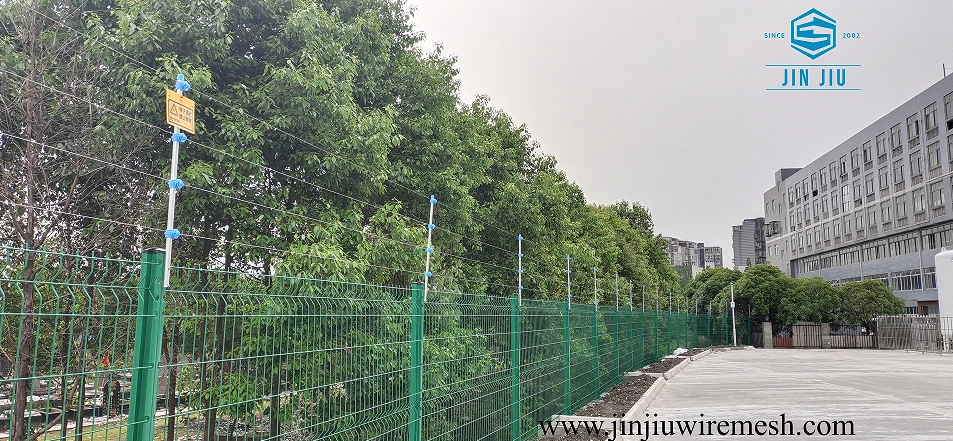
The Strategic Role of the Industrial Electric Fence in Modern Commerce
The protection of corporate and manufacturing assets has transitioned from a matter of simple boundary marking to a complex necessity of risk management.
2026-02-25 15:29:03
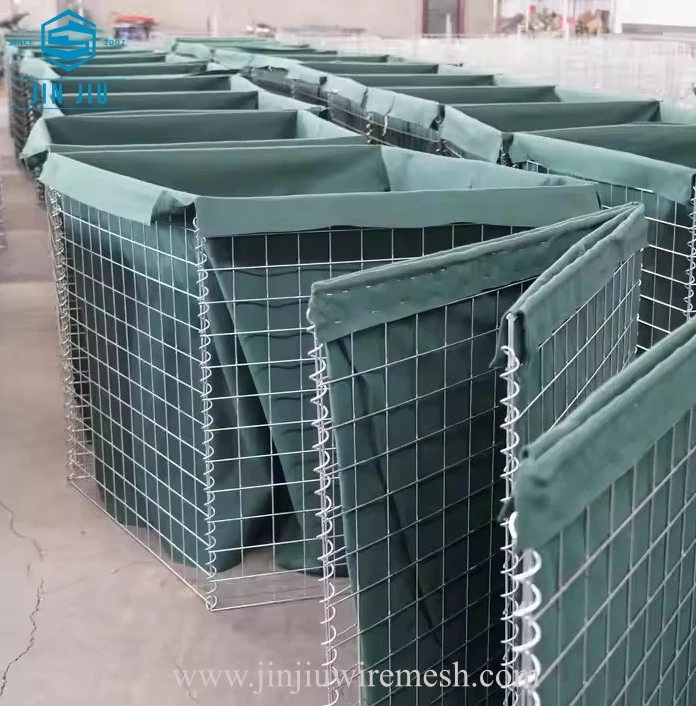
The Evolution of Physical Protection: Bullet Resistant Defensive Barriers in Modern Security
In an increasingly unpredictable global landscape, the requirement for high-level ballistic protection has moved beyond the battlefield and into the core of civilian and industrial security infrastructure.
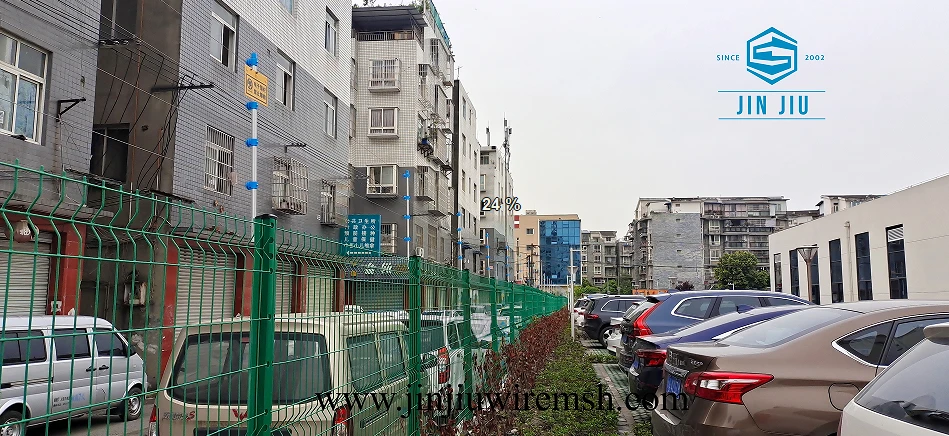
2026-02-25 15:26:58
The Digital Backbone of Modern Security: Connected Pulse Monitoring Electric Fence Architecture
The traditional concept of a perimeter has undergone a fundamental transformation.
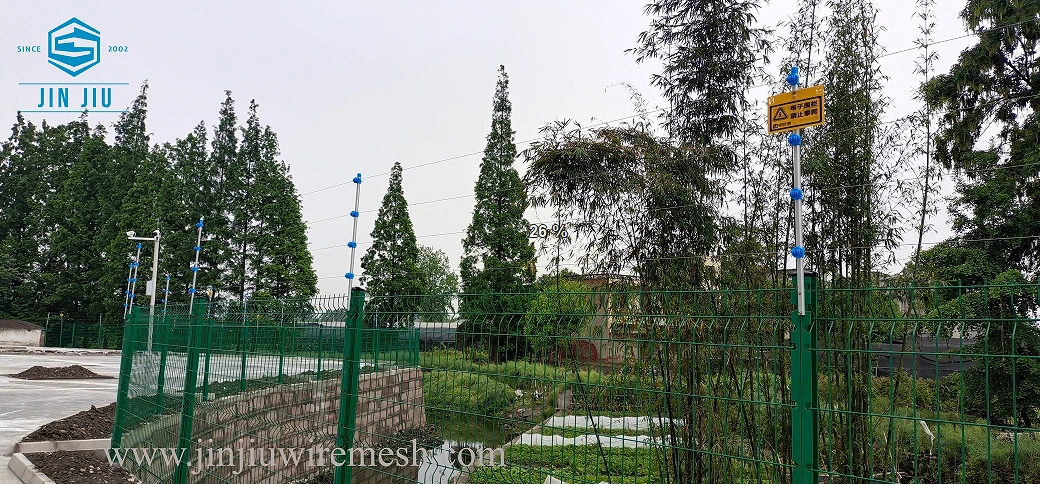
2026-02-25 15:24:13
Securing the Unreachable with a Powerful Pulse Electric Fence
In the realm of global security, the distinction between a standard boundary and a high-security perimeter is often defined by the technology pulsing through the wires.
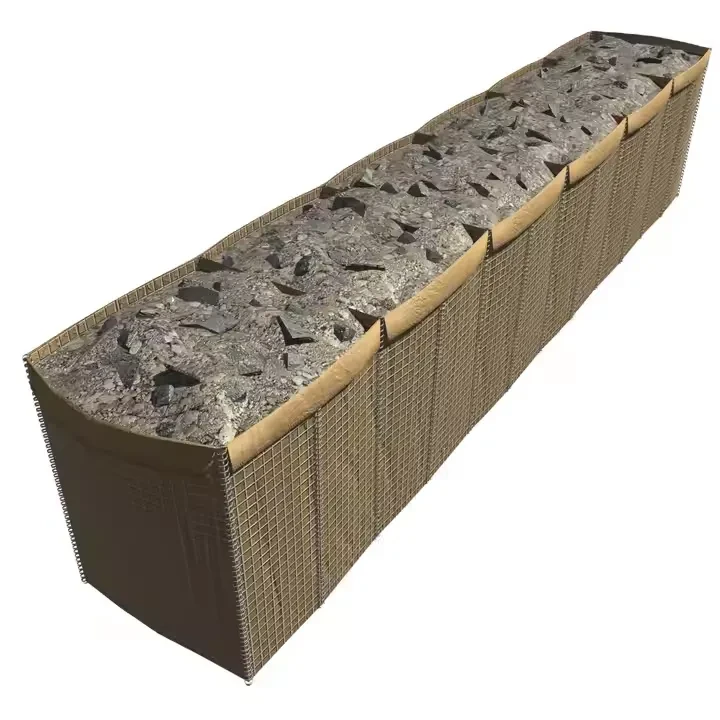
2027-04-14 00:00:00
Engineering Resilience with Explosion Proof Defensive Barriers
In an era where industrial safety and national security are increasingly intertwined, the necessity for specialized protection in volatile environments has never been higher.


 English
  Albanian
  Arabic
  Bengali
  Czech
Czech  Danish
  Dutch
Dutch  Finnish
  French
  German
  Japanese
  Malay
Malay  Persian
  Polish
  Portuguese
  Romanian
  Russian
  Serbian
  Spanish
  Swahili