





Hebei Jinjiu Metal Products Co.,Ltd


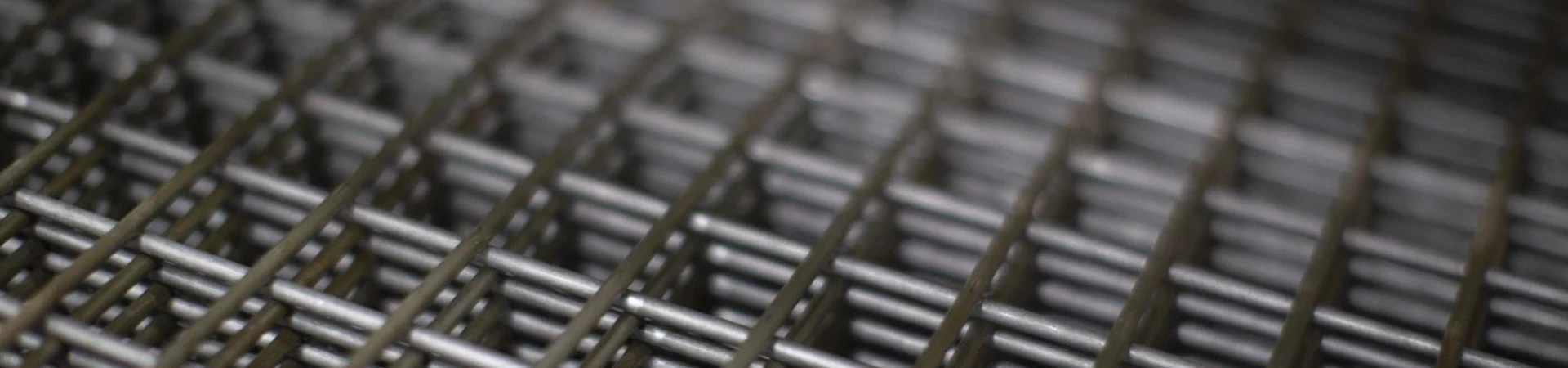

What is a Security KN Tank Wire Mesh Barrier? Comprehensive Guide & Applications
Dec . 02, 2025 14:50
Understanding the Security KN Tank Wire Mesh Barrier
The security kn tank wire mesh barrier might sound like a mouthful at first, but it’s really quite an essential component in today’s industrial and security landscapes. Simply put, these barriers combine robust construction with flexibility, serving to protect tanks—often holding sensitive or hazardous materials—from unauthorized access or physical threats. Globally, as industries and infrastructures become increasingly interconnected, ensuring the integrity and safety of storage tanks used in everything from energy to water treatment becomes paramount.
Why does this matter? Well, accidents, sabotage, and unauthorized intrusions not only cause financial losses but can lead to environmental disasters or even jeopardize human lives. That’s why understanding the benefits and applications of these wire mesh barriers makes real sense—not just for engineers or security professionals, but anyone invested in sustainable, safe operations.
Global Context: The Growing Need for Tank Security
Industries worldwide handle millions of tons of liquids and gases stored in tanks daily. According to ISO standards on industrial safety and UN environmental reports, breaches in tank security have caused notable incidents in the past decade, costing billions and sometimes hurting ecosystems irreparably. The rise in global terrorism and increased industrial espionage has also upped the stakes.
In real terms, think about remote oil fields in the Middle East or chemical plants in Southeast Asia: they face not only physical wear from harsh climates but also security challenges from unauthorized access. Traditional fencing often falls short, lacking durability or visibility. That’s where the security kn tank wire mesh barrier comes in—it’s designed to be a sturdy, scalable, and clear security solution.
What Exactly Is a Security KN Tank Wire Mesh Barrier?
At its core, this system is a heavy-duty wire mesh barrier specifically engineered to encase and safeguard storage tanks, especially those containing fuels, chemicals, or valuable liquids. The “KN” typically references a specific tensile strength or knotting style adapted for enhanced durability, though different manufacturers might use this designation slightly differently.
The beauty of these barriers lies in their design: they allow for visibility, which is crucial for ongoing inspections, yet provide a formidable physical blockade. They often come with corrosion-resistant finishes to withstand years of exposure to weather and industrial pollutants, making them perfect for outdoor and often harsh environments.
Key Components of Security KN Tank Wire Mesh Barrier
1. Durability
Manufactured using galvanized steel or stainless steel wire, these barriers resist rust and mechanical wear. This means they last long without significant maintenance, even in salty coastal or industrial air conditions.
2. Scalability
Modular panels or rolls of wire mesh allow quick installation around tanks of various sizes. This modularity means upgrades or expansions are straightforward.
3. Visibility and Safety
Unlike solid walls, these mesh barriers allow light and line-of-sight, helping security personnel monitor tanks without blind spots and ensuring safety during maintenance operations.
4. Cost Efficiency
Compared to concrete or solid fencing, wire mesh solutions typically require less capital upfront and lower operational costs owing to easier installation and minimal upkeep.
5. Adaptability
Mesh barriers can be combined with sensors or surveillance systems, integrating with modern security frameworks.
Global Applications & Use Cases
The security kn tank wire mesh barrier finds utility across numerous sectors and geographies:
- Oil & Gas Industry: In regions like the Middle East, these barriers help protect oil storage tanks from environmental hazards and unauthorized access.
- Chemical Plants: European and North American facilities use them to comply with stringent environmental safety regulations.
- Water Treatment Facilities: In developing regions, securing potable water tanks preserves public health and infrastructure.
- Post-Disaster Relief: Sometimes deployed in emergency sites to safeguard fuel or water supplies temporarily.
For example, in remote industrial zones in Australia, operators credit these mesh barriers with reducing theft and accidental damage during high wind events.
Advantages and Long-Term Value
So, what makes these barriers such a compelling choice? First, the tangible financial savings from preventing theft, sabotage, and costly repairs are significant. But beyond that:
- Sustainability: The corrosion-resistant materials can often be recycled or repurposed after decades of service.
- Social Impact: Protecting infrastructure reduces environmental risks and potential public health crises.
- Reliability: These barriers perform consistently over many years, fostering trust in safety protocols.
- Peace of Mind: There’s an emotional benefit to knowing critical assets are shielded effectively—something operators and communities appreciate.
Product Specifications at a Glance
| Specification | Typical Value |
|---|---|
| Material | Galvanized or Stainless Steel Wire |
| Mesh Size | 50 mm x 50 mm (customizable) |
| Wire Diameter | 3.0 - 6.0 mm |
| Corrosion Resistance | 10+ years in moderate industrial environment |
| Installation Time | 2-4 hours per 10-meter panel (typical crew) |
Vendor Comparisons
| Feature | Jinjiu Wire Mesh | Competitor A | Competitor B |
|---|---|---|---|
| Corrosion Resistance | Galvanized + PVC Coating | Galvanized Only | Stainless Steel (higher cost) |
| Customization Options | High (mesh size, color, panels) | Medium | Low (standard sizes) |
| Delivery Time | 2-3 weeks | 4-6 weeks | 3-5 weeks |
| Price Level | Moderate | Low | High |
Future Trends & Innovations
As green energy and sustainability become central, mesh barriers are evolving. Some manufacturers now offer coatings derived from eco-friendly materials, reducing environmental footprints. Next-gen security kn tank wire mesh barriers may integrate fiber optic monitoring for intrusion detection or include solar-powered illumination systems to enhance night visibility without adding to energy costs.
Automated fence monitoring and quick-release panels for emergency access are also being tested. It’s odd but reassuring how even something as “simple” as a wire mesh barrier is becoming a part of the digital transformation sweeping industrial security worldwide.
Challenges and Expert Solutions
Not everything is perfect, though. One challenge is that in highly corrosive environments (think chemical plants with aggressive agents), even galvanized steel meshes can degrade faster than expected. Experts recommend pairing the mesh with frequent maintenance checks and sometimes using stainless steel in these settings.
Another limitation is installation in uneven terrain around tanks, which may require custom mounting systems. Fortunately, companies like Jinjiu Wire Mesh offer tailored solutions to overcome these obstacles without compromising the barrier’s effectiveness.
FAQ: Frequently Asked Questions About Security KN Tank Wire Mesh Barrier
Q1: How long can a security kn tank wire mesh barrier last outdoors?
A: Typically, with proper galvanized or PVC-coated finishes, these barriers last 10 to 15 years. Environmental factors like humidity and pollution can slightly reduce lifespan.
Q2: Can these barriers be installed on existing tanks without major modifications?
A: Yes. Their modular, flexible design allows retrofitting around existing tanks with minimal disruption.
Q3: Are security kn tank wire mesh barriers customizable for different tank sizes?
A: Absolutely. Panels and mesh sizes can be tailored to accommodate tanks of varying dimensions and shapes.
Q4: Can these barriers integrate with electronic security systems?
A: Yes. Many customers combine wire mesh barriers with sensors and cameras for enhanced monitoring.
Conclusion
In a nutshell, the security kn tank wire mesh barrier is more than just a fence. It’s a vital line of defense for industries handling sensitive liquids and gases, a cost-effective safety solution that balances visibility with security, durability with flexibility. Embracing these barriers means safeguarding assets, protecting people, and committing to long-term sustainable operations.
If your operation needs reliable tank protection or you want to explore custom solutions, visit Jinjiu Wire Mesh's website today and see how a trusted industry leader can help.
Mini takeaway: When securing industrial tanks, smart, durable, and customizable mesh barriers aren’t just practical—they’re indispensable for modern safety and environmental stewardship.
References:
1. ISO 9001 & ISO 14001 Standards on Industrial Safety and Environmental Management.
2. United Nations Environment Programme Reports on Industrial Pollution.
3. World Bank Data on Global Industrial Safety & Security.

Related Products

Related News


2026-03-16 14:21:07
Discover durable farming solutions and flexible animal containment with hinge-knot field fence. Combining impact-resistant design and customizable options, Hebei Jinjiu ensures quality for agricultural applications. Explore now: https://www.jinjiuwiremesh.com/field-fencefarm-fence.html
2026-03-16 14:21:07
Discover durable farming solutions and flexible animal containment with hinge-knot field fence. Combining impact-resistant design and customizable options, Hebei Jinjiu ensures quality for agricultural applications. Explore now: https://www.jinjiuwiremesh.com/field-fencefarm-fence.html
2027-04-14 00:00:00
Discover durable farming solutions and flexible animal containment with hinge-knot field fence. Combining impact-resistant design and customizable options, Hebei Jinjiu ensures quality for agricultural applications. Explore now: https://www.jinjiuwiremesh.com/field-fencefarm-fence.html
2026-02-25 15:31:06
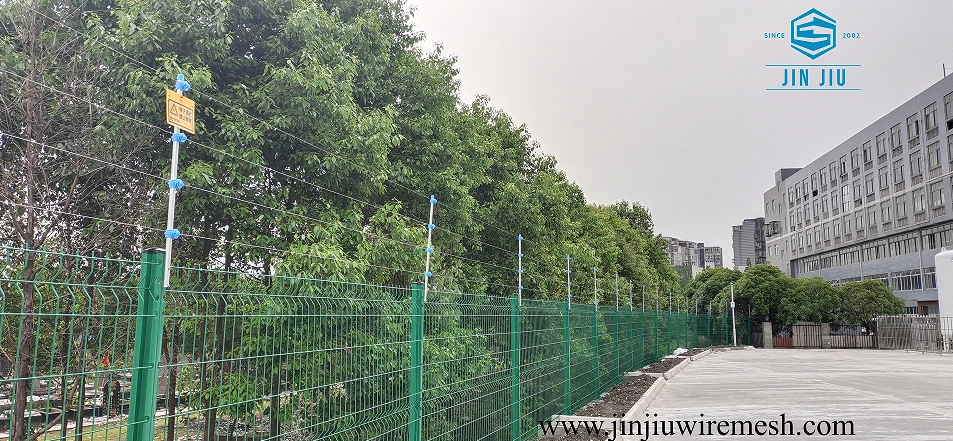
The Strategic Role of the Industrial Electric Fence in Modern Commerce
The protection of corporate and manufacturing assets has transitioned from a matter of simple boundary marking to a complex necessity of risk management.
2026-02-25 15:29:03
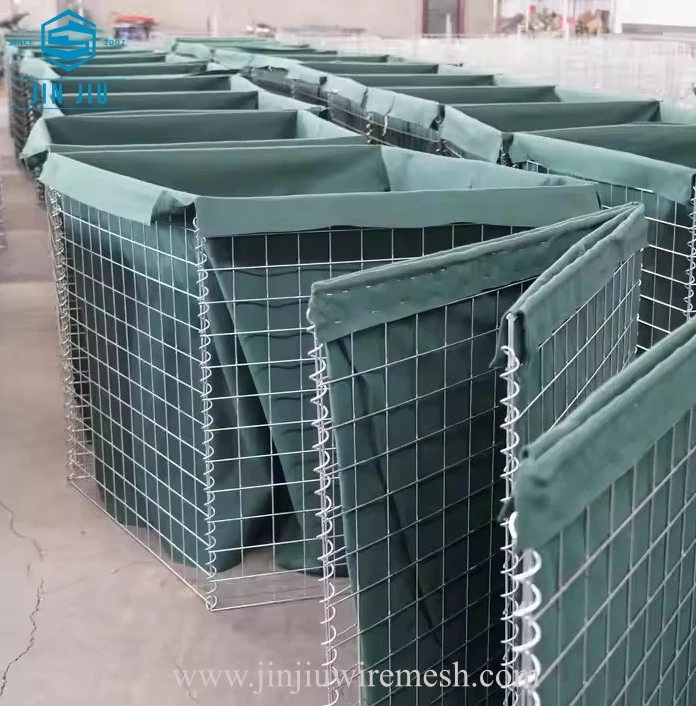
The Evolution of Physical Protection: Bullet Resistant Defensive Barriers in Modern Security
In an increasingly unpredictable global landscape, the requirement for high-level ballistic protection has moved beyond the battlefield and into the core of civilian and industrial security infrastructure.
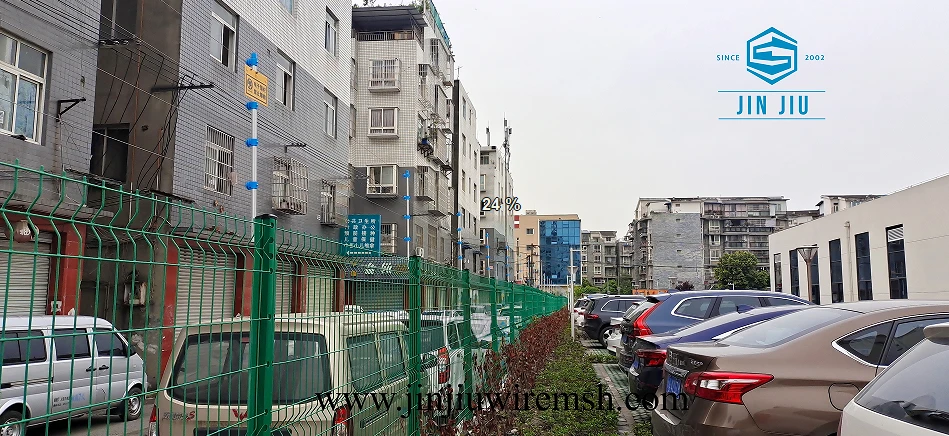
2026-02-25 15:26:58
The Digital Backbone of Modern Security: Connected Pulse Monitoring Electric Fence Architecture
The traditional concept of a perimeter has undergone a fundamental transformation.
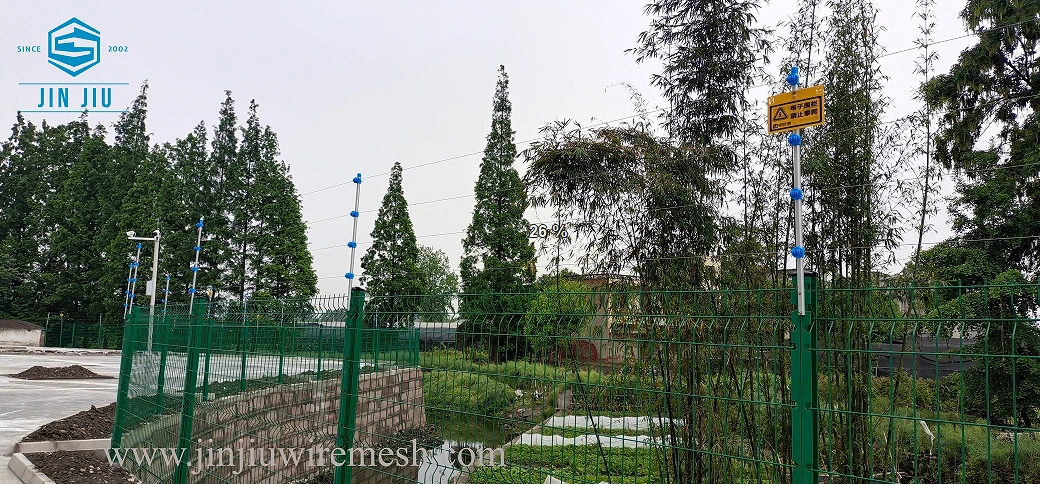
2026-02-25 15:24:13
Securing the Unreachable with a Powerful Pulse Electric Fence
In the realm of global security, the distinction between a standard boundary and a high-security perimeter is often defined by the technology pulsing through the wires.
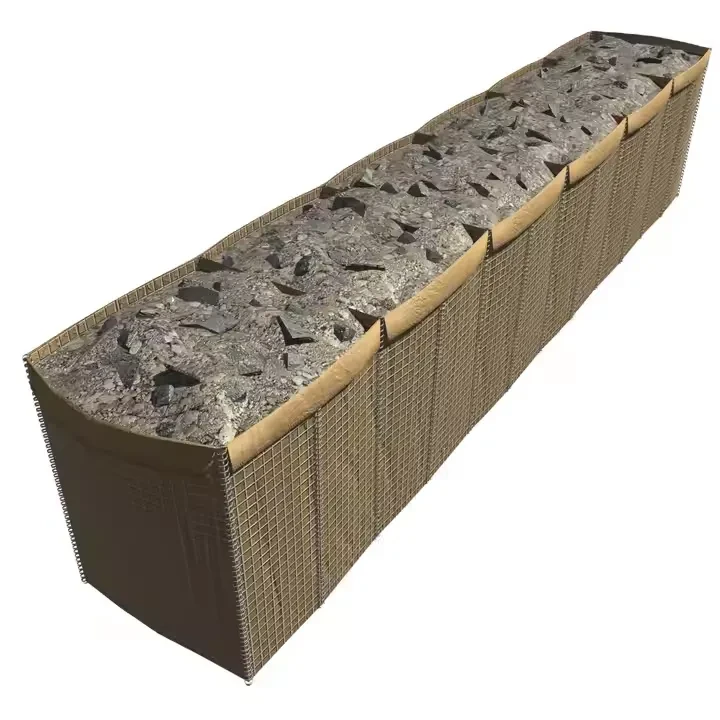
2027-04-14 00:00:00
Engineering Resilience with Explosion Proof Defensive Barriers
In an era where industrial safety and national security are increasingly intertwined, the necessity for specialized protection in volatile environments has never been higher.


 English
  Albanian
  Arabic
  Bengali
  Czech
Czech  Danish
  Dutch
Dutch  Finnish
  French
  German
  Japanese
  Malay
Malay  Persian
  Polish
  Portuguese
  Romanian
  Russian
  Serbian
  Spanish
  Swahili