





Hebei Jinjiu Metal Products Co.,Ltd



What is mzp putanka barrier mesh? Global Overview, Uses, and Innovations
Dec . 02, 2025 10:30
Understanding mzp putanka barrier mesh: Global Applications and Innovations
If you’ve never heard of mzp putanka barrier mesh, it’s easy to overlook how critical a role such specialized mesh products play across various industries worldwide. Whether it’s flood control, military defense, or construction safety, this kind of barrier mesh is indispensable. Frankly, the global community faces increasing challenges like climate change, rapid urbanization, and complex humanitarian crises. Understanding what mzp putanka barrier mesh is, and why it matters, sheds light on practical, scalable solutions that many governments and NGOs are relying on today.
Introduction: The Global Significance of mzp putanka barrier mesh
In a world that's increasingly vulnerable to natural disasters and political unrest, robust, flexible, and cost-effective barriers are vital. For example, the United Nations Office for Disaster Risk Reduction emphasizes resilient infrastructure as a core pillar for sustainable development. Mzp putanka barrier mesh fits neatly into this narrative—it's part of a broader toolkit to mitigate risks.
Data from the World Bank estimates that infrastructure damage from disasters costs developing countries billions each year. Barrier meshes designed to quickly protect assets or channel water flows are a tactical response. However, challenges include durability under harsh conditions and rapid deployment capacity, which the emerging innovations in mzp putanka products aim to address.
What is mzp putanka barrier mesh?
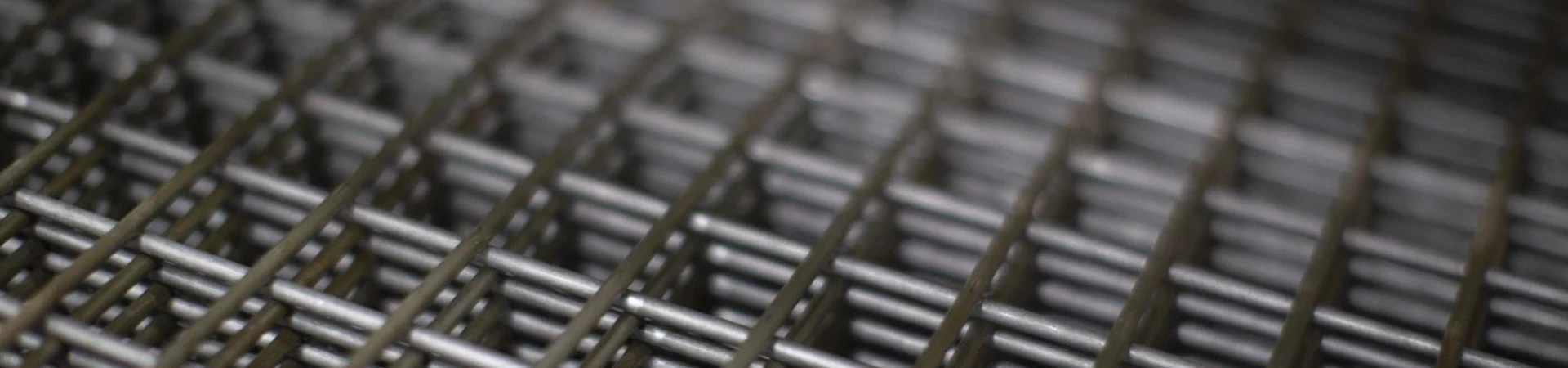
At its core, mzp putanka barrier mesh is a specialized wire mesh designed to form physical barriers for protection and containment purposes in various environments. The “mzp” (which is a brand or product type designation you’ll come across) and “putanka” roughly identify the specific weave style and mesh material optimized for strength and flexibility. These meshes are crafted to be resilient, lightweight, and adaptable, which naturally links to their growing use in industries like civil engineering, security, and humanitarian aid.
In humanitarian contexts, for instance, the mesh is used to build temporary fences, containment walls, and flood barriers that protect displaced communities from environmental dangers or unsafe zones.
Key Components of mzp putanka barrier mesh
Durability
This barrier mesh is typically manufactured from galvanized steel wires or coated alloys, ensuring resistance to corrosion even in harsh marine or chemical environments. This durability aspect significantly prolongs the mesh’s lifecycle and practical utility.
Scalability
One of the mesh’s standout features is its modularity—panels can be connected or customized easily on-site without heavy machinery, facilitating quick deployment over various terrains or structures.
Cost Efficiency
While materials like stainless steel might elevate costs, the use of galvanized steel balances durability with affordability. This cost-effectiveness is vital for large-scale projects or NGOs working within tight budgets.
Environmental Resistance
The mesh is engineered to withstand UV exposure, fluctuating weather patterns, and mechanical stress without warp or loss of integrity.
Ease of Transport and Installation
Packaged compactly and designed with weight in mind, the mesh reduces logistical challenges especially in remote or disaster-stricken areas.
Product Specifications
| Specification | Details |
|---|---|
| Material | Galvanized Steel (High tensile strength) |
| Mesh Size | 25mm x 25mm standard (customizable) |
| Coating | Zinc coating, with optional PVC layer |
| Panel Dimensions | 2m x 3m typical |
| Weight | 15-20 kg per panel |
| UV Resistance | Up to 10 years |
Global Applications & Use Cases
So where do organizations use mzp putanka barrier meshes in the wild? Oddly enough, their versatility brings them to very different fields:
- Disaster Relief & Flood Control: In flood-prone regions like Bangladesh or parts of Southeast Asia, these barriers help divert water or create floodwalls quickly after early warning alerts.
- Military and Security: The mesh is deployed in field fortifications or checkpoint perimeter fencing due to its combined toughness and ease of transport.
- Agriculture: It’s used for livestock containment or crop protection from wildlife intrusion in Africa and Australia.
- Construction Safety: Temporary fencing on construction sites to protect workers and pedestrians.
- Environmental Protection: Prevent erosion on slopes or protect sensitive wetland habitats.
One vivid example is a remote industrial zone in Kenya that used semi-permanent mzp putanka barriers to secure equipment while allowing rapid disassembly when needed.
Vendor Comparison: Major Suppliers of Mzp Putanka Barrier Mesh
| Brand | Material Quality | Customization | Global Reach | Price Range |
|---|---|---|---|---|
| Jinjiu Wire Mesh | High-grade galvanized steel with PVC coating option | Full panel customization available | Ships internationally, strong logistics network | Moderate |
| Global Mesh Solutions | Standard galvanized steel | Limited sizes | Primarily North America & Europe | Higher-end |
| EcoBarrier Tech | Recycled steel composites | Custom orders possible, slower turnaround | Focused on Asia-Pacific | Competitive |
Advantages & Long-Term Value
The advantages of mzp putanka barrier mesh aren’t just technical — they ripple out socially and economically. Cost savings come from reusability and low maintenance, meaning once installed, there’s comparatively little upkeep. For communities, the mesh often represents safety and dependable protection — a tangible barrier against floods, threats, or accidents.
Moreover, lots of engineers I’ve spoken with highlight how the material’s sustainability profile is improving, especially with zinc coatings reducing environmental impact and innovations in recyclable production methods. You know, it feels like a win-win—a tool that is practical but also responsible.
Future Trends & Innovations
The future looks bright (literally) with new coatings that incorporate UV-resistant polymers extending lifespan beyond a decade in many environments. Automation in mesh weaving and cutting is streamlining production, making custom panels more accessible and affordable.
There’s buzz about integrating smart sensor technology into barrier meshes – think structural health monitoring to alert about stress or damage in real-time. This could revolutionize preventive maintenance and safety.
Sustainability remains a major driver too, with a shift toward biodegradable or recycled materials becoming mainstream, fostered by ISO standards pushing green manufacturing practices globally.
Challenges & Solutions
Of course, nothing’s perfect. Challenges include occasional supply chain delays due to raw material costs and local regulations restricting import/export in vulnerable regions. Installation sometimes requires skilled labor unknown to local providers, leading to inefficiencies.
Innovative responses are emerging: remote training via augmented reality helps onsite workers in real time, while modular kits reduce complexity. Also, partnerships between manufacturers and NGOs have begun to tackle compliance and logistics collaboratively.
FAQ: Frequently Asked Questions About mzp putanka barrier mesh
- What is the typical lifespan of mzp putanka barrier mesh in tropical climates?
Generally, panels last 8 to 10 years in tropical environments when properly galvanized and coated, resisting corrosion and UV damage effectively. - Can mzp putanka barrier mesh be customized for unusual terrain?
Yes, this mesh is highly modular and panels can be cut or joined to fit slopes, curves, and uneven surfaces, making it adaptable for rugged deployment. - Is it environmentally sustainable?
Yes. Many manufacturers now incorporate recycled steel and eco-friendly coatings to reduce environmental footprints, meeting ISO sustainability benchmarks. - How fast can mzp putanka barrier mesh be deployed in emergency situations?
Thanks to lightweight design and simple interlocking systems, trained teams can install a km of barrier in under 24 hours, crucial when response time is tight. - What industries benefit most from mzp putanka barrier mesh?
Beyond disaster relief and construction, agriculture, mining, and environmental protection sectors consistently rely on these barriers for containment and safety.
Conclusion
Clearly, the long-term benefits of mzp putanka barrier mesh extend far beyond its physical form. It represents resilience, adaptability, and smarter infrastructure for an unpredictable world. If you’re interested in exploring how these systems might support your next project, I’d suggest visiting trusted suppliers like Jinjiu Wire Mesh to learn more about available options and custom solutions.
So next time you see a flood barrier or temporary fencing on an emergency site, remember there’s a good chance mzp putanka barrier mesh is playing a quiet but vital role in keeping people safe.
Keep an eye on emerging trends—you might be surprised how this simple mesh is growing into a smart, sustainable solution.
Mini takeaway: Mzp putanka barrier mesh is a highly versatile, cost-effective protective material playing a growing role in disaster relief, security, and environmental protection worldwide.
References

Related Products

Related News


2026-03-16 14:21:07
Discover durable farming solutions and flexible animal containment with hinge-knot field fence. Combining impact-resistant design and customizable options, Hebei Jinjiu ensures quality for agricultural applications. Explore now: https://www.jinjiuwiremesh.com/field-fencefarm-fence.html
2026-03-16 14:21:07
Discover durable farming solutions and flexible animal containment with hinge-knot field fence. Combining impact-resistant design and customizable options, Hebei Jinjiu ensures quality for agricultural applications. Explore now: https://www.jinjiuwiremesh.com/field-fencefarm-fence.html
2027-04-14 00:00:00
Discover durable farming solutions and flexible animal containment with hinge-knot field fence. Combining impact-resistant design and customizable options, Hebei Jinjiu ensures quality for agricultural applications. Explore now: https://www.jinjiuwiremesh.com/field-fencefarm-fence.html
2026-02-25 15:31:06
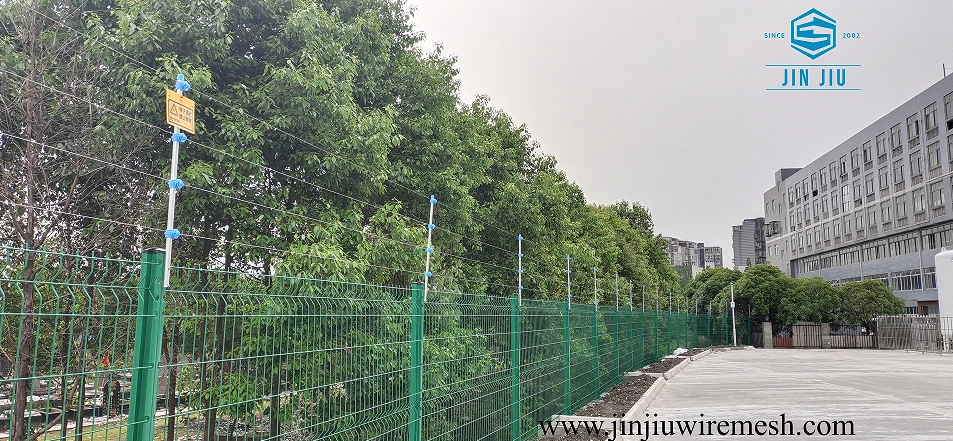
The Strategic Role of the Industrial Electric Fence in Modern Commerce
The protection of corporate and manufacturing assets has transitioned from a matter of simple boundary marking to a complex necessity of risk management.
2026-02-25 15:29:03
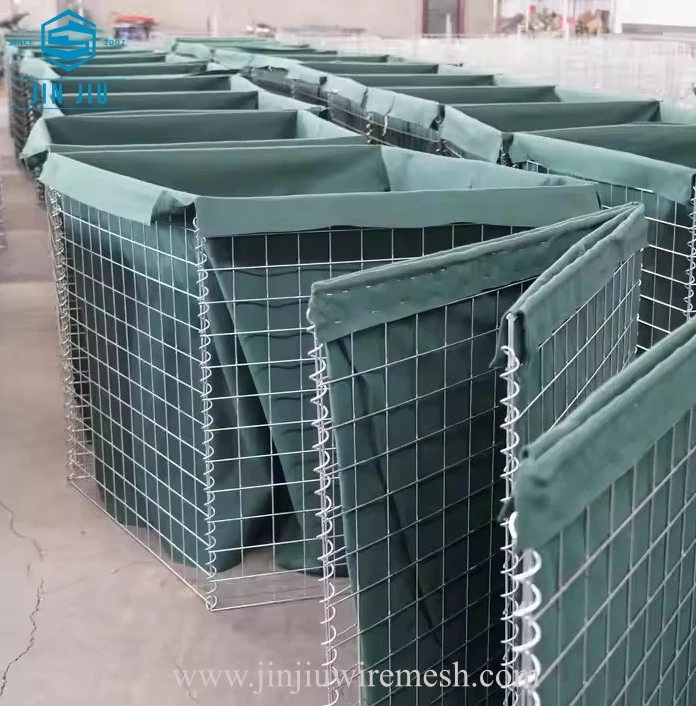
The Evolution of Physical Protection: Bullet Resistant Defensive Barriers in Modern Security
In an increasingly unpredictable global landscape, the requirement for high-level ballistic protection has moved beyond the battlefield and into the core of civilian and industrial security infrastructure.
2026-02-25 15:26:58
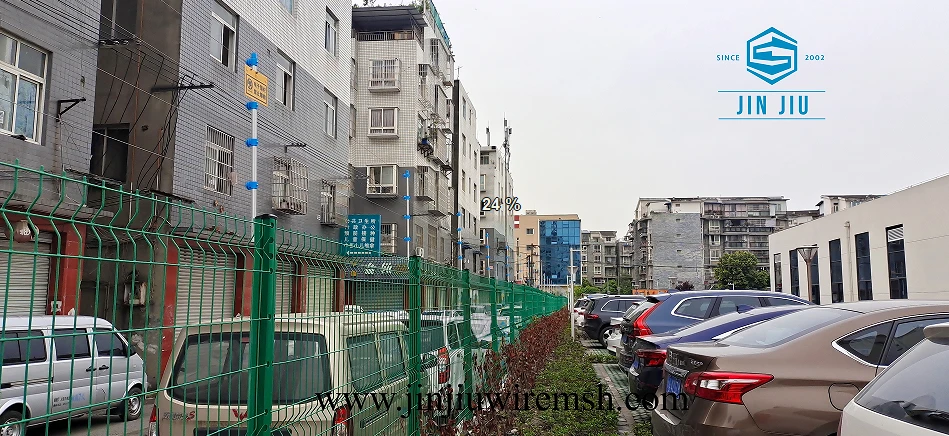
The Digital Backbone of Modern Security: Connected Pulse Monitoring Electric Fence Architecture
The traditional concept of a perimeter has undergone a fundamental transformation.
2026-02-25 15:24:13
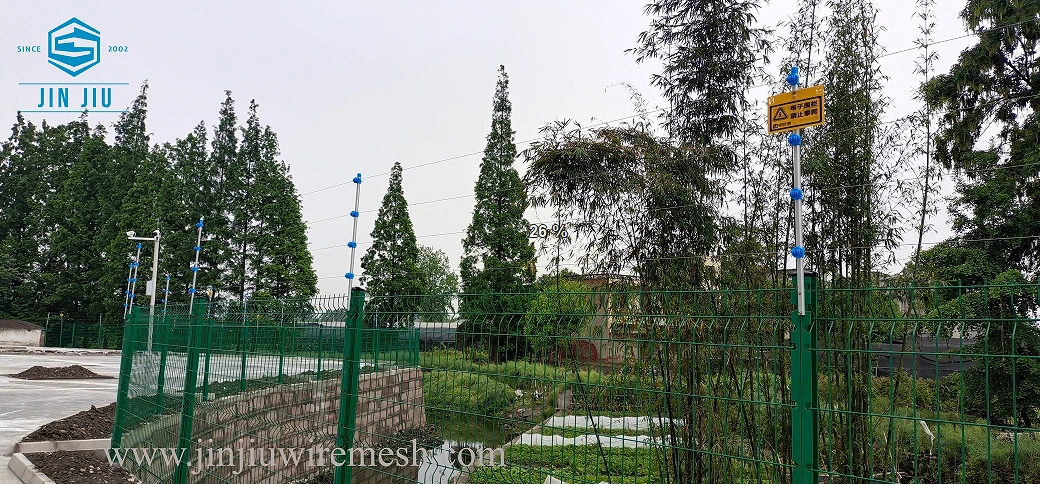
Securing the Unreachable with a Powerful Pulse Electric Fence
In the realm of global security, the distinction between a standard boundary and a high-security perimeter is often defined by the technology pulsing through the wires.
2027-04-14 00:00:00
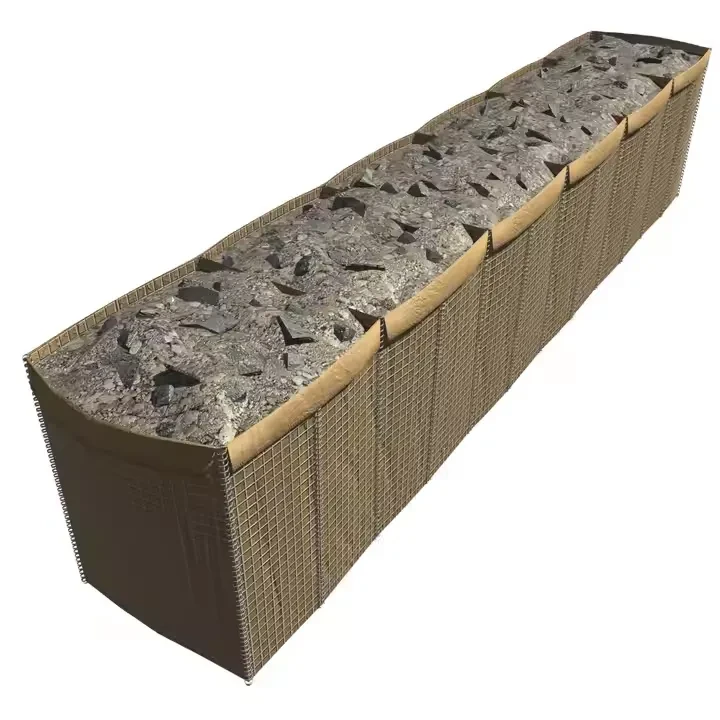
Engineering Resilience with Explosion Proof Defensive Barriers
In an era where industrial safety and national security are increasingly intertwined, the necessity for specialized protection in volatile environments has never been higher.


 English
  Albanian
  Arabic
  Bengali
  Czech
Czech  Danish
  Dutch
Dutch  Finnish
  French
  German
  Japanese
  Malay
Malay  Persian
  Polish
  Portuguese
  Romanian
  Russian
  Serbian
  Spanish
  Swahili