





Hebei Jinjiu Metal Products Co.,Ltd



What Is Security KN Tank Wire Mesh Barrier? Global Uses, Benefits & Trends Explained
Dec . 03, 2025 16:26
Understanding the Value of Security KN Tank Wire Mesh Barrier
At first glance, a security KN tank wire mesh barrier might just sound like a technical term reserved for construction sites or military installations. But it’s much more than that — it’s a critical component in safety, infrastructure protection, and environmental defense worldwide. With the ever-increasing demand for reliable security solutions for storage tanks, industrial zones, and high-risk areas, understanding these barriers offers insights into how we manage hazards, safeguard assets, and even support humanitarian efforts globally.
Introduction: Global Context and Significance
Why should we care about security kn tank wire mesh barriers? According to the International Organization for Standardization (ISO), safety within industrial environments has become a top priority worldwide. Especially around tanks containing hazardous or flammable substances, physical barriers prevent unauthorized access and mitigate risks of spill or explosion.
Oddly enough, industries in regions like the Middle East, Southeast Asia, and North America have reported up to a 25% reduction in accidents when employing robust wire mesh security solutions. The UN’s recent industrial safety guidelines also emphasize containment and controlled access methods to comply with environmental and safety standards. Importantly, these barriers often play a role beyond just security — they help in disaster relief zones and community safety programs, where sturdy, deployable barriers protect vulnerable areas from environmental damage.
Defining Security KN Tank Wire Mesh Barrier
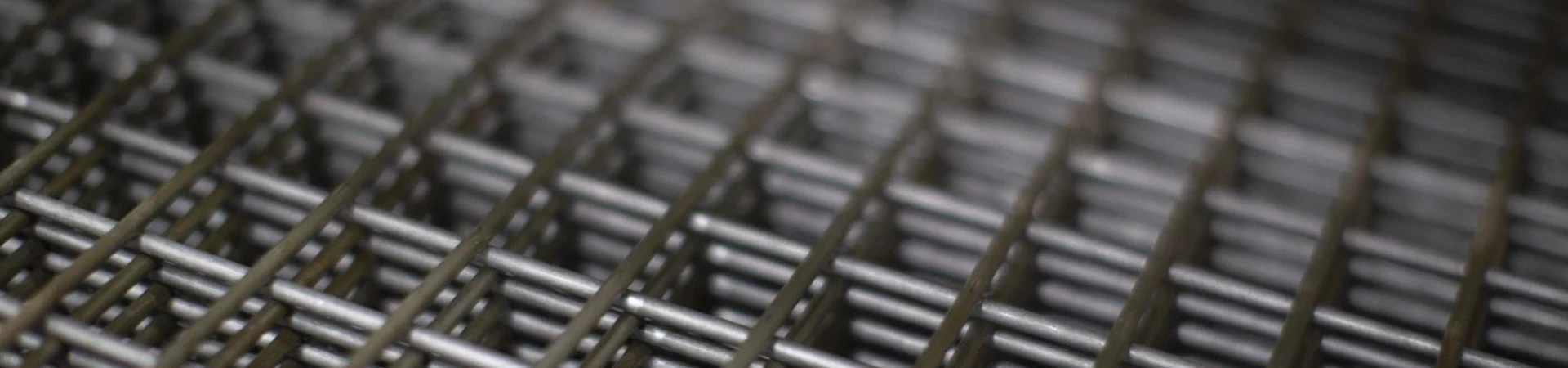
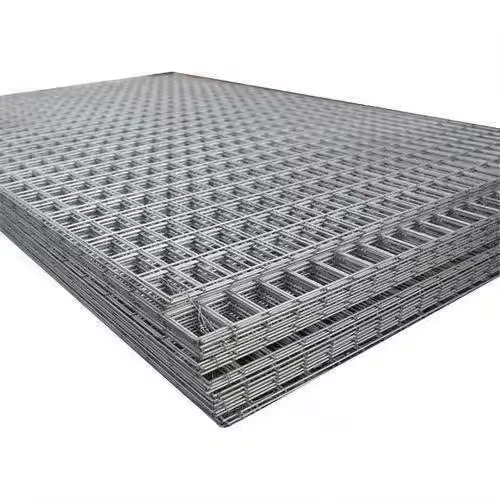
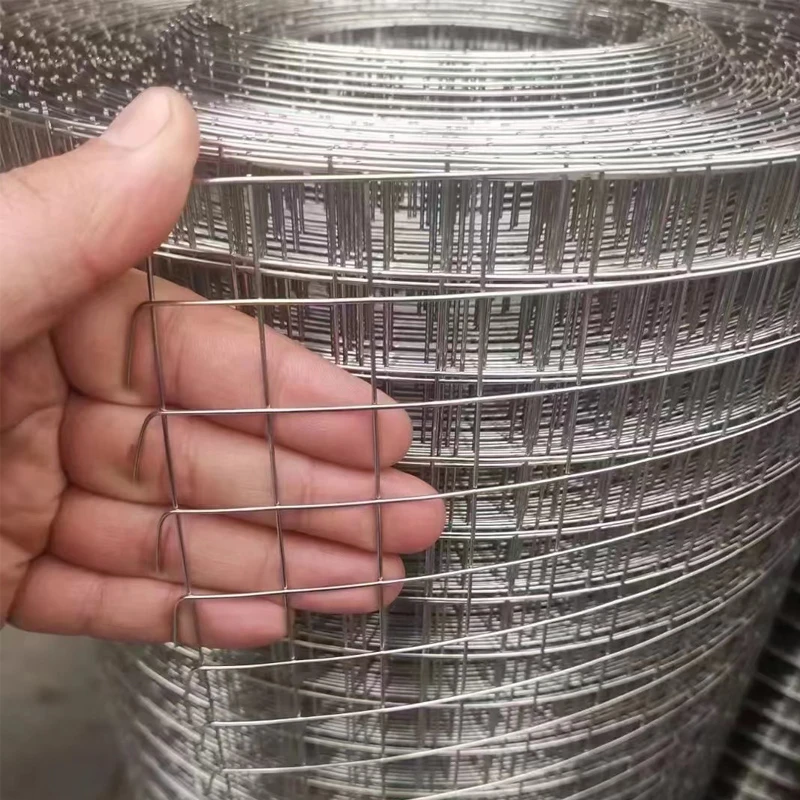
Simply put, a security kn tank wire mesh barrier is a fence-like protective enclosure that uses high-tensile wire mesh to create a physical perimeter around tanks or sensitive areas. "KN" here refers to the kilonewton strength rating, indicating the barrier’s ability to resist force — a critical specification when preventing breaches or accidental damage.
Fundamentally, these barriers combine mechanical strength with transparency (you can see through them, allowing surveillance) and durability against weather and wear. In today’s industrial and humanitarian sectors, they’re invaluable for guarding oil and gas storage, chemical plants, or even temporary refugee camp zones from unauthorized entry or hazards.
Core Features of Security KN Tank Wire Mesh Barriers
Durability and Weather Resistance
Typically galvanized and sometimes powder-coated, these barriers withstand harsh environmental conditions, from corrosive coastal climates to desert sands.
High Tensile Strength (Rated in KN)
The kilonewton rating indicates how much force the mesh can sustain. For example, 7 KN mesh means the barrier can resist a force up to 7,000 newtons without breaking. This high strength reduces damage risk from impact or intrusion.
Modular Design and Scalability
Many fences come as pre-fabricated panels that can be quickly assembled, disassembled, or extended — highly valuable for temporary or changing needs in industrial or humanitarian environments.
Cost Efficiency
Compared to concrete or solid metal walls, wire mesh barriers are relatively affordable while delivering comparable security and visibility benefits.
Environmental and Safety Compliance
Wire mesh allows easy airflow and visibility, preventing hazardous gas build-ups. It also complies with many ISO and environmental protections standards, which increasingly drive industrial safety policy worldwide.
Mini takeaway: The strength-to-weight ratio, weather resistance, and modularity make security kn tank wire mesh barriers uniquely suited for demanding, real-world safety applications.
Product Specifications: Typical Security KN Tank Wire Mesh Barrier
| Feature | Specification |
|---|---|
| Material | High-tensile galvanized steel wire |
| Mesh Size | 50mm x 50mm (standard) |
| Tensile Strength | 7 KN (kilonewton) rating |
| Height | Typically 2.4m to 3m |
| Coating | Hot-dip galvanized or powder-coated |
| Panel Type | Modular prefabricated panels |
Global Applications & Use Cases
The versatility of these wire mesh barriers means they’re everywhere. In oil refineries in the Middle East, they protect valuable tanks from sabotage or accidental impact. In industrial developments around the US Gulf Coast, they form sturdy perimeters that meet strict environmental guidelines.
Humanitarian uses too! In disaster-prone zones like Southeast Asia’s typhoon regions, NGOs deploy these barriers quickly to demarcate safe storage areas for water or medical supplies. Even in remote mining operations of Australia, the barriers guard equipment from both wildlife and unauthorized entry.
An interesting example comes from a recent project in Africa, where wire mesh barriers kept livestock separated from sensitive fuel storage, preventing contamination and potential fire hazards.
Mini takeaway: Whether protecting industrial assets or vulnerable populations, security kn tank wire mesh barriers creatively serve diverse global needs.
Advantages & Long-Term Value
- Cost-effectiveness: Lower installation and maintenance costs versus solid walls reduce long-term capital expenditure.
- Safety: Transparency allows quick incident identification; durability guards against intrusion or natural hazards.
- Environmental Impact: Breathable fencing reduces environmental footprint and supports compliance with strict emissions regulations.
- Community Trust: Open designs signal transparency and commitment to safety, important especially near residential areas.
Frankly, it’s hard to underestimate the peace of mind these barriers bring. They’re an investment not just in physical defense but a crucial part of an organization’s reputation for responsibility and forward-looking innovation.
Vendor Comparison
| Vendor | Material Quality | Customization | Price Range | Delivery Time |
|---|---|---|---|---|
| Jinjiu Wire Mesh | High-grade galvanized steel | Full panel and size customization | Mid-range | 2-4 weeks |
| SecureMesh Pro | Standard galvanized wire | Limited sizes | Lower | 3-5 weeks |
| Guardian Fencing | Premium coated steel | Custom colors & coatings | High-end | 4-6 weeks |
Future Trends & Innovations
The future looks promising — and high-tech. Innovations include integrating sensors into wire mesh panels to detect strain or intrusion attempts digitally. Alongside the rise of green energy practices, manufacturers are experimenting with recycled steel and sustainable coatings to lower carbon footprints.
Automation in installation also shows promise, especially for hazardous or remote sites — drones or robotic assembly might sound sci-fi now but are inching into reality.
Importantly, evolving international regulations will pressure suppliers to deliver even more eco-friendly, durable, and smart barriers — it’s an exciting intersection of industrial safety and digital transformation.
Challenges & Practical Solutions
Of course, no solution is perfect. Challenges with wire mesh barriers often include susceptibility to vandalism in urban environments or potential corrosion if not maintained correctly.
However, advanced galvanization techniques and hybrid coatings significantly extend lifespan. Plus, modular designs mean damaged panels can be replaced quickly without replacing entire sections.
Many engineers recommend integrating barriers with CCTV or motion sensors for enhanced protection — you get a system that’s more than the sum of its parts.
FAQ: Common Questions About Security KN Tank Wire Mesh Barrier
- Q: What does the "KN" rating mean for these barriers?
A: The KN (kilonewton) indicates the force the wire mesh can withstand. It’s a standard measure of tensile strength, crucial for ensuring the barrier can resist impact or intrusion attempts. - Q: How quickly can these wire mesh barriers be installed?
A: Thanks to modular panel designs, typical installations can take from a few days to a couple of weeks, depending on site size and complexity. - Q: Are these barriers suitable for coastal or highly corrosive environments?
A: Yes, when galvanized and coated properly, these barriers withstand corrosive salt air and moisture, making them ideal for coastal installations. - Q: Can we customize the height or mesh size?
A: Absolutely. Vendors like security kn tank wire mesh barrier specialists offer custom dimensions to fit your specific needs.
Conclusion and Call to Action
To wrap up, investing in a security kn tank wire mesh barrier is both a smart and sustainable choice for modern safety requirements. They combine strength, modifiability, and cost-efficiency in ways that fit industrial, environmental, and humanitarian demands alike.
For organizations looking to future-proof their security infrastructure while adhering to global standards, these wire mesh barriers deliver on all fronts.
If you’re considering a reliable solution, check out security kn tank wire mesh barrier options and discover a perfect fit for your project.
It feels like wire mesh barriers don’t just shield assets — they also build invisible bridges of trust, safety, and progress.
References

Related Products

Related News


2026-03-16 14:21:07
Discover durable farming solutions and flexible animal containment with hinge-knot field fence. Combining impact-resistant design and customizable options, Hebei Jinjiu ensures quality for agricultural applications. Explore now: https://www.jinjiuwiremesh.com/field-fencefarm-fence.html
2026-03-16 14:21:07
Discover durable farming solutions and flexible animal containment with hinge-knot field fence. Combining impact-resistant design and customizable options, Hebei Jinjiu ensures quality for agricultural applications. Explore now: https://www.jinjiuwiremesh.com/field-fencefarm-fence.html
2027-04-14 00:00:00
Discover durable farming solutions and flexible animal containment with hinge-knot field fence. Combining impact-resistant design and customizable options, Hebei Jinjiu ensures quality for agricultural applications. Explore now: https://www.jinjiuwiremesh.com/field-fencefarm-fence.html
2026-02-25 15:31:06
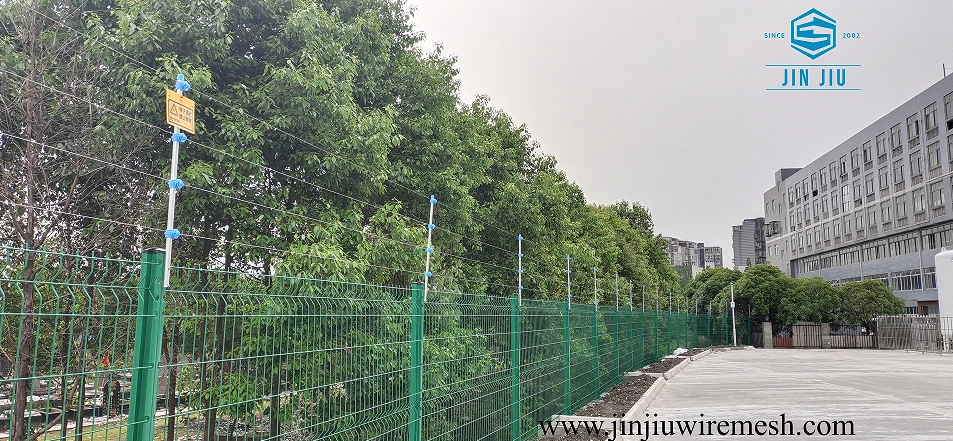
The Strategic Role of the Industrial Electric Fence in Modern Commerce
The protection of corporate and manufacturing assets has transitioned from a matter of simple boundary marking to a complex necessity of risk management.
2026-02-25 15:29:03
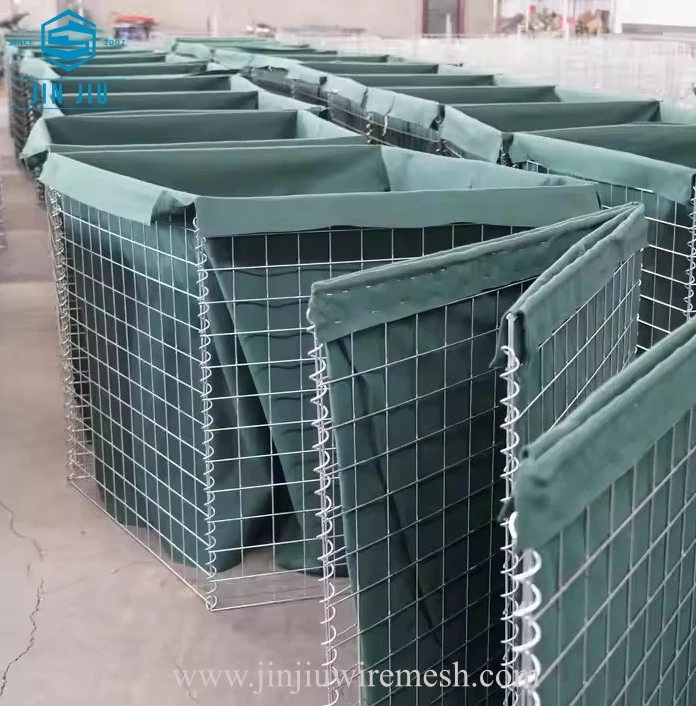
The Evolution of Physical Protection: Bullet Resistant Defensive Barriers in Modern Security
In an increasingly unpredictable global landscape, the requirement for high-level ballistic protection has moved beyond the battlefield and into the core of civilian and industrial security infrastructure.
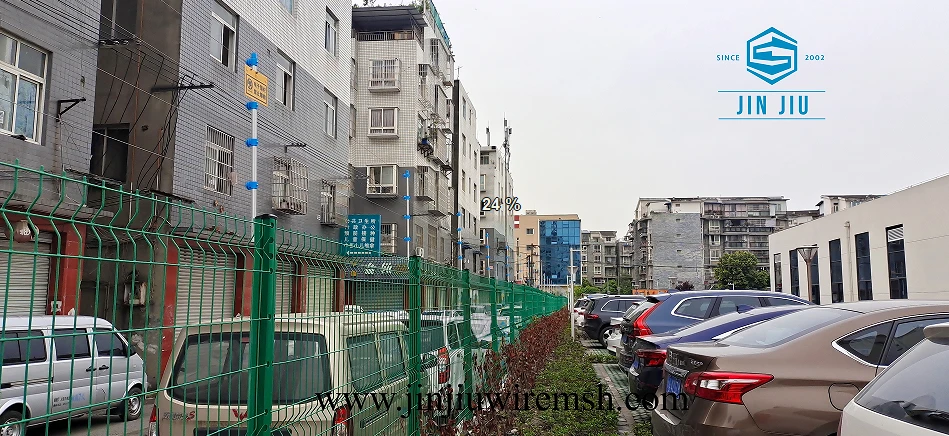
2026-02-25 15:26:58
The Digital Backbone of Modern Security: Connected Pulse Monitoring Electric Fence Architecture
The traditional concept of a perimeter has undergone a fundamental transformation.
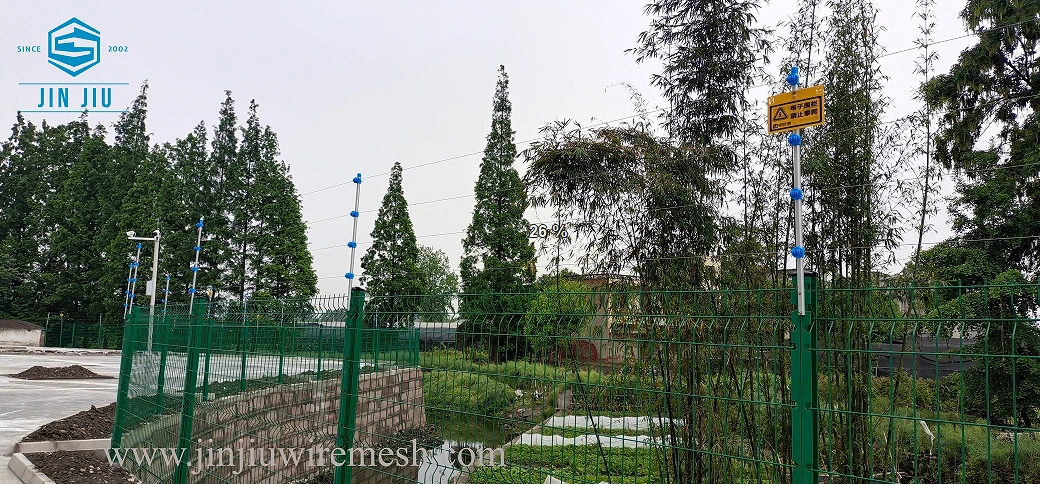
2026-02-25 15:24:13
Securing the Unreachable with a Powerful Pulse Electric Fence
In the realm of global security, the distinction between a standard boundary and a high-security perimeter is often defined by the technology pulsing through the wires.
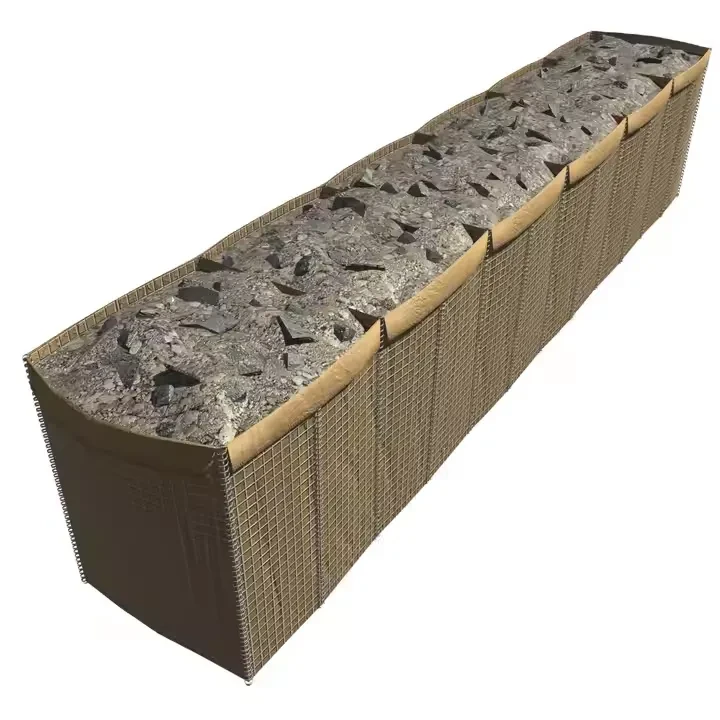
2027-04-14 00:00:00
Engineering Resilience with Explosion Proof Defensive Barriers
In an era where industrial safety and national security are increasingly intertwined, the necessity for specialized protection in volatile environments has never been higher.


 English
  Albanian
  Arabic
  Bengali
  Czech
Czech  Danish
  Dutch
Dutch  Finnish
  French
  German
  Japanese
  Malay
Malay  Persian
  Polish
  Portuguese
  Romanian
  Russian
  Serbian
  Spanish
  Swahili