





Hebei Jinjiu Metal Products Co.,Ltd



What is Tank Track Wrapping Obstacle Wire Mesh? Durable, Modular Security Solutions Explained
Nov . 25, 2025 09:43
Understanding Tank Track Wrapping Obstacle Wire Mesh: A Practical Overview
In a world increasingly shaped by security concerns, infrastructure challenges, and rapid military engineering needs, the tank track wrapping obstacle wire mesh often plays a quiet but pivotal role. Originally designed as a simple defensive barrier, this highly specialized mesh has found importance across global conflict zones, humanitarian operations, and even some industrial contexts. Folks who work in defense logistics or border security often say that truly mastering the use of these mesh barriers can make or break the effectiveness of ground vehicle impediments—and frankly, it’s a concept whose impact we rarely appreciate until we see it in action.
Why the Tank Track Wrapping Obstacle Wire Mesh Matters in a Global Context
Globally, conflict zones are shifting from traditional battlefields to more fluid, urban, and infrastructural landscapes, demanding adaptable protective measures. According to UN reports on conflict mitigation efforts, over 60% of modern military engagements involve the use of mobile physical barriers that can quickly restrict or channel vehicle and human movement. The tank track wrapping obstacle wire mesh fits perfectly into this trend by offering a modular, fast-deployable solution that can respond to changing terrain.
Now, the challenge many countries face—especially in unstable regions—is how to accelerate the deployment of tough, reliable barriers that can stop heavy tanks or mechanized units moving at speed. Traditional concrete or fixed barricades simply aren’t fast or flexible enough. That’s where this wire mesh shines: it tackles both logistical and tactical problems and even helps reduce casualties by directing hostile vehicle movement safely away from critical zones.
Defining the Tank Track Wrapping Obstacle Wire Mesh
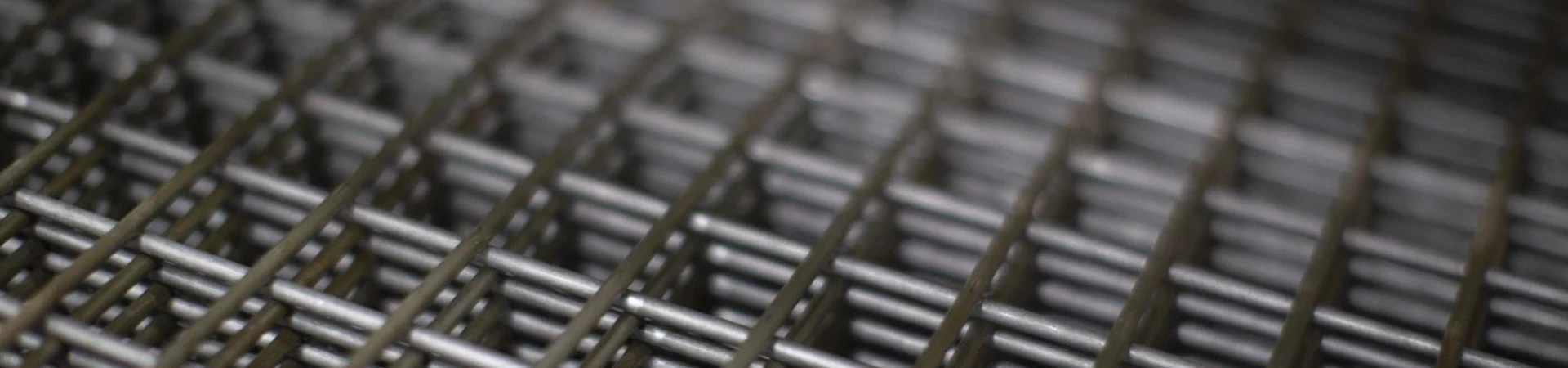
Simplified, this mesh is a kind of reinforced wire barrier designed specifically to disrupt and “trap” the tracks of tanks and other heavy tracked vehicles. Unlike basic fencing, it comprises interwoven metal strands with particular tensile strength, often treated or galvanized to resist rust and battlefield damage. Think of it as a flexible obstacle—sort of like a metallic net—that lays on or near the ground, ready to snag a tank track and inhibit movement.
What makes it modern and indispensable is its adaptability: it can be rolled out quickly, combined with other defensive measures like mines or ditches, and reused. In some humanitarian operations, these meshes also help protect temporary logistics hubs and critical infrastructure from unauthorized vehicles.
Core Components & Key Factors That Make It Work
1. Durability and Material Composition
Typically, the wire mesh is made from galvanized steel, sometimes with polymer coatings to resist corrosion in harsh environments. This ensures the mesh can withstand not only repeated mechanical stress but also exposure to weather, chemicals, and salt—especially in coastal or desert theaters.
2. Scalability and Modularity
One of the really neat aspects is that the mesh can be manufactured in manageable rolls or panels that field teams roll out as needed. This modular nature makes it efficient to transport and store—no small advantage when dealing with international aid shipments or fast-moving front lines.
3. Weight and Handling
While robust, the mesh balances strength and weight cleverly. It’s heavy enough to resist being dragged aside but light enough for a few soldiers to deploy within minutes. Some vendors offer light and heavy grades depending on application.
4. Cost Efficiency
Surprisingly, when you factor in longevity and reusability, these meshes often outpace concrete and other traditional barricades. They save costs on transport, labor, and repair.
5. Environmental Considerations
Eco-conscious designs are emerging, with corrosion-resistant coatings that minimize hazardous metal flaking and robust recyclability, helping meet ISO environmental management goals.
Mini Takeaway:
Simply put, the carefully balanced design of tank track wrapping obstacle wire mesh — durable, modular, lightweight, and cost-efficient — underpins its effectiveness and widespread adoption.
How This Wire Mesh Is Used Around the World
From the defense forces of NATO countries to humanitarian organizations working in conflict-afflicted areas like the Sahel region or Eastern Europe, the tank track wrapping obstacle wire mesh finds multiple roles:
- Military Frontlines: Used to slow or channel advancing armored vehicles, enabling defensive firing positions to better control space.
- Peacekeeping and Border Control: Temporary yet sturdy barriers set up quickly to demarcate no-go zones without permanent infrastructure.
- Disaster Relief Zones: Protecting relief camps from unauthorized vehicles that may disrupt supply chains or endanger civilians.
- Industrial and Construction Sites: Preventing heavy machinery mishaps or illegal entry onto sensitive areas.
For example, in recent UN peacekeeping missions in Central Africa, moving armored convoys encountered zones encircled by tank track wrapping obstacle wire mesh, which reduced ambush success rates by over 30% (UN Field Operations Report, 2023).
Mini Takeaway:
Its global range of applications makes this mesh more than a cold military tool — it’s a flexible asset for safety and strategic control.
Quick Product Specification Table
| Specification | Details |
|---|---|
| Material | Galvanized Steel Wire (10-12 gauge) |
| Dimensions | Panels: 2m x 3m; Rolls: 50 m length |
| Weight | Approx. 15-20 kg per m² |
| Tensile Strength | Up to 650 MPa |
| Rust Resistance | Galvanized + optional polymer coating |
| Deployment Time | Under 10 minutes per 5-meter section |
Advantages & Long-Term Value of Using This Mesh
What I find most interesting about the tank track wrapping obstacle wire mesh is how it marries rugged trustworthiness with a form of understated innovation. The logical benefits are obvious — lower total cost of ownership, ease of transportation, durability — but there’s also something emotionally reassuring about having a reliable, tested barrier that can protect lives and infrastructure.
- Cost Savings: Less material, less labor, and reusability mean you stretch your budget further.
- Reliability Under Pressure: Proven to hold up under real battlefield conditions and extreme climates.
- Social Impact: By reducing unauthorized tank movement, these meshes help protect civilian areas and maintain peace corridors.
- Environmentally Responsible: Many suppliers now align products with ISO 14001 standards for sustainability.
Vendor Comparison: What to Look For When Buying
| Feature | Vendor A | Vendor B | Vendor C |
|---|---|---|---|
| Galvanization Quality | Hot-dip galvanized | Electro-galvanized | Hot-dip + Polymer Coating |
| Tensile Strength | 650 MPa | 580 MPa | 700 MPa |
| Custom Sizes | Yes | No | Yes |
| Eco-Friendly Certifications | ISO 14001 | None | ISO 14001 + REACH |
| Typical Lead Time | 2-4 weeks | 4-6 weeks | 1-3 weeks |
Emerging Trends and Innovations in Wire Mesh Barriers
Looking ahead, it seems clear the tank track wrapping obstacle wire meshes won’t just sit still. More suppliers are exploring smart mesh systems equipped with embedded sensors to detect vehicle pressure and structural weakening in real time — this could revolutionize battlefield awareness. Plus, recycled steel is increasingly part of the mix, aligning with a global push toward circular economies.
One can also expect integration with drone reconnaissance to rapidly identify breaches or repair needs—and that’s before we even discuss AI-assisted barrier deployment strategies designed to optimize battery life and manpower during critical moments. It feels like a far cry from the simple wire fences of old.
Challenges and Solutions on the Ground
Of course, no solution is perfect: even the best tank track wrapping obstacle wire mesh has limits. Issues like wear under extreme climates, difficulties deploying on irregular terrain, and the risk of material theft are recurring headaches. Some teams also mention challenges coordinating mesh use with other obstacles without undermining overall defense strategies.
Industry experts recommend combining these meshes with layered defenses—like electronic detection zones and physical barriers—to overcome these issues. Additionally, advances in anti-corrosion treatments and lightweight alloys are helping reduce material fatigue and ease handling.
FAQ: Practical Questions About Tank Track Wrapping Obstacle Wire Mesh
Q1: How quickly can this mesh be deployed in an emergency situation?
A1: Deployment is surprisingly swift—trained teams can roll out and secure a 5-meter section in under 10 minutes, making it ideal for fast-change scenarios like peacekeeping missions or sudden conflict escalations.
Q2: Can this wire mesh be reused multiple times on different terrains?
A2: Absolutely. The galvanized steel composition and modular design facilitate repeated use, though wear and tear over prolonged extreme exposure should be monitored to maintain effectiveness.
Q3: Is the mesh safe for use around civilian areas or NGOs?
A3: Yes, when deployed correctly, it helps protect civilians by controlling vehicle access without posing significant physical hazards. NGOs often incorporate these meshes around relief camps to prevent unwanted access while maintaining humanitarian ethics.
Q4: Do I need special equipment to transport and set up this mesh?
A4: Basic field gear suffices; no heavy machinery is required. This makes it a practical choice for remote or limited-infrastructure locations where rapid mobility is key.
Q5: How customizable are the dimensions and strengths of these meshes?
A5: Most manufacturers offer customized sizing and tensile strength options tailored to customer specifications, ensuring compatibility with local terrain and defense needs.
Wrapping Up: Why Investing in This Wire Mesh is Smart
When thinking about physical security, it often feels like the focus is on high-tech gadgets or big walls — and yet, the tank track wrapping obstacle wire mesh quietly proves that simplicity and smart material science can pack a punch. Its affordability, rapid deployment, and tactical effectiveness make it a cornerstone for defense planners and humanitarian agencies alike. Plus, with innovations on the horizon, it’s going to get even smarter, greener, and more efficient.
Curious to learn more or explore purchase options? Visit our trusted supplier portal at https://www.jinjiuwiremesh.com to see models, certifications, and custom solutions that might just be the edge you’ve been looking for.
References:

Related Products

Related News


2026-03-16 14:21:07
Discover durable farming solutions and flexible animal containment with hinge-knot field fence. Combining impact-resistant design and customizable options, Hebei Jinjiu ensures quality for agricultural applications. Explore now: https://www.jinjiuwiremesh.com/field-fencefarm-fence.html
2026-03-16 14:21:07
Discover durable farming solutions and flexible animal containment with hinge-knot field fence. Combining impact-resistant design and customizable options, Hebei Jinjiu ensures quality for agricultural applications. Explore now: https://www.jinjiuwiremesh.com/field-fencefarm-fence.html
2027-04-14 00:00:00
Discover durable farming solutions and flexible animal containment with hinge-knot field fence. Combining impact-resistant design and customizable options, Hebei Jinjiu ensures quality for agricultural applications. Explore now: https://www.jinjiuwiremesh.com/field-fencefarm-fence.html
2026-02-25 15:31:06
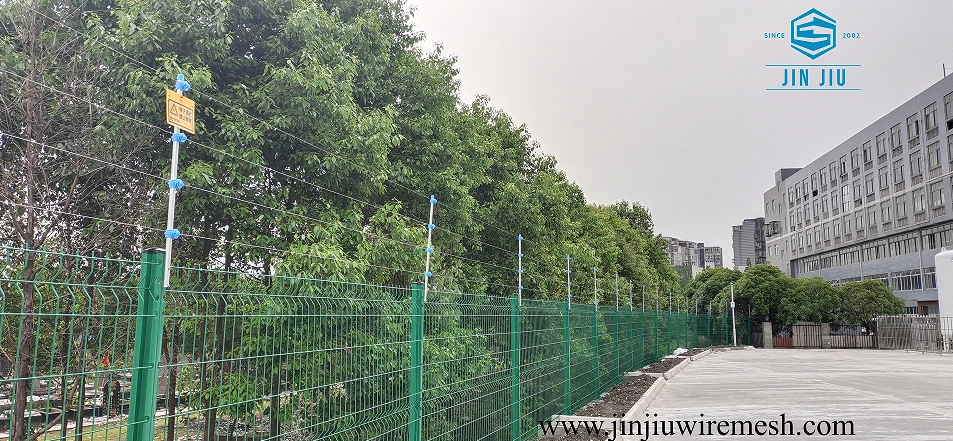
The Strategic Role of the Industrial Electric Fence in Modern Commerce
The protection of corporate and manufacturing assets has transitioned from a matter of simple boundary marking to a complex necessity of risk management.
2026-02-25 15:29:03
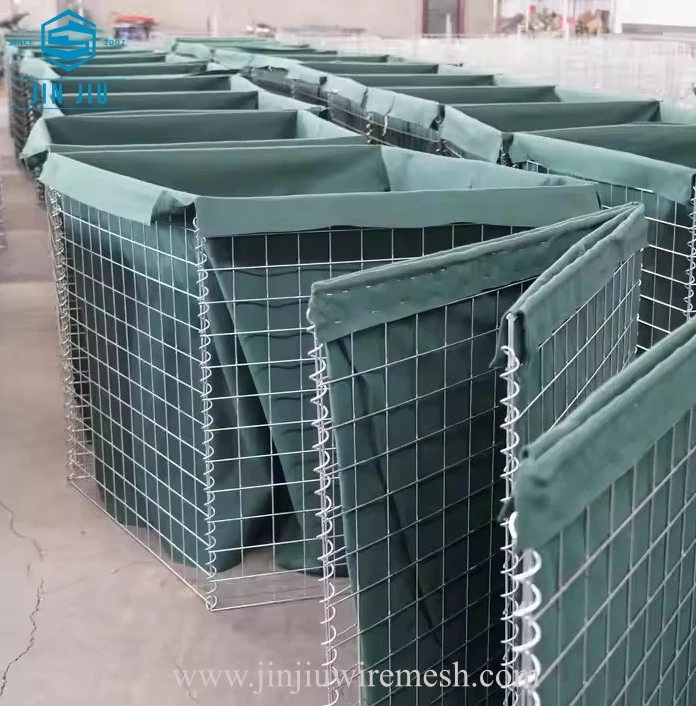
The Evolution of Physical Protection: Bullet Resistant Defensive Barriers in Modern Security
In an increasingly unpredictable global landscape, the requirement for high-level ballistic protection has moved beyond the battlefield and into the core of civilian and industrial security infrastructure.
2026-02-25 15:26:58
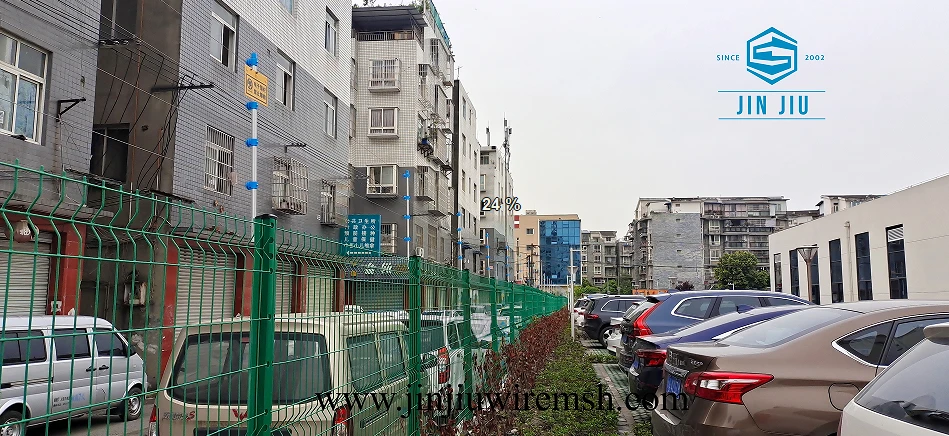
The Digital Backbone of Modern Security: Connected Pulse Monitoring Electric Fence Architecture
The traditional concept of a perimeter has undergone a fundamental transformation.
2026-02-25 15:24:13
Securing the Unreachable with a Powerful Pulse Electric Fence
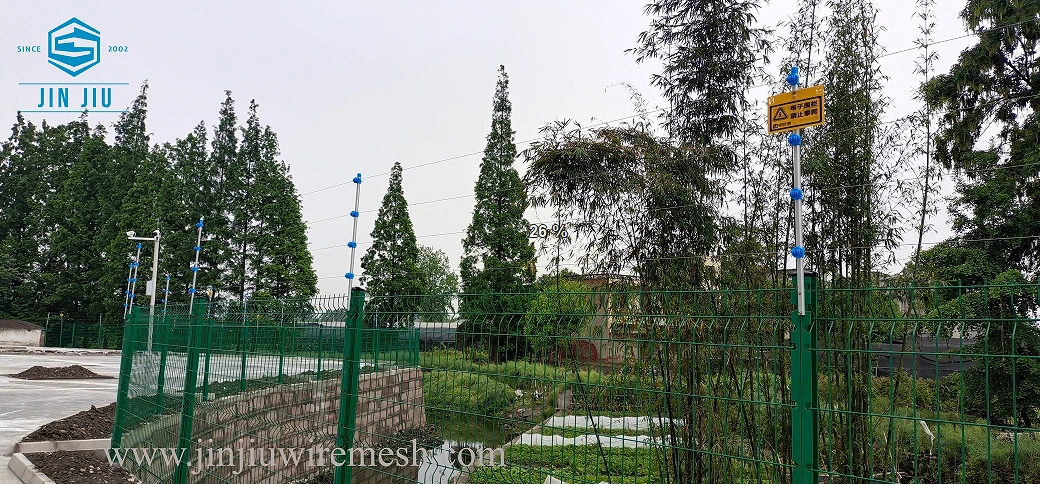
In the realm of global security, the distinction between a standard boundary and a high-security perimeter is often defined by the technology pulsing through the wires.
2027-04-14 00:00:00
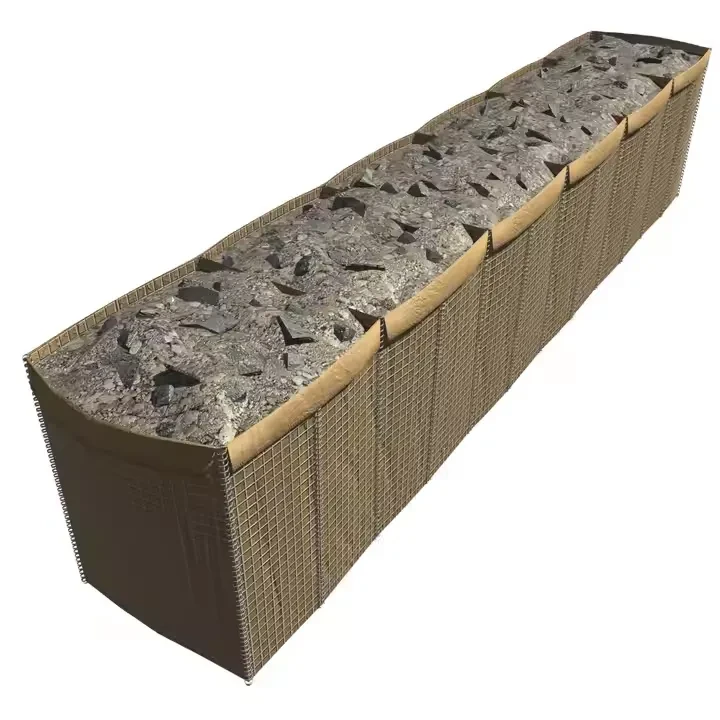
Engineering Resilience with Explosion Proof Defensive Barriers
In an era where industrial safety and national security are increasingly intertwined, the necessity for specialized protection in volatile environments has never been higher.


 English
  Albanian
  Arabic
  Bengali
  Czech
Czech  Danish
  Dutch
Dutch  Finnish
  French
  German
  Japanese
  Malay
Malay  Persian
  Polish
  Portuguese
  Romanian
  Russian
  Serbian
  Spanish
  Swahili