





Hebei Jinjiu Metal Products Co.,Ltd


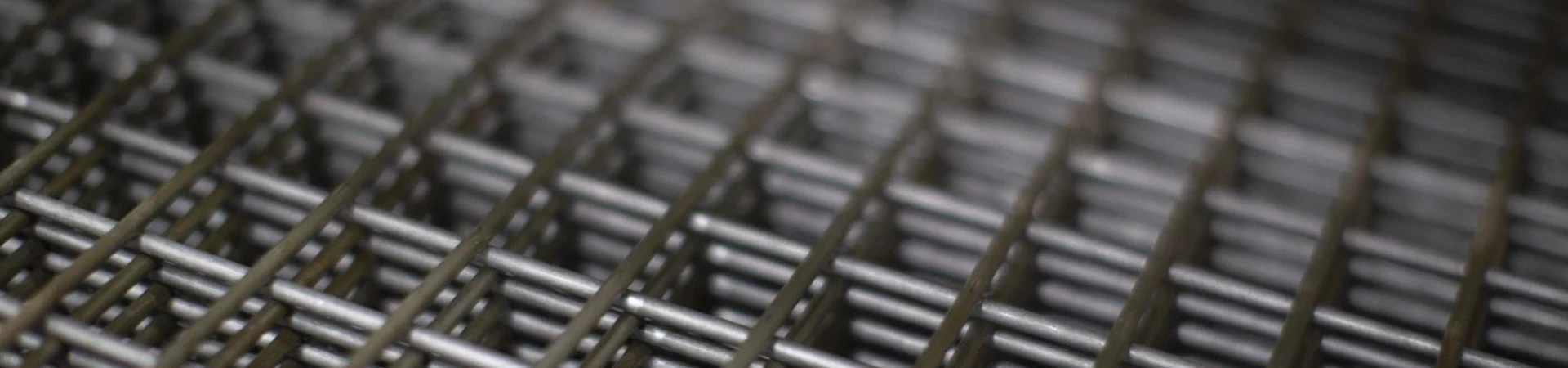

Wire Barrier Inconspicuousnet: Discreet Security Mesh Solutions for Global Needs
Nov . 20, 2025 22:00
Wire Barrier Inconspicuousnet: An Unsung Hero in Global Security and Safety
At first glance, the term wire barrier inconspicuousnet might sound like a mouthful meant only for engineers or security pros. But stick around — this is about a subtle technology quietly shaping safety, privacy, and humanitarian aid worldwide. Why does it matter globally? Because from protecting vulnerable zones to ensuring effective border management, understanding wire barrier inconspicuousnet opens up conversations about security that don't scream “fortress” but whisper “smart shield.” In this article, we’ll unpack why this innovation is changing the game — and how it blends toughness with discretion, something often overlooked in industrial security.
Setting the Scene: Why Wire Barrier Inconspicuousnet Matters Worldwide
Globally, there’s a growing tension between security needs and the demand for visual and environmental harmony. The United Nations estimates that over 1.5 billion people live in insecure or conflict-prone regions, emphasizing the need for protection solutions that aren’t intrusive or stigmatizing. Similarly, rising urbanization has blurred the lines between private spaces and secure facilities, prompting industries to find wire barriers that blend into surroundings without compromising functionality.
Yet, classic fences and barriers are often eyesores—think towering barbed wire fences ruining scenic landscapes. Enter wire barrier inconspicuousnet: a low-profile, durable mesh that acts as a barrier without screaming "KEEP OUT." It’s the answer to a persistent challenge: securing spaces while preserving aesthetics and even social dignity, much needed in places like refugee camps and conservation zones.
What Exactly Is Wire Barrier Inconspicuousnet?
Simply put, wire barrier inconspicuousnet is a type of security mesh made from thin but strong wires, woven or welded into patterns that deter intrusion but are visually subtle. Unlike heavy, imposing fences, these nets are designed to blend with their environment—green spaces, industrial perimeters, or humanitarian sites—without sacrificing effectiveness. Think of it as a “ninja” fence: tough but inconspicuous.
Its applications range from industrial safety to agricultural protection, and it’s particularly crucial in humanitarian contexts where overly fortress-like boundaries can create psychological barriers as much as physical ones. It’s a perfect example of modern security needing to respect human factors as much as raw materials and physics.
Core Aspects of Wire Barrier Inconspicuousnet
Durability
Despite its sleek appearance, wire barrier inconspicuousnet is typically made from galvanized or stainless steel wires that resist corrosion, UV radiation, and mechanical wear. This longevity is a game-changer for outdoor use, especially in harsh climates or coastal areas where salt air eats away at cheaper materials. Durability means fewer replacements, less downtime, and sustainable long-term deployment. In real terms, this might mean a fence still solid ten years after installation, even in the tropics.
Scalability
Whether wrapping a small park bench or enclosing a sprawling industrial facility, these nets can be customized in size, mesh gauge, and tension. This flexibility is vital. You can scale up by linking panels or down for delicate interior dividers. What I find fascinating is how this mesh morphs from something you barely notice to a crucial safety line in bigger settings.
Cost Efficiency
Buying a wire barrier inconspicuousnet up front might feel pricier than a traditional chain-link fence, but over time, its lower maintenance, fewer replacements, and better theft resistance pay off. Many security managers I spoke with emphasized that the initial cost is offset by fewer security breaches and less repair cost — a classic case of “you get what you pay for.”
Environmental Harmony
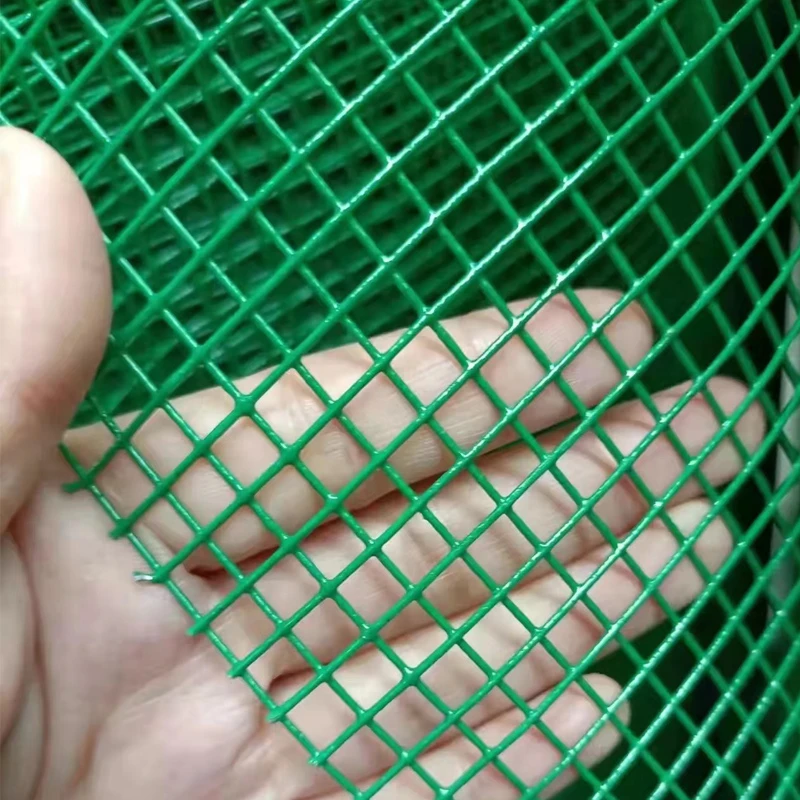
One of the biggest draws is how these wire barriers maintain landscape aesthetics. Some versions use green powder-coated wires or even integrate foliage supports, helping the fence fade into the background. This is important near natural reserves, parks, or residential areas where a heavy fence would be unwelcome.
Ease of Installation
Frankly, many engineers say installation is straightforward compared to bulkier solutions. Modular panel systems and pre-fabricated mesh rolls can be deployed quickly, making them ideal for temporary or emergency setups, like disaster relief zones or fast-evolving construction sites.
Product Specification Snapshot
| Specification | Typical Range/Value |
|---|---|
| Wire Diameter | 0.8 – 2.5 mm |
| Material | Galvanized steel / Stainless steel |
| Mesh Size | 10x10 mm to 50x50 mm |
| Height Range | 0.5 m to 3 m |
| Finish | Powder coat, PVC coating, raw galvanized |
| Typical Tensile Strength | 450 – 700 MPa |
Wire Barrier Inconspicuousnet in Action: Real-World Applications
From sprawling factories in Europe to emergency camps in Africa, wire barrier inconspicuousnet is proving itself indispensable. Take, for example, post-disaster shelters: aid agencies need to quickly secure boundaries without creating psychological barriers for displaced people. The subtle mesh supports that — a less “prison-like” feeling yet effective perimeter control.
In remote industrial zones, safety nets protect sensitive equipment and direct foot traffic silently. Urban parks in Asia are using these tweaked nets to cordon off maintenance areas while keeping the park’s inviting vibe intact. Even conservation initiatives in South America benefit, where deploying barriers that don’t frighten wildlife (and look natural) is crucial.
Vendor Comparison: Choosing the Right Wire Barrier Inconspicuousnet Supplier
| Feature | Jinjiu Wire Mesh | Global Mesh Co. | SecureNet Ltd. |
|---|---|---|---|
| Product Range | Wide (customizable gauges & coatings) | Medium (standard meshes only) | Narrow (focused on high-security) |
| Lead Time | 2–4 weeks | 3–6 weeks | 4+ weeks |
| Customization Options | High | Medium | Low |
| Price Range | Competitive | Moderate | Premium |
| Sustainability Initiatives | Recycled materials & eco-friendly coatings | None specified | Limited |
The Long-Term Value of Choosing Wire Barrier Inconspicuousnet
Beyond specs and prices, these nets reflect a certain ethos: combining safety with subtlety. They offer a kind of dignity often ignored by traditional fences, cushioning the harshness of boundaries with finesse. The emotional impact—particularly in sensitive contexts like refugee assistance or privacy zones—cannot be overstated.
Logically, the cost savings in maintenance and replacement, as well as fewer security breaches, mean the nets pay for themselves remarkably quickly. Add to that the sustainability benefits — since many are made with recyclable or low-impact materials — and it’s clear this isn’t just a fence, but an investment in smarter security.
Looking Forward: Innovations Shaping Wire Barrier Inconspicuousnet
The future’s looking intriguing. Advances in nanotech coatings promise even stronger anti-corrosion and anti-graffiti properties. Some manufacturers are experimenting with integrated sensors for real-time breach detection—melding physical security with digital oversight (sort of like an invisible watchtower).
Green energy initiatives are prompting producers to adopt entirely circular manufacturing, using recycled steel and eco-friendly finishes that dramatically lower carbon footprints. I expect this trend to accelerate as environmental certifications become more important for buyers.
Challenges On the Ground & Smart Solutions
No product is without flaws, right? For wire barrier inconspicuousnet, challenges commonly include installation in uneven terrain and vulnerability to high-impact breaches (though optimized meshes reduce this). But clever engineering—like modular panels and combined barrier layers—helps combat these issues.
There’s also a steep learning curve for some installers new to these nets, but user-friendly guides and vendor support typically bridge the gap. In essence, it’s about matching expectations to realities and planning accordingly.
FAQ: Wire Barrier Inconspicuousnet Essentials
- Q: How does wire barrier inconspicuousnet differ from traditional fences?
A: It offers a subtler profile with thinner wires and smaller mesh while maintaining strength and durability, ideal for settings where aesthetics and social impact matter. - Q: Is it suitable for coastal or humid environments?
A: Yes. Many versions are galvanized or stainless steel, often with special coatings to resist corrosion from salt air. - Q: Can these nets be used temporarily?
A: Absolutely. Their modularity and ease of installation make them great for temporary security at events or emergency relief zones. - Q: What maintenance does wire barrier inconspicuousnet require?
A: Minimal – periodic inspections for mechanical damage and cleaning to remove debris usually suffice. - Q: How can NGOs import these wire nets internationally?
A: Most suppliers, like Jinjiu Wire Mesh, support international shipping and can assist with customs documentation and regulations.
Wrapping Up: Why Wire Barrier Inconspicuousnet Is More Than Just Fencing
Wire barrier inconspicuousnet isn’t your everyday fence. It’s a convergence of engineering, aesthetics, and social responsibility — blending strength and subtlety in equal measure. Whether for humanitarian aid, industrial security, or urban planning, this mesh serves as an elegant solution to complex boundary challenges.
If you’re curious or ready to explore how wire barrier inconspicuousnet can fit your needs, why not check out our supplier’s website? The best part is that it’s not just about protection — it’s about smart, graceful boundaries for the modern world.
References

Related Products
Related News


2026-03-16 14:21:07
Discover durable farming solutions and flexible animal containment with hinge-knot field fence. Combining impact-resistant design and customizable options, Hebei Jinjiu ensures quality for agricultural applications. Explore now: https://www.jinjiuwiremesh.com/field-fencefarm-fence.html
2026-03-16 14:21:07
Discover durable farming solutions and flexible animal containment with hinge-knot field fence. Combining impact-resistant design and customizable options, Hebei Jinjiu ensures quality for agricultural applications. Explore now: https://www.jinjiuwiremesh.com/field-fencefarm-fence.html
2027-04-14 00:00:00
Discover durable farming solutions and flexible animal containment with hinge-knot field fence. Combining impact-resistant design and customizable options, Hebei Jinjiu ensures quality for agricultural applications. Explore now: https://www.jinjiuwiremesh.com/field-fencefarm-fence.html
2026-02-25 15:31:06
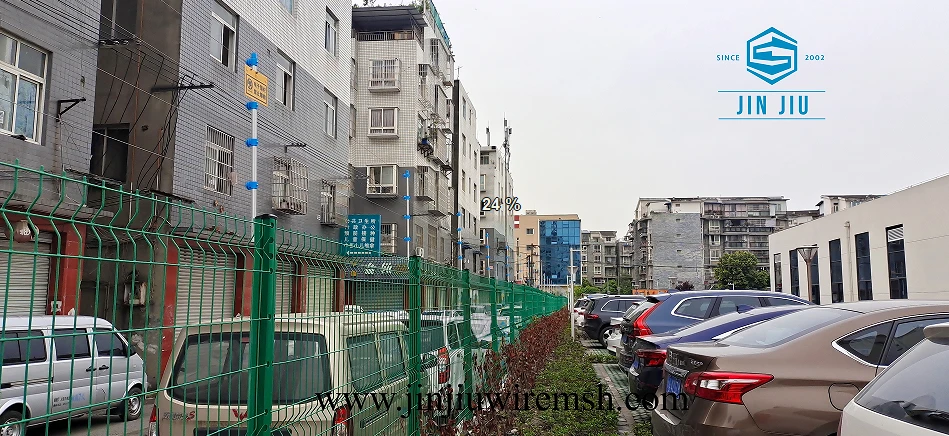
The Strategic Role of the Industrial Electric Fence in Modern Commerce
The protection of corporate and manufacturing assets has transitioned from a matter of simple boundary marking to a complex necessity of risk management.
2026-02-25 15:29:03
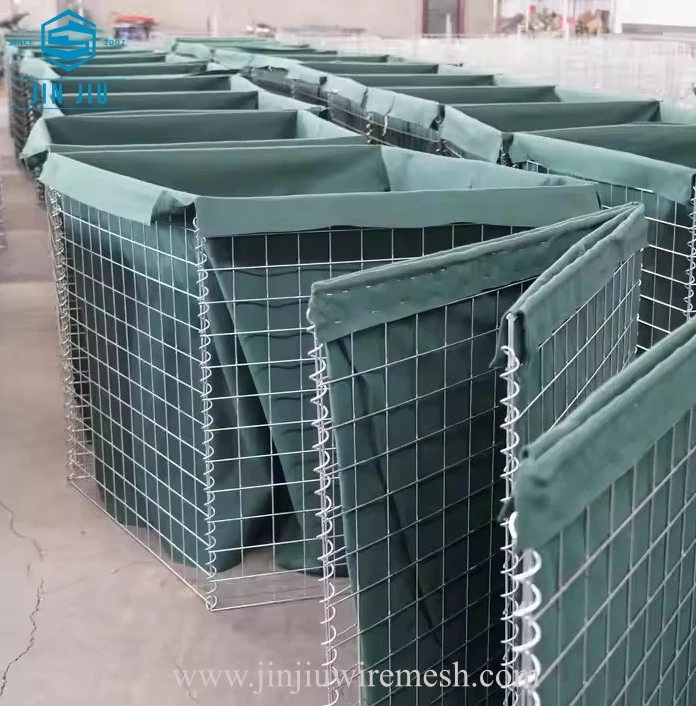
The Evolution of Physical Protection: Bullet Resistant Defensive Barriers in Modern Security
In an increasingly unpredictable global landscape, the requirement for high-level ballistic protection has moved beyond the battlefield and into the core of civilian and industrial security infrastructure.
2026-02-25 15:26:58
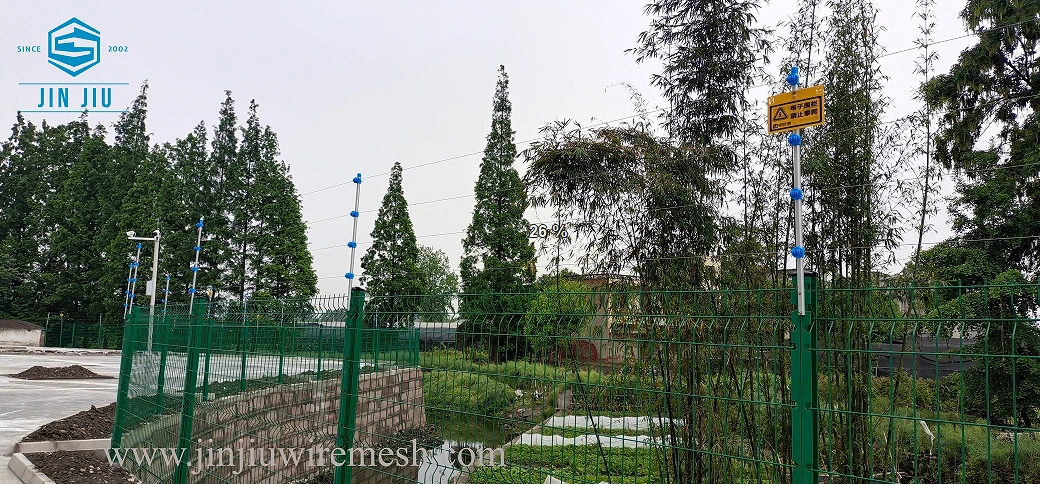
The Digital Backbone of Modern Security: Connected Pulse Monitoring Electric Fence Architecture
The traditional concept of a perimeter has undergone a fundamental transformation.
2026-02-25 15:24:13
Securing the Unreachable with a Powerful Pulse Electric Fence
In the realm of global security, the distinction between a standard boundary and a high-security perimeter is often defined by the technology pulsing through the wires.
2027-04-14 00:00:00
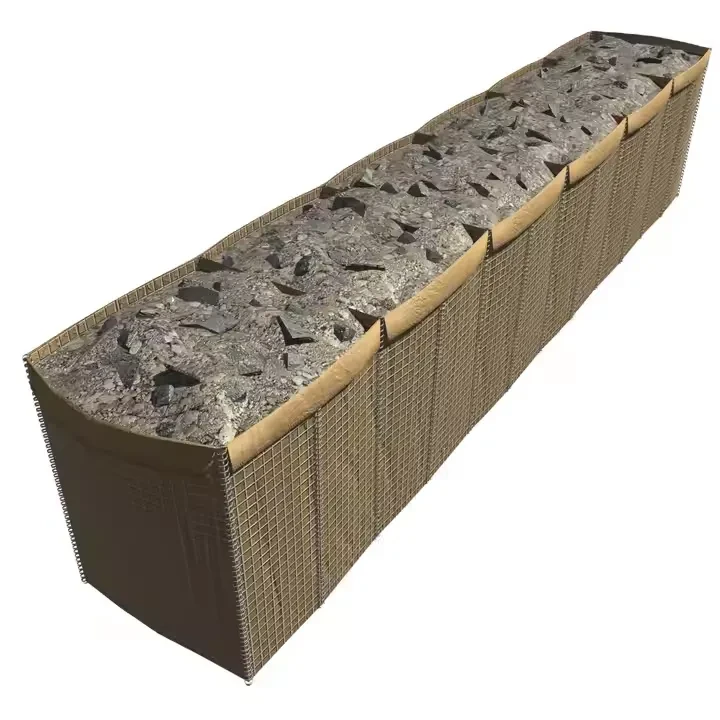
Engineering Resilience with Explosion Proof Defensive Barriers
In an era where industrial safety and national security are increasingly intertwined, the necessity for specialized protection in volatile environments has never been higher.


 English
  Albanian
  Arabic
  Bengali
  Czech
Czech  Danish
  Dutch
Dutch  Finnish
  French
  German
  Japanese
  Malay
Malay  Persian
  Polish
  Portuguese
  Romanian
  Russian
  Serbian
  Spanish
  Swahili