





Hebei Jinjiu Metal Products Co.,Ltd


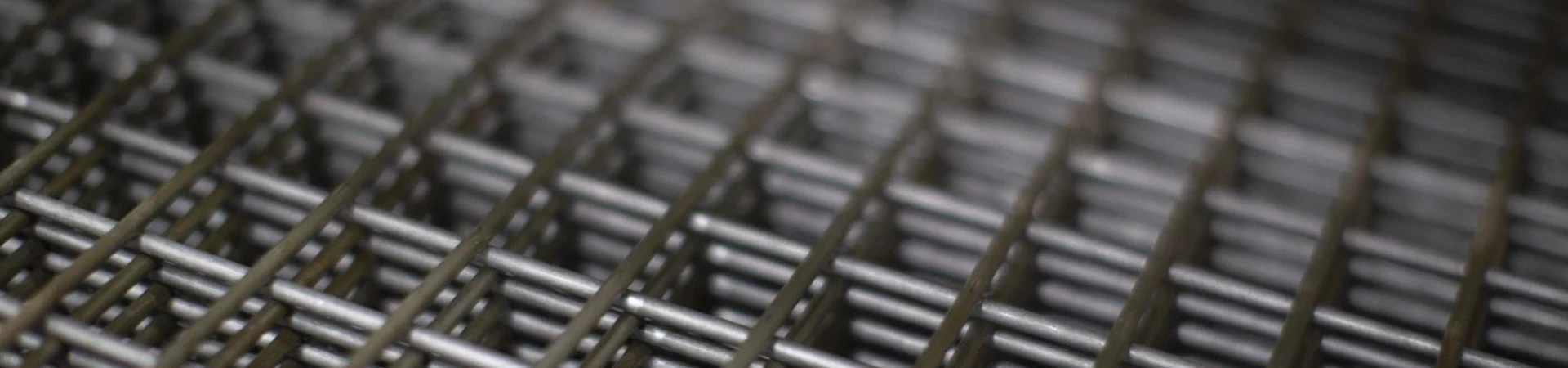

Wire Barrier Inconspicuousnet – Invisible, Durable Safety
Oct . 21, 2025 14:35
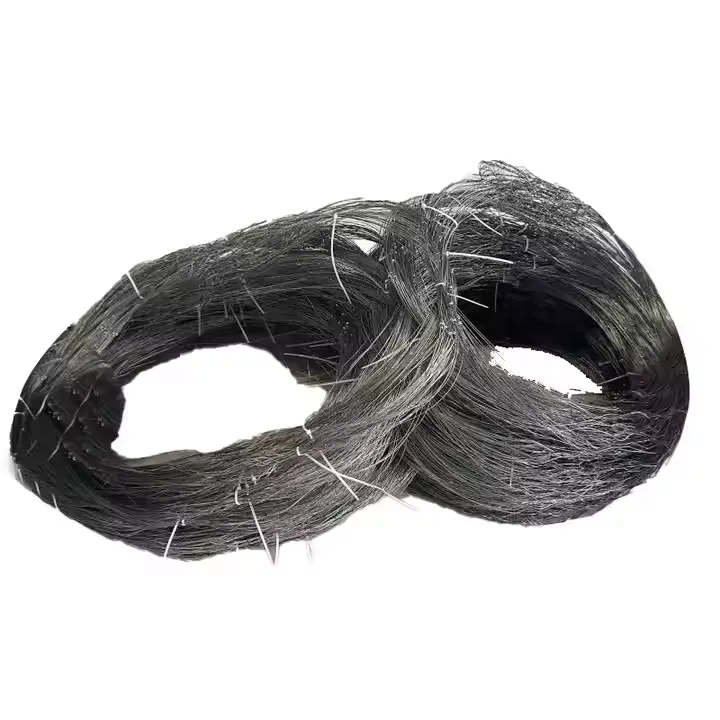
Technical snapshot
| Model | Wire Barrier Inconspicuousnet (MZP / Zn–Al core) |
| Base material | Low-carbon steel wire (≈ Q195) or high-tensile wire (≈ 550 MPa) |
| Wire Ø | 2.5–4.0 mm (custom up to 5.0 mm) |
| Coating mass | Zn 200–275 g/m² or Zn–Al (5–10% Al) ≈ 215–290 g/m² |
| Topcoat | Matte PVC/PES (RAL 6003, 7013, 8019, custom) |
| Tensile strength | ≈ 380–550 MPa (real-world use may vary) |
| Corrosion test | ISO 9227 / ASTM B117 > 1,000 h (Zn–Al + topcoat) |
| Service life | ≈ 20–30 years (C3–C4); coastal C5: ≈ 10–15 years |
How it’s made (process flow)
- Materials: selected low-carbon or high-tensile steel wire rod.
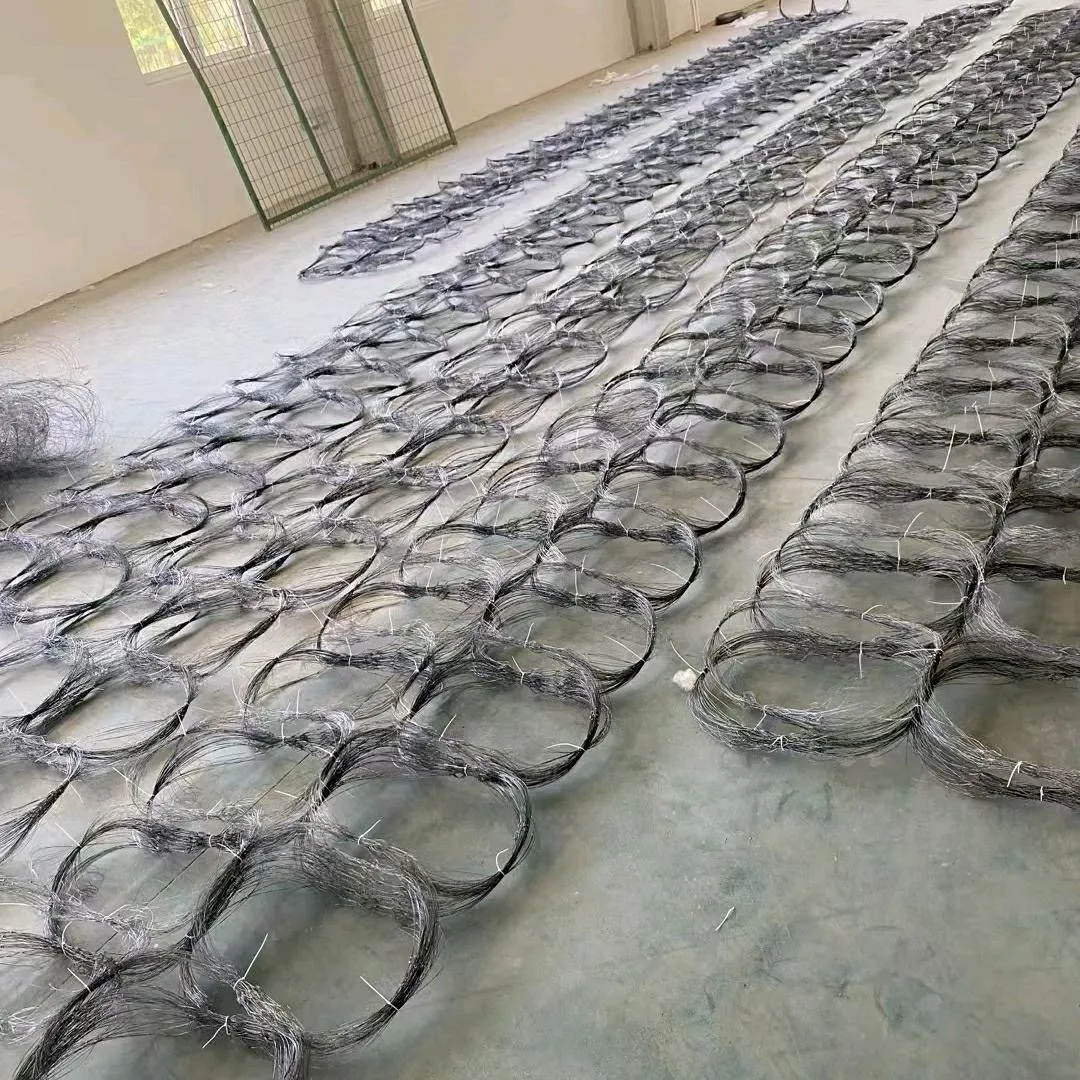
- Methods: pickling → drawing → annealing (as needed) → MZP or Zn–Al coating → matte polymer topcoat → weaving/assembly → tensioning test.
- Testing standards: ASTM A641/A641M, EN 10223-4, ISO 9227, ISO 2409 (adhesion), bend test 180° no flake.
- Quality system: ISO 9001; batch traceability and coating mass checks.
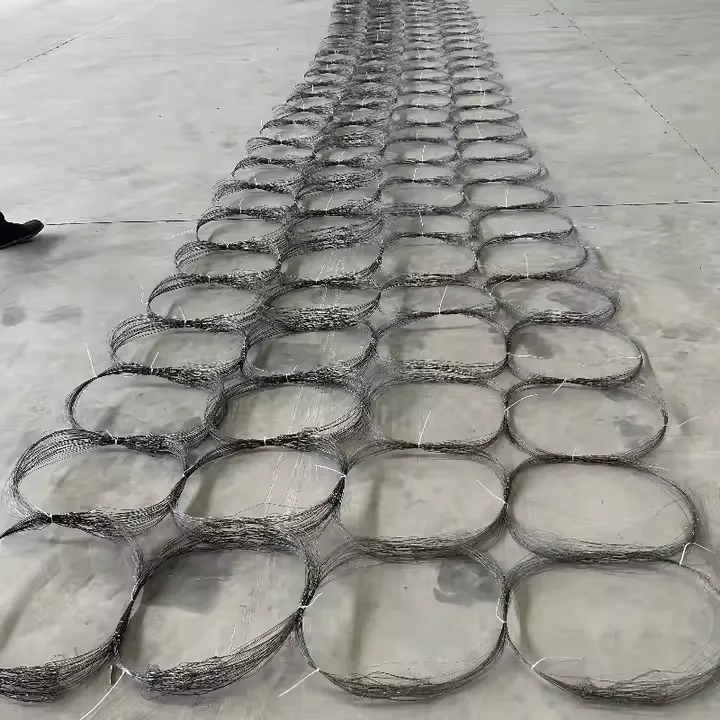
Where it works best
- Airports and rail corridors—low-glare lines preserve sightlines.
- Data centers, substations, solar farms—security without visual clutter.
- Scenic parks, resorts, historic sites—blends with landscape.
- Wildlife management—reduced visual disturbance; optional animal-friendly spacing.
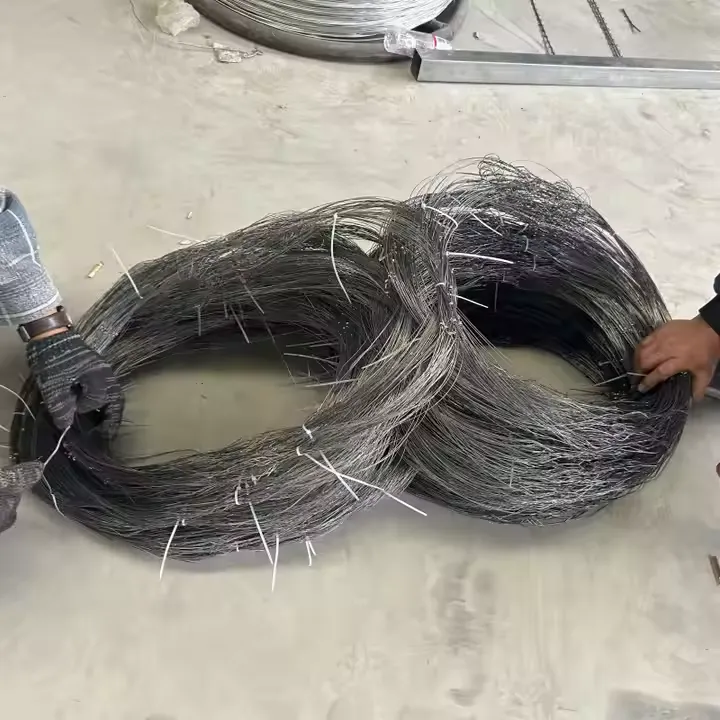
Case notes and field feedback
- Mountain park install (1.8 m, RAL 6003): crews reported ≈ 18% faster tensioning vs. glossy PVC wire due to reduced coil memory; visitors barely noticed the line from 35 m. Glossmeter at 60°: - Substation perimeter: salt-spray equivalent > 1,000 h, zero red rust; maintenance team logged “wash-only” after storms. Many customers say the matte finish “just disappears,” which is the point, honestly.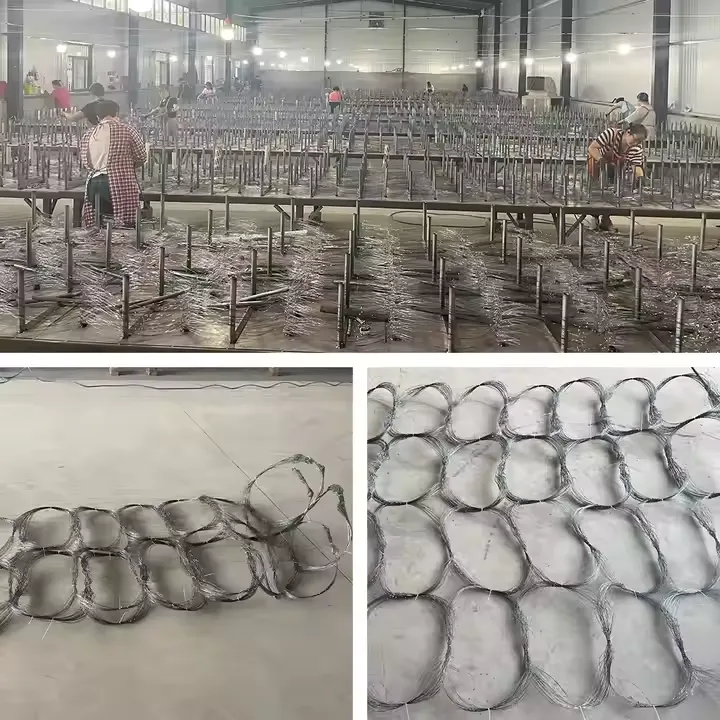
Vendor comparison (quick look)
| Vendor | Origin | Coating | Lead time | Certs | Customization | Price |
|---|---|---|---|---|---|---|
| Wire Barrier Inconspicuousnet (Jinjiu) | Anping, Hebei, CN | MZP / Zn–Al + matte topcoat | 2–4 weeks | ISO 9001, EN 10223 | High (RAL, Ø, mesh) | Mid |
| Regional Fabricator | EU/US | Zn or powder only | 3–6 weeks | ISO 9001 | Medium | High |
| Generic Importer | Various | Basic Zn | 4–8 weeks | – | Low | Low |
Customization and ordering
- Heights: 1.2–2.4 m; posts: round or I-beam; hardware in black oxide or galvanized.- Colors: RAL-matched matte; reflectance minimized (L tuned for terrain).
- Mesh and wire options for wildlife corridors, anti-climb zones, and rapid-deploy kits.
Origin: High-tech Industrial Park, Anping County, Hebei Province, China. Lead times are surprisingly sensible, I guess because the line runs continuously.
Standards and test data
Complies with or references: ASTM A641/A641M (zinc-coated wire), EN 10223 (fencing wire), ISO 9227 (salt spray), ISO 1461 (galvanizing), and ISO 9001 quality systems. Typical lab results from recent lots: coating mass 260 g/m² (±5%), adhesion ISO 2409: Class 1, salt spray 1,000–1,200 h no base metal red rust.Citations
- ASTM A641/A641M – Zinc-Coated (Galvanized) Carbon Steel Wire.
- EN 10223-4 – Steel wire and wire products for fences.
- ISO 9227 – Corrosion tests in artificial atmospheres (salt spray).
- ISO 1461 – Hot dip galvanized coatings on fabricated iron and steel.
- ISO 9001 – Quality management systems.

Related Products
Related News


2026-03-16 14:21:07
Discover durable farming solutions and flexible animal containment with hinge-knot field fence. Combining impact-resistant design and customizable options, Hebei Jinjiu ensures quality for agricultural applications. Explore now: https://www.jinjiuwiremesh.com/field-fencefarm-fence.html
2026-03-16 14:21:07
Discover durable farming solutions and flexible animal containment with hinge-knot field fence. Combining impact-resistant design and customizable options, Hebei Jinjiu ensures quality for agricultural applications. Explore now: https://www.jinjiuwiremesh.com/field-fencefarm-fence.html
2027-04-14 00:00:00
Discover durable farming solutions and flexible animal containment with hinge-knot field fence. Combining impact-resistant design and customizable options, Hebei Jinjiu ensures quality for agricultural applications. Explore now: https://www.jinjiuwiremesh.com/field-fencefarm-fence.html
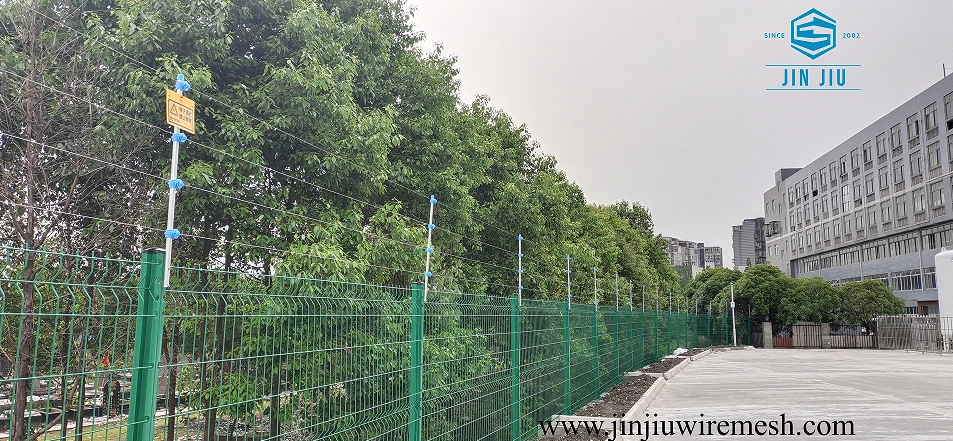
2026-02-25 15:31:06
The Strategic Role of the Industrial Electric Fence in Modern Commerce
The protection of corporate and manufacturing assets has transitioned from a matter of simple boundary marking to a complex necessity of risk management.
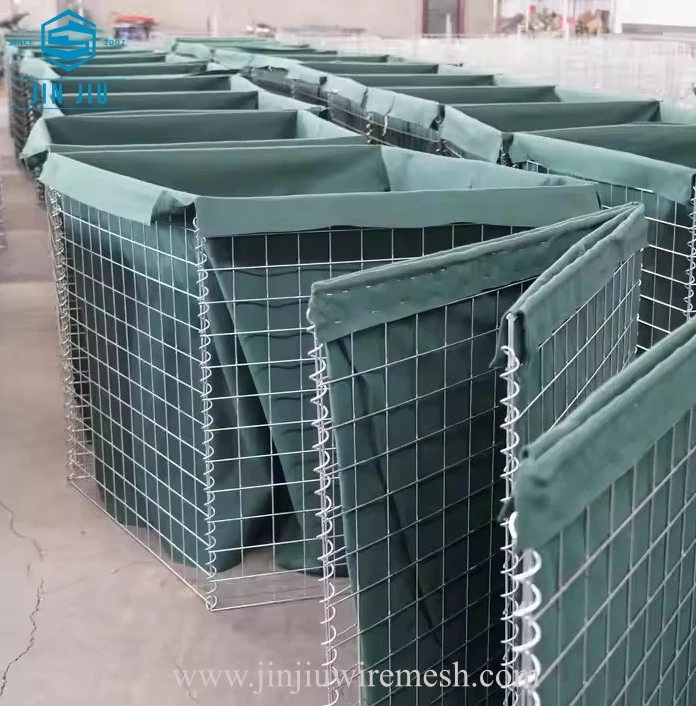
2026-02-25 15:29:03
The Evolution of Physical Protection: Bullet Resistant Defensive Barriers in Modern Security
In an increasingly unpredictable global landscape, the requirement for high-level ballistic protection has moved beyond the battlefield and into the core of civilian and industrial security infrastructure.
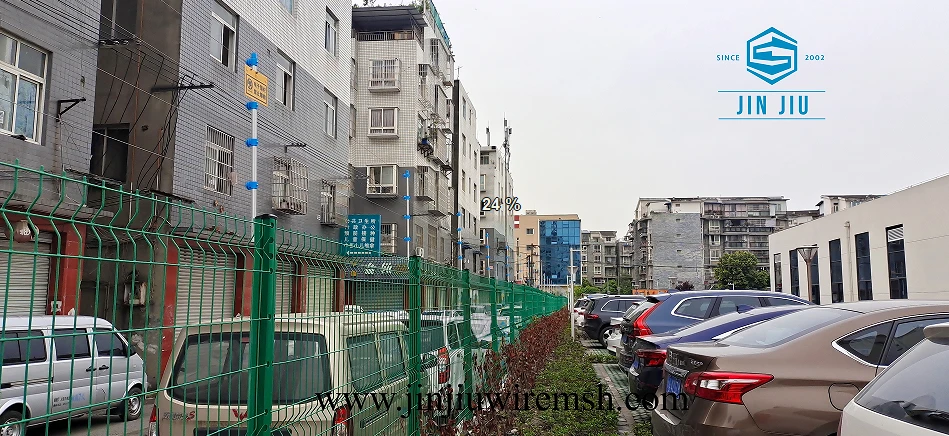
2026-02-25 15:26:58
The Digital Backbone of Modern Security: Connected Pulse Monitoring Electric Fence Architecture
The traditional concept of a perimeter has undergone a fundamental transformation.
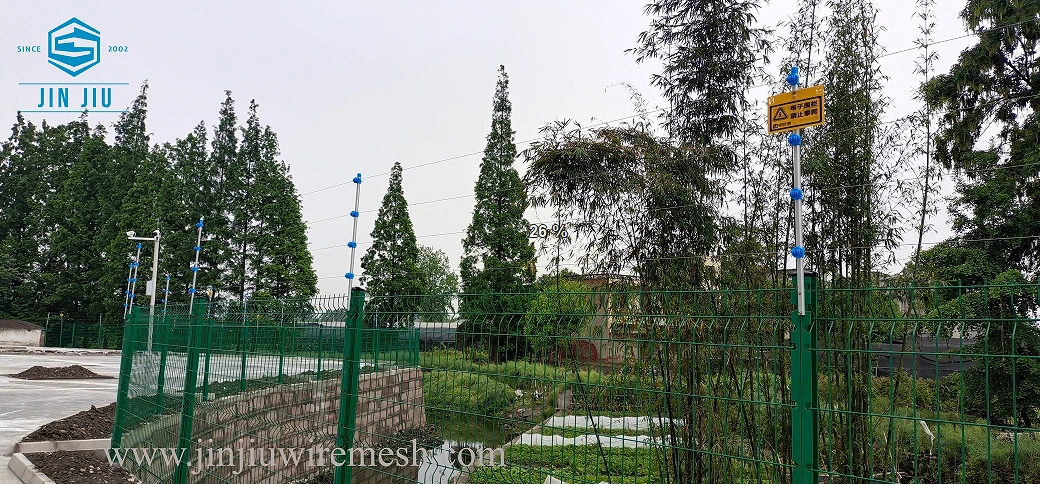
2026-02-25 15:24:13
Securing the Unreachable with a Powerful Pulse Electric Fence
In the realm of global security, the distinction between a standard boundary and a high-security perimeter is often defined by the technology pulsing through the wires.
2027-04-14 00:00:00
Engineering Resilience with Explosion Proof Defensive Barriers
In an era where industrial safety and national security are increasingly intertwined, the necessity for specialized protection in volatile environments has never been higher.


 English
  Albanian
  Arabic
  Bengali
  Czech
Czech  Danish
  Dutch
Dutch  Finnish
  French
  German
  Japanese
  Malay
Malay  Persian
  Polish
  Portuguese
  Romanian
  Russian
  Serbian
  Spanish
  Swahili