





Hebei Jinjiu Metal Products Co.,Ltd


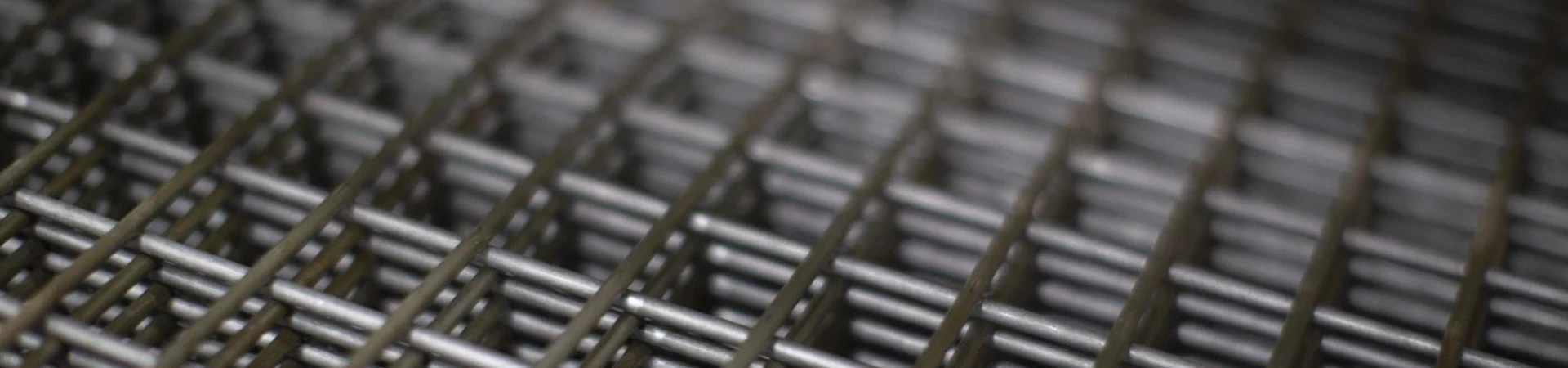

Wire Barrier Inconspicuousnet: Low-Profile, High-Tensile
Oct . 13, 2025 16:30
A Quiet Line of Defense: Wire Barrier Inconspicuousnet in Real-World Use
When planners ask me for a perimeter that doesn’t shout “security” yet actually performs, I keep coming back to the Wire Barrier Inconspicuousnet. It’s the kind of system you notice only when you get close—then you realize it’s there, and it’s tough. Origin-wise, it comes out of the High-tech Industrial Park, Anping County, Hebei Province, China—no stranger to serious wire mesh manufacturing.
What’s Trending (and why it matters)
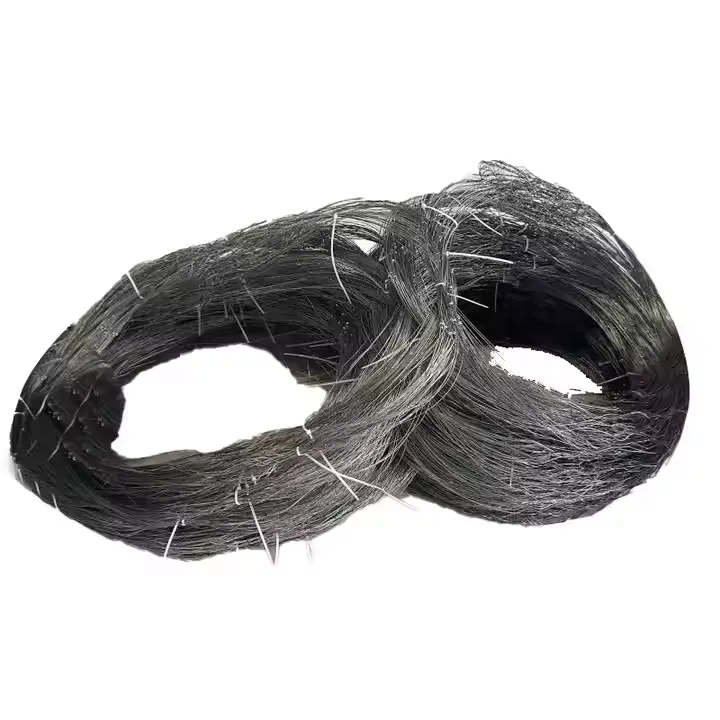
Urban projects want low-visual-impact barriers; wildlife corridors demand minimal intrusion; and stadiums prefer discreet, camera-friendly perimeters. The market has pivoted toward thin-gauge, high-tensile, Zn–Al (often called MZP or Galfan-style) coated wires paired with narrow-aperture meshes. In short: lighter, stronger, longer-lasting. Honestly, five years ago I was skeptical. Now, seeing corrosion data and field installs, I’m convinced.
Technical Backbone
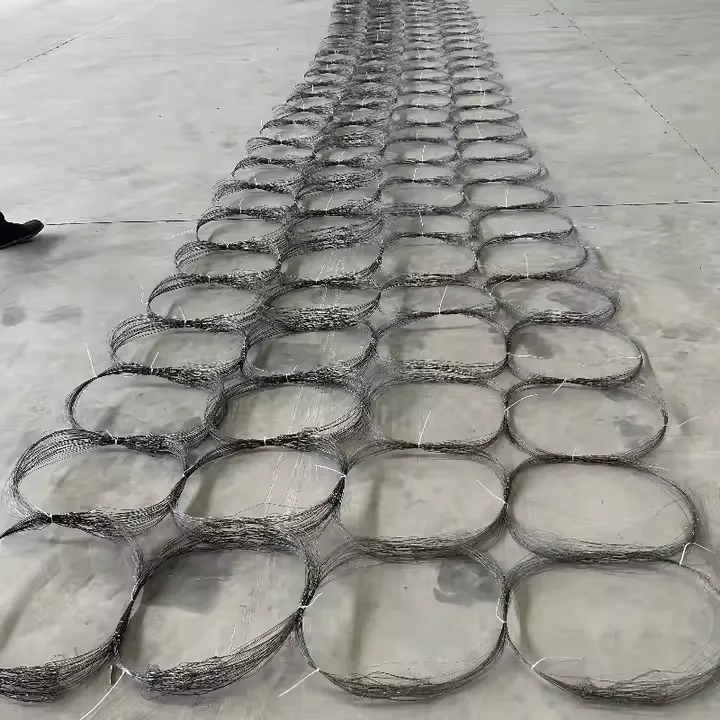
Wire Barrier Inconspicuousnet typically uses MZP (micro zinc plus aluminum) alloy coating on cold-drawn low-carbon steel wire. That mix gives better sacrificial protection and self-healing at scratches. Mesh geometry is engineered to be camera-transparent yet climb-resistant—an odd but effective combo.
| Spec | Typical Value (≈ / real-world may vary) |
|---|---|
| Wire diameter | 1.8–3.5 mm (core), 2.0–3.8 mm overall |
| Mesh aperture | 50×50 mm, 60×40 mm, or custom |
| Coating | Zn–Al (MZP) ≈ 200–275 g/m²; optional powder topcoat |
| Tensile strength | 450–650 MPa wire; panels engineered to project loads |
| Corrosion resistance | > 500 h ASTM B117 / ISO 9227, topcoat > 1,000 h (lab) |
| Service life | 12–20 years coastal; 20–30 years inland (est.) |
| Visibility index | Low (narrow wire + matte finish) |
| Compliance | ISO 1461, EN 10244-2, ASTM A641 guidance |
Process Flow, Testing, and QA
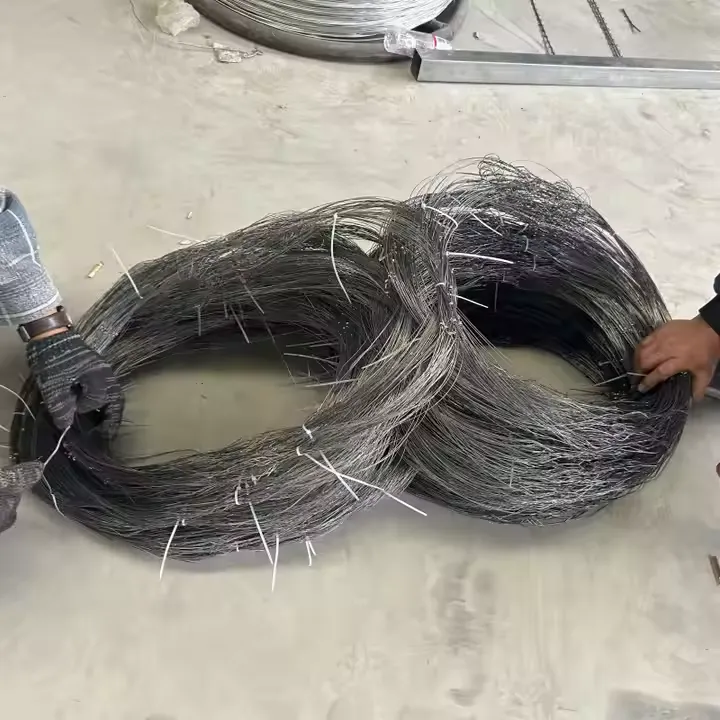
- Materials: low-carbon wire rod, MZP alloy bath, UV-stable powder.
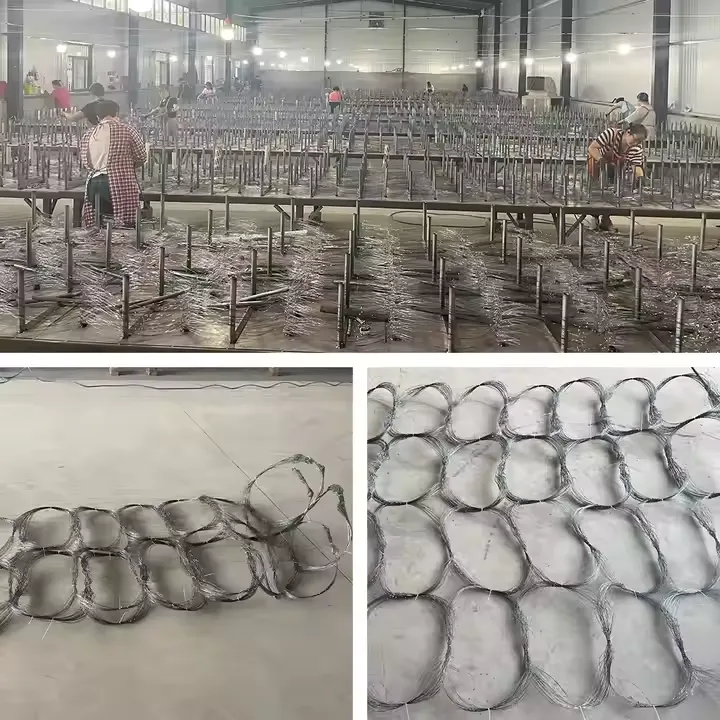
- Methods: pickling → cold drawing → MZP coating → welding → passivation → powder coat (optional).
- Testing: coating mass per EN 10244-2; salt spray per ASTM B117 / ISO 9227; adhesion ISO 2409; tensile per ISO 6892-1; weld shear checks; dimensional tolerance logs.
- Traceability: heat/batch stamped; mill certs archived 10+ years.
Service crews tell me installs are quick: lightweight panels, fewer footings, and unobtrusive anchors. Many customers say the matte zinc-gray almost disappears against vegetation—surprisingly effective on camera, too.
Use Cases and Advantages
- Transit and stations (clear CCTV sightlines, anti-climb).
- Data centers, light industrial parks, airports perimeter zones.
- Eco-sensitive trails and parks where visual impact must be low.
- Sports venues needing spectator-safe but camera-friendly fencing.
Advantages: low visual profile, long corrosion life, scalable customization (aperture, height, powder colors), and compliant coatings. To be honest, the maintenance savings in coastal towns have been the clincher.
Vendor Snapshot (quick comparison)
| Vendor | Coating | Lead Time | Certs/Tests | Customization |
|---|---|---|---|---|
| Jinjiu (Anping) | MZP Zn–Al + optional powder | ≈ 15–25 days | ISO 1461, EN 10244-2, ASTM B117 reports | High (mesh, color, posts) |
| Vendor A | HDG only | ≈ 25–35 days | Basic galvanizing cert | Medium |
| Vendor B | PVC over Zn | ≈ 20–30 days | ISO 9227 only | Medium–High |
Customization & Real Projects
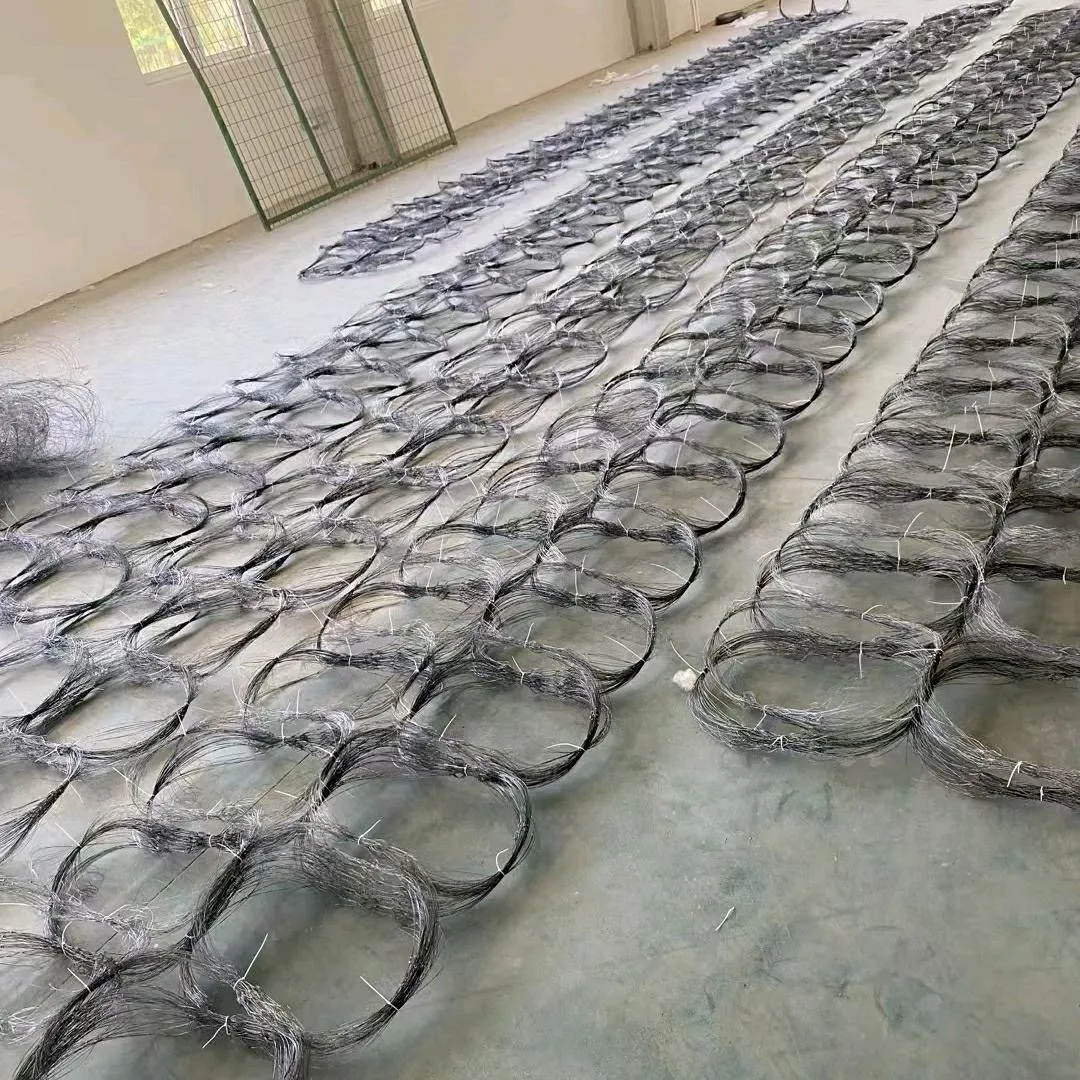
Options include mesh aperture, wire gauge, panel height (1.2–3.0 m common), powder colors (RAL range), anti-climb capping, and concealed fasteners. I guess the concealed hardware is what architects geek out over.
- Case 1: Coastal promenade, 1.8 km. Switched from PVC to Wire Barrier Inconspicuousnet; after 14 months, no blistering, salt-spray labs showed >1,000 h pass with powder topcoat. Public feedback: “fence disappears at dusk.”
- Case 2: Light-rail depot, urban core. CCTV clarity improved ≈12% vs. heavier welded mesh (security team’s metric), fewer ladder assists due to tighter aperture.
Certifications and Data Points
Typical documentation: mill test certificates, coating mass per EN 10244-2, salt spray per ASTM B117/ISO 9227, adhesion ISO 2409, tensile ISO 6892-1. Some projects ask for third-party witness—doable on request. Field life, of course, depends on environment and maintenance.
References
- ISO 1461: Hot dip galvanized coatings — Requirements and test methods.
- EN 10244-2: Steel wire and wire products — Coating with zinc or zinc alloys.
- ASTM B117 / ISO 9227: Salt Spray (Fog) Testing for corrosion resistance.
- ISO 2409: Paints and varnishes — Cross-cut test (adhesion).
- ISO 6892-1: Metallic materials — Tensile testing at room temperature.

Related Products
Related News


2026-03-16 14:21:07
Discover durable farming solutions and flexible animal containment with hinge-knot field fence. Combining impact-resistant design and customizable options, Hebei Jinjiu ensures quality for agricultural applications. Explore now: https://www.jinjiuwiremesh.com/field-fencefarm-fence.html
2026-03-16 14:21:07
Discover durable farming solutions and flexible animal containment with hinge-knot field fence. Combining impact-resistant design and customizable options, Hebei Jinjiu ensures quality for agricultural applications. Explore now: https://www.jinjiuwiremesh.com/field-fencefarm-fence.html
2027-04-14 00:00:00
Discover durable farming solutions and flexible animal containment with hinge-knot field fence. Combining impact-resistant design and customizable options, Hebei Jinjiu ensures quality for agricultural applications. Explore now: https://www.jinjiuwiremesh.com/field-fencefarm-fence.html
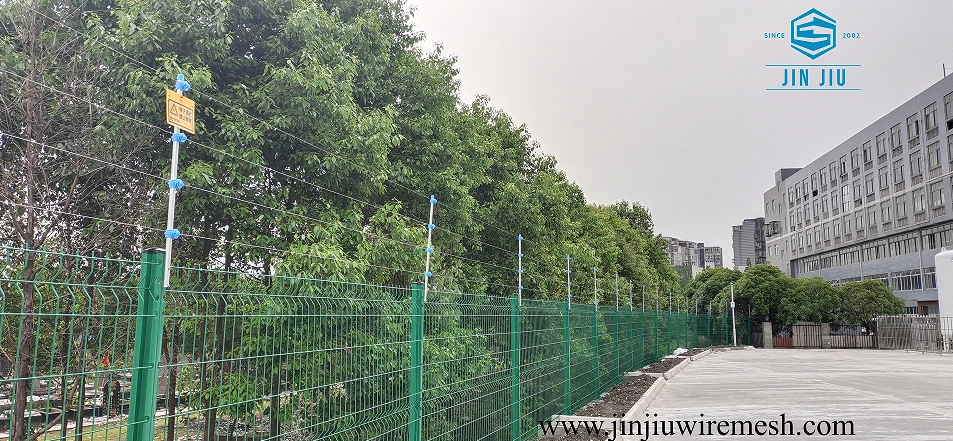
2026-02-25 15:31:06
The Strategic Role of the Industrial Electric Fence in Modern Commerce
The protection of corporate and manufacturing assets has transitioned from a matter of simple boundary marking to a complex necessity of risk management.
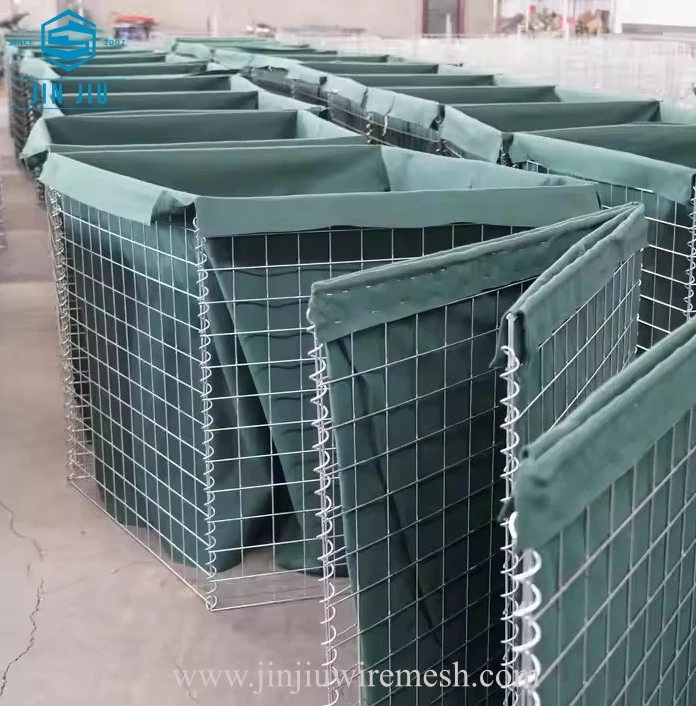
2026-02-25 15:29:03
The Evolution of Physical Protection: Bullet Resistant Defensive Barriers in Modern Security
In an increasingly unpredictable global landscape, the requirement for high-level ballistic protection has moved beyond the battlefield and into the core of civilian and industrial security infrastructure.
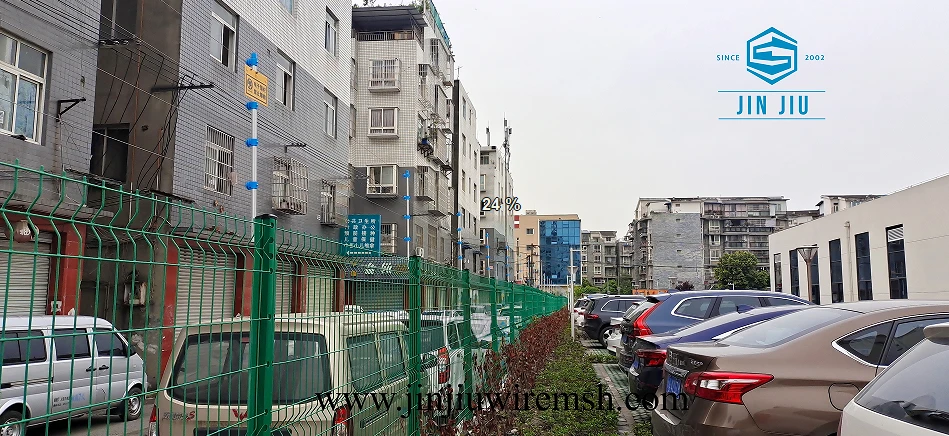
2026-02-25 15:26:58
The Digital Backbone of Modern Security: Connected Pulse Monitoring Electric Fence Architecture
The traditional concept of a perimeter has undergone a fundamental transformation.
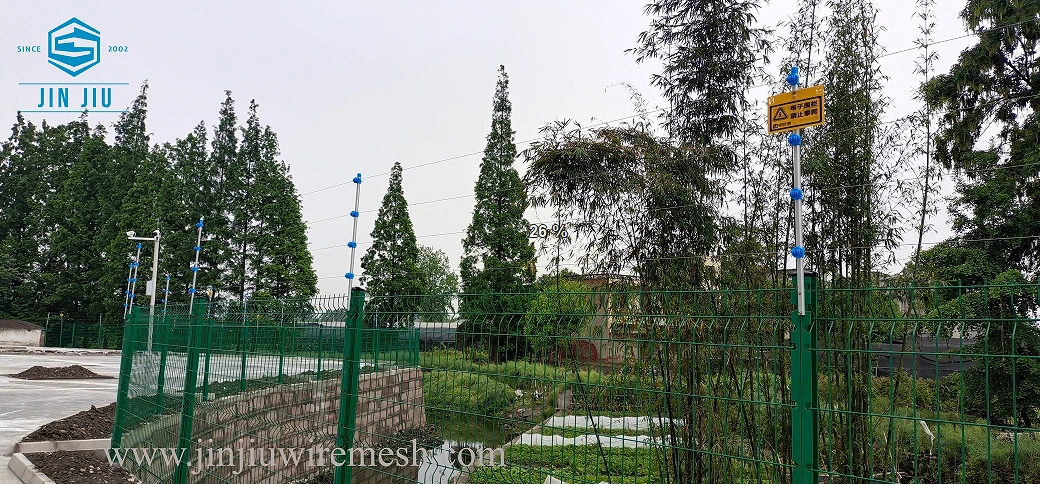
2026-02-25 15:24:13
Securing the Unreachable with a Powerful Pulse Electric Fence
In the realm of global security, the distinction between a standard boundary and a high-security perimeter is often defined by the technology pulsing through the wires.
2027-04-14 00:00:00
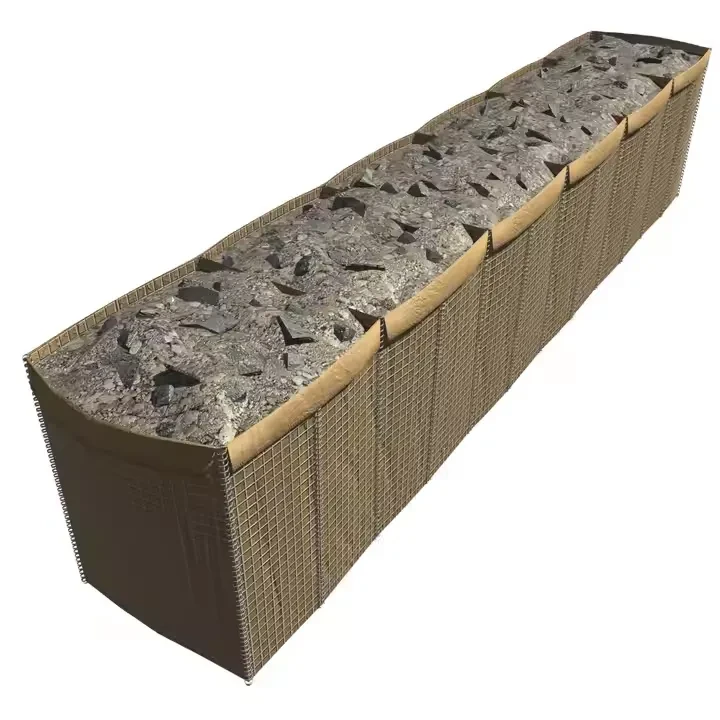
Engineering Resilience with Explosion Proof Defensive Barriers
In an era where industrial safety and national security are increasingly intertwined, the necessity for specialized protection in volatile environments has never been higher.


 English
  Albanian
  Arabic
  Bengali
  Czech
Czech  Danish
  Dutch
Dutch  Finnish
  French
  German
  Japanese
  Malay
Malay  Persian
  Polish
  Portuguese
  Romanian
  Russian
  Serbian
  Spanish
  Swahili