





Hebei Jinjiu Metal Products Co.,Ltd


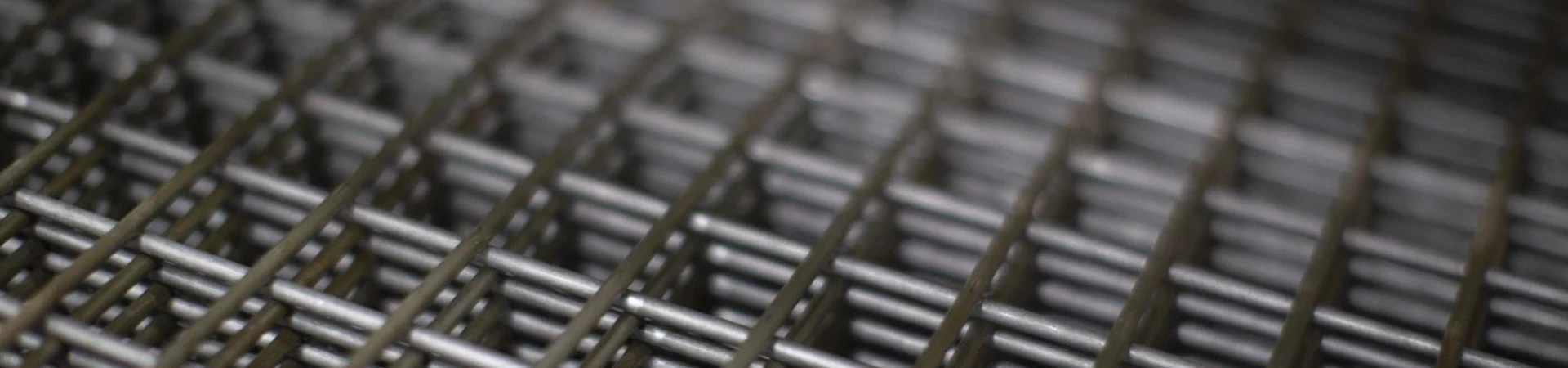

Reliable Anti Tank Mesh Barriers for Industrial Security - Jinjiu Wire Mesh
Dec . 11, 2025 04:10
Anti Tank Mesh Barriers: A Veteran's Take on Essential Industrial Security
Having spent a couple of decades working around industrial equipment and security installations, I’ve come across my fair share of physical defense structures. But anti tank mesh barriers always stand out for their mix of brute strength and clever engineering. Oddly enough, they’re not just about raw power; there’s an art to their design that balances durability, installation ease, and adaptability on different sites.
In real terms, these barriers act as the unsung guardians of sensitive facilities—military bases, government buildings, even critical infrastructure. Their robust welded steel meshes are designed to stop or slow down heavy armored vehicles, making them a frontline tool in perimeter defense.
What drew me early on to these systems was their impressive tensile strength combined with surprisingly minimal weight compared to solid walls or concrete blocks. The mesh itself is typically made from galvanized or stainless steel wire, often coated with anti-corrosive paint to withstand harsh outdoor conditions. Frankly, this attention to material longevity is critical in environments prone to rust or sand abrasion.
During one project, I noticed that installing these barriers was far quicker and required less heavy equipment than conventional barricades. This speed is a huge advantage when rapid deployment matters in field operations or emergency scenarios. Also, the modular nature allows for easy replacement of damaged sections without tearing down the entire line.
| Specification | Typical Value |
|---|---|
| Mesh Type | Welded steel wire mesh |
| Wire Diameter | 8 – 12 mm |
| Panel Size | 2.0 m x 2.5 m |
| Finish | Hot-dip galvanization with epoxy coating |
| Impact Resistance | Compatible with 60-ton armored vehicles |
| Installation Method | Bolted to steel posts fixed in concrete |
Now, choosing the right anti tank mesh barrier supplier isn’t trivial. From my experience, it boils down to quality consistency and after-sales service. Let me share a quick vendor comparison I put together from work with some of the leading manufacturers. It’s a shorthand I use when helping clients decide what to trust their perimeter protection with.
| Vendor | Material Quality | Customization Options | Lead Time | After-Sales Support |
|---|---|---|---|---|
| Jinjiu Wire Mesh | Excellent (galvanized & epoxy) | Highly flexible | 4–6 weeks | Responsive, technical advice available |
| SteelGuard Solutions | Good (standard galvanized) | Limited | 6–8 weeks | Basic, email only |
| FortLine Barriers | Very good (stainless steel option) | Some customization | 5–7 weeks | On-site support available |
One little story that stuck with me was when a client in a desert area shared their feedback on the corrosive challenges they faced. Jinjiu’s epoxy-coated mesh held up far better than others after prolonged exposure to intense sun and occasional sandstorms. That real-world proof, honestly, matters more than any spec sheet.
There’s a practical elegance to how anti tank mesh barriers combine form and function. They’re not the flashiest solution, but they’re reliable, tough, and fit the gritty realities of industrial defense. Many engineers I’ve spoken to say the same: you want something proven, that won’t fail when it’s needed most.
So, if you’re in the market for robust perimeter protection, do take a good look at the options and weigh them not just on price but on longevity and supplier expertise. It feels like the safer bet in an uncertain world.
Thanks for sticking with me through this overview. Feel free to check out anti tank mesh barriers there—and, you know, sometimes the simplest steel meshes tell the most compelling security stories.
References:
1. Industry-standard materials in anti-vehicular perimeter defenses, Defense Security Journal (2022)
2. Case study feedback from Jinjiu Wire Mesh clients, internal reports (2023)
3. Field installation notes from multiple industrial projects, personal experience (2004–2024)

Related Products

Related News


2026-03-16 14:21:07
Discover durable farming solutions and flexible animal containment with hinge-knot field fence. Combining impact-resistant design and customizable options, Hebei Jinjiu ensures quality for agricultural applications. Explore now: https://www.jinjiuwiremesh.com/field-fencefarm-fence.html
2026-03-16 14:21:07
Discover durable farming solutions and flexible animal containment with hinge-knot field fence. Combining impact-resistant design and customizable options, Hebei Jinjiu ensures quality for agricultural applications. Explore now: https://www.jinjiuwiremesh.com/field-fencefarm-fence.html
2027-04-14 00:00:00
Discover durable farming solutions and flexible animal containment with hinge-knot field fence. Combining impact-resistant design and customizable options, Hebei Jinjiu ensures quality for agricultural applications. Explore now: https://www.jinjiuwiremesh.com/field-fencefarm-fence.html
2026-02-25 15:31:06
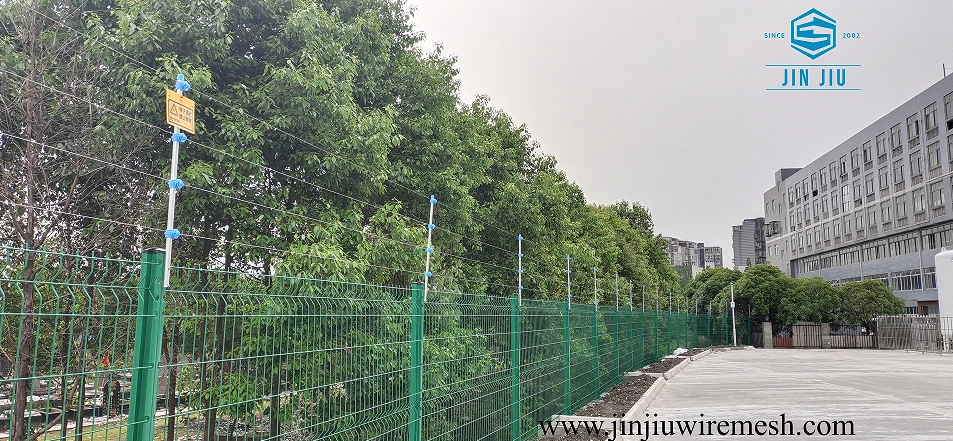
The Strategic Role of the Industrial Electric Fence in Modern Commerce
The protection of corporate and manufacturing assets has transitioned from a matter of simple boundary marking to a complex necessity of risk management.
2026-02-25 15:29:03
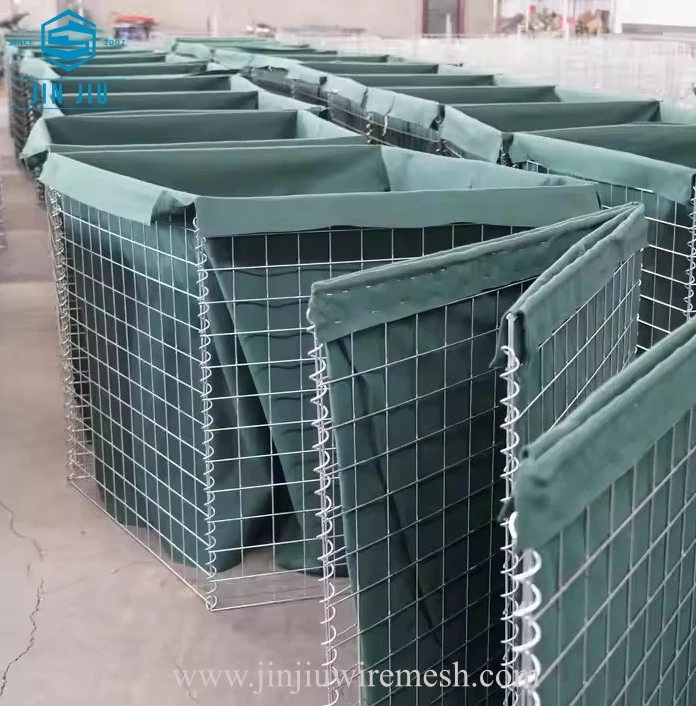
The Evolution of Physical Protection: Bullet Resistant Defensive Barriers in Modern Security
In an increasingly unpredictable global landscape, the requirement for high-level ballistic protection has moved beyond the battlefield and into the core of civilian and industrial security infrastructure.
2026-02-25 15:26:58
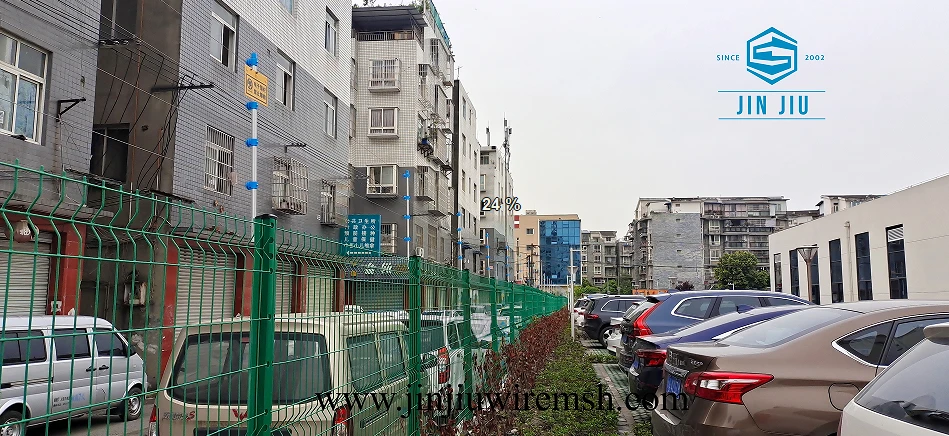
The Digital Backbone of Modern Security: Connected Pulse Monitoring Electric Fence Architecture
The traditional concept of a perimeter has undergone a fundamental transformation.
2026-02-25 15:24:13
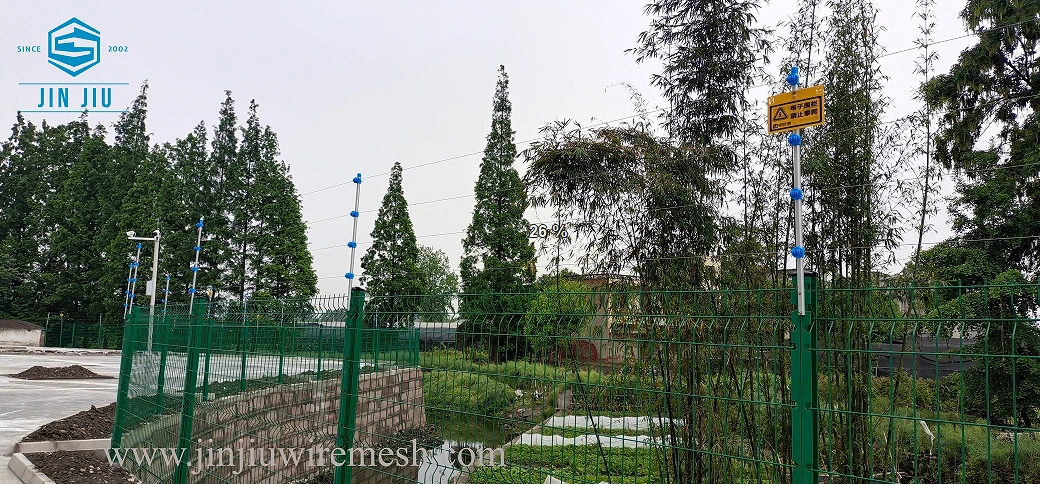
Securing the Unreachable with a Powerful Pulse Electric Fence
In the realm of global security, the distinction between a standard boundary and a high-security perimeter is often defined by the technology pulsing through the wires.
2027-04-14 00:00:00
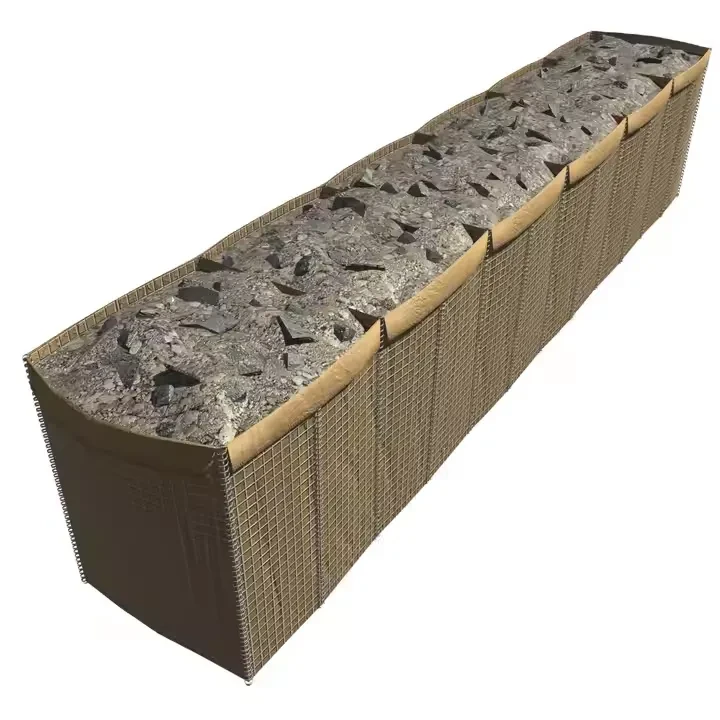
Engineering Resilience with Explosion Proof Defensive Barriers
In an era where industrial safety and national security are increasingly intertwined, the necessity for specialized protection in volatile environments has never been higher.


 English
  Albanian
  Arabic
  Bengali
  Czech
Czech  Danish
  Dutch
Dutch  Finnish
  French
  German
  Japanese
  Malay
Malay  Persian
  Polish
  Portuguese
  Romanian
  Russian
  Serbian
  Spanish
  Swahili