





Hebei Jinjiu Metal Products Co.,Ltd


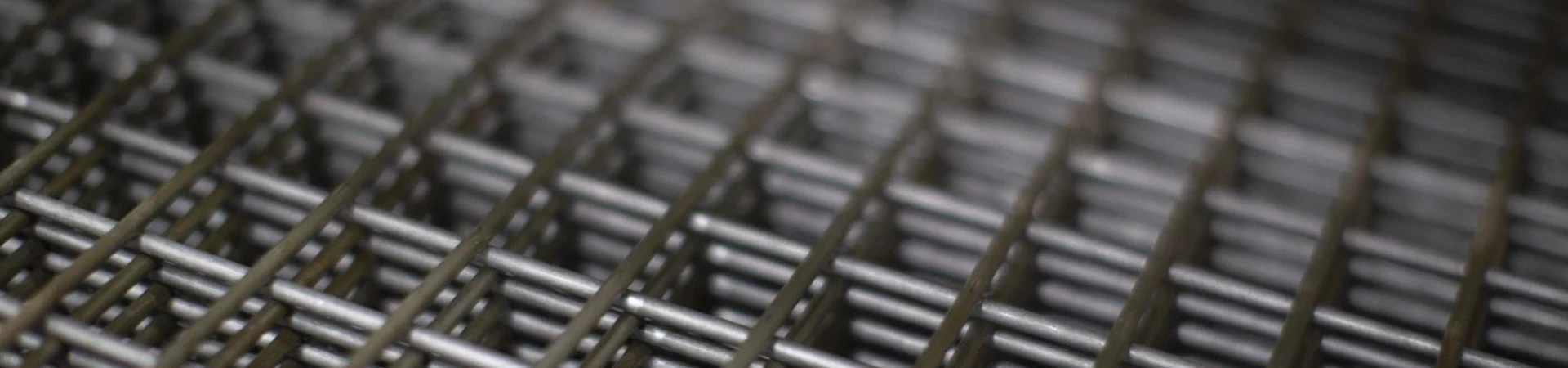

Defense Fence Tank Tracks Wound Net | Durable Security Mesh
Dec . 09, 2025 07:20
Understanding the Defense Fence Tank Tracks Wound Net
Having spent quite a stretch in the industrial equipment sector, specifically with defense and security fencing solutions, I’ve seen my fair share of innovations—and some that frankly just feel like incremental tweaks. But defense fence tank tracks wound net technology? That stands out in a pretty solid way.
First off, let's unpack what this product really is. Imagine a type of wire mesh that’s wound tightly into rolls, designed specifically to withstand the repeated pressure and abrasive interaction of heavy armored vehicles—like tanks—running along or intentionally trying to breach perimeter fences. The "tank tracks" part is literal here: it’s engineered to resist the damage from the metal treads grinding against it, hence the “wound net” structure to diffuse that force.
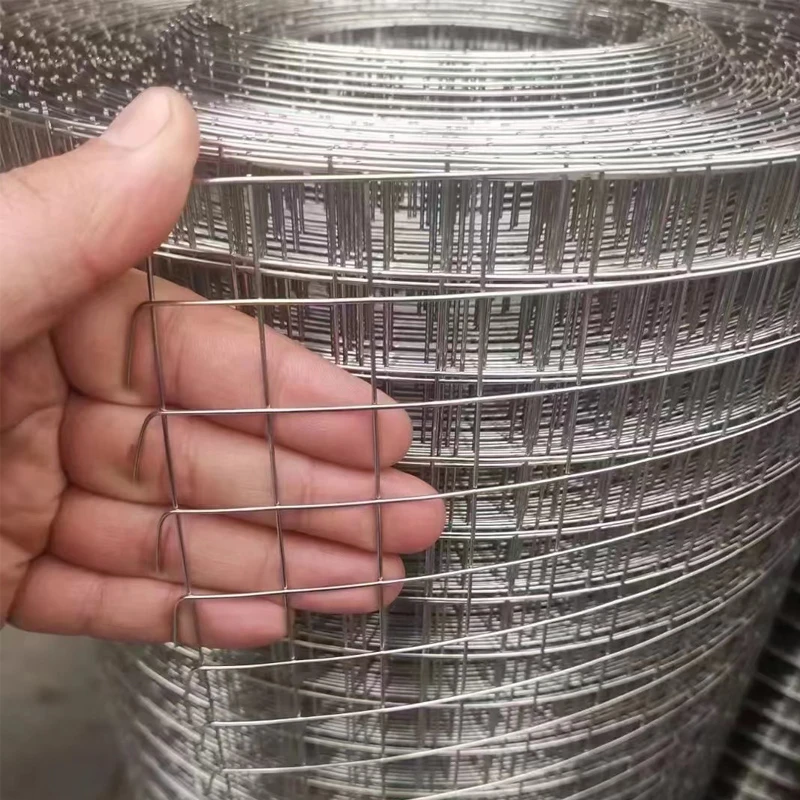
In real terms, this is a specialized type of wire mesh fence, with high-strength galvanized steel or sometimes even stainless steel wire, woven or welded with unusually tight tolerances. It’s then coiled into rolls ("wound"), making deployment and installation faster on site, which is an often overlooked but critical benefit. Engineers I’ve chatted with say the rolled design simply cuts down labor time dramatically—a big plus when you’re racing against deadlines in a hostile environment.
The construction uses tough, galvanized wire, sometimes double-dipped for extra corrosion resistance. What I noticed decades ago, when working with frontline contractors, was how crucial such durability is. Salt spray, sand abrasion, and rust can cause typical fences to become a liability in short order. This wound net resists all that, extending service life beyond 10 years in harsh climates.
| Specification | Details |
|---|---|
| Wire Diameter | 3.0 - 6.0 mm |
| Mesh Size | 50 x 50 mm or customizable |
| Coating | Hot-dip galvanized or PVC coated |
| Roll Length | 10 - 30 meters |
| Roll Height | 1.5 - 3 meters |
Talking about customization—not every fence needs the same specs. Often a client’s site layout or operational needs drive unique mesh sizes or coatings. In one project I recall, the customer requested a thicker PVC coating on the mesh due to extreme coastal humidity and salt fog—perfect example of how these products have to flex to real-world variables. Oddly enough, this little tweak saved the fence from early degradation that had been plaguing their previous lines.
Testing and certification? Oh yes, these nets don’t just roll off the factory floor looking pretty. They go through rigorous tensile strength tests, corrosion resistance checks, and impact assessments. It’s reassuring because, when budgets are tight and security stakes are high, you want to know the fence isn’t gonna fail after a couple of armored vehicle passes.
| Vendor | Material Quality | Customization | Lead Time | Typical Use Cases |
|---|---|---|---|---|
| Jinjiu Wire Mesh | High - premium galvanized steel | Extensive; mesh size & coating | 2-4 weeks | Military bases, border security |
| Standard Defense Co. | Medium - galvanized steel | Limited | 3-5 weeks | Industrial facilities, warehouses |
| Fortis Security | High - stainless steel option | Moderate | 4-6 weeks | High-risk border zones |
It’s curious, in the defense sector, how something as seemingly simple as a fence can become a sine qua non of safety strategies. I remember a case where a client described how the installation of a tank tracks wound net fence literally slowed advancing military vehicles enough to allow security forces to respond. No matter the technology driving modern defense, sometimes it’s the mesh underfoot that does the heavy lifting.
All said, if you’re weighing this mesh for your perimeter needs, here’s my takeaway: durability and customization matter most. Don’t settle for standard fencing when you’re securing sensitive zones. You want a product that blends engineering with practical battlefield-tested design, something like the defense fence tank tracks wound net options I’ve come to respect. And yes, it pays off to budget for quality – because security can’t be compromised.
So, whether you’re an engineer, procurement manager, or just the curious sort, the right mesh fence can make a significant difference in facility protection. It’s worth the time to understand the specs, compare vendors thoughtfully, and think long-term.
Here’s hoping this little deep dive sheds some light on what otherwise seems like “just another fence.” The devil’s in the details—and in this case, it’s also in the strength and resilience.
References:
- “Perimeter Security Technologies,” Defense Industry Journal, 2022.
- Jinjiu Wire Mesh technical specification sheets, 2023.
- Interview with field engineer, SecureFencing Solutions, 2021.

Related Products
Related News


2026-03-16 14:21:07
Discover durable farming solutions and flexible animal containment with hinge-knot field fence. Combining impact-resistant design and customizable options, Hebei Jinjiu ensures quality for agricultural applications. Explore now: https://www.jinjiuwiremesh.com/field-fencefarm-fence.html
2026-03-16 14:21:07
Discover durable farming solutions and flexible animal containment with hinge-knot field fence. Combining impact-resistant design and customizable options, Hebei Jinjiu ensures quality for agricultural applications. Explore now: https://www.jinjiuwiremesh.com/field-fencefarm-fence.html
2027-04-14 00:00:00
Discover durable farming solutions and flexible animal containment with hinge-knot field fence. Combining impact-resistant design and customizable options, Hebei Jinjiu ensures quality for agricultural applications. Explore now: https://www.jinjiuwiremesh.com/field-fencefarm-fence.html
2026-02-25 15:31:06
The Strategic Role of the Industrial Electric Fence in Modern Commerce
The protection of corporate and manufacturing assets has transitioned from a matter of simple boundary marking to a complex necessity of risk management.
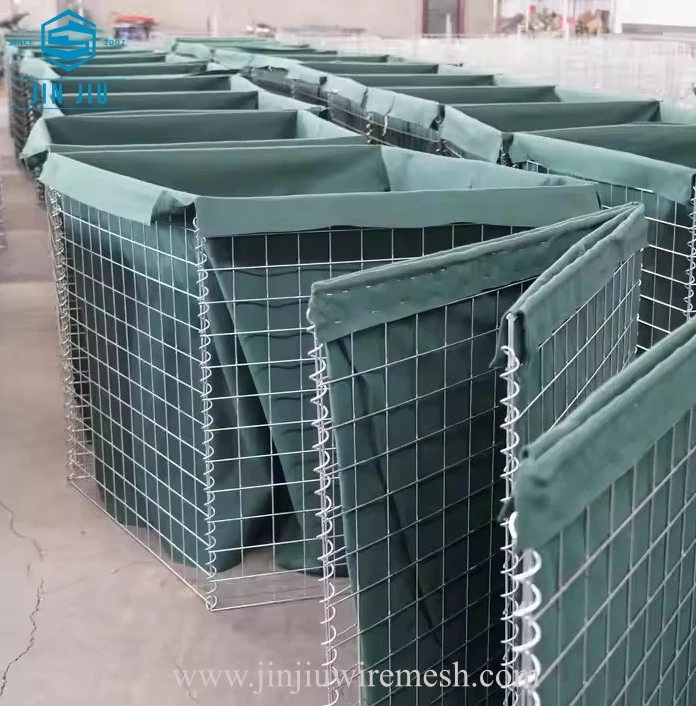
2026-02-25 15:29:03
The Evolution of Physical Protection: Bullet Resistant Defensive Barriers in Modern Security
In an increasingly unpredictable global landscape, the requirement for high-level ballistic protection has moved beyond the battlefield and into the core of civilian and industrial security infrastructure.
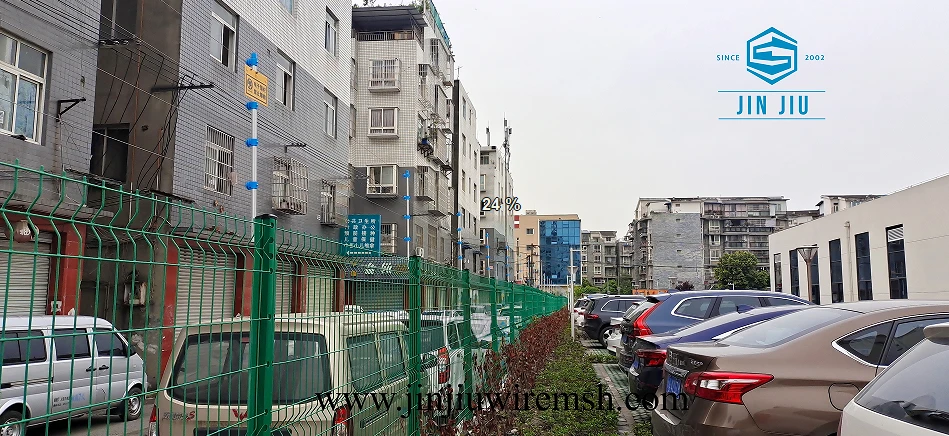
2026-02-25 15:26:58
The Digital Backbone of Modern Security: Connected Pulse Monitoring Electric Fence Architecture
The traditional concept of a perimeter has undergone a fundamental transformation.
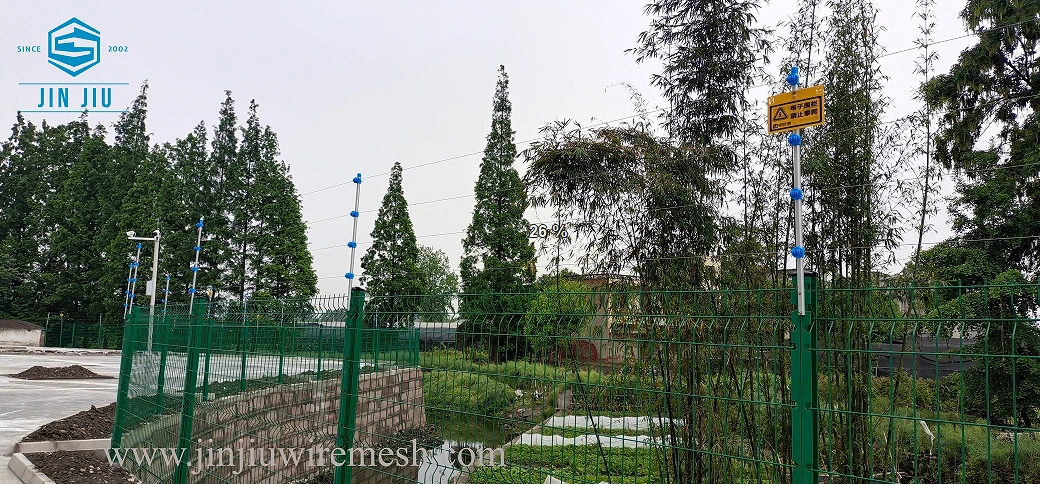
2026-02-25 15:24:13
Securing the Unreachable with a Powerful Pulse Electric Fence
In the realm of global security, the distinction between a standard boundary and a high-security perimeter is often defined by the technology pulsing through the wires.
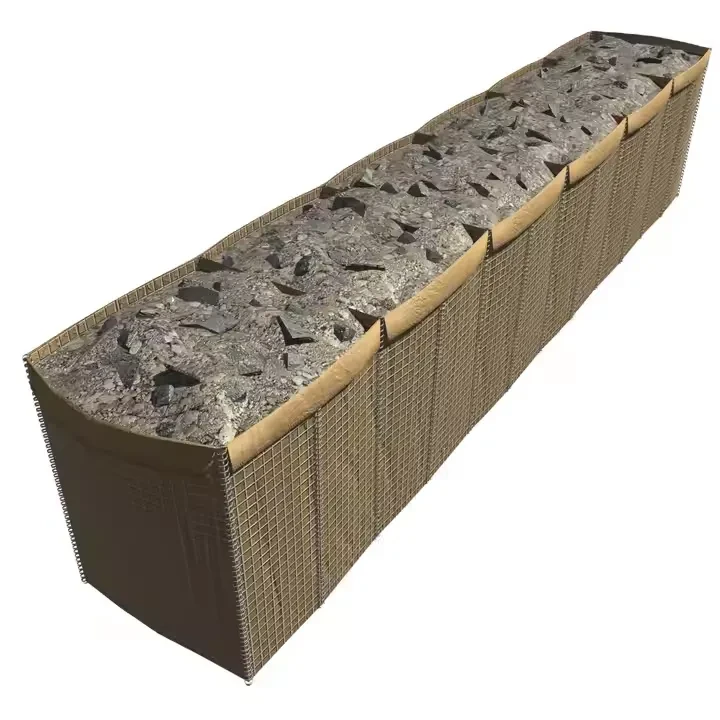
2027-04-14 00:00:00
Engineering Resilience with Explosion Proof Defensive Barriers
In an era where industrial safety and national security are increasingly intertwined, the necessity for specialized protection in volatile environments has never been higher.


 English
  Albanian
  Arabic
  Bengali
  Czech
Czech  Danish
  Dutch
Dutch  Finnish
  French
  German
  Japanese
  Malay
Malay  Persian
  Polish
  Portuguese
  Romanian
  Russian
  Serbian
  Spanish
  Swahili