





Hebei Jinjiu Metal Products Co.,Ltd



3 8 Wire Rope for Sale | Galvanized, Cut Length, Fast Ship
Oct . 18, 2025 16:00
Looking for 3 8 wire rope for sale? Field Notes, Specs, and Real-World Tips
If you deal with lifting, rigging, pulling, or safety lines, 3/8 inch wire rope is the everyday workhorse. I’ve visited mills from coastal galvanizers to inland stranders, and—honestly—quality still varies more than brochures admit. Below is what I’d want to know before buying, based on shop-floor chats and test reports.
Industry snapshot
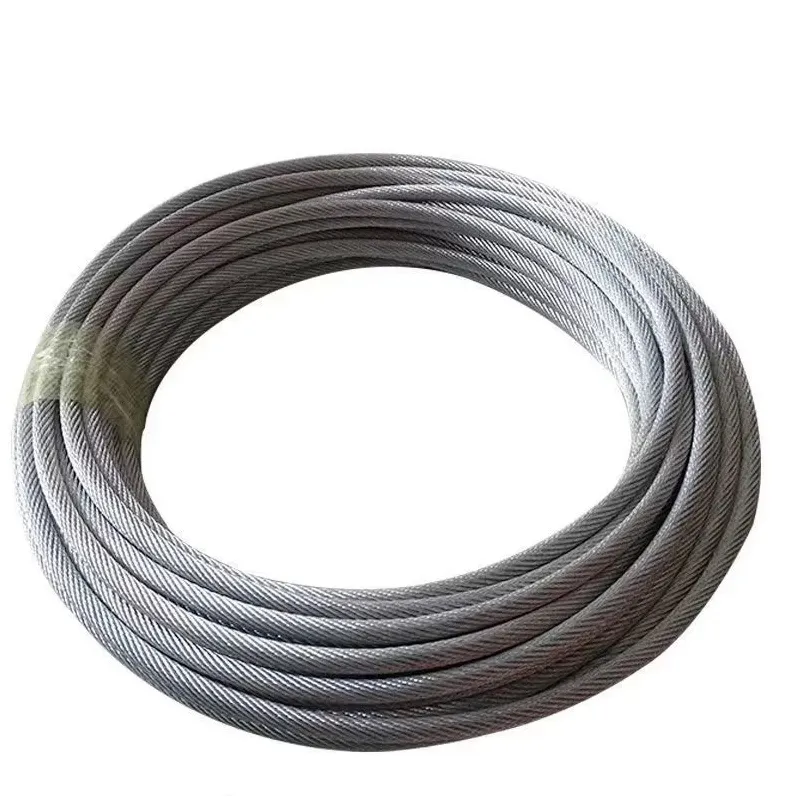
Demand for 3/8" ropes is steady across construction hoists, winches, recovery gear, and marine lines. The trend? More 316 stainless for coastal installs and compacted 6x36 for smoother spooling. Many customers say they’re shifting to pre-lubed ropes to stretch service life—less grime and fewer surprise strand breaks.
Core specs at a glance
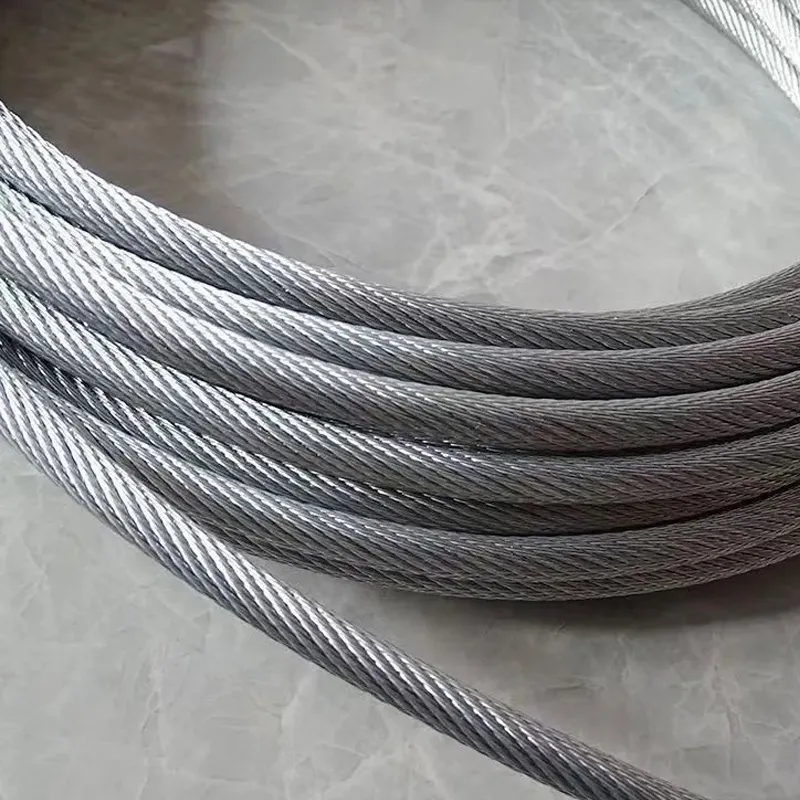
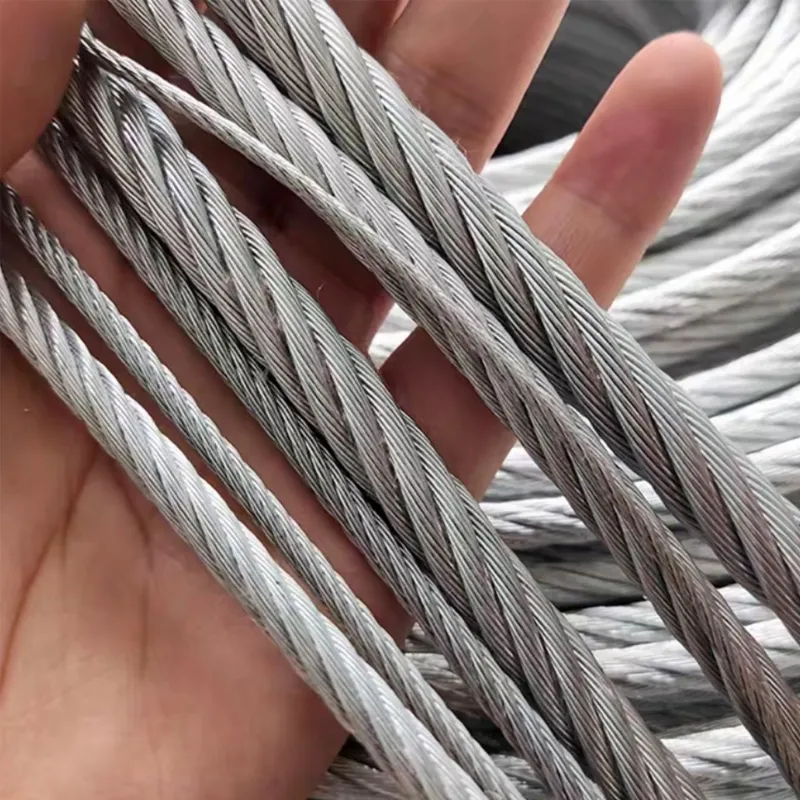
Product: Steel Wire Rope (Origin: High-tech Industrial Park, Anping County, Hebei, China). Common builds: 6x19 IWRC, 6x36 IWRC, and 7x19 (galvanized or stainless 304/316). Classification is mainly by construction and steel grade, which, in fact, dictates flexibility, crush resistance, and strength.
| Parameter | 3/8" 7x19 Galv | 3/8" 6x19 IWRC | 3/8" 316 SS 7x19 |
|---|---|---|---|
| Nominal diameter | 9.5 mm | 9.5 mm | 9.5 mm |
| Min. breaking load (MBL) | ≈ 64–67 kN (14.4–15.0 kips) | ≈ 69–72 kN (15.5–16.2 kips) | ≈ 54–57 kN (12.1–12.8 kips) |
| Typical WLL (5:1) | ≈ 2.9 kN (650 lbf) | ≈ 3.1 kN (700 lbf) | ≈ 2.5 kN (550 lbf) |
| Mass | ≈ 0.55 kg/m | ≈ 0.59 kg/m | ≈ 0.54 kg/m |
| Finish | Hot-dip galvanized | Galv, with lube | AISI 316, polished |
Real-world use may vary with terminations, bend radii, drum grooving, and environment.
Manufacturing and testing (the nuts and bolts)
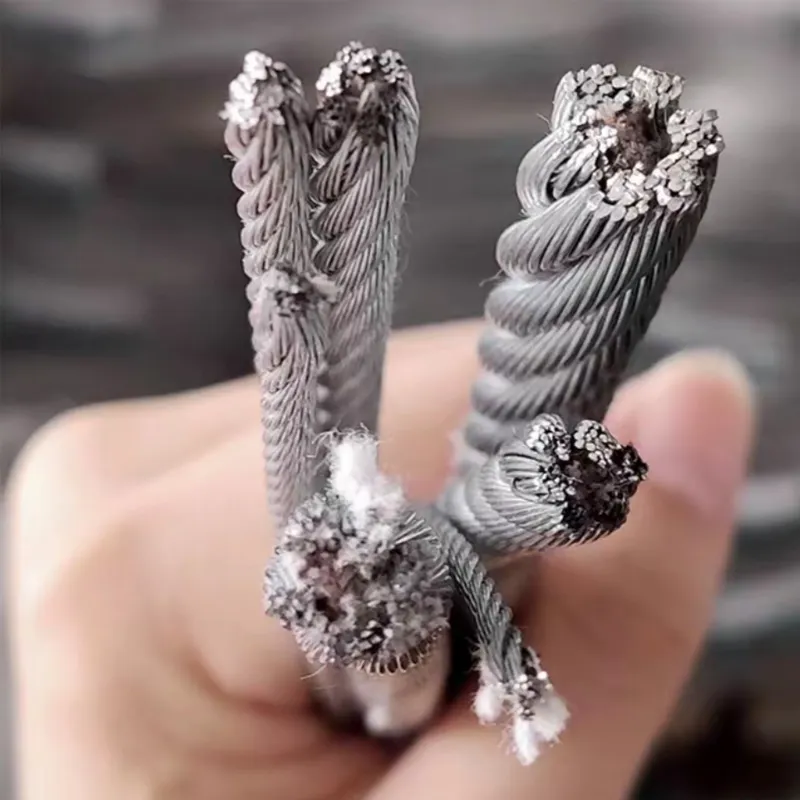
Materials: high-carbon steel (e.g., 1770/1960 MPa grades), or stainless 304/316 for corrosion resistance. Process: rod pickling → wire drawing → stranding → closing (preformed) → lubrication → zinc galvanizing or passivation → spooling. Some lines add compaction for smoother profiles.
Testing: tensile per ISO 2408/EN 12385, diameter and lay check, magnetic flux leakage (MFL) for internal breaks, zinc coat mass per ISO 1461, proof-load ≈ 50% MBL. Recent lab pulls I saw on 3/8" 6x19 IWRC averaged 70 kN, which is reassuring.
Service life: around 1–5 years depending on sheave size (D/d ≥ 20 helps), cycles, salt exposure, and lubrication regime.
Where it’s used (and why)
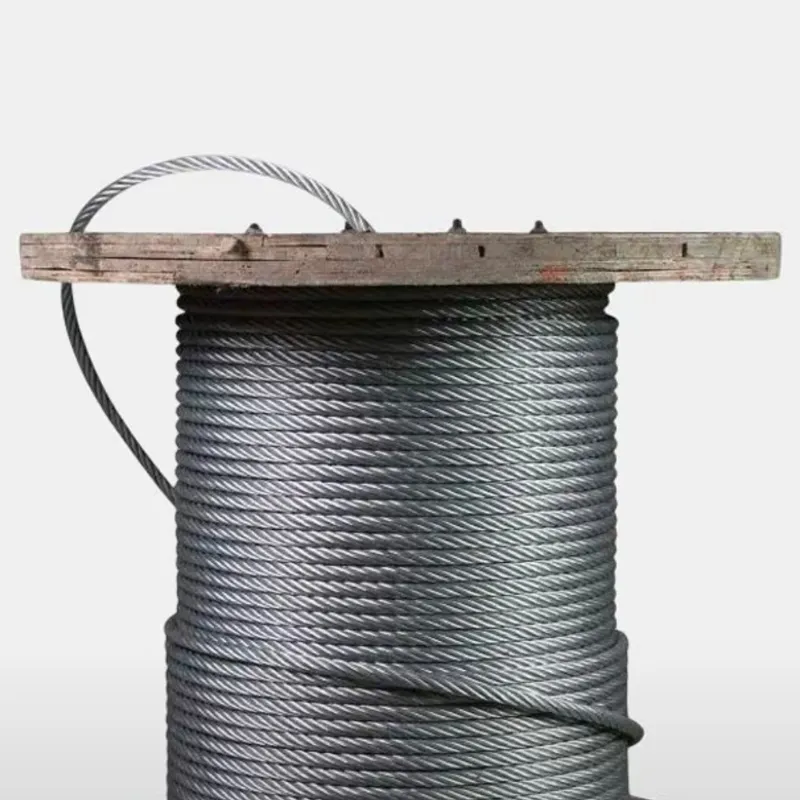
- Construction hoists and tower crane pendants
- Winches on utility trucks and ATVs
- Marine lifelines and davits; theater fly systems (quiet 6x36 is nice)
- Zip lines, gyms, and safety barriers (stainless 316 in coastal air)
Why pick 3 8 wire rope for sale? Balance. It’s stout enough for moderate lifts, flexible enough for smaller drums, and still easy to clamp with standard fittings.
Vendor comparison (quick take)
| Vendor | Certs | Lead Time | MOQ | Customization |
|---|---|---|---|---|
| Jinjiu Wire Mesh (Anping) | ISO 9001; test certs per lot | 7–15 days typical | ≈ 1 reel | Lay, lube, zinc class, cut-to-length |
| Regional Distributor A | Mill certs on request | Stock-to-1 week | Per coil | Limited |
| Local Rigging Shop B | Shop test tags | Same-day cut | By the foot | Terminations, proof-load |
Customization and accessories
Options include right/left lay, preformed/non-preformed, plastic-impregnated cores, compacted strands, and anti-rotation pairs. Add sockets, thimbles, or swaged sleeves tested to the rope’s MBL. For corrosive jobs, I guess 316 with marine thimbles wins every time.
Mini case files
Coastal crane retrofit: 3/8" 6x36 IWRC, heavy lube, swapped every 18 months instead of 9—operators said drum wear dropped noticeably.
Adventure park: stainless 316 7x19 for zip spans; inspectors liked the consistent lay and tidy socketing. Noise was lower than expected, surprisingly.
Buying checklist for 3 8 wire rope for sale
- Construction: 6x19 for toughness, 6x36 for flexibility, 7x19 for general utility
- Compliance: ISO 2408 / EN 12385; traceable lot test certs
- Environment: galvanized vs. 316 stainless; consider compacted if spooling tight
- Sheave ratio: D/d ≥ 20; re-lube schedule; visual and MFL inspections
Citations
- ISO 2408: Steel wire ropes — Requirements.
- EN 12385-4: Steel wire ropes — Safety — Stranded ropes for general lifting.
- ASTM A1023/A1023M: Standard Specification for Stranded Carbon Steel Wire Ropes.

Related Products
Related News


2026-03-16 14:21:07
Discover durable farming solutions and flexible animal containment with hinge-knot field fence. Combining impact-resistant design and customizable options, Hebei Jinjiu ensures quality for agricultural applications. Explore now: https://www.jinjiuwiremesh.com/field-fencefarm-fence.html
2026-03-16 14:21:07
Discover durable farming solutions and flexible animal containment with hinge-knot field fence. Combining impact-resistant design and customizable options, Hebei Jinjiu ensures quality for agricultural applications. Explore now: https://www.jinjiuwiremesh.com/field-fencefarm-fence.html
2027-04-14 00:00:00
Discover durable farming solutions and flexible animal containment with hinge-knot field fence. Combining impact-resistant design and customizable options, Hebei Jinjiu ensures quality for agricultural applications. Explore now: https://www.jinjiuwiremesh.com/field-fencefarm-fence.html
2026-02-25 15:31:06
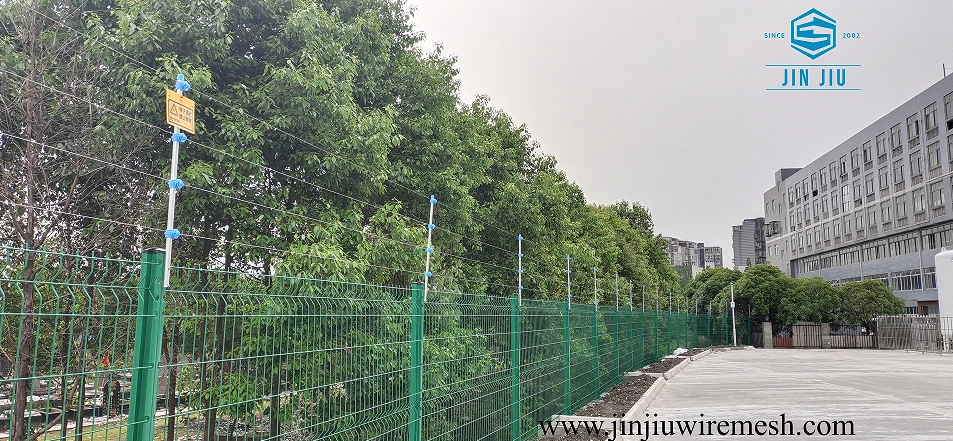
The Strategic Role of the Industrial Electric Fence in Modern Commerce
The protection of corporate and manufacturing assets has transitioned from a matter of simple boundary marking to a complex necessity of risk management.
2026-02-25 15:29:03
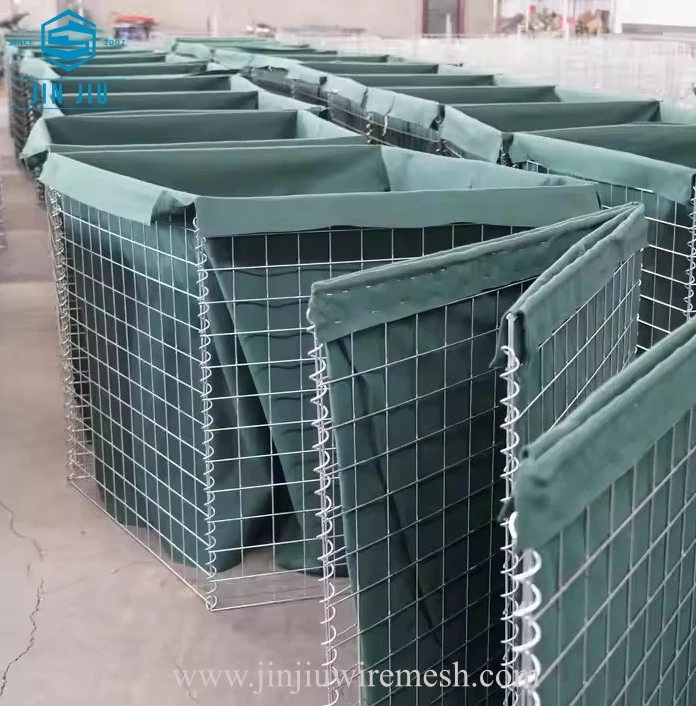
The Evolution of Physical Protection: Bullet Resistant Defensive Barriers in Modern Security
In an increasingly unpredictable global landscape, the requirement for high-level ballistic protection has moved beyond the battlefield and into the core of civilian and industrial security infrastructure.
2026-02-25 15:26:58
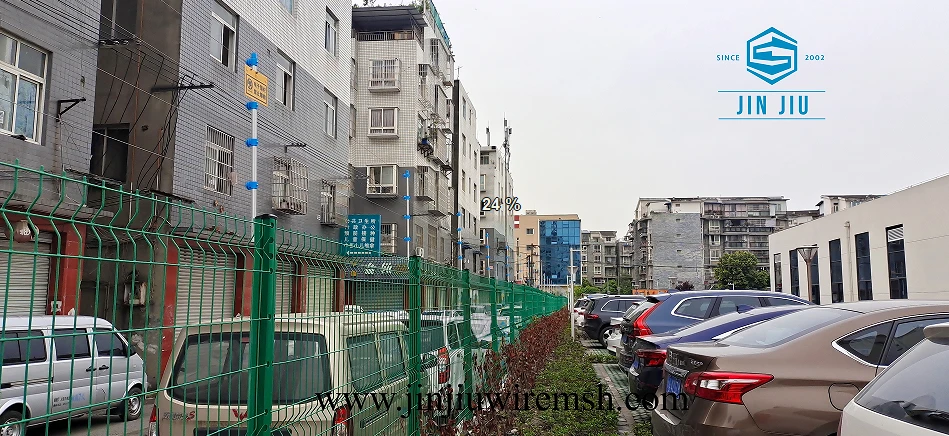
The Digital Backbone of Modern Security: Connected Pulse Monitoring Electric Fence Architecture
The traditional concept of a perimeter has undergone a fundamental transformation.
2026-02-25 15:24:13
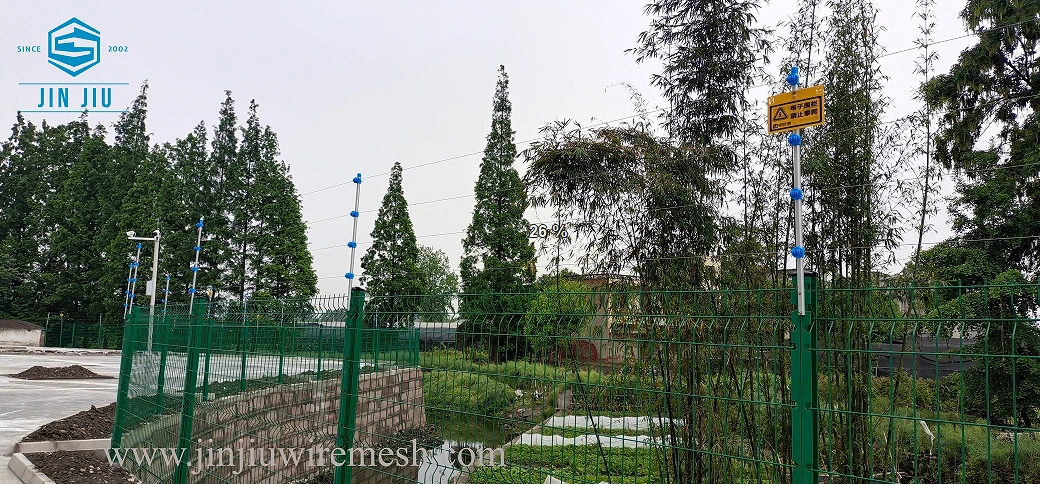
Securing the Unreachable with a Powerful Pulse Electric Fence
In the realm of global security, the distinction between a standard boundary and a high-security perimeter is often defined by the technology pulsing through the wires.
2027-04-14 00:00:00
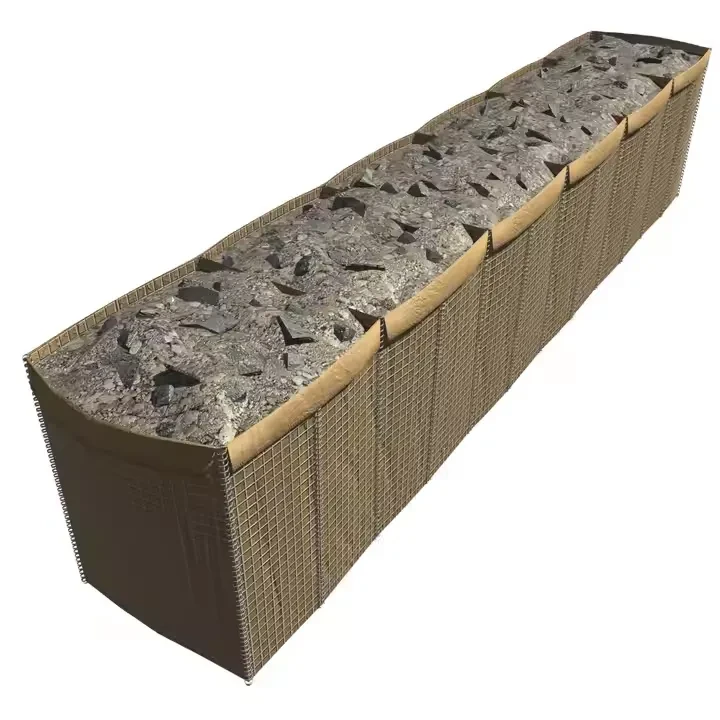
Engineering Resilience with Explosion Proof Defensive Barriers
In an era where industrial safety and national security are increasingly intertwined, the necessity for specialized protection in volatile environments has never been higher.


 English
  Albanian
  Arabic
  Bengali
  Czech
Czech  Danish
  Dutch
Dutch  Finnish
  French
  German
  Japanese
  Malay
Malay  Persian
  Polish
  Portuguese
  Romanian
  Russian
  Serbian
  Spanish
  Swahili