





Hebei Jinjiu Metal Products Co.,Ltd


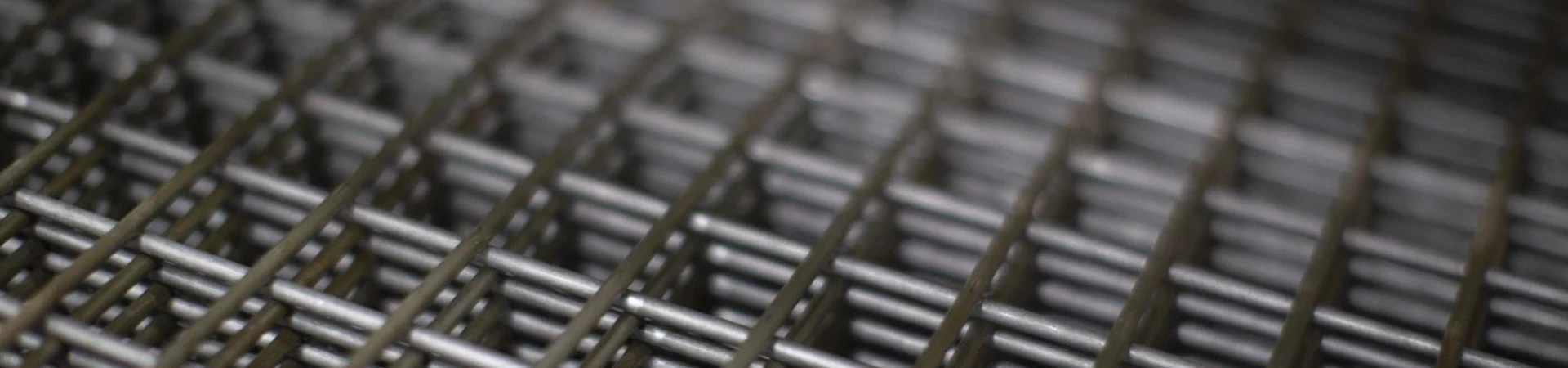

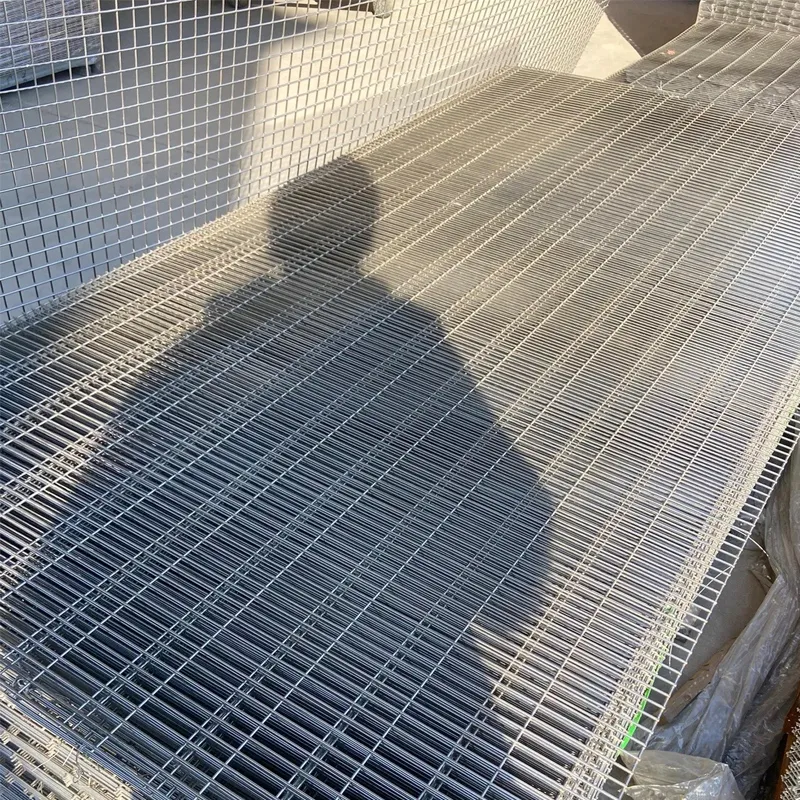
Stainless Steel Welded Wire Mesh Panel – Durable, Rust-Proof
Oct . 19, 2025 15:45
Field Notes on a Quiet Workhorse: Stainless Mesh Panels That Don’t Quit
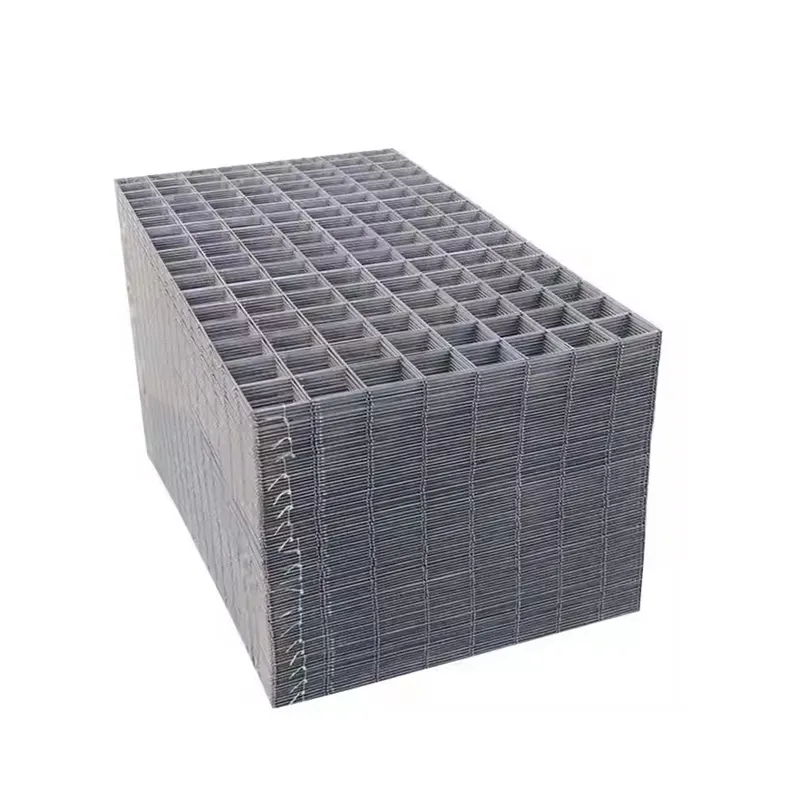
If you spend any time around fabrication shops or food plants, you’ll hear this phrase more than you’d expect: “just spec the stainless steel welded wire mesh panel and move on.” It’s blunt, sure, but there’s truth in it. In the last two years, demand has grown across food processing, architecture, and clean manufacturing. And from what I’ve seen on-site, the right panel saves rework, downtime, and a few headaches.
What’s driving the trend?
Hygiene compliance is stricter (hello, HACCP audits), façade designers want cleaner lines, and maintenance teams are allergic to corrosion. Many customers say 316L pays back within a year in coastal or caustic washdown areas. I guess the short version: durability is finally getting priced correctly.
Technical specifications (real-world, not brochure talk)
| Parameter | Typical Options | Notes |
|---|---|---|
| Grades | 304, 316L, 321 | 316L for chloride exposure; 304 for dry interiors. |
| Wire Ø | 1.0–6.0 mm | Tensile to ASTM A580; ≈ 550–850 MPa depending on grade. |
| Aperture (center-to-center) | 6×6 mm to 100×100 mm | Open area ≈ 40–85% (varies by wire Ø). |
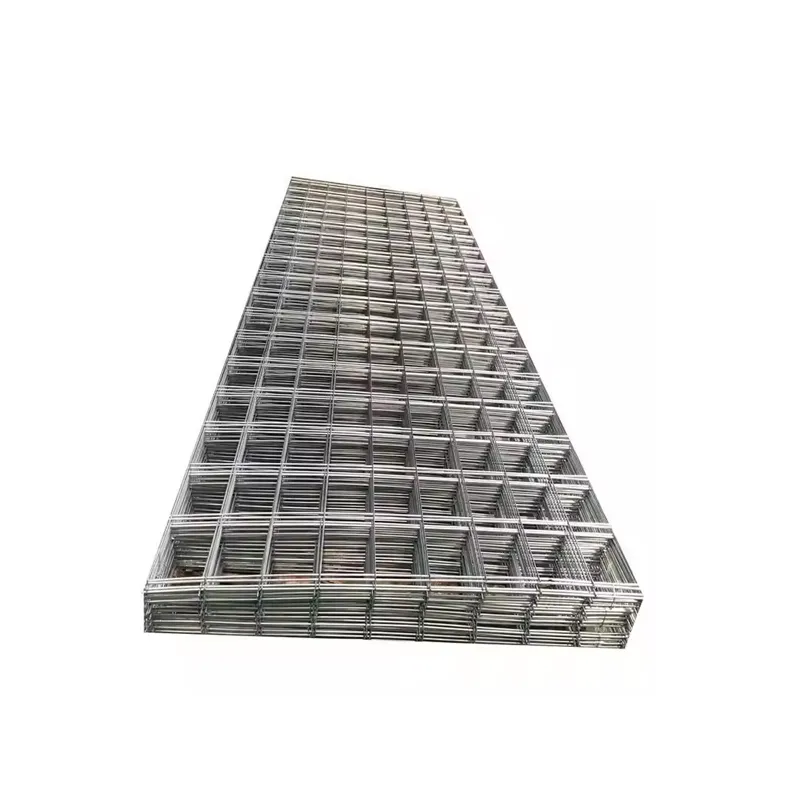
| Panel size | 1000×2000, 1200×2400, 1500×3000 mm | Custom cuts, framed edges, or untrimmed tails. |
| Welding | Resistance spot welding | Process per AWS C1.1 practices; heat input tuned to grade. |
| Finish | Pickled & passivated, EP (optional) | ASTM A967 passivation; smoother = easier sanitation. |
From wire to panel: the process (brief but real)
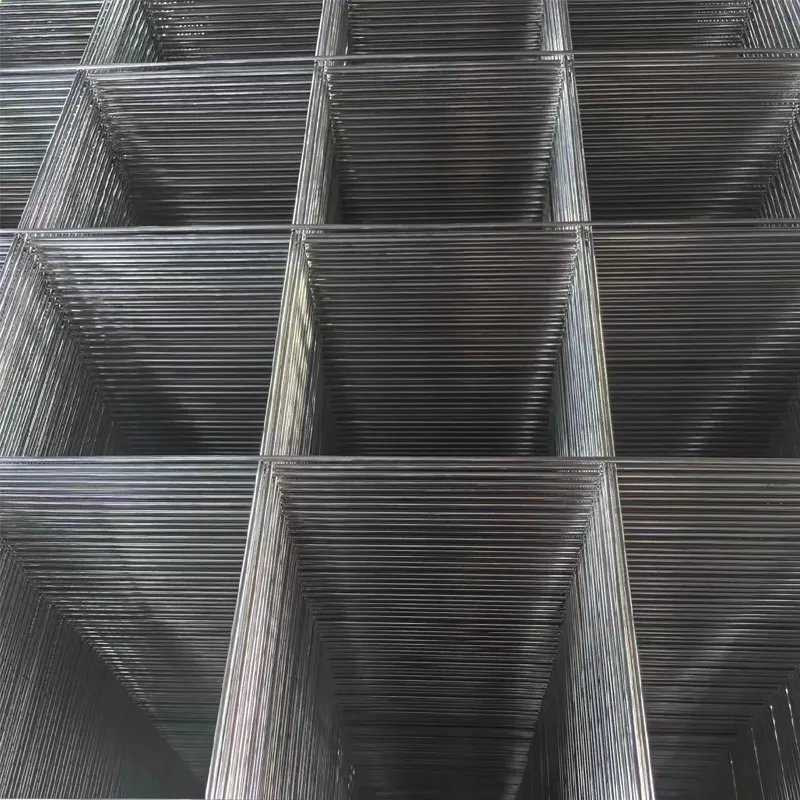
Materials: SS wire to ASTM A580. Methods: straightening → resistance welding grid → trimming → pickling & passivation → flatness correction → inspection. Testing: weld shear checks, aperture gauge, burr check, and optional ISO 9227 salt-spray verification. Service life: ≈10–25 years, depending on chemistry and exposure (real-world use may vary).
Quick test data I’ve seen: 304 panels ≥500 h NSS with no red rust; 316L ≥1000 h. In fact, cleaning frequency affects results more than spec sheets admit.
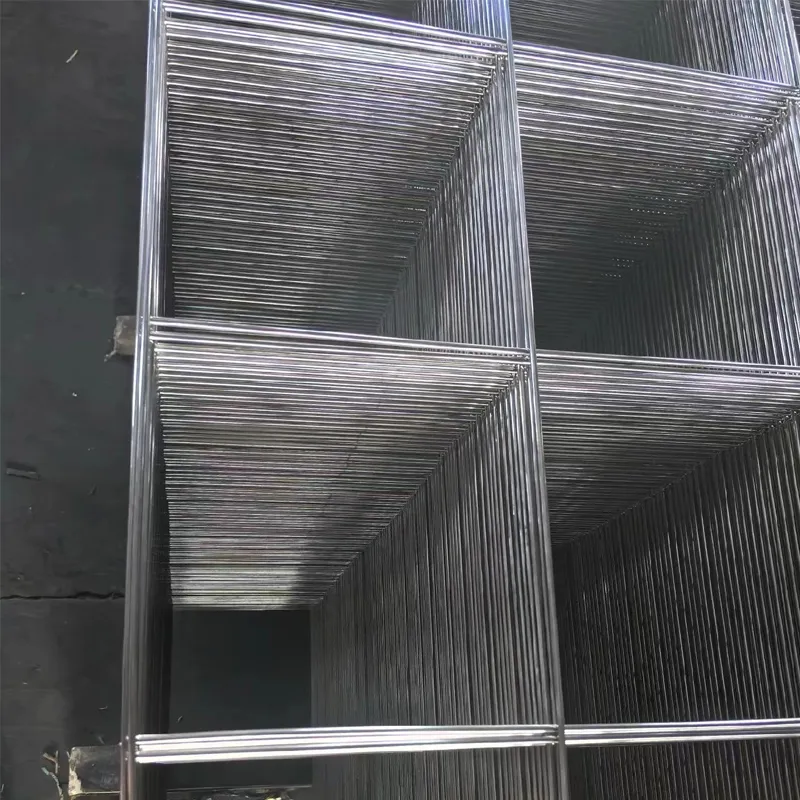
Where it earns its keep
- Food & beverage: conveyor guards, drainage grates, shelving (HACCP-friendly).
- Pharma & clean rooms: partitions with low particle traps.
- Petrochemical & marine: splash zones, cable trays, protective screens.
- Architecture: balustrades, sunscreens, parking facades—surprisingly elegant in 316L.
- Animal enclosures, security partitions, mining screens (light-duty classification).
Advantages? Corrosion resistance, predictable load paths at welds, easy sanitizing, and—often overlooked—consistent aperture for airflow and visibility.
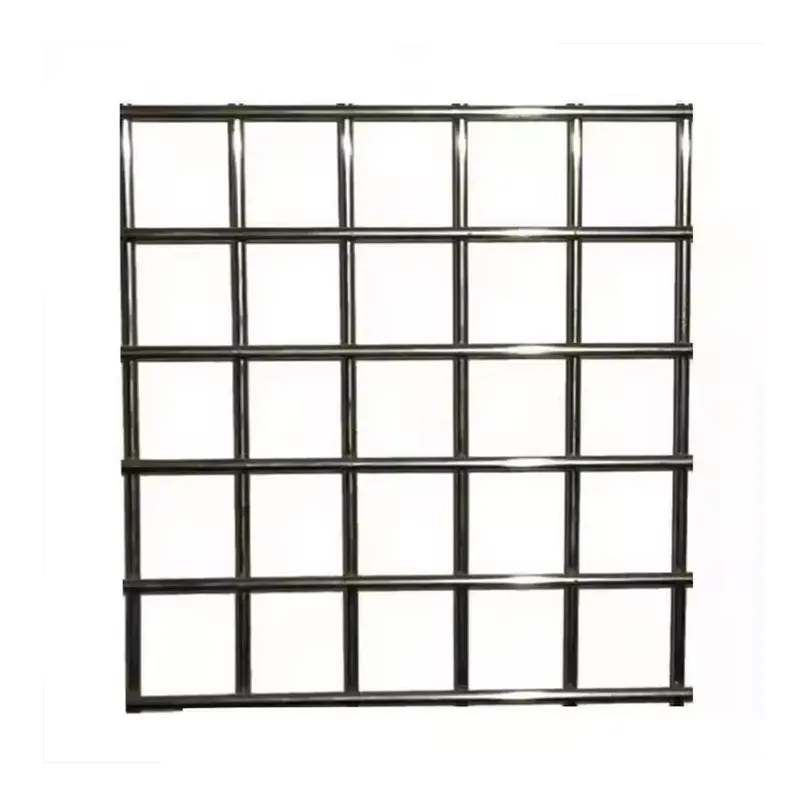
Vendor landscape (what buyers usually ask me)
| Vendor Type | Pros | Considerations |
|---|---|---|
| Local Fabricator | Fast, small runs, on-site fixes | Higher unit cost; grade traceability varies |
| Trading Company | Wide catalog, flexible sourcing | Longer communication loop; QC depends on upstream |
| Jinjiu Wire Mesh (Manufacturer) | Origin: High-tech Industrial Park, Anping, Hebei. ISO-QC, custom apertures, passivation per ASTM A967 | MOQ applies; lead time ≈ 7–20 days depending on grade |
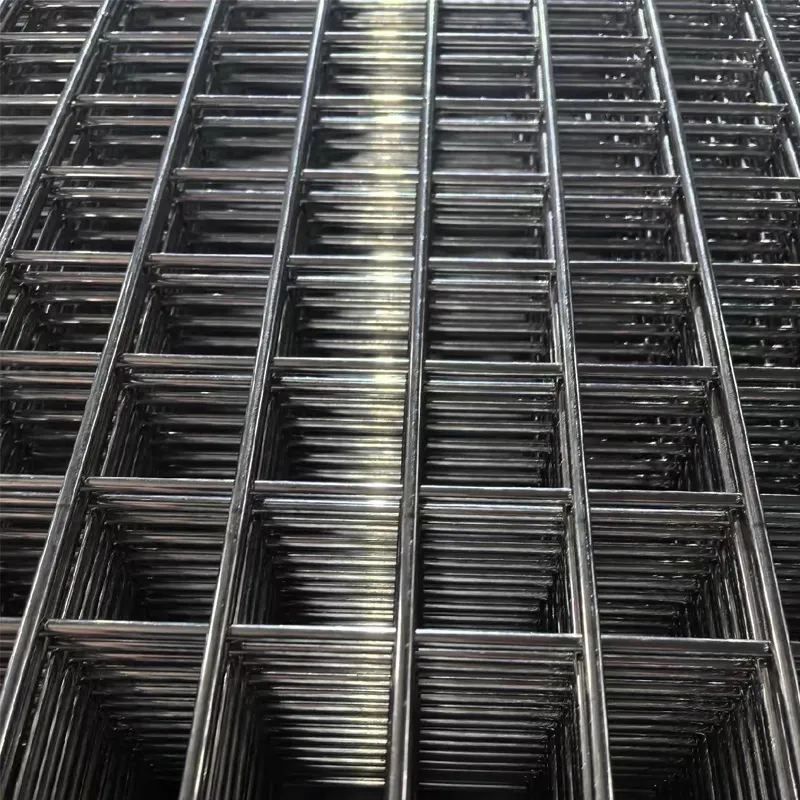
Customization and practical tips
Options: framed edges, powder-coated frames, radiused corners, laser-cut notches, and batch-marking for traceability. To be honest, the best cost saver is aligning aperture and wire Ø to your actual load and cleaning chemistry—over-spec on 316L where it matters, not everywhere.
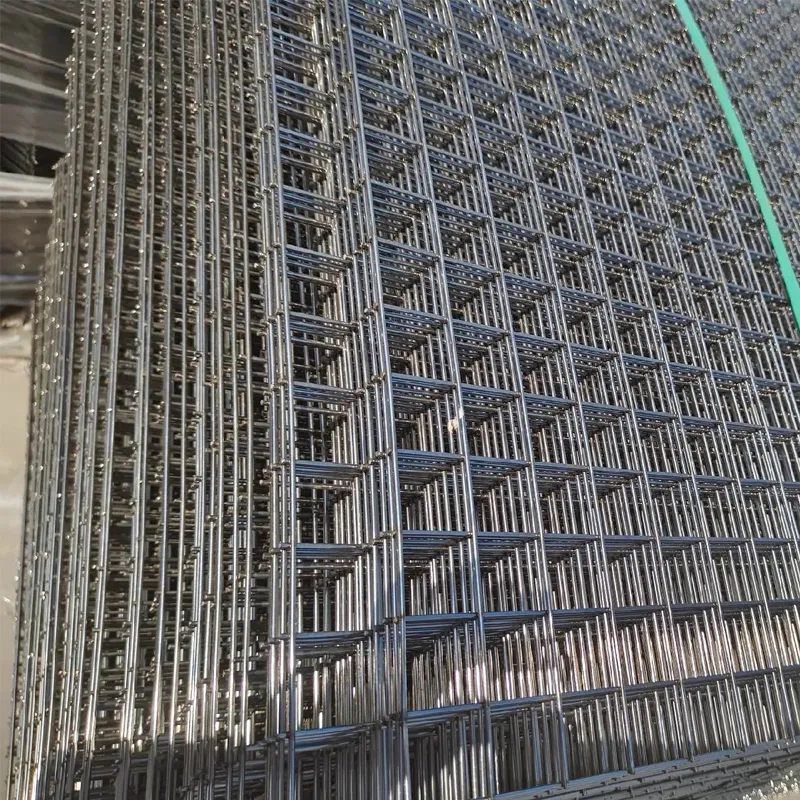
Quick case notes
stainless steel welded wire mesh panel for a coastal brewery: swapped 304 to 316L, cut rust-related maintenance by ≈60% over 12 months. Another: a pharma client added EP finish and trimmed burrs to zero—audit sailed through.
Customer feedback is oddly consistent: “flat panels, clean welds, easier to hose down.” Not glamorous, but that’s what keeps lines running.
Certifications & standards touchpoints
Material and process alignment with ASTM A580 (wire), AWS C1.1 (resistance welding practices), ASTM A967 (passivation). Corrosion testing per ISO 9227 as requested. Factory QC under ISO 9001—ask for mill certs and weld logs; you should get them.
References:
[1] ASTM A580/A580M – Stainless Steel Wire Spec
[2] ASTM A967 – Chemical Passivation of Stainless Steel
[3] ISO 9227 – Neutral Salt Spray (NSS) Testing
[4] AWS C1.1M/C1.1 – Recommended Practices for Resistance Welding
[5] ISO 9001:2015 – Quality Management Systems

Related Products
Related News


2026-03-16 14:21:07
Discover durable farming solutions and flexible animal containment with hinge-knot field fence. Combining impact-resistant design and customizable options, Hebei Jinjiu ensures quality for agricultural applications. Explore now: https://www.jinjiuwiremesh.com/field-fencefarm-fence.html
2026-03-16 14:21:07
Discover durable farming solutions and flexible animal containment with hinge-knot field fence. Combining impact-resistant design and customizable options, Hebei Jinjiu ensures quality for agricultural applications. Explore now: https://www.jinjiuwiremesh.com/field-fencefarm-fence.html
2027-04-14 00:00:00
Discover durable farming solutions and flexible animal containment with hinge-knot field fence. Combining impact-resistant design and customizable options, Hebei Jinjiu ensures quality for agricultural applications. Explore now: https://www.jinjiuwiremesh.com/field-fencefarm-fence.html
2026-02-25 15:31:06
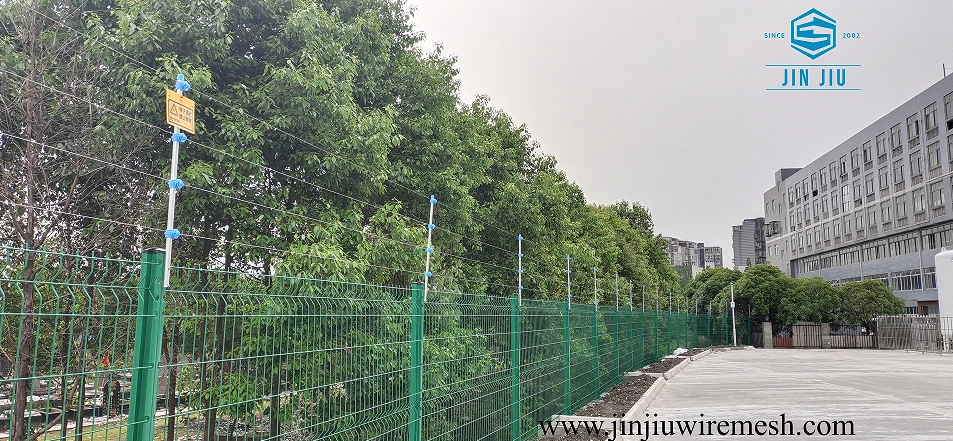
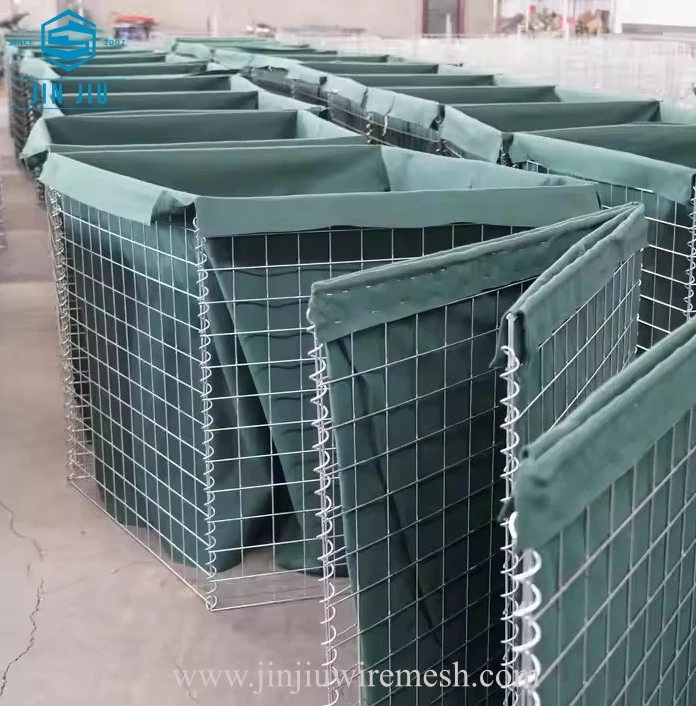
The Strategic Role of the Industrial Electric Fence in Modern Commerce
The protection of corporate and manufacturing assets has transitioned from a matter of simple boundary marking to a complex necessity of risk management.
2026-02-25 15:29:03
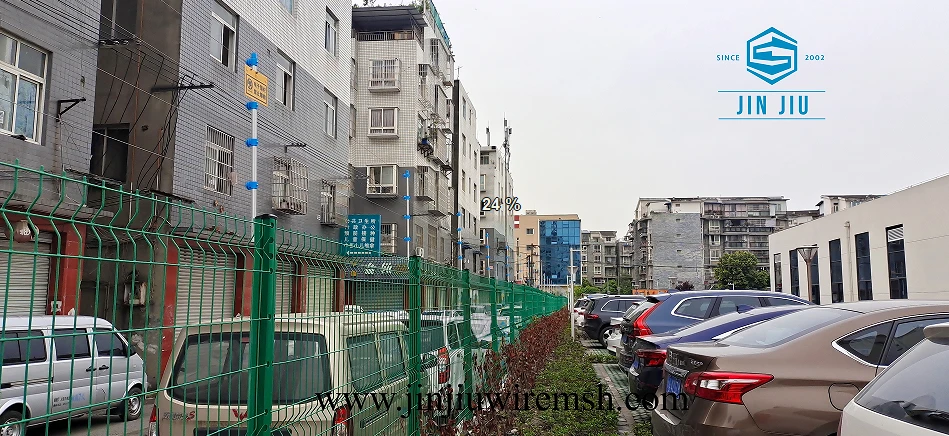
The Evolution of Physical Protection: Bullet Resistant Defensive Barriers in Modern Security
In an increasingly unpredictable global landscape, the requirement for high-level ballistic protection has moved beyond the battlefield and into the core of civilian and industrial security infrastructure.
2026-02-25 15:26:58
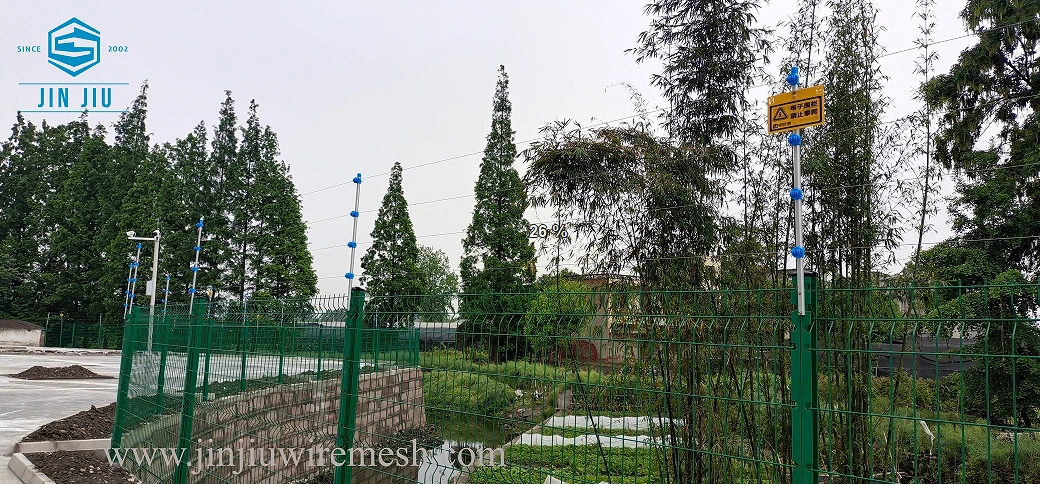
The Digital Backbone of Modern Security: Connected Pulse Monitoring Electric Fence Architecture
The traditional concept of a perimeter has undergone a fundamental transformation.
2026-02-25 15:24:13
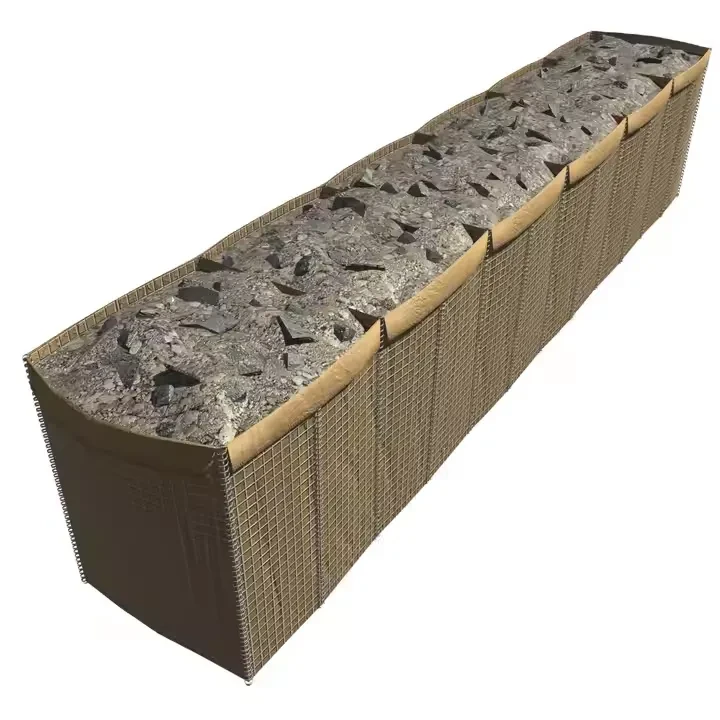
Securing the Unreachable with a Powerful Pulse Electric Fence
In the realm of global security, the distinction between a standard boundary and a high-security perimeter is often defined by the technology pulsing through the wires.
2027-04-14 00:00:00
Engineering Resilience with Explosion Proof Defensive Barriers
In an era where industrial safety and national security are increasingly intertwined, the necessity for specialized protection in volatile environments has never been higher.


 English
  Albanian
  Arabic
  Bengali
  Czech
Czech  Danish
  Dutch
Dutch  Finnish
  French
  German
  Japanese
  Malay
Malay  Persian
  Polish
  Portuguese
  Romanian
  Russian
  Serbian
  Spanish
  Swahili