





Hebei Jinjiu Metal Products Co.,Ltd


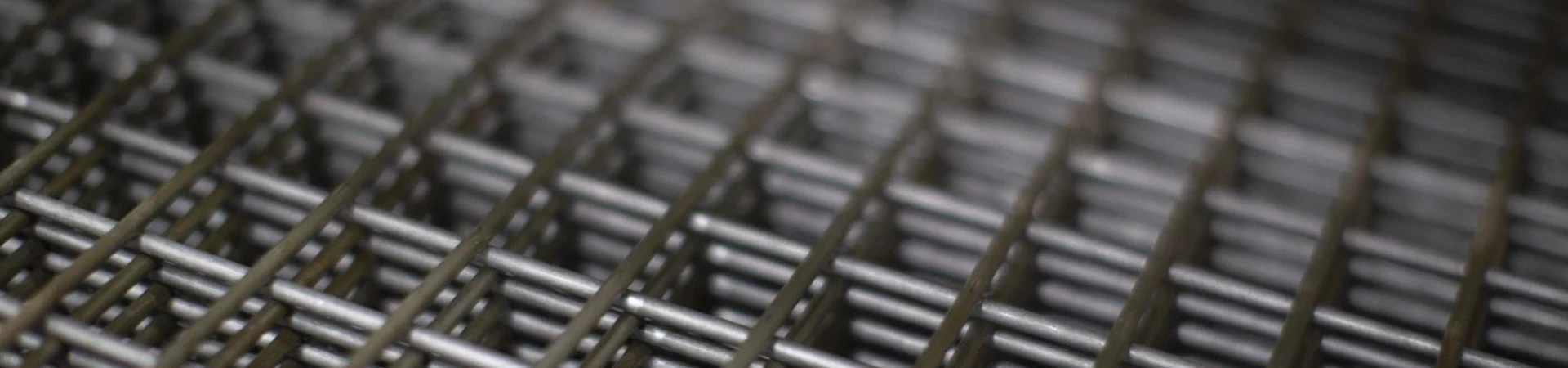

Crimped Wire Mesh - Durable, Precise, Custom Sizes
Oct . 21, 2025 09:08
Field notes on crimped wire mesh from the quarry floor
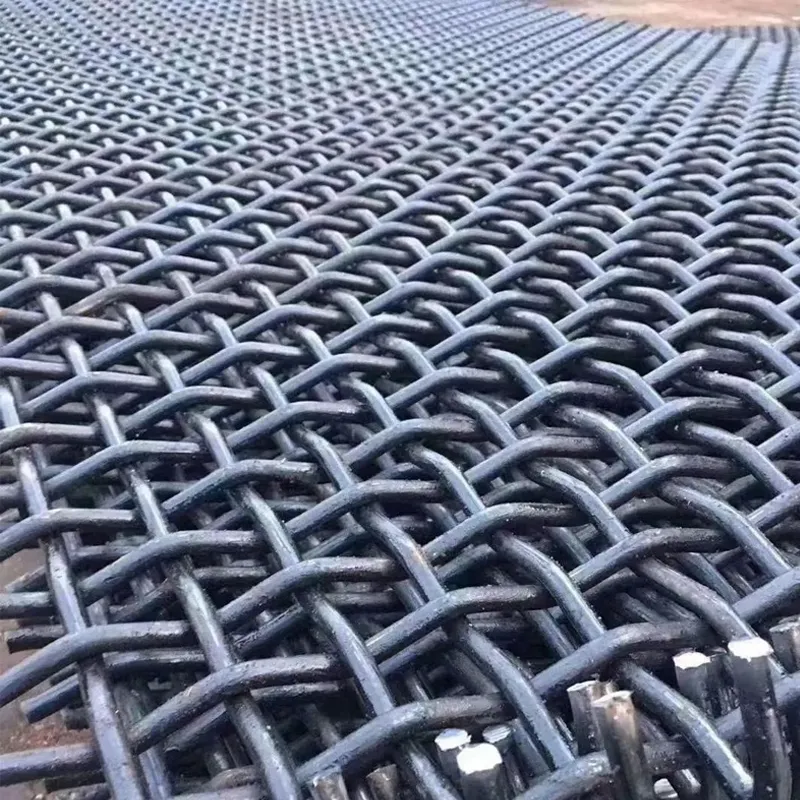
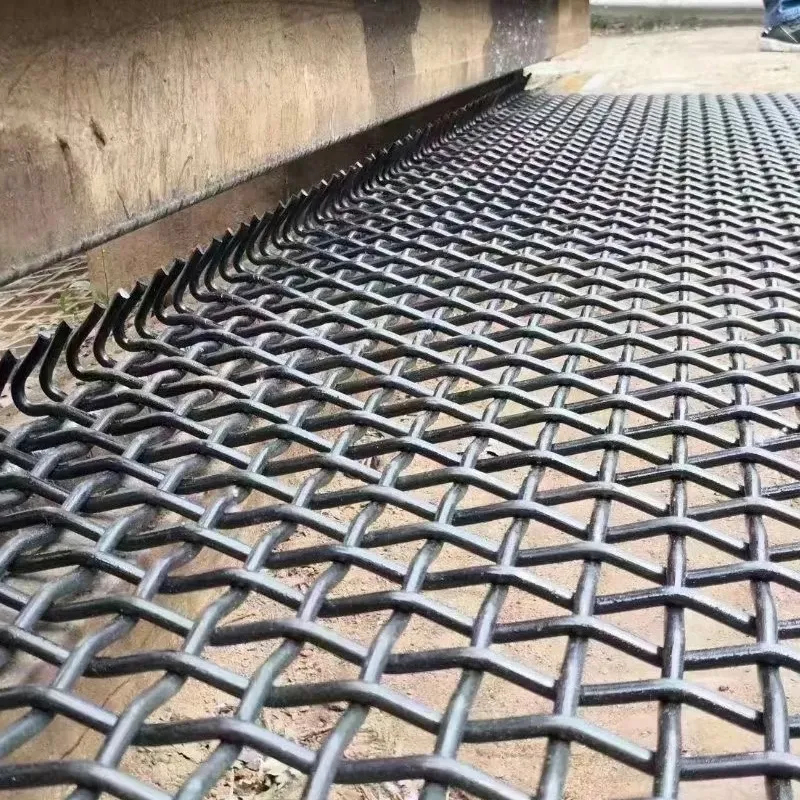
I’ve spent enough dusty mornings at aggregate sites to know a screen panel can make or break tonnage. This product comes from the High-tech Industrial Park, Anping County, Hebei, China—basically the epicenter for woven metal. Locally they call it a mining screen, rock crusher screen, vibrating screen—you get the idea. The heart of it is 65Mn spring steel, pre-crimped to lock in square apertures and, frankly, to keep its shape when everything else is shaking.
What’s trending (and what crews actually ask for)
- Higher open area with fewer pegging incidents—double-crimp and lock-crimp patterns are winning.
- Quick swaps: hooked edges and standardized panel sizes to cut downtime.
- Corrosion management: more 304/316 options for wet or coastal sites; some try galvanized for budget runs.
- Traceability—QR-labeled panels tied to batch test data. Operators love it, procurement loves it more.
Materials, methods, and testing (the gritty details)
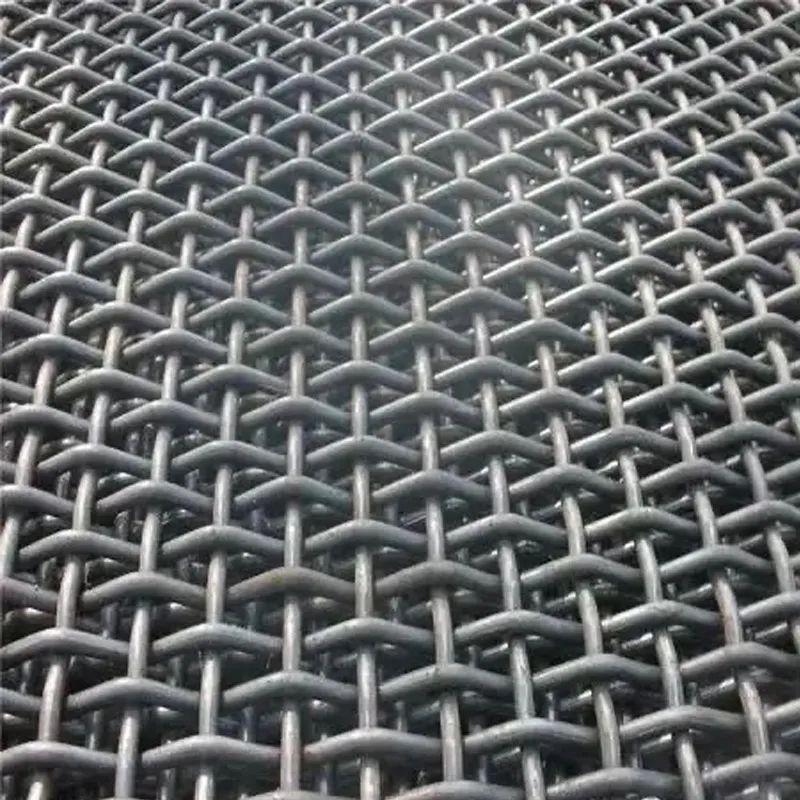
Wire: 65Mn (spring steel) is the workhorse. For corrosive lines, stainless 304/316 shows up. Wires are pre-crimped, then woven into square apertures—double-crimp, lock-crimp, or intermediate-crimp depending on load. Edges are hooked or plain, heat-treated to relieve stress. Honestly, the pre-crimp is the secret sauce: it fixes the aperture and boosts rigidity.
Testing and standards: aperture and wire diameter per ISO 9044; sieve accuracy cross-checked to ASTM E11. Tensile verified against EN 10270-1 (for spring steel wire). Corrosion checks sometimes run via ISO 9227 salt spray—results vary, but the data keeps vendors honest.
Product specs (typical, real-world values may vary)
| Parameter | Range / Notes |
|---|---|
| Aperture (square) | 3 mm – 100 mm (≈ ±2% to ISO 9044) |
| Wire diameter | 1.6 – 12 mm (tensile ≈ 1500–2000 MPa for 65Mn) |
| Weave type | Double-crimp, lock-crimp, intermediate-crimp |
| Materials | 65Mn; SS 304/316; galvanized (budget) |
| Panel size | Up to 2.4×3.0 m (custom on request) |
| Edges | Hooked (C/U), plain, or reinforced |
Field life: granite/quarry lines see ≈800–1200 hours; softer limestone pushes longer; stainless in wet plants can run 12–18 months. Your mileage will vary with feed size, impact angle, and deck tension.
Where it shines
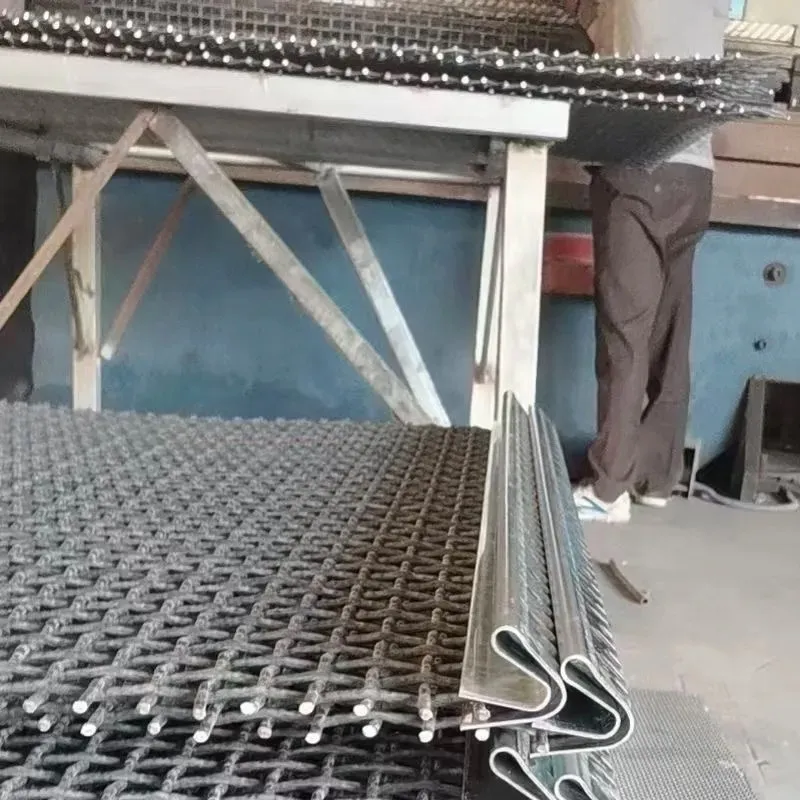
- Aggregates and mining: primary and secondary decks on vibrating screens.
- Cement and metallurgy: scalping and grading hot or abrasive media.
- Industrial: security barriers, gabions, even architectural accents (yeah, designers borrow tough stuff).
Advantages folks cite: consistent apertures, high impact resistance, easy tensioning, and—surprisingly—cleaner cuts on wet feeds when using lock-crimp patterns. Many customers say switchovers drop by a shift per month after dialing in tension.
Vendor snapshot (don’t just buy the logo)
| Supplier | Wire grade | Aperture tolerance | MOQ | Lead time | Certs |
|---|---|---|---|---|---|
| JinJiu (Anping) | 65Mn, 304/316 | ≈ ±2% (ISO 9044) | 10 panels | 7–15 days | ISO 9001; SGS test |
| Vendor B | 65Mn | ≈ ±3% | 20 panels | 14–21 days | ISO 9001 |
| Vendor C | 304/galv. | ≈ ±4% | 15 panels | 10–20 days | ISO 9001; CE (plant) |
Customization that actually matters
Dial in the crimped wire mesh pattern to your burden depth and vibration frequency: double-crimp for uniform sizing, lock-crimp for stability under heavy impact, intermediate-crimp when you need a bit more open area. Pair with hooked edges to match your deck rails. If corrosion bites, swap to 316; if abrasion is king, stick with 65Mn and consider thicker wires.
Quick cases
1) Midwest granite quarry: swapped to lock-crimp 65Mn, 8 mm wire, 25 mm aperture. Pegging dropped ≈30%, changeouts fell from weekly to every 10–12 days. Supervisor said, “Not magic—just the right crimp and tension.”
2) Coastal sand plant: moved to 316 SS, 6 mm aperture for fines. After ISO 9227 checks, life extended from 4 to about 9 months, despite salty air and constant wash.
Final thought: if your crimped wire mesh is stretching, it’s usually tensioning or a mismatch between wire gauge and impact energy—not “bad mesh.” Get the spec right, and the deck runs quiet.
Authoritative references
- ISO 9044: Industrial wire screens and woven wire cloth — Technical requirements.
- ASTM E11: Specification for Woven Wire Test Sieve Cloth and Test Sieves.
- EN 10270-1: Steel wire for mechanical springs — Patented cold drawn unalloyed spring steel wire (65Mn class).
- ISO 9227: Corrosion tests in artificial atmospheres — Salt spray tests.
- ISO 9001:2015 Quality management systems — Requirements.

Related Products
Related News


2026-03-16 14:21:07
Discover durable farming solutions and flexible animal containment with hinge-knot field fence. Combining impact-resistant design and customizable options, Hebei Jinjiu ensures quality for agricultural applications. Explore now: https://www.jinjiuwiremesh.com/field-fencefarm-fence.html
2026-03-16 14:21:07
Discover durable farming solutions and flexible animal containment with hinge-knot field fence. Combining impact-resistant design and customizable options, Hebei Jinjiu ensures quality for agricultural applications. Explore now: https://www.jinjiuwiremesh.com/field-fencefarm-fence.html
2027-04-14 00:00:00
Discover durable farming solutions and flexible animal containment with hinge-knot field fence. Combining impact-resistant design and customizable options, Hebei Jinjiu ensures quality for agricultural applications. Explore now: https://www.jinjiuwiremesh.com/field-fencefarm-fence.html
2026-02-25 15:31:06
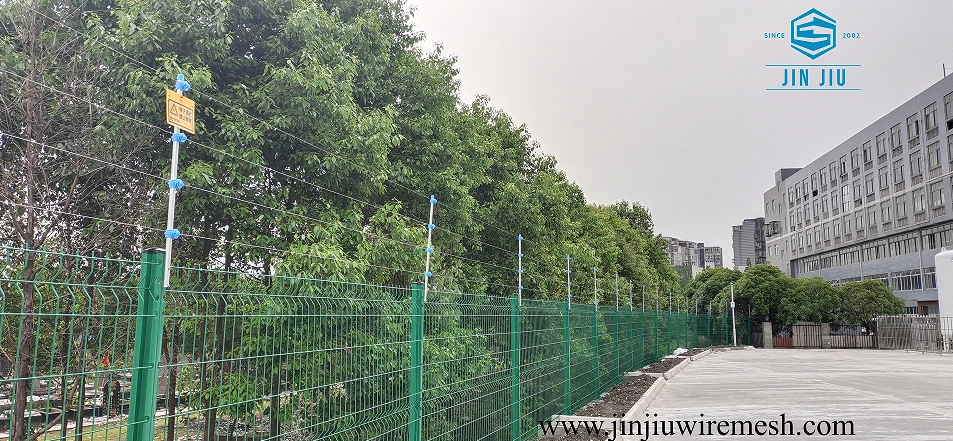
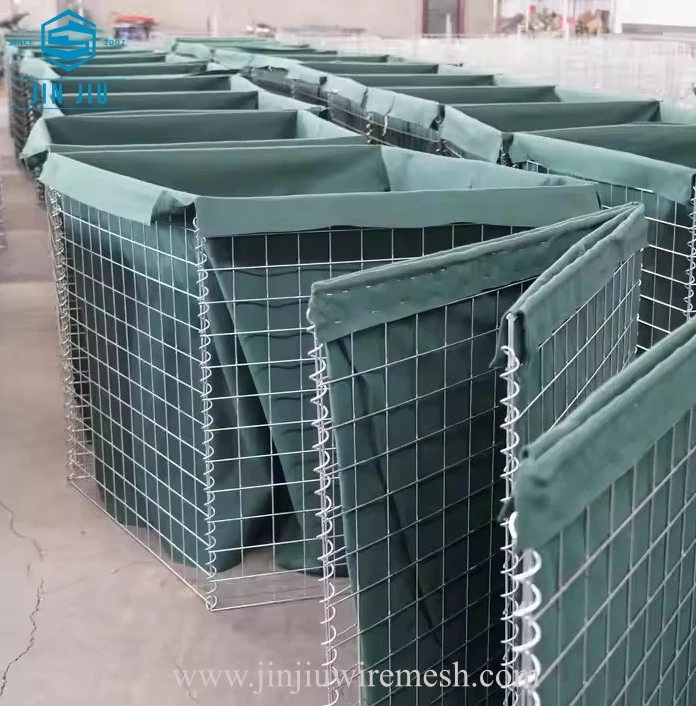
The Strategic Role of the Industrial Electric Fence in Modern Commerce
The protection of corporate and manufacturing assets has transitioned from a matter of simple boundary marking to a complex necessity of risk management.
2026-02-25 15:29:03
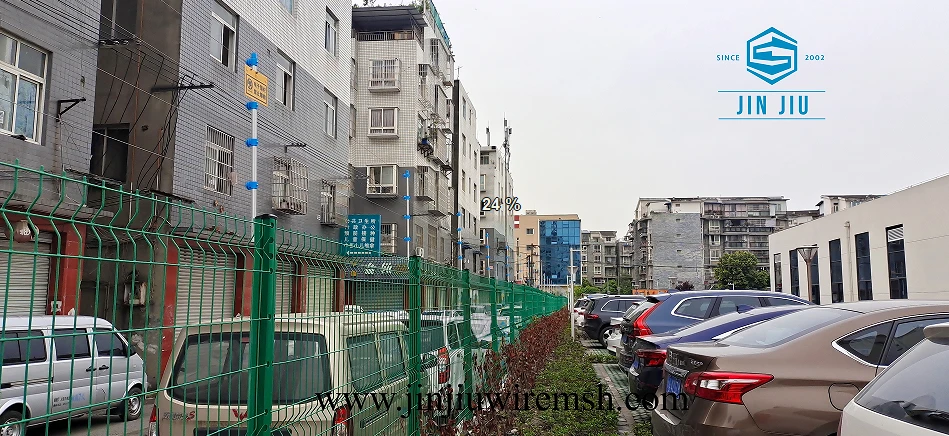
The Evolution of Physical Protection: Bullet Resistant Defensive Barriers in Modern Security
In an increasingly unpredictable global landscape, the requirement for high-level ballistic protection has moved beyond the battlefield and into the core of civilian and industrial security infrastructure.
2026-02-25 15:26:58
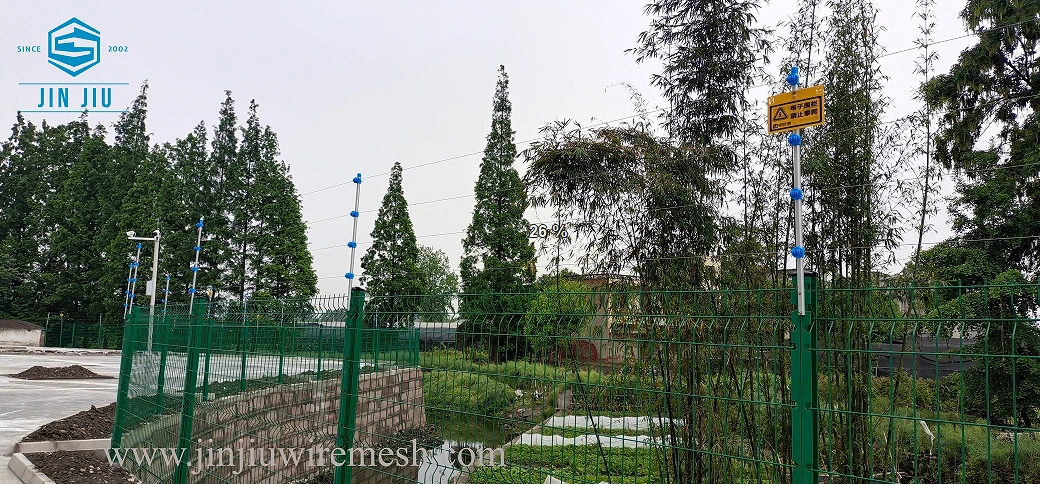
The Digital Backbone of Modern Security: Connected Pulse Monitoring Electric Fence Architecture
The traditional concept of a perimeter has undergone a fundamental transformation.
2026-02-25 15:24:13
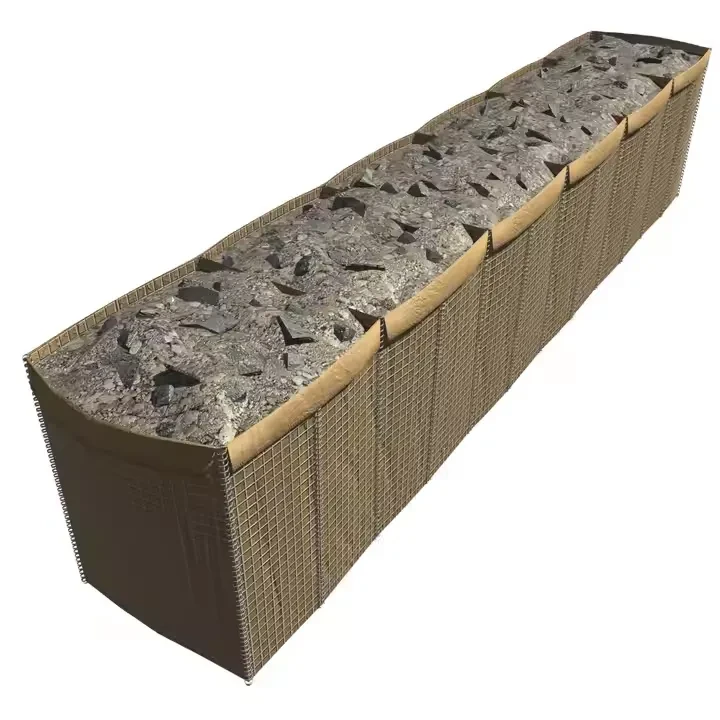
Securing the Unreachable with a Powerful Pulse Electric Fence
In the realm of global security, the distinction between a standard boundary and a high-security perimeter is often defined by the technology pulsing through the wires.
2027-04-14 00:00:00
Engineering Resilience with Explosion Proof Defensive Barriers
In an era where industrial safety and national security are increasingly intertwined, the necessity for specialized protection in volatile environments has never been higher.


 English
  Albanian
  Arabic
  Bengali
  Czech
Czech  Danish
  Dutch
Dutch  Finnish
  French
  German
  Japanese
  Malay
Malay  Persian
  Polish
  Portuguese
  Romanian
  Russian
  Serbian
  Spanish
  Swahili