





Hebei Jinjiu Metal Products Co.,Ltd


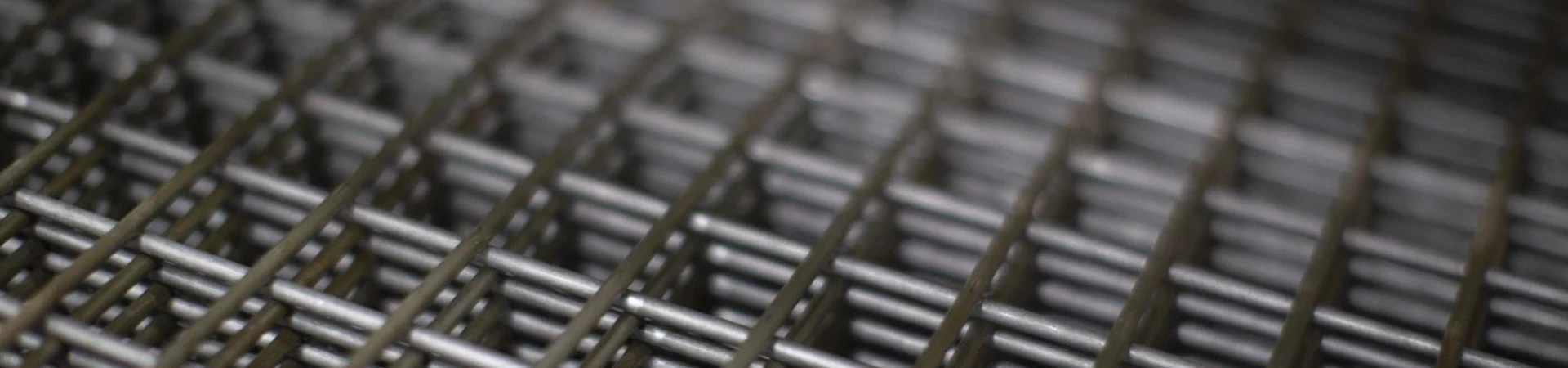

Anti Tank Barrier Metal Mesh: Durable, Scalable Security Solutions for Modern Threats
Dec . 11, 2025 09:15
The Essential Role of Anti Tank Barrier Metal Mesh in Modern Security and Infrastructure
If you’ve ever wondered how nations keep their borders secure or protect vulnerable sites from heavy vehicular threats, you’re probably already indirectly thinking about anti tank barrier metal mesh. This tough, mesh-like material isn’t just a random piece of metal fencing — it’s a lifeline in various military, industrial, and humanitarian scenarios. Understanding its design, application, and future trends matters more now than ever given shifting geopolitical tensions and the increasing need for robust infrastructure.
In a world where defense and protective barriers are crucial, knowing about these solutions’ technical and practical benefits gives you a sharper view on how safety and resilience are engineered on the ground.
Why Anti Tank Barrier Metal Mesh Is More Relevant Today Than Ever
The global security landscape is evolving fast. According to the United Nations' recent reports, over 60 countries maintain some form of physical vehicle barricades to deter or delay heavy-duty vehicle intrusion (1). Meanwhile, armored and hardened fencing technologies like anti tank barrier metal mesh are pivotal in safeguarding borders, critical infrastructure, and industrial zones.
Beyond military defense, barriers made with this metal mesh also address humanitarian challenges such as securing relief camps or protecting infrastructure from unauthorized heavy traffic in conflict or post-disaster zones. The core challenge these meshes address is how to combine high-impact resistance with rapid deployability and cost efficiency.
What Exactly Is Anti Tank Barrier Metal Mesh?
In simple terms, anti tank barrier metal mesh is a heavy-duty woven or welded grid made from steel or other alloys, designed to stop or at least slow down heavy armored vehicles — tanks, personnel carriers, and even large trucks. The mesh combines high tensile strength with a design that absorbs or disperses impact effectively. Unlike solid concrete walls or bulky barricades, this metal mesh offers a flexible, strong, and surprisingly versatile physical barrier.
Its usage extends beyond strict military defense into industries needing vehicle separation, controlled access to sensitive areas, and protection under dynamic conditions. Think of it as a smart armor layer for the physical environment.
Core Components That Make This Mesh Tick
Durability and Impact Resistance
The first and most obvious strength is the mesh’s ability to withstand intense mechanical forces. Typically constructed from high-grade galvanized or stainless steel, it can endure rust, corrosion, and harsh environments — from deserts to torrential rain zones.
Scalability & Modular Design
One of the reasons engineers love anti tank barrier metal mesh is its modularity. Panels can be linked, extended, or configured to fit particular terrains — urban streets, border perimeters, or even temporary checkpoints. This on-demand scalability makes deployment faster and more flexible than traditional bulky barriers.
Cost Efficiency
Though upfront costs might seem high, long-term maintenance and replacement are limited. Compared to concrete or earthworks, the mesh’s longevity and reusability mean it's an attractive investment, especially for governments or agencies managing tight infrastructure budgets.
Ease of Deployment
Given worsening conflict zones or disaster-prone areas, rapid assembly is critical. Many anti tank barrier metal mesh systems come with quick-lock mechanisms or standardized connectors, slashing installation time dramatically — sometimes hours rather than days.
Compatibility with Other Security Systems
It isn’t just a physical “wall.” The mesh can be integrated with sensors, cameras, or electric fencing, creating a multi-layer security system. This connectivity enhances surveillance and response capabilities.
Mini takeaway:
- Robust, modular, and scalable with long-term cost and deployment advantages.
- Durability ensures suitability for diverse global environments.
- Flexible integration possibilities increase defensive value.
How and Where Is Anti Tank Barrier Metal Mesh Used Globally?
Interestingly, this kind of metal mesh is widespread in areas you might not initially imagine. In European border control zones, the mesh reinforces checkpoints against unauthorized tank or heavy vehicle crossings. In parts of the Middle East and Asia, where conflict risk remains elevated, it fortifies military bases and supply routes.
On the humanitarian front, in conflict refugee camps or post-disaster recovery sites — such as those managed by UN agencies — these meshes prevent large vehicles from unintentionally damaging fragile setups or entering restricted areas where civilians gather.
There’s also industrial usage. Remote mining sites in Australia and Canada deploy these meshes to limit heavy equipment movement near sensitive zones. Ports and container yards in Africa use it to separate transit areas safely.
So, while the name stresses “anti tank,” its practical footprint spans peacekeeping, commerce, and emergency management.
Product Specification Snapshot
| Specification | Typical Values | Remarks |
|---|---|---|
| Material | Galvanized Steel / Stainless Steel | Corrosion-resistant for outdoor use |
| Wire Diameter | 6-12 mm | Thicker wire enhances impact absorption |
| Panel Size | 2m x 3m standard | Customizable per project requirements |
| Weight per Panel | ~50-90 kg | Varies with wire gauge and mesh density |
| Finish | Powder Coated / Hot Dipped Galvanized | Extra weather resistance |
Comparing Top Anti Tank Barrier Mesh Vendors
| Vendor | Material Quality | Customization Options | Lead Time | Support & Warranty |
|---|---|---|---|---|
| Jinjiu Wire Mesh | High-grade galvanized steel | Fully customizable panel sizes and wire gauges | 4-6 weeks | 12-month warranty, 24/7 technical support |
| SteelSecure Ltd. | Standard galvanized wire mesh | Limited to stock panel sizes | 6-8 weeks | 6-month warranty, business hours support |
| BarrierTech | Premium stainless steel options | Custom sizes but minimum order quantity required | 5-7 weeks | 1-year warranty, remote diagnostics |
The Big Benefits: Why Choose Metal Mesh Barriers?
When thinking about anti tank barrier metal mesh, many professionals point to its blend of technical strength and practical ease. But there’s a more human angle too.
- Safety First: These barriers provide peace of mind. They arrest threats before damage can be done.
- Sustainability: Compared with concrete, metal meshes can be recycled or repurposed, limiting ecological footprints.
- Trust & Innovation: Deploying modern mesh barriers signals commitment to cutting-edge, responsible safety.
- Cost Savings: Less maintenance and rapid deployment save money and time — especially crucial in fast-changing scenarios.
It’s a blend of logic — “Does it work?” — and emotion — “Do I feel protected?” — where this mesh hits a strong sweet spot.
Future Directions: What’s Next for Anti Tank Barrier Metal Mesh?
Looking forward, the future feels both high-tech and green. Researchers are experimenting with composite materials that offer the same strength at lighter weights, improving ease of installation and transport. Digitally embedded sensors within or around the mesh can monitor structural integrity or unauthorized breaches in real-time, feeding data into automated security systems.
We’re also seeing shifts in policy pushing for more eco-friendly materials. Some users demand metal sourced under strict environmental standards or coatings that reduce chemical runoff. Coupling anti tank barrier metal mesh with renewable energy-powered fence systems may soon be standard for global installations.
Challenges in the Field & How to Address Them
There’s no perfect solution, of course. Some common issues include:
- Heavy Weight: Although modular, panels can be tough to move without proper equipment.
- Corrosion in Harsh Environments: Coastal or industrial zones may speed up wear despite coatings.
- Cost Sensitivity: High-quality meshes aren’t always affordable — especially in low-income regions.
Addressing these means investing in better logistics, adopting protective tech like advanced galvanizing, and seeking partnerships to subsidize costs. Ingenious temporary mounts and hybrid designs combining mesh with local materials are rising in popularity too.
FAQs: Practical Questions Answered
Q1: How effective is anti tank barrier metal mesh against modern armored vehicles?
A1: The mesh is designed primarily to delay and deter — not entirely stop heavily armed tanks with explosives. However, it effectively slows down most armored personnel carriers and heavy trucks, providing critical time for response teams. It’s best used as part of a layered defense system.
Q2: Can this metal mesh be deployed quickly in remote conflict zones?
A2: Yes, many systems feature modular sections and quick lock connectors that allow teams to erect barriers within hours, even in remote or rugged terrain. Pre-fabricated panels also simplify the logistics of transport and assembly.
Q3: How does the metal mesh hold up in salty or humid environments?
A3: Galvanized and stainless steel coatings provide substantial corrosion resistance. However, in extremely salty sea air conditions, maintenance schedules should be tightened, and premium stainless options considered.
Q4: Is the mesh adaptable for other purposes beyond military use?
A4: Absolutely. It’s used in industrial zones to protect infrastructure, at humanitarian relief sites to secure areas, and even in traffic management to segregate heavy vehicles from emergency or pedestrian zones.
Q5: What are the environmental impacts of installing these metal meshes?
A5: Compared with concrete barricades or earthen walls, metal mesh has a smaller environmental footprint. The mesh is recyclable, lightweight, and often re-usable, which reduces waste and resource use.
Wrapping Up: Why Anti Tank Barrier Metal Mesh Is Here to Stay
Frankly, when it comes to physical barriers that need to combine strength, adaptability, and reasonable costs — anti tank barrier metal mesh genuinely stands out. Its cross-sector value from defense to industry to humanitarian efforts is proof of that. Innovations in materials, new digital integrations, and smart design mean its role will only grow.
If you want to explore your options or discuss specific project needs, visiting our supplier page is a great next step. The future isn’t just about barriers — it’s about smart protection that’s efficient, sustainable, and responsive.
Quick Takeaway:
- The mesh is a practical, innovative solution with proven impact across industries.
- Customization and integration are key to maximizing its value in diverse environments.
- Ongoing trends focus on sustainability, smart tech, and rapid deployability.
References
- United Nations Report on Border Security Measures, 2023.
- International Organization for Standardization (ISO) Guidelines for Protective Barriers, 2022.
- World Bank Infrastructure Security Insights, 2021.

Related Products

Related News


2026-03-16 14:21:07
Discover durable farming solutions and flexible animal containment with hinge-knot field fence. Combining impact-resistant design and customizable options, Hebei Jinjiu ensures quality for agricultural applications. Explore now: https://www.jinjiuwiremesh.com/field-fencefarm-fence.html
2026-03-16 14:21:07
Discover durable farming solutions and flexible animal containment with hinge-knot field fence. Combining impact-resistant design and customizable options, Hebei Jinjiu ensures quality for agricultural applications. Explore now: https://www.jinjiuwiremesh.com/field-fencefarm-fence.html
2027-04-14 00:00:00
Discover durable farming solutions and flexible animal containment with hinge-knot field fence. Combining impact-resistant design and customizable options, Hebei Jinjiu ensures quality for agricultural applications. Explore now: https://www.jinjiuwiremesh.com/field-fencefarm-fence.html
2026-02-25 15:31:06
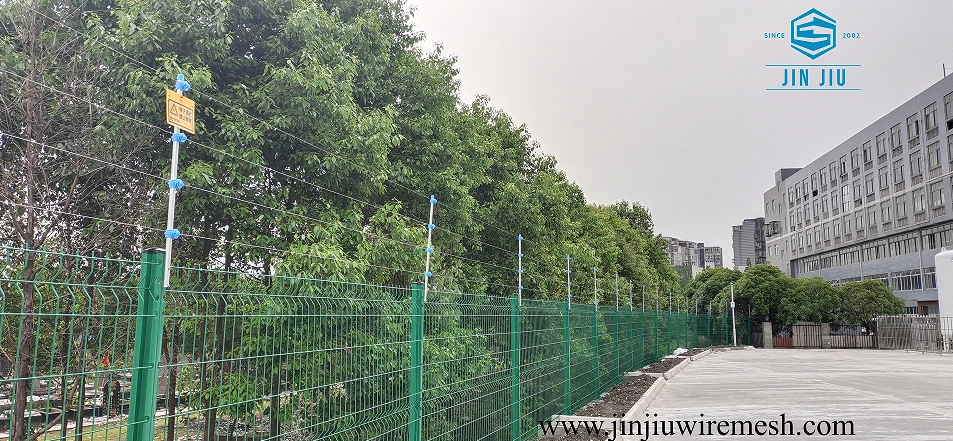
The Strategic Role of the Industrial Electric Fence in Modern Commerce
The protection of corporate and manufacturing assets has transitioned from a matter of simple boundary marking to a complex necessity of risk management.
2026-02-25 15:29:03
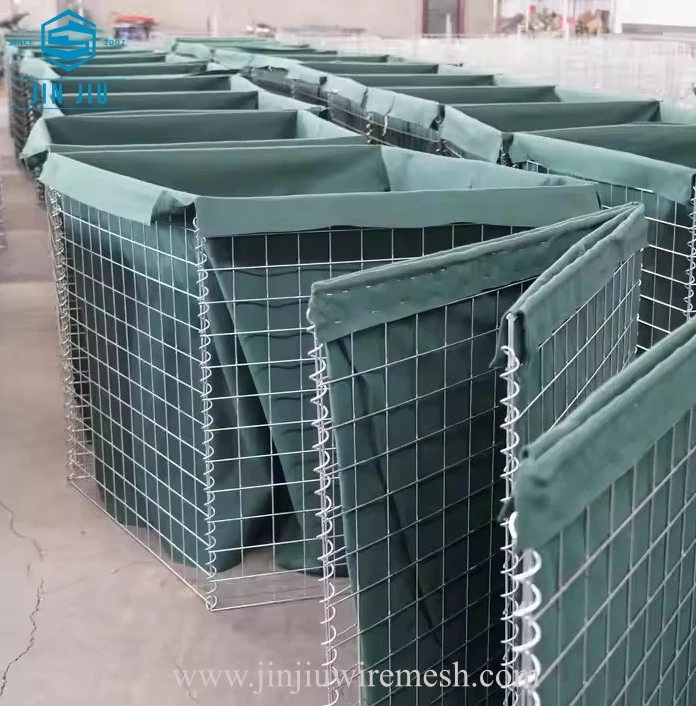
The Evolution of Physical Protection: Bullet Resistant Defensive Barriers in Modern Security
In an increasingly unpredictable global landscape, the requirement for high-level ballistic protection has moved beyond the battlefield and into the core of civilian and industrial security infrastructure.
2026-02-25 15:26:58
The Digital Backbone of Modern Security: Connected Pulse Monitoring Electric Fence Architecture
The traditional concept of a perimeter has undergone a fundamental transformation.
2026-02-25 15:24:13
Securing the Unreachable with a Powerful Pulse Electric Fence
In the realm of global security, the distinction between a standard boundary and a high-security perimeter is often defined by the technology pulsing through the wires.
2027-04-14 00:00:00
Engineering Resilience with Explosion Proof Defensive Barriers
In an era where industrial safety and national security are increasingly intertwined, the necessity for specialized protection in volatile environments has never been higher.


 English
  Albanian
  Arabic
  Bengali
  Czech
Czech  Danish
  Dutch
Dutch  Finnish
  French
  German
  Japanese
  Malay
Malay  Persian
  Polish
  Portuguese
  Romanian
  Russian
  Serbian
  Spanish
  Swahili