





Hebei Jinjiu Metal Products Co.,Ltd


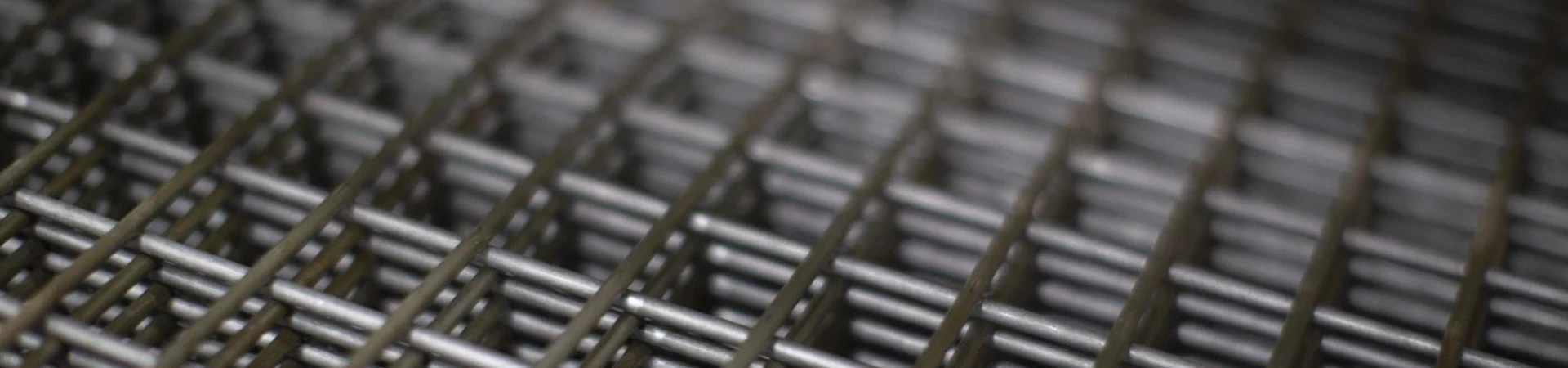

The Quiet Strength of Inconspicuous Security Obstacle Wire: Durable, Discreet, Dependable
Dec . 11, 2025 09:15
Understanding Inconspicuous Security Obstacle Wire: A Subtle Guardian in a Complex World
At first glance, the phrase inconspicuous security obstacle wire might sound like a mouthful, or maybe even a contradiction. How can something that functions as a security barrier be inconspicuous? Yet this very quality—being both effective and discreet—is increasingly critical in a world where security needs intersect with urban aesthetics, humanitarian concerns, and environmentally sensitive areas. Globally, the demand for such specialized wire solutions is growing for good reasons: it maintains safety without screaming, “Look at me, I’m a barrier!”
Why does this matter beyond neighborhoods or industrial sites? Because inconspicuous security wires provide crucial protection in places where traditional fencing would be either obtrusive, impractical, or socially unacceptable—like historic centers, refugee camps, and nature reserves. Understanding these wires’ properties, real-world uses, and industry trends helps planners, security consultants, and NGOs alike make smarter choices.
Global Context: Why Are Inconspicuous Security Obstacle Wires in the Spotlight?
Security concerns have expanded dramatically alongside global urbanization and geopolitical tensions. According to the United Nations Office on Drugs and Crime (UNODC), property crime and border intrusions have risen in many parts of the world, particularly in dense urban zones and fragile states. At the same time, ISO standards emphasize the need for safety equipment that minimizes environmental and visual impact.
The solution? Security installations that don’t impose on their surroundings—both visually and structurally. Hence the rise of inconspicuous security obstacle wire. These wires are designed to deter trespassing and protect authorized zones while blending harmoniously with the environment.
Consider heritage cities—the last thing anyone wants is imposing razor wire spoiling their charm. Or conflict zones hosting refugees, where safety infrastructures can’t compromise dignity or cause panic. Here, unobtrusive security barriers do the trick.
What Exactly Is Inconspicuous Security Obstacle Wire?
Put simply, this refers to wired barriers engineered to provide effective security but designed to be visually subtle and less intrusive than conventional razor or concertina wire. Instead of that aggressive, spiked look, these wires might use thinner gauges, muted colors, or lower profiles to blend into the background. Sometimes they’re integrated into existing fencing or architectural elements.
Within modern industry and humanitarian sectors, they serve as physical deterrents with minimal disruption, addressing the growing demand for security solutions that respect both function and form.
Core Components of Inconspicuous Security Obstacle Wire
1. Durability
One can’t spend much time in the field without appreciating how critical durability is. These wires must endure harsh weather—sun, wind, rain, sometimes salty sea air—without rusting or weakening for years. Usually, they are galvanized or stainless steel, often with polymer coatings that further protect and soften their appearance.
2. Visual Subtlety
This is the real charm offensive. Unlike traditional security wires that scream “Keep out!” the inconspicuous kind whispers, “We’re here, but please respect boundaries.” Colors like dark green or matte gray help blend with foliage or urban backdrops. Their profile is slender, and installation often avoids bulky attachments, reducing visual clutter.
3. Easy Installation & Scalability
Because these wires are often deployed in sensitive zones—think heritage sites, refugee camps, or delicate ecosystems—installation must be minimally invasive. Modular kits, flexible lengths, and compatible hardware enable quick deployment and future scalability, which is a big plus in urgent or shifting environments.
4. Cost Efficiency
You might imagine that subtle means expensive, but in many cases, advanced materials and streamlined designs result in competitive pricing. Plus, longevity and low maintenance keep total costs down. Many security planners remark on how this balance of cost and function is surprisingly good.
5. Safety & Non-Lethality
Finally—and perhaps most importantly—these wires are designed to be non-lethal deterrents. In humanitarian applications, causing injury is out of the question. The wires act as psychological and physical barriers without intent to harm, preserving human dignity and safety.
Real-World Applications Around the Globe
Across continents and industries, these wires find homes in unusual spots:
- Post-disaster zones: Temporary yet sturdy security is vital after natural disasters to protect relief supplies and camps.
- Historic city centers: In conservation areas like Italian or Spanish towns, aesthetic concerns limit imposing barriers but not the need for security.
- Border management: Countries seek non-aggressive deterrents to control sensitive boundaries, avoiding escalation but maintaining order.
- Industrial facilities: Chemical plants or remote energy installations use these wires to protect without causing community unease.
- Wildlife reserves: When fencing against poaching without disrupting animal movement or tourist views.
In short, if you need security that’s effective but doesn’t scream “hazard,” this is your tool. Several NGOs supporting refugee protection have embraced inconspicuous security obstacle wire due to its balance of safety and dignity.
Product Specification Table
| Parameter | Details |
|---|---|
| Material | Galvanized or stainless steel with polymer coating |
| Diameter | 1.2 mm to 2.0 mm |
| Length Options | 10m, 25m, 50m reels |
| Color | Matte green, gray, or custom on request |
| Coating Thickness | Approx. 30 microns polymer layer |
| Tensile Strength | ≥ 1400 N/mm² |
Vendor Comparison: Who Offers What?
| Vendor | Material Options | Customization | Pricing (per meter) | Lead Time |
|---|---|---|---|---|
| Jinjiu Wire Mesh | Galvanized, stainless | Color, coating thickness | $0.45 - $0.65 | 2-3 weeks |
| SecureWire Solutions | Polymer-coated steel | Limited colors | $0.50 - $0.70 | 3-4 weeks |
| EcoGuard Fence Inc. | Recycled stainless steel | Custom coatings, eco-packaging | $0.65 - $0.85 | 4-5 weeks |
Why Choose Inconspicuous Security Obstacle Wire? The Long View
Besides their obvious security function, these wires serve several subtle roles. They contribute to sustainability by minimizing the visual pollution of urban and natural landscapes. This respects communities and tourists alike. Over time, they reduce costs thanks to their endurance and minimal maintenance. It’s not just about barricades anymore—it’s about trust, dignity, and innovation in how we protect spaces.
On an emotional level, they foster a sense of safety that doesn’t resort to intimidation. For communities living near sensitive sites or displaced populations in camps, it feels like a respectful handshake rather than a clenched fist. In real terms, that can make a huge difference to social cohesion and peace of mind.
Looking Ahead: What’s Next for Inconspicuous Security Obstacle Wire?
Technology never stands still. Engineers are exploring smart wire coatings that change color or stiffness in response to tampering attempts—think of it as wire that can "communicate" alerts without loud alarms.
Then there’s sustainability: initiatives aim to use biodegradable polymers and recycled metals, making these wires greener. Integration with digital security, like cameras and sensors installed discreetly along the wire, is also on the rise.
Automation in installation and maintenance—robots that can lay wire in harsh terrain without human risk—could also reshape the field soon. It feels like this niche product is quietly stepping into the future, a few careful steps but with significant impact.
Overcoming Challenges: Not All Wires Are Created Equal
Of course, inconspicuous security obstacle wire isn’t flawless. Its subtlety can sometimes mean it’s less visually intimidating, so it relies more on physical robustness and technology integration. Installation in highly trafficked areas still requires care to avoid damage.
Experts recommend pairing these wires with sensors, routine inspections, and thoughtful placement. Some innovative organizations are pioneering modular solutions that allow quick replacement of damaged sections rather than full rewiring, improving practical maintenance.
FAQ: Common Questions About Inconspicuous Security Obstacle Wire
- Q: How do inconspicuous security wires compare to traditional razor wire in security effectiveness?
- A: While traditional razor wire offers a strong psychological deterrent via its razor-sharp edges, inconspicuous security wires rely more on physical barriers combined with subtler alerts like sensors. They are effective in protecting sensitive or aesthetic zones where aggressive fencing would cause issues.
- Q: Can these wires be customized to blend with different environments?
- A: Yes. Vendors commonly offer polymer coatings in various matte colors like green or gray, and thickness adjustments to match environment needs, ensuring the wires blend into foliage, urban settings, or sandy terrains.
- Q: Are there specific industries that use inconspicuous security obstacle wires regularly?
- A: Definitely. NGOs working in refugee camps, governments managing heritage sites, and industries in remote or environmentally sensitive zones frequently use these wires.
- Q: How long do these wires typically last outdoors?
- A: Depending on material and coating, wires often last 5-10 years. Proper maintenance and protective coatings significantly extend lifespan even in harsh climates.
Wrapping Up: Security Without the Visual Noise
The inconspicuous security obstacle wire is a fascinating blend of strength, subtlety, and practicality. It reminds us that protection doesn’t have to be loud or ugly—it can be a quiet presence that respects both the environment and the people it safeguards.
For those interested in exploring these innovative security solutions firsthand, visit inconspicuous security obstacle wire. You might find just the quiet guardian your project needs.

Related Products

Related News


2026-03-16 14:21:07
Discover durable farming solutions and flexible animal containment with hinge-knot field fence. Combining impact-resistant design and customizable options, Hebei Jinjiu ensures quality for agricultural applications. Explore now: https://www.jinjiuwiremesh.com/field-fencefarm-fence.html
2026-03-16 14:21:07
Discover durable farming solutions and flexible animal containment with hinge-knot field fence. Combining impact-resistant design and customizable options, Hebei Jinjiu ensures quality for agricultural applications. Explore now: https://www.jinjiuwiremesh.com/field-fencefarm-fence.html
2027-04-14 00:00:00
Discover durable farming solutions and flexible animal containment with hinge-knot field fence. Combining impact-resistant design and customizable options, Hebei Jinjiu ensures quality for agricultural applications. Explore now: https://www.jinjiuwiremesh.com/field-fencefarm-fence.html
2026-02-25 15:31:06
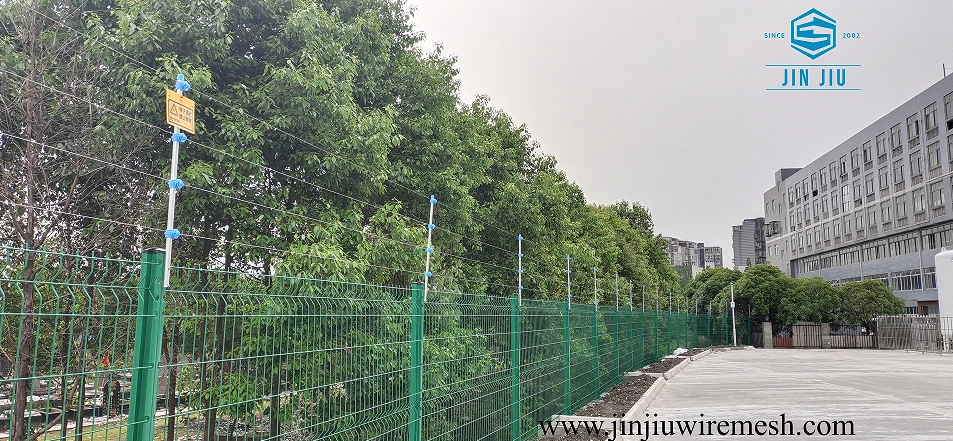
The Strategic Role of the Industrial Electric Fence in Modern Commerce
The protection of corporate and manufacturing assets has transitioned from a matter of simple boundary marking to a complex necessity of risk management.
2026-02-25 15:29:03
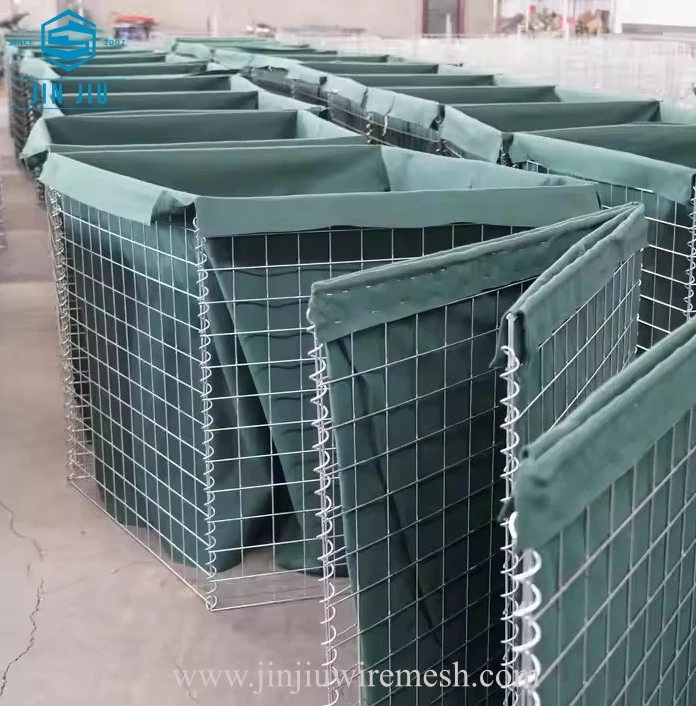
The Evolution of Physical Protection: Bullet Resistant Defensive Barriers in Modern Security
In an increasingly unpredictable global landscape, the requirement for high-level ballistic protection has moved beyond the battlefield and into the core of civilian and industrial security infrastructure.
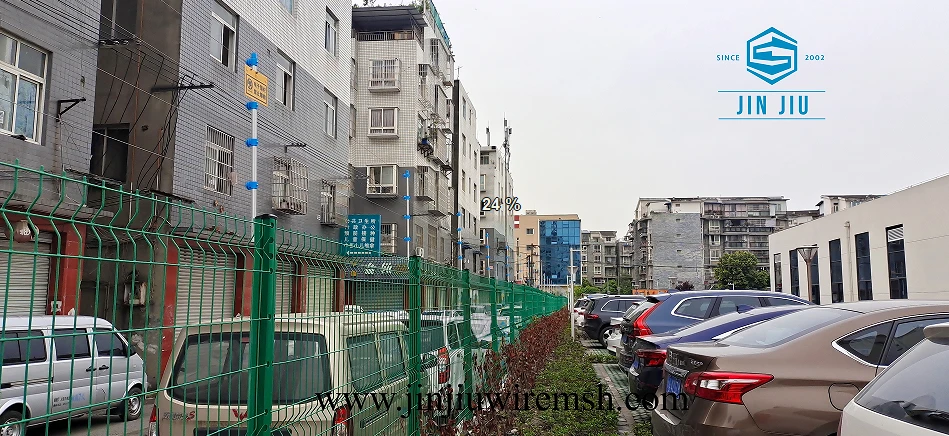
2026-02-25 15:26:58
The Digital Backbone of Modern Security: Connected Pulse Monitoring Electric Fence Architecture
The traditional concept of a perimeter has undergone a fundamental transformation.
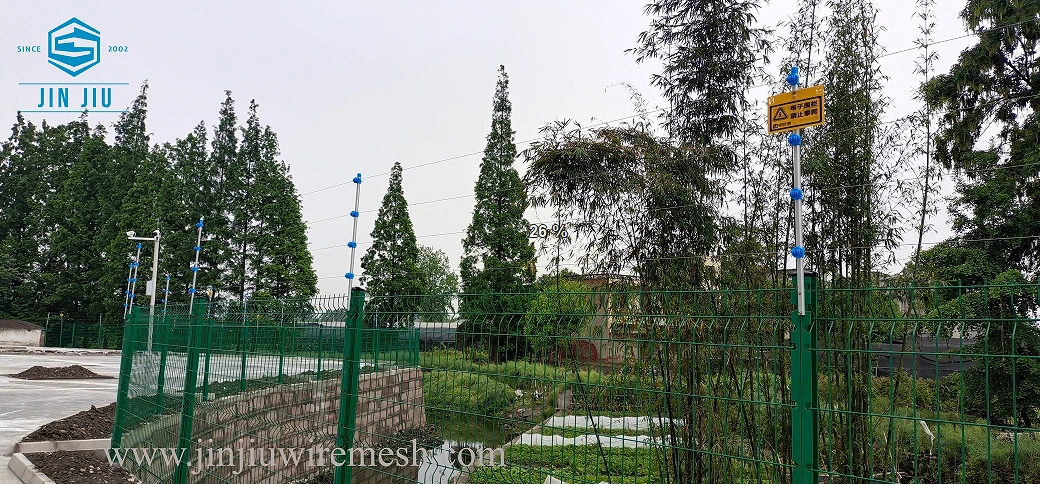
2026-02-25 15:24:13
Securing the Unreachable with a Powerful Pulse Electric Fence
In the realm of global security, the distinction between a standard boundary and a high-security perimeter is often defined by the technology pulsing through the wires.
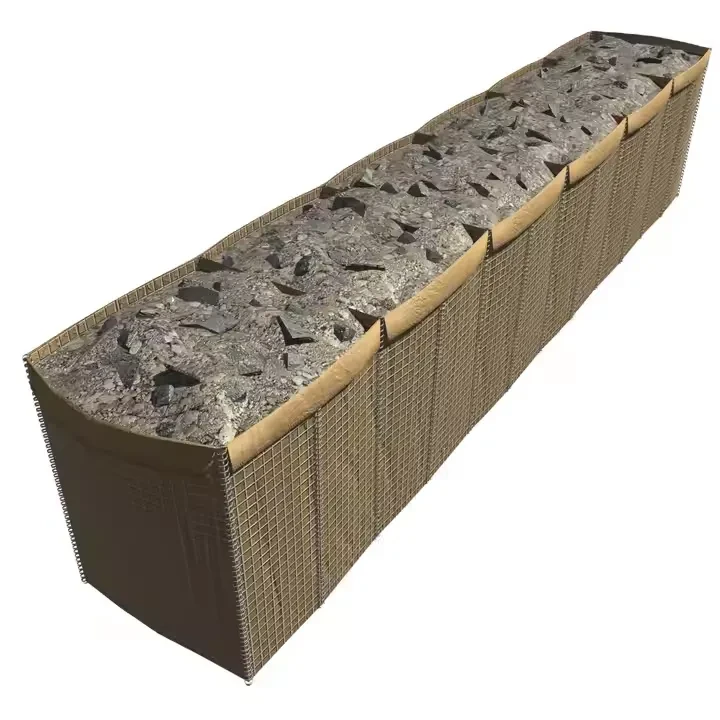
2027-04-14 00:00:00
Engineering Resilience with Explosion Proof Defensive Barriers
In an era where industrial safety and national security are increasingly intertwined, the necessity for specialized protection in volatile environments has never been higher.


 English
  Albanian
  Arabic
  Bengali
  Czech
Czech  Danish
  Dutch
Dutch  Finnish
  French
  German
  Japanese
  Malay
Malay  Persian
  Polish
  Portuguese
  Romanian
  Russian
  Serbian
  Spanish
  Swahili