





Hebei Jinjiu Metal Products Co.,Ltd


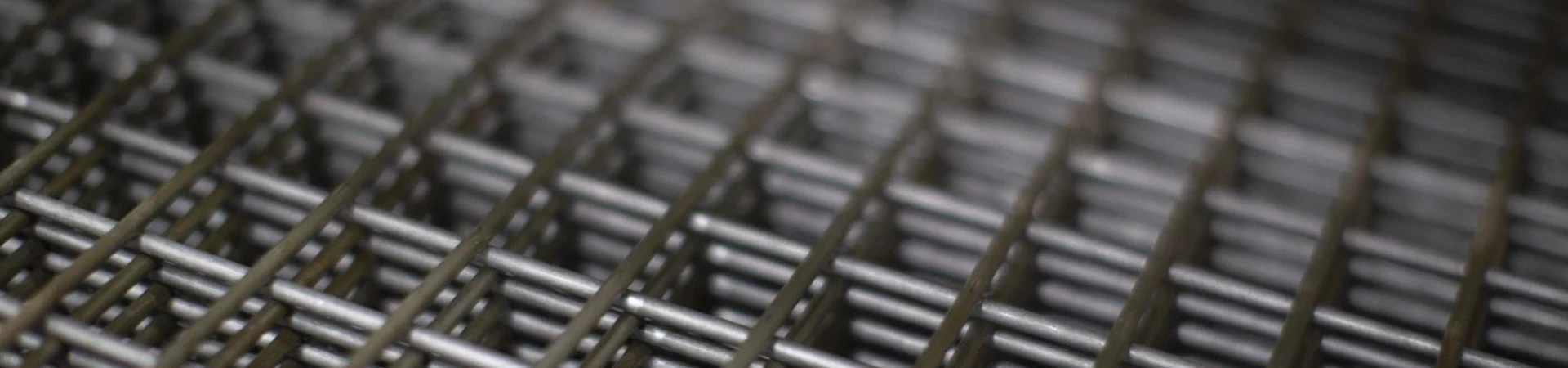

Wire Barrier Inconspicuousnet – Durable, Discreet Safety Solutions for Modern Security
Dec . 11, 2025 09:16
Understanding Wire Barrier Inconspicuousnet: A Silent Guardian in Modern Security
At first glance, "wire barrier inconspicuousnet" might sound like a futuristic tech jargon or a complicated security term. But if you step back and consider our overnight changing global environment — from urban redevelopment efforts to humanitarian crises — this understated mesh technology plays a crucial role. It is a subtle shield, designed to blend seamlessly into the background yet delivering robust protection where needed. The why and how of this technology matter globally, especially when safety, privacy, and environmental harmony converge as priorities. Understanding wire barrier inconspicuousnet opens a window into smarter, safer, and more sustainable infrastructure.
Global Context: Why Wire Barrier Inconspicuousnet Is More Than Just Wire
Wire barriers have long been a staple for fencing and perimeter control, but the wire barrier inconspicuousnet variant pushes these capabilities forward. Recent reports by the United Nations show that urban security needs are growing by roughly 5% annually, alongside increased demand for discreet and durable safety solutions in public spaces and post-conflict zones (UN data, 2023). And it’s not just about urban centers; remote industrial zones and refugee camps also require swift deployment security installations that don’t scream “fence” and ruin the landscape.
The problem? Traditional fences often clash visually with their surroundings, attract vandalism, and require time-consuming installation. Enter wire barrier inconspicuousnet — engineered to be virtually invisible at a glance, yet resilient under pressure.
What Exactly Is Wire Barrier Inconspicuousnet?
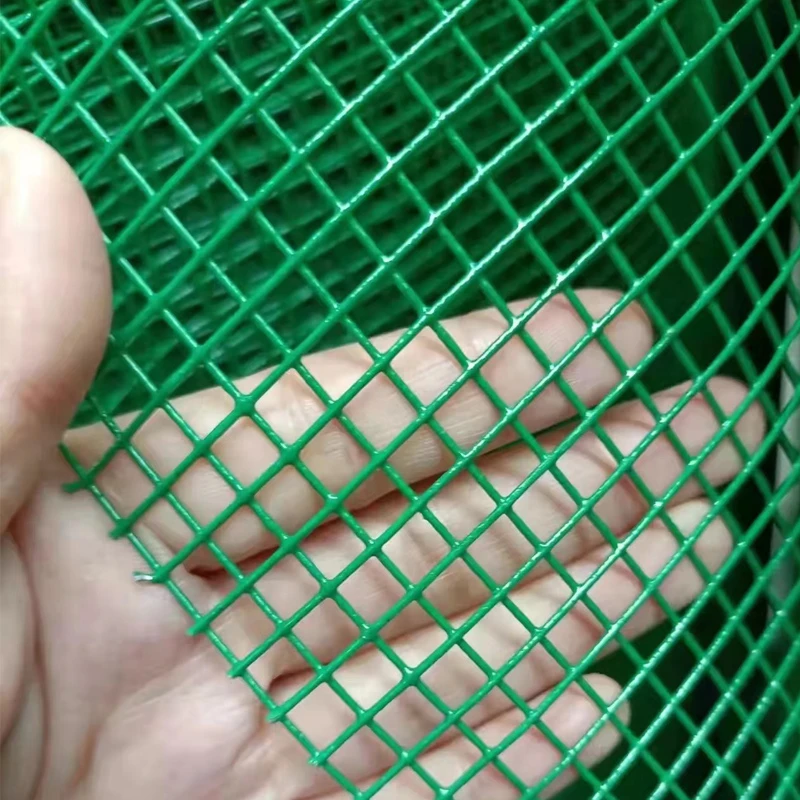
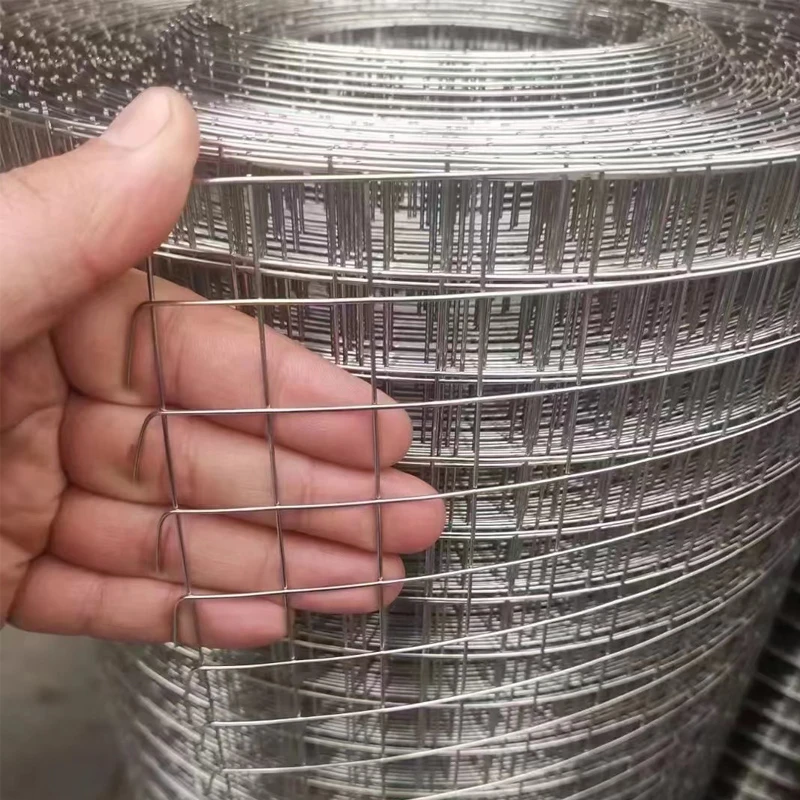
Put simply, wire barrier inconspicuousnet is a low-profile, tightly woven mesh barrier made from stainless steel or galvanized wire. Unlike traditional chain-link or barbed wire fences that shout “security,” this mesh melts visually into its environment. Its design emphasizes subtlety without compromising strength. Originally birthed in industrial and military applications, today it serves everything from wildlife highway crossings, urban greenways, to refugee camp perimeters.
This is particularly relevant for humanitarian efforts where maintaining dignity and blending safety measures into delicate environments counts as much as physical protection. So, in essence, it’s a wire-based safety net — that doesn’t act like one.
Key Features of Wire Barrier Inconspicuousnet
Durability & Weather Resistance
One core advantage is its ability to withstand extreme conditions. Moisture, UV radiation, wind, and temperature swings — these fences aren’t fazed. Manufacturers often use galvanized or stainless steel wire, sometimes coated with protective polymers. I’ve seen installations still holding firm after 10+ years in coastal zones where salty air corrodes lesser products fast.
Low Visual Impact
This might be its signature trait. The mesh’s thin cross-section and small aperture size make it practically invisible beyond a few feet, preserving landscape aesthetics. This makes it a perfect choice for protected areas where natural beauty and security are equally important.
Quick Installation and Scalability
Because the nets come in rolls and can be stretched or mounted on lightweight structures, deployment is faster and less labor-intensive than heavy fence panels. This scalability allows users to expand or modify barriers easily, making it cost-effective over time.
Cost Efficiency
While the upfront cost is marginally higher than traditional fencing, lower maintenance and longer lifespan usually bring down the total cost of ownership. From a project manager’s perspective, that’s a win-hand to hand.
Adaptability & Multi-Use
Whether securing construction sites in Europe or creating safe corridors for wildlife passage in Asia, its adaptability proves indispensable. Plus, it works well with modern tech like sensors and cameras for integrated security systems.
Product Specifications at a Glance
| Specification | Description |
|---|---|
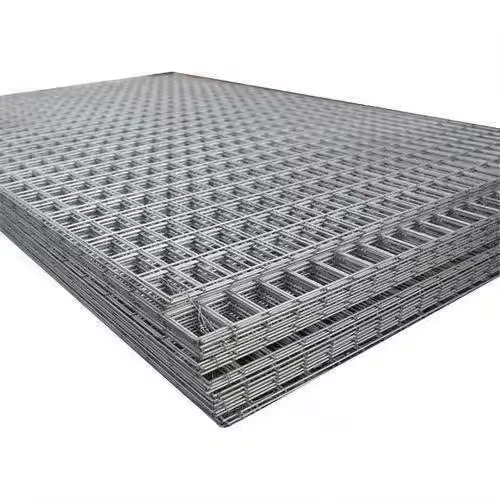
| Wire material | Galvanized steel or stainless steel (304/316 grade) |
| Mesh aperture size | 5mm to 30mm standard sizes |
| Wire diameter | 0.8mm to 2.5mm |
| Roll length | 20m to 50m |
| Standard height | 1m to 3m |
| Coating | PVC or PE available |
Vendor Comparison: Choosing the Best Wire Barrier Inconspicuousnet Supplier
| Vendor | Product Range | Lead Time | Customization Options | Price Range (per roll) |
|---|---|---|---|---|
| Jinjiu Wire Mesh | Standard and custom meshes, coatings, and sizes | 2-3 weeks | High - various coatings and mesh sizes | $150-$400 |
| Global Mesh Inc. | Limited stock with fixed sizes | 3-5 weeks | Low | $180-$350 |
| SecureNet Solutions | High-end specialized meshes with sensors | 4 weeks | Medium, technology add-ons available | $300-$600 |
The Real-World Impact: Where Wire Barrier Inconspicuousnet Shines
One notable example is in post-disaster zones, like earthquake-stricken regions in Southeast Asia, where rapid deployment of safe, unobtrusive barriers helps protect temporary shelters and work sites. NGOs praise how wire barrier inconspicuousnet supports both quick setup and maintains a low profile, which matters a lot for morale and local acceptance.
In urban environments across Europe and North America, architects integrate this mesh in green spaces to keep out unwanted access without spoiling the view. Similarly, conservation projects in Africa use these barriers along highways to reduce vehicle-wildlife collisions, saving lives on both sides.
Benefits That Go Beyond Physical Barriers
- Cost-Effectiveness: Longevity and reduced maintenance lower overall expenditure.
- Sustainability: Choice of recyclable materials aligns with global green initiatives.
- Social Comfort: Low visual impact respects community aesthetics and cultural sensitivity.
- Safety & Trust: Reliable protection instills confidence for residents and workers alike.
On a personal note, many security managers I talked with mention that “invisibility” in fencing often reduces confrontation and vandalism. It’s funny to think a fence that almost disappears ends up offering such peace of mind.
Looking Ahead: Innovations on the Horizon
Upcoming trends include integrating smart sensors into wire meshes for intrusion detection and environmental monitoring. There’s a growing interest in biodegradable coatings and wires made partially from recycled metals. Given the push towards digital transformation, it wouldn’t surprise me to see mesh barriers linked in real-time to security hubs via wireless IoT setups.
Moreover, policies encouraging sustainable materials (ISO 14000 standards) mean manufacturers constantly tweak their processes to reduce carbon footprints too.
Challenges and How Industry Leaders Address Them
Despite clear benefits, there are hurdles. Installation on uneven terrain can get tricky due to tension requirements. Some users worry about long-term corrosion in extremely harsh chemical environments, such as industrial sites. Others point out that visual inconspicuousness might not deter determined intruders alone, signaling a need for layered security solutions.
Innovations like adjustable tensioners, enhanced polymer coatings, and integration with CCTV or motion alarms are current industry responses. Skilled installers recommend thorough site surveys before deployment, which makes all the difference.
FAQ: Answers to Your Wire Barrier Inconspicuousnet Questions
- How long does wire barrier inconspicuousnet last in outdoor environments?
- Generally, with good materials (stainless or galvanized steel), it lasts upwards of 10-15 years, factoring in coating quality and climate. Coastal or industrial air exposures may reduce lifespan slightly without proper care.
- Is wire barrier inconspicuousnet suitable for wildlife protection?
- Absolutely. Its low visual profile suits wildlife corridors and highway mesh fences, minimizing stress to animals while maintaining safety.
- Can I customize mesh size and wire diameter for my project?
- Most suppliers, including wire barrier inconspicuousnet manufacturers, offer customization options to fit project needs, including coating types, mesh patterns, and rollout lengths.
- Are these wire barriers easy to install on uneven terrain?
- With the right support posts and tensioning tools, installation on uneven ground is manageable though it requires some planning and skilled labor.
- What environmental certifications do leading products have?
- Look for products compliant with ISO 9001 quality standards and ISO 14000 environmental management to ensure sustainable sourcing and production.
Wrapping Up: Why Wire Barrier Inconspicuousnet Matters for the Long Haul
So, to sum it up, wire barrier inconspicuousnet isn’t just another fence. In the world’s complex blend of needs—security, aesthetics, sustainability—it strikes a rare balance. It’s a solution gaining momentum in urban design, humanitarian aid, and conservation alike. Maybe what’s most interesting is how something designed to fade into the background can have such a vivid impact on safety and trust.
If your project calls for a security measure that respects the environment and human sensibilities, I’d seriously consider wire barrier inconspicuousnet. For more detailed info or project-specific solutions, feel free to visit our website. There’s a whole world of detail tucked in those tiny wires.
References & Further Reading
- United Nations - Safety and Security Reports (2023)
- Wikipedia - Fencing (Enclosure)
- ISO 14001 Environmental Management

Related Products
Related News


2026-03-16 14:21:07
Discover durable farming solutions and flexible animal containment with hinge-knot field fence. Combining impact-resistant design and customizable options, Hebei Jinjiu ensures quality for agricultural applications. Explore now: https://www.jinjiuwiremesh.com/field-fencefarm-fence.html
2026-03-16 14:21:07
Discover durable farming solutions and flexible animal containment with hinge-knot field fence. Combining impact-resistant design and customizable options, Hebei Jinjiu ensures quality for agricultural applications. Explore now: https://www.jinjiuwiremesh.com/field-fencefarm-fence.html
2027-04-14 00:00:00
Discover durable farming solutions and flexible animal containment with hinge-knot field fence. Combining impact-resistant design and customizable options, Hebei Jinjiu ensures quality for agricultural applications. Explore now: https://www.jinjiuwiremesh.com/field-fencefarm-fence.html
2026-02-25 15:31:06
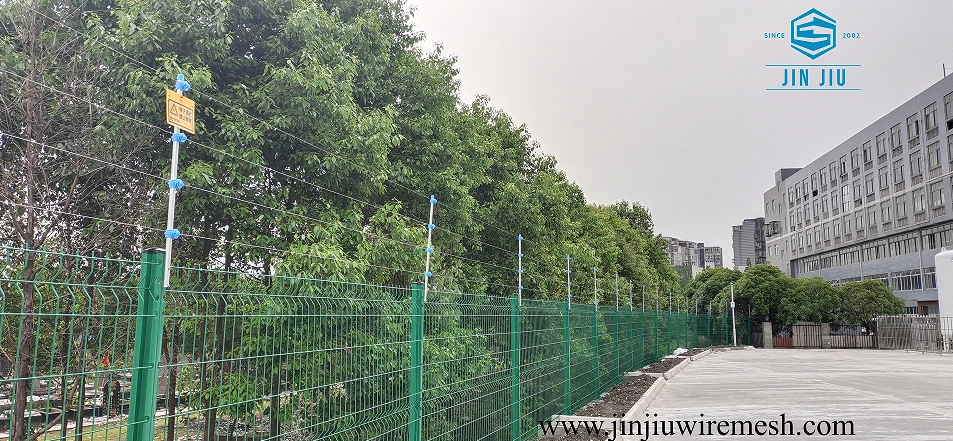
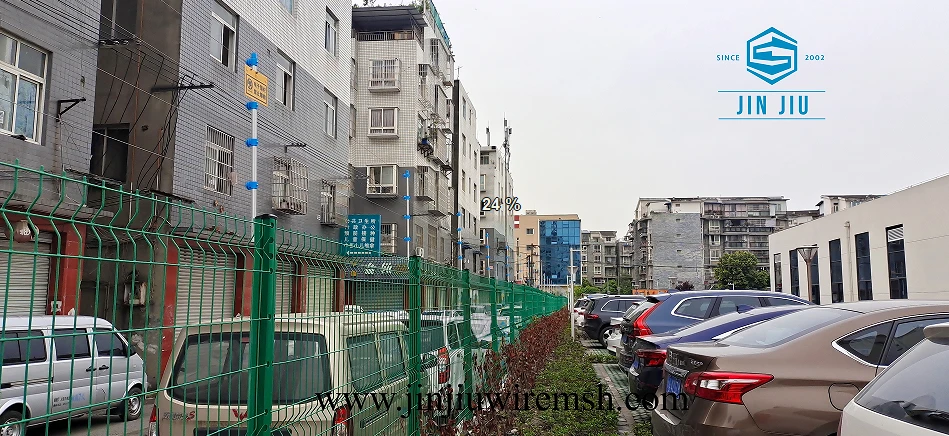
The Strategic Role of the Industrial Electric Fence in Modern Commerce
The protection of corporate and manufacturing assets has transitioned from a matter of simple boundary marking to a complex necessity of risk management.
2026-02-25 15:29:03
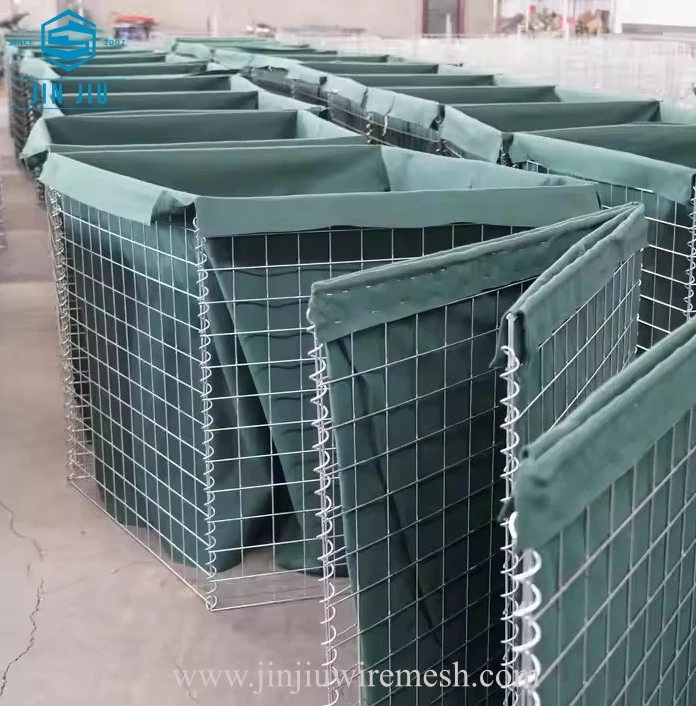
The Evolution of Physical Protection: Bullet Resistant Defensive Barriers in Modern Security
In an increasingly unpredictable global landscape, the requirement for high-level ballistic protection has moved beyond the battlefield and into the core of civilian and industrial security infrastructure.
2026-02-25 15:26:58
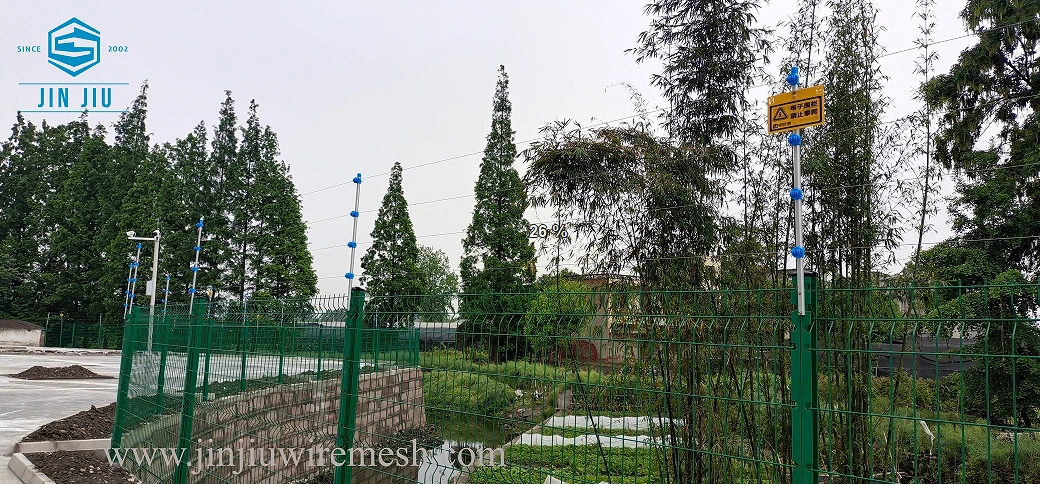
The Digital Backbone of Modern Security: Connected Pulse Monitoring Electric Fence Architecture
The traditional concept of a perimeter has undergone a fundamental transformation.
2026-02-25 15:24:13
Securing the Unreachable with a Powerful Pulse Electric Fence
In the realm of global security, the distinction between a standard boundary and a high-security perimeter is often defined by the technology pulsing through the wires.
2027-04-14 00:00:00
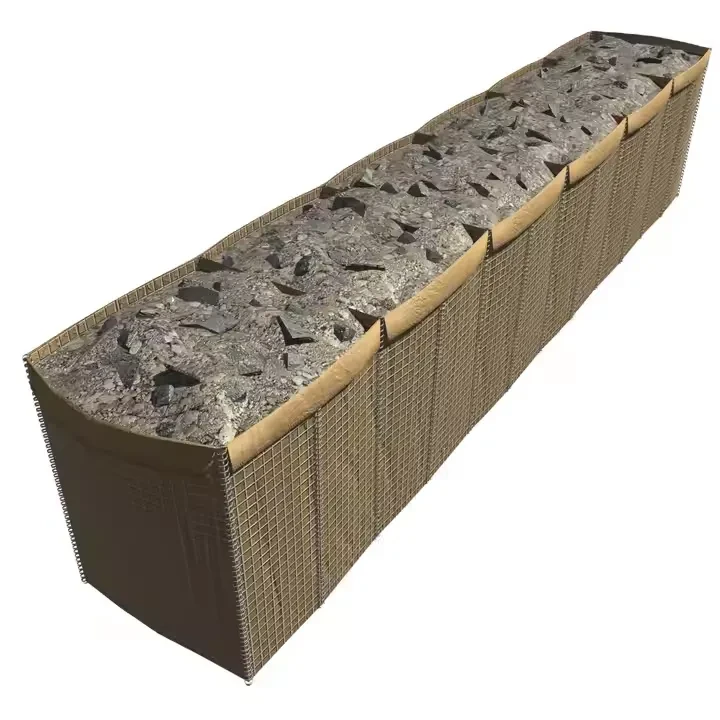
Engineering Resilience with Explosion Proof Defensive Barriers
In an era where industrial safety and national security are increasingly intertwined, the necessity for specialized protection in volatile environments has never been higher.


 English
  Albanian
  Arabic
  Bengali
  Czech
Czech  Danish
  Dutch
Dutch  Finnish
  French
  German
  Japanese
  Malay
Malay  Persian
  Polish
  Portuguese
  Romanian
  Russian
  Serbian
  Spanish
  Swahili